

Building international trust through friendship between cities: successful municipal practices presented at the National Centre RUSSIA
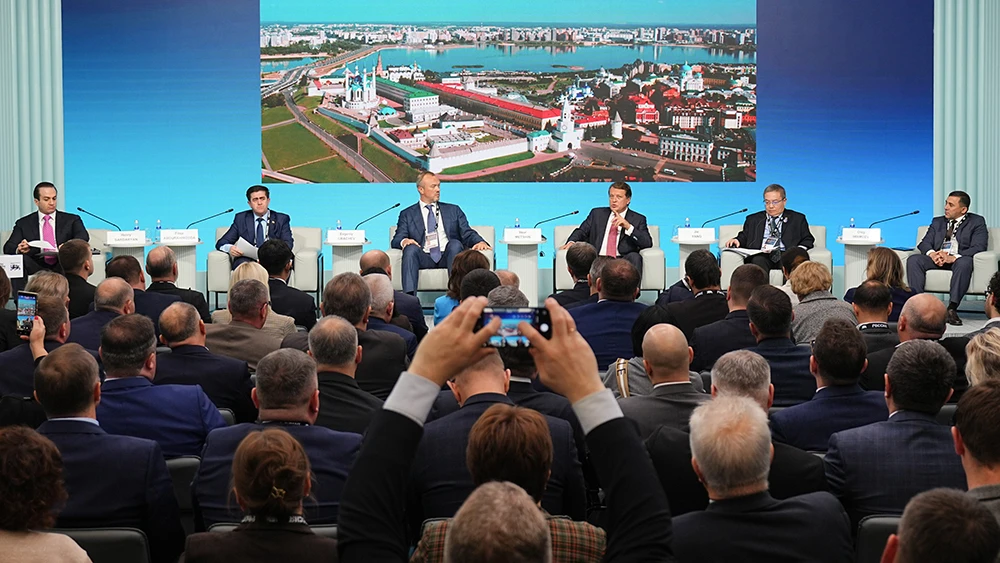
In a multipolar world, international ties are increasingly being developed at the level of cities and regions. Municipal authorities, public organisations, educational and cultural institutions are building lasting connections between societies, creating opportunities for direct interaction among citizens and helping to maintain international contacts even amid global turbulence. The role of municipal diplomacy and its practical results were discussed by participants in the session "Cities of Trust: Municipal Diplomacy in a Multipolar World", held at the National Centre RUSSIA as part of the International Municipal Forum.
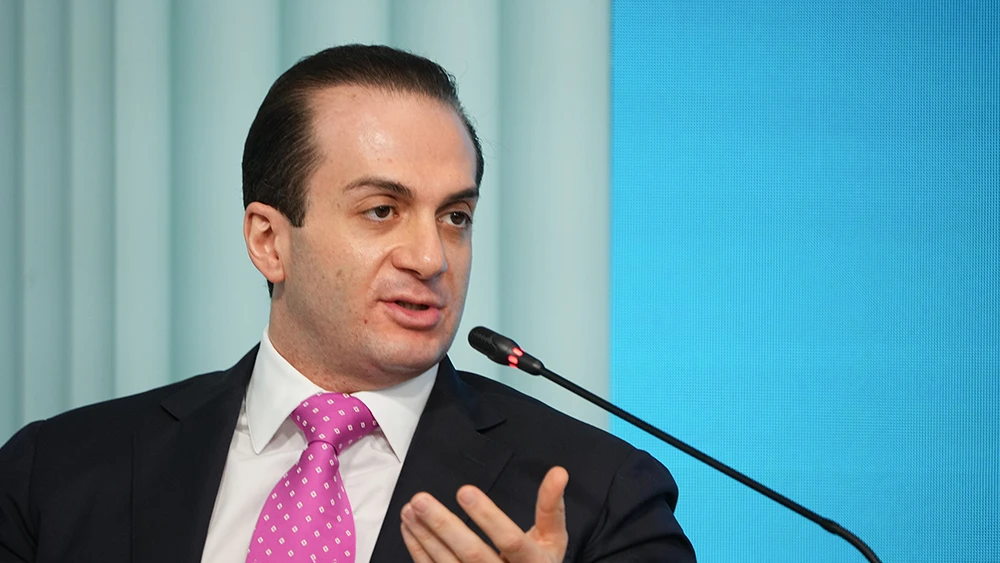
The session was moderated by Henry Sardaryan, Dean of the Department of
Governance and Politics at MGIMO University of the Ministry of Foreign Affairs
of Russia. He noted that it was important for municipalities not merely to
exchange experience, but to build a sustainable system of international
cooperation. Amid global uncertainty, sharing knowledge and proven practices
helps cities find solutions to common challenges and build long-term
relationships. Yevgeny Grachev, Deputy Head of the Presidential Directorate for
Domestic Policy, supported this view. He emphasised that international
cooperation is rooted in issues shared by municipalities in different
countries: infrastructure development, improving quality of life, creating a comfortable
urban environment and making municipal services more efficient.
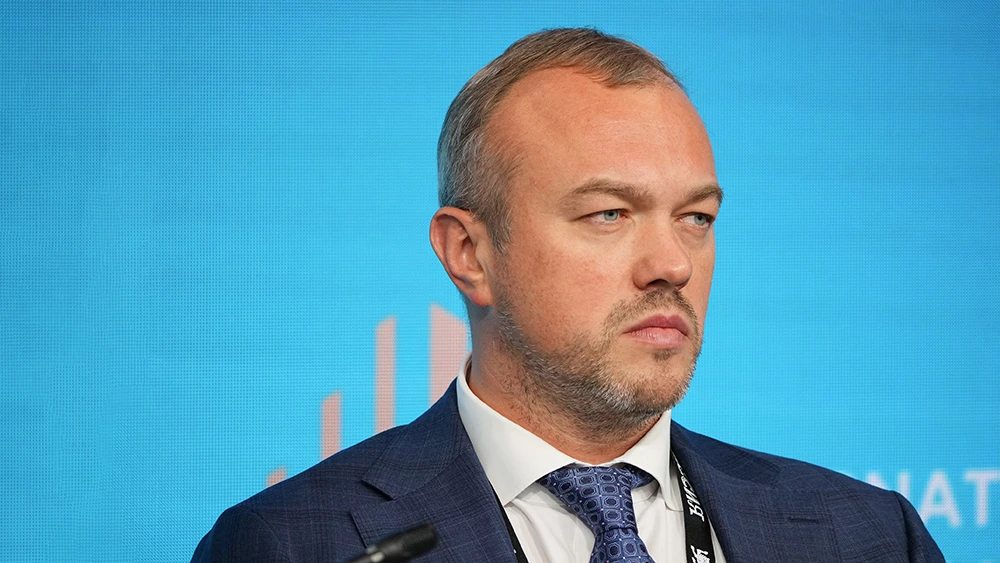
"The task of every mayor and every head of a municipality, in any country
in the world, is to make life better, safer and more modern for their citizens.
This practical, results-oriented approach is equally important when building
ties between municipalities. Trust is built through concrete action and
connections — first and foremost between municipal leaders — and the results of
this cooperation grow into major projects aimed at improving the lives of our
citizens," said Yevgeny Grachev.
The speaker also addressed the development of international ties between
Russian municipalities through specialised organisations and associations. In
particular, the All-Russian Association for the Development of Local
Self-Government brings together successful regional practices and helps
establish contacts with foreign partners. Promising areas for cooperation
include the economy, the digitalisation of urban management, transport, housing
and utilities, and the development of public spaces. At the same time,
established humanitarian, educational and cultural ties remain important.
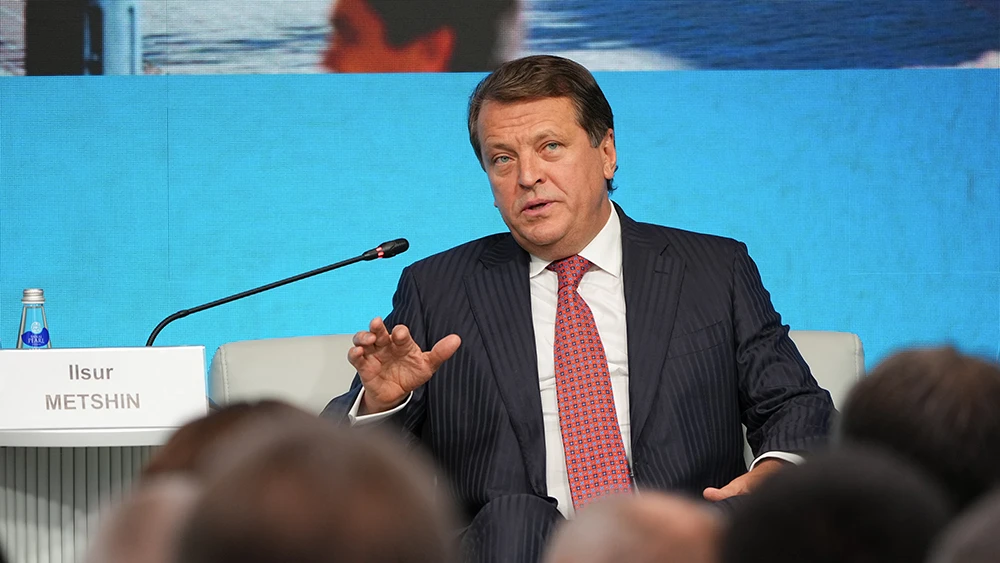
Ilsur Metshin, President of the International Association "United Cities
and Local Governments of Eurasia" and Mayor of Kazan, drew attention to
the fact that international experience helps municipalities find solutions to a
wide range of everyday challenges. He said that city leaders everywhere face
the same fundamental task: to serve their people and make the areas entrusted
to them more comfortable places to live.
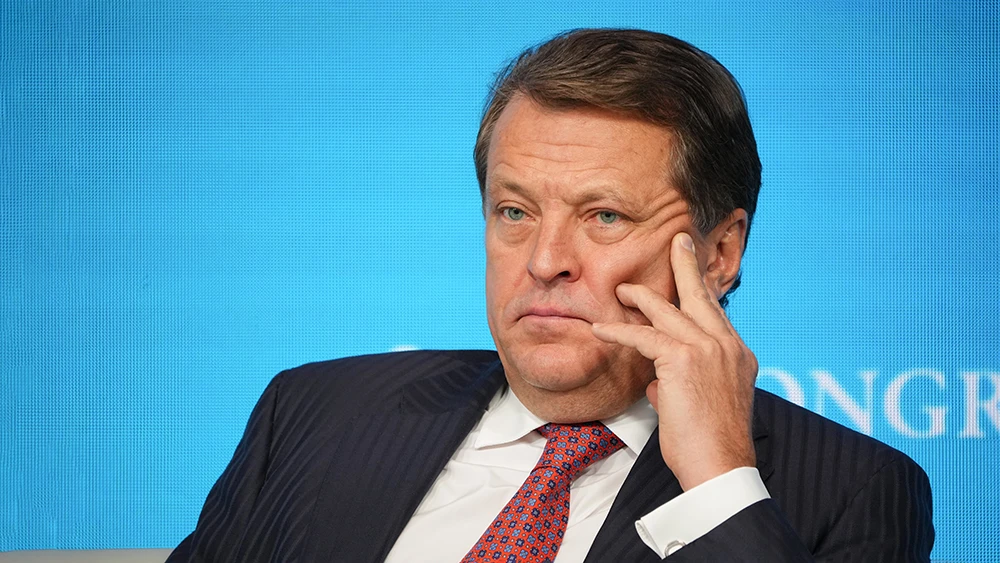
"Every mayor faces their own particular challenges: for some, it is the sewerage system; for others, meals in nurseries and schools, or public transport. So be eager to visit other countries and cities. In Kazan, we try to bring back new knowledge, new contacts and new ideas from everywhere we go — anything that can benefit our area and help our city develop," Ilsur Metshin advised the audience.
As an example, he cited international visits that had helped Kazan gain new
perspectives on the organisation of public spaces and its transport system. In
particular, learning about practices in Bogotá gave the mayor ideas for
developing parks and improving urban spaces, while a visit to Istanbul provided
an opportunity to study different approaches to public transport. Ilsur Metshin
emphasised that such contacts make it possible not simply to adopt individual
solutions, but to adapt them to the needs and circumstances of one's own city.
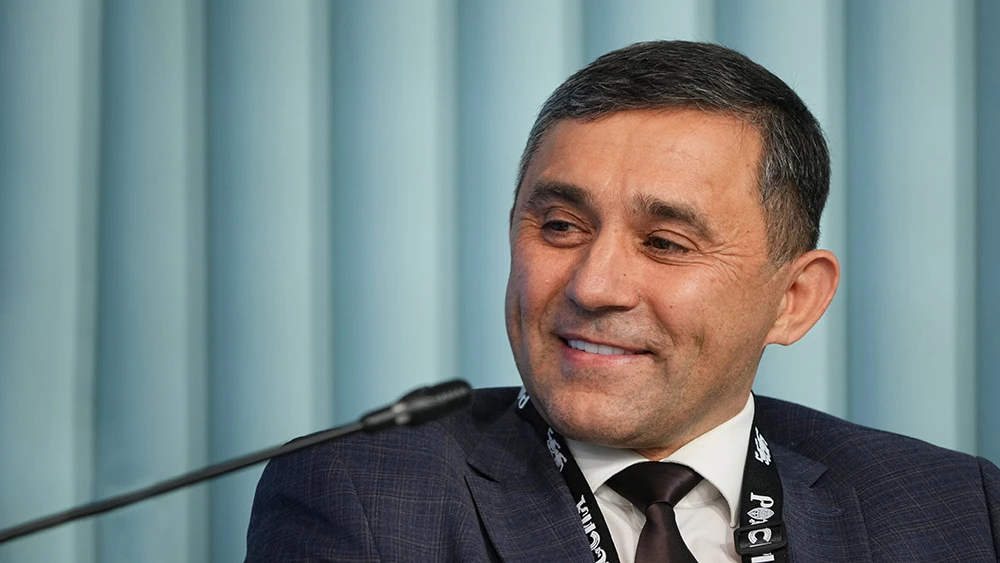
Oleg Imameyev, Mayor of Blagoveshchensk, also spoke about
how international cooperation works in practice. The city's geographical
location, with the Amur River separating it from the Chinese city of Heihe, has
provided a foundation for a wide range of joint projects. These include an international
road bridge built under a Russian-Chinese concession agreement and a
cross-border cable car, due to open in 2027, which will expand tourism
opportunities in both cities.
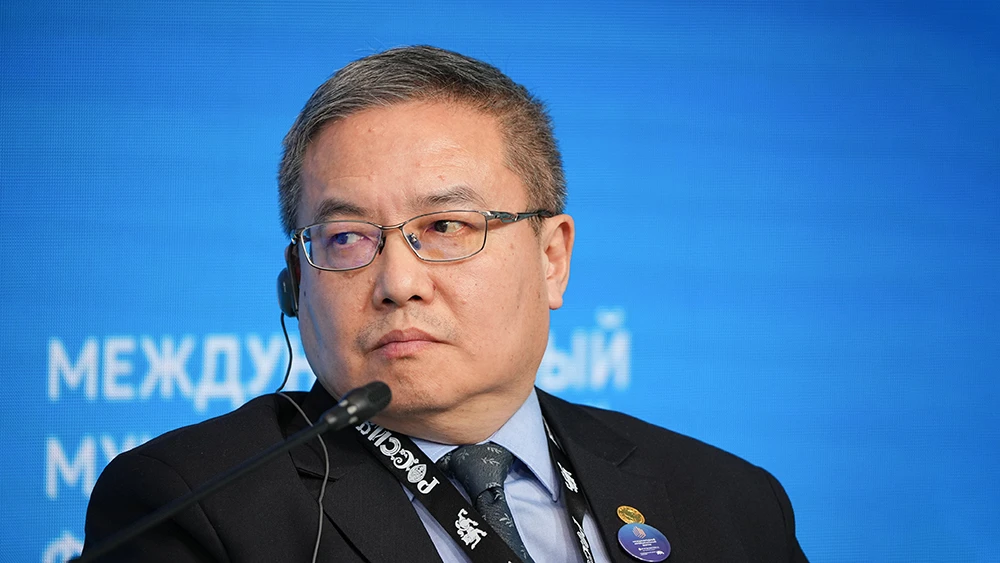
"Infrastructure is only one aspect of the partnership. Blagoveshchensk and
Heihe hold around 300 joint events every year. School exchanges, joint tourist
routes and environmental initiatives are also developing. For example,
volunteer organisations in the two cities work together to protect the
environment and preserve the Amur River ecosystem. The municipalities also
exchange experience in urban improvement, street cleaning and the development
of municipal services," said Oleg Imameyev.
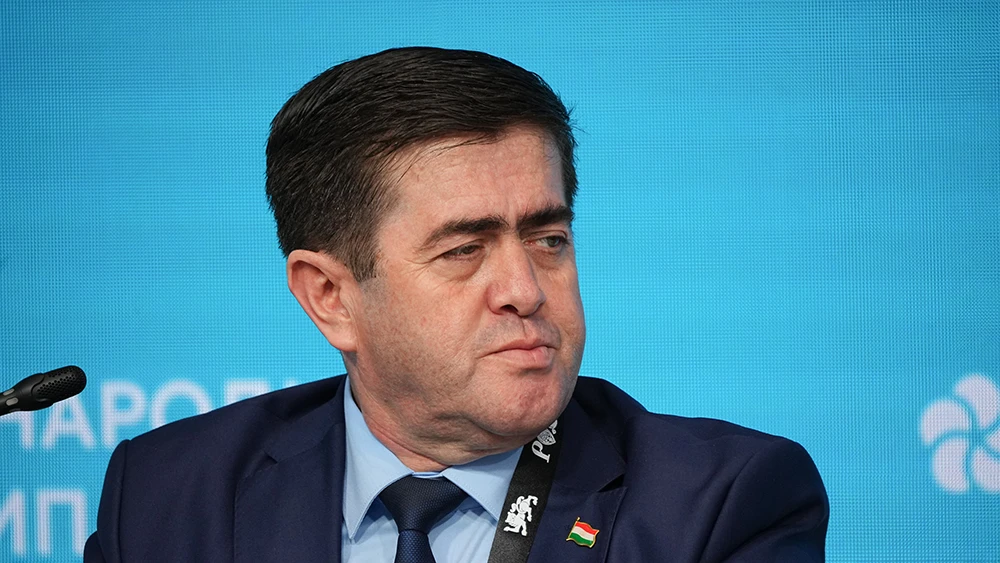
Firuz Abdurakhimzoda, Head of the Department of Planning and Evaluation of Local Self-Government Development Programmes at the Committee for Local Development under the President of the Republic of Tajikistan, also outlined international cooperation as a tool for addressing specific socio-economic challenges. He identified three key areas of partnership: economic cooperation, the exchange of management technologies and humanitarian engagement. Among the promising projects Tajikistan would like to pursue with Russian cities, Firuz Abdurakhimzoda named the establishment of joint production facilities, the introduction of digital services, educational and youth exchanges, and cooperation in culture and healthcare.
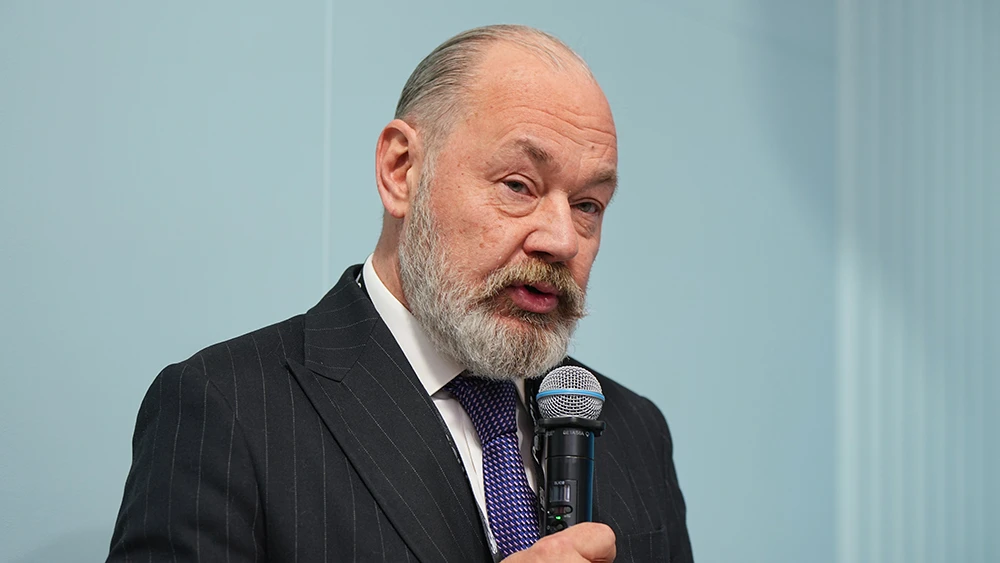
At the end of the discussion, the participants agreed that lasting relationships between municipalities are built primarily through the day-to-day work of cities and specialised institutions, professional contacts and direct interaction between people. These connections enable municipalities not only to adopt useful practices, but also to share their own solutions and become full-fledged participants in international cooperation.
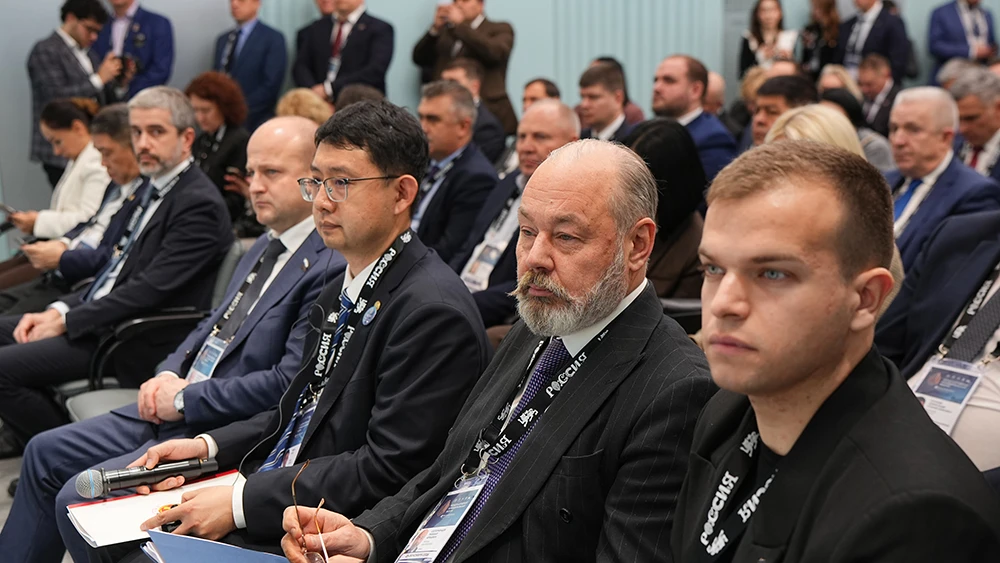
The International Municipal Forum is taking place on 23–24 November at the
National Centre RUSSIA. It is organised by the Roscongress Foundation with the
support of the Government of the Russian Federation. Representatives from 46
countries are taking part. The forum's main theme is "Sustainable Urban
Transformation: Responding to Global Challenges". Its business programme
covers five areas: economy and innovation, international relations, sustainable
municipal development, human resources policy and youth initiatives.
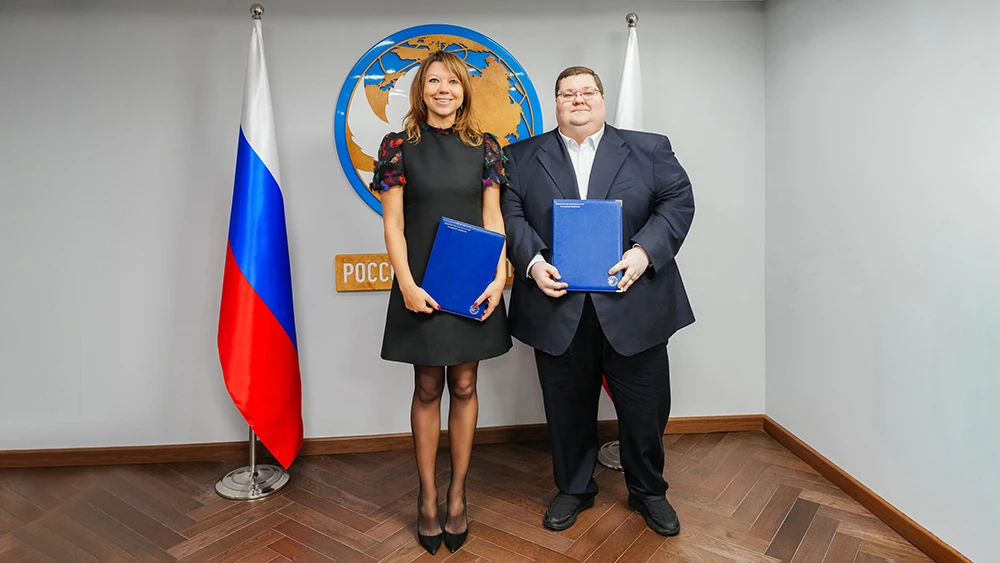
The agreement opens up new opportunities for joint projects in Russia and abroad, as well as for the exchange of professional expertise and the development of information partnerships.
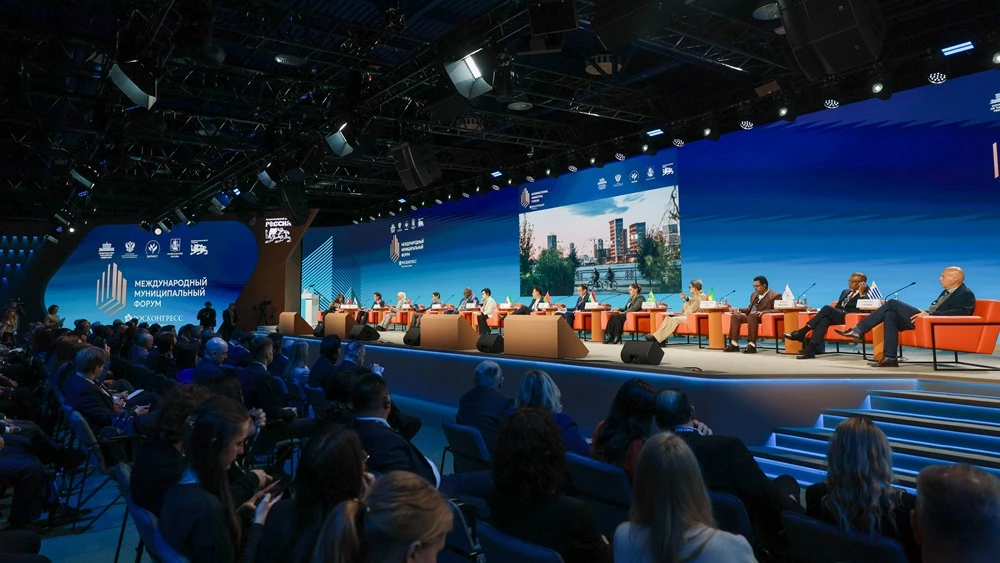
Participants discussed which objectives on the agenda have already been achieved and need to be reconsidered, and which require even greater efforts to improve people's quality of life.
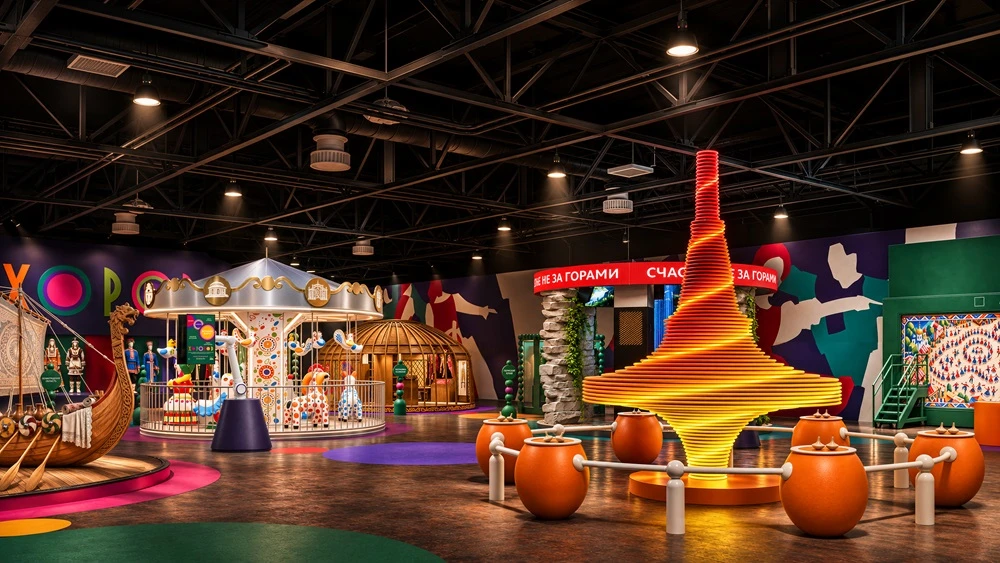
As part of the Year of Unity of the Peoples of Russia, the National Centre RUSSIA is continuing its series of original events entitled "Khorovod" ("Round Dance").


