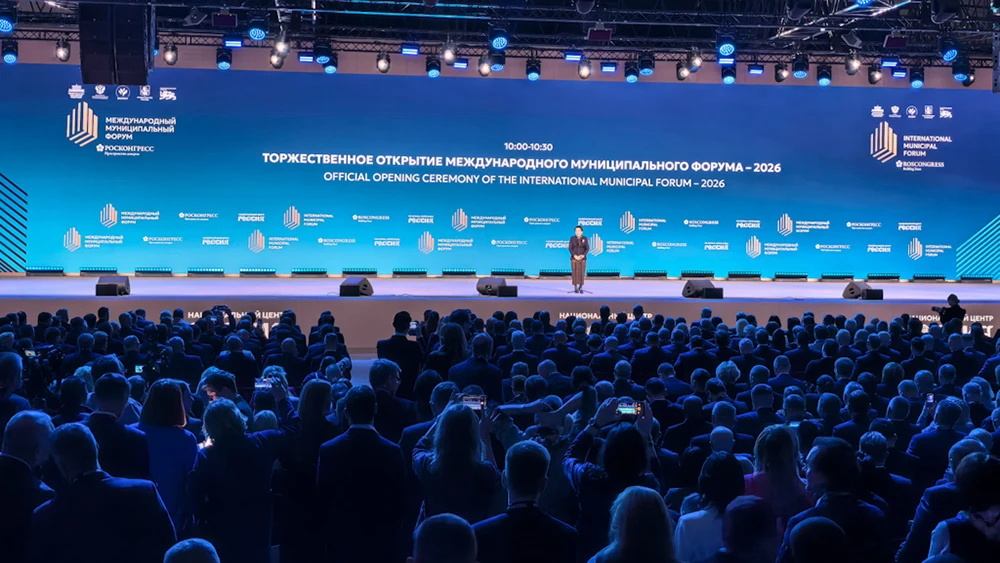


Sustainable urban development after 2030 discussed at the National Centre RUSSIA
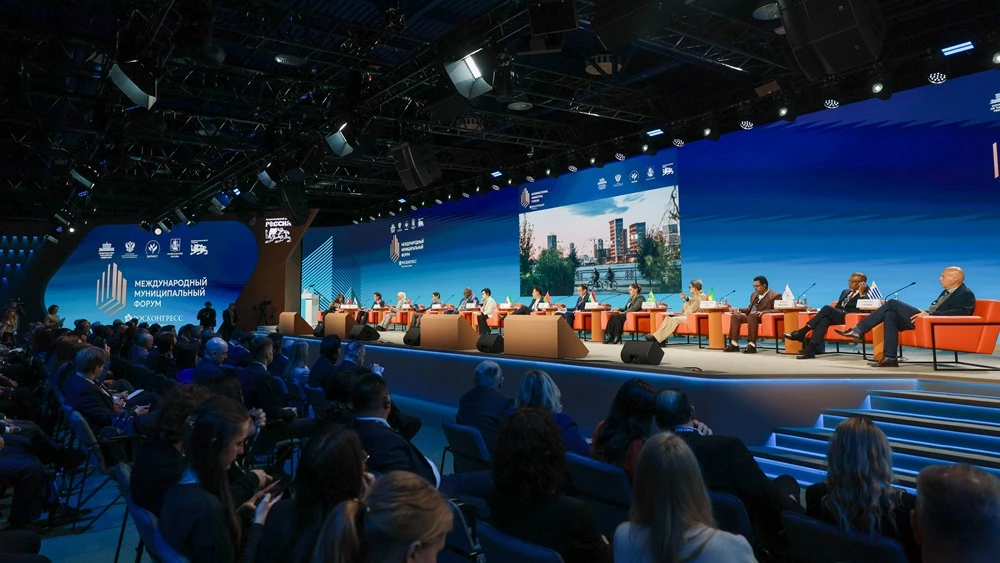
The year 2030 marks the end of the implementation period for the Sustainable Development Goals (SDGs), the key international initiative that sets long-term priorities for the future of humanity. The progress made so far, the new challenges on the way to this important milestone and the future development of regions were the focus of the session "The Post-2030 Agenda: A Vision for Cities", held on 23 November at the National Centre RUSSIA as part of the First International Municipal Forum. Participants discussed which objectives on the agenda have already been achieved and need to be reconsidered, and which require even greater efforts to improve people's quality of life.
The session was moderated by Neila Akrimi, Director of the International Centre for Innovative Local Governance. She noted that it is at the municipal level that global goals are translated into practical action, bringing about tangible changes in people's lives.
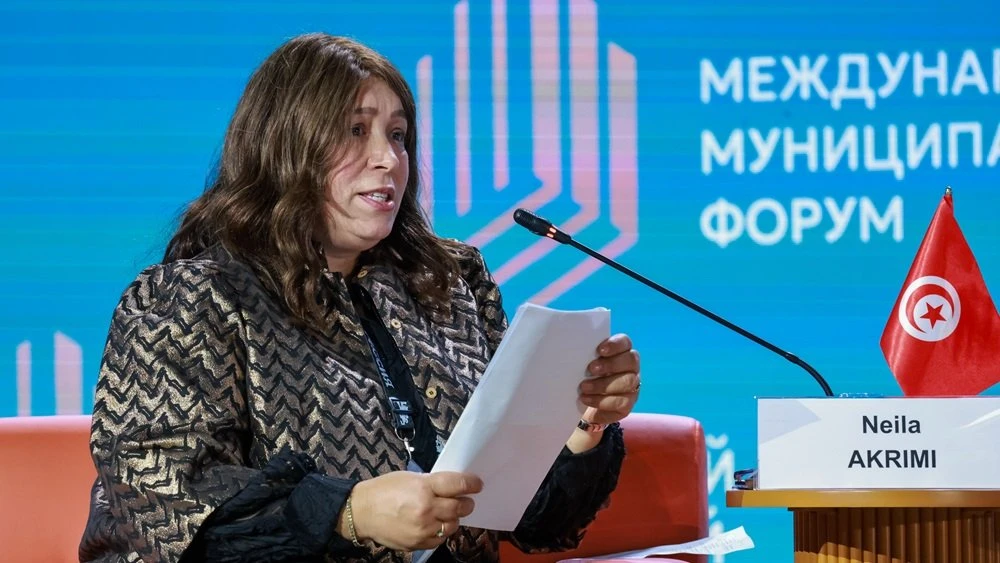
"We have every reason to be proud of what we have achieved — our contribution is truly significant. Our agenda sets out long-term priorities, and leading experts are actively involved in shaping it. After all, it is at the local government level that global goals bring about tangible changes in people's lives. These include basic services, urban infrastructure, education, childcare and the preservation of communities' legacy — all key elements and foundations of today's local agenda. Now it is time to consider what steps we can take to shape the future," Neila Akrimi said, inviting participants to share their views.
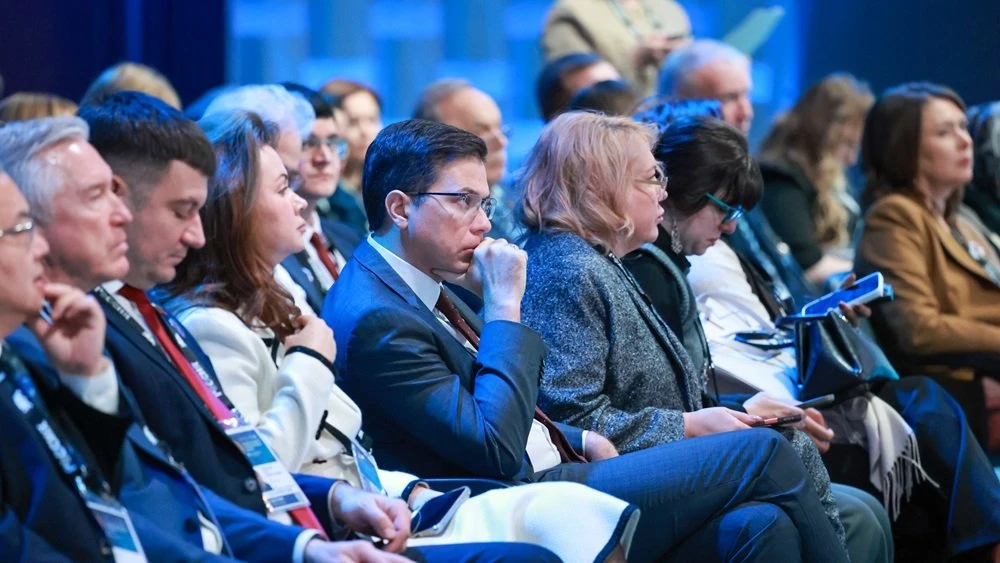
Particular attention during the session was given to culture, the family, the principle of care and continuity between generations. Participants discussed which aspects are insufficiently reflected in the current SDG framework and deserve greater attention, whether culture should become a standalone goal within the initiative, and whether care for people could serve as a cross-cutting principle of the Post-2030 Sustainable Development Agenda.
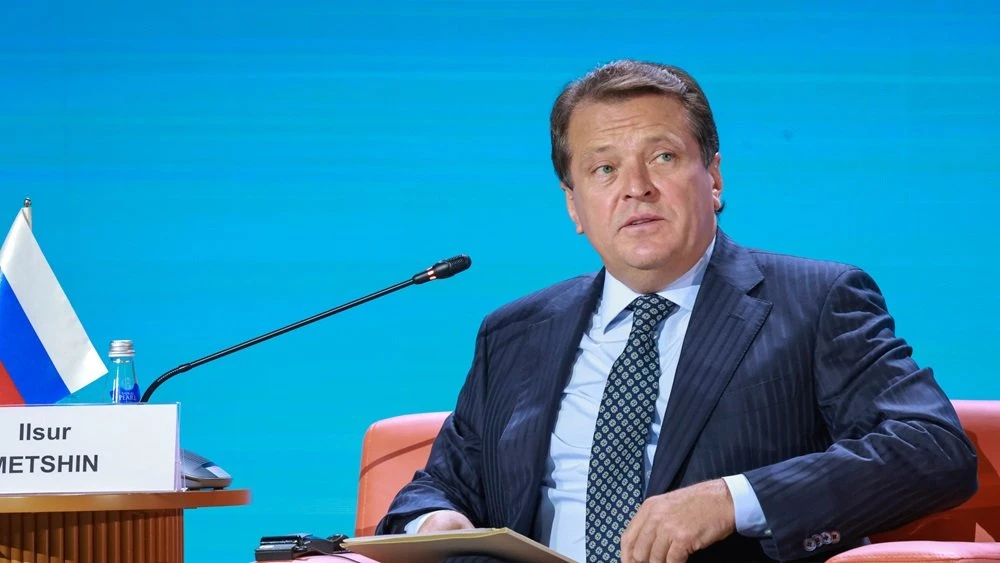
"Culture has already been recognised as a standalone goal within the Agenda. This reflects a deeper understanding that people's needs and their very concept of well-being are changing. Today, people need more than just housing and food: they also need opportunities for education, leisure, travel and freedom of movement. Creative fulfillment and full participation in the digital community are becoming integral to quality of life and are creating new demands for urban development. That is why the effectiveness of urban development is increasingly measured not only by economic indicators and the amount of infrastructure built, but also by how well a city responds to the needs of its residents. This is also why the idea of a 'city of care' is gaining ground — a city where people are not merely recipients of municipal services, but the central value and guiding principle behind all transformation," said Ilsur Metshin, Mayor of Kazan.
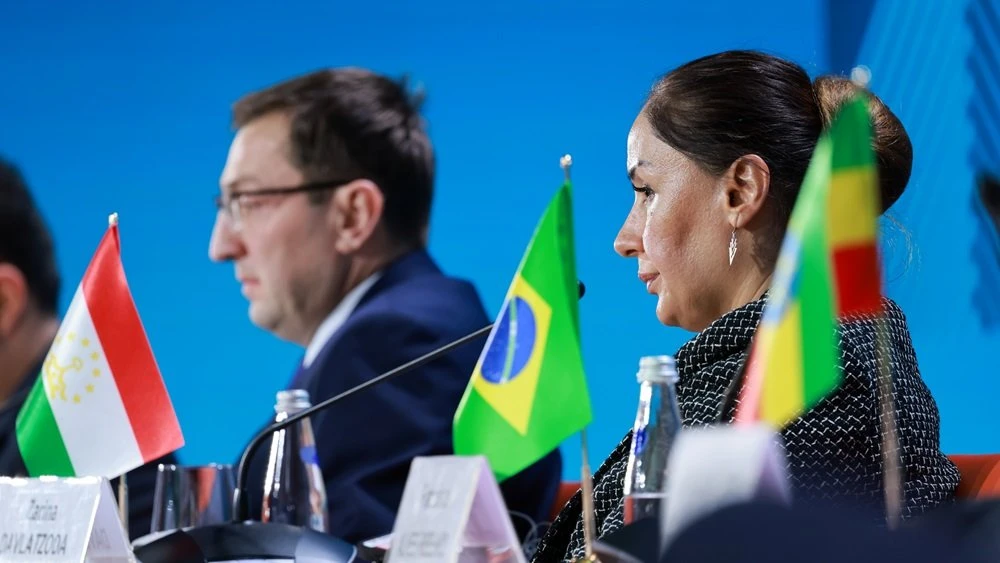
Askar Almaz uulu, Deputy Chairman of the Bishkek City Kenesh (Kyrgyzstan), noted that in an era of global instability, when the old system is weakening and a new one has yet to take shape, cities are taking on the practical work. Unlike states, he said, cities do not engage in politics or wage wars against one another. This makes the municipal level a key platform for "quiet" diplomacy, which is proving more effective than many official mechanisms.
"Countries report on the implementation of the goals at the international level, but around two-thirds of these goals are achieved not by ministries. They are achieved in cities, in courtyards, at schools and at bus stops. A small town cannot prepare such a report on its own: it lacks the specialists, funding and experience. Together, however, it becomes possible. For example, Bishkek is also preparing its own review, but a capital city does not represent the whole country, so our main document is a joint one. Most importantly, a country cannot develop if its capital races ahead while its regions remain where they are," Askar Almaz uulu explained.
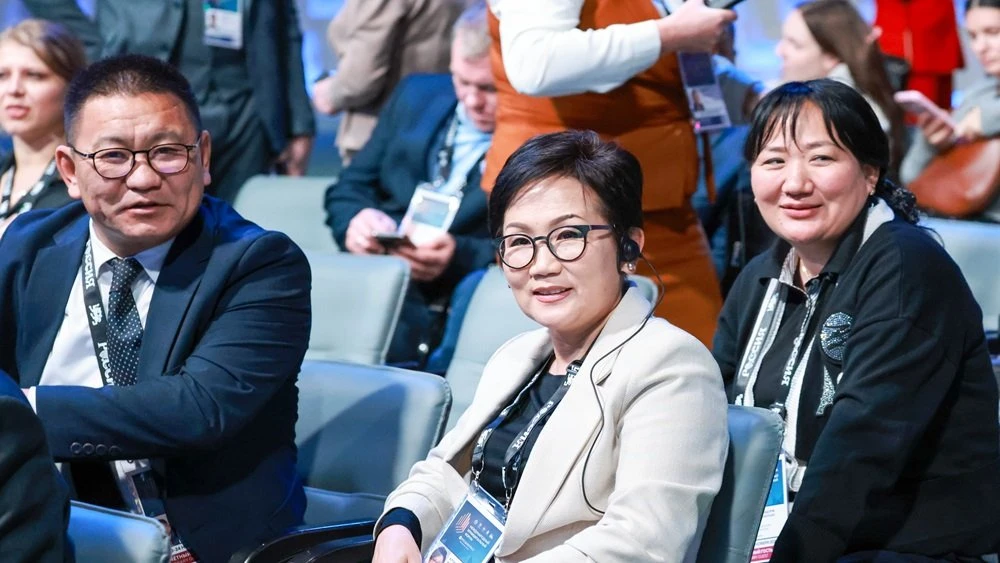
Yanjmaa Altangerel, Chairwoman of the Citizens' Representatives Khural of Darkhan-Uul (Mongolia), pointed out that humanity is entering a new stage of technological development, with artificial intelligence becoming one of the key drivers of change. She said that Mongolia has already established basic digital infrastructure and is now moving towards systematic improvements. The aim is for technology to expand people's capabilities rather than replace them, while relying on robust legal safeguards for data protection.
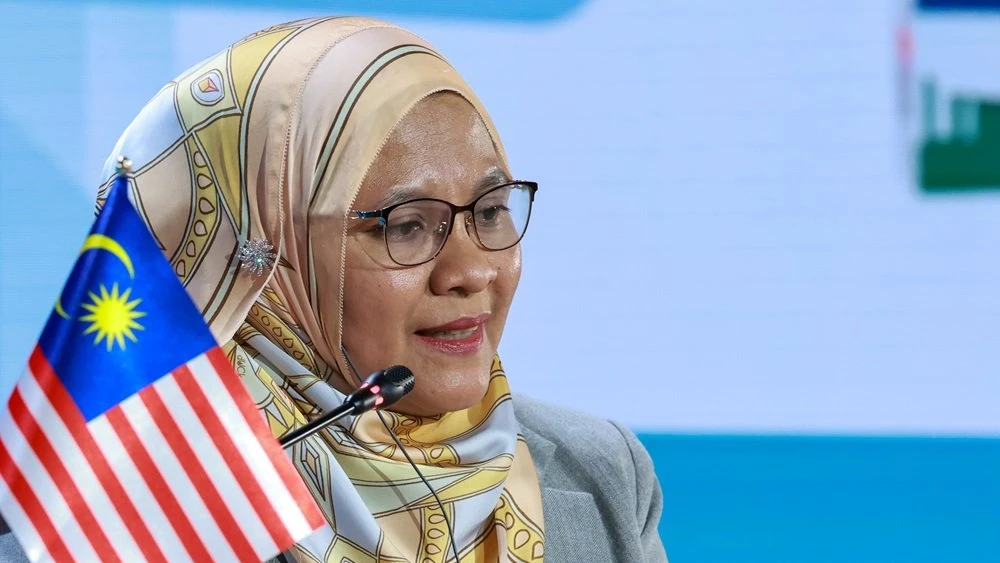
"Artificial intelligence is an essential tool for achieving the Sustainable Development Goals. It can help bridge the digital divide and ensure that all citizens have equal access to public services, and its influence is bound to grow in the future. We are therefore moving from individual pilot projects towards creating a single, integrated system. More than 70,000 people in the country already pay their electricity, water, heating and waste collection bills online, make medical appointments, and submit requests and complaints through the Khural system. In this way, artificial intelligence is making a tangible contribution to regional governance across the main areas of sustainable development. Most importantly, it must expand people's capabilities, not replace them. A unified system for the long-term regulation of the consequences of using artificial intelligence has yet to be established, so it is crucial to address this in the new agenda," Yanjmaa Altangerel said.
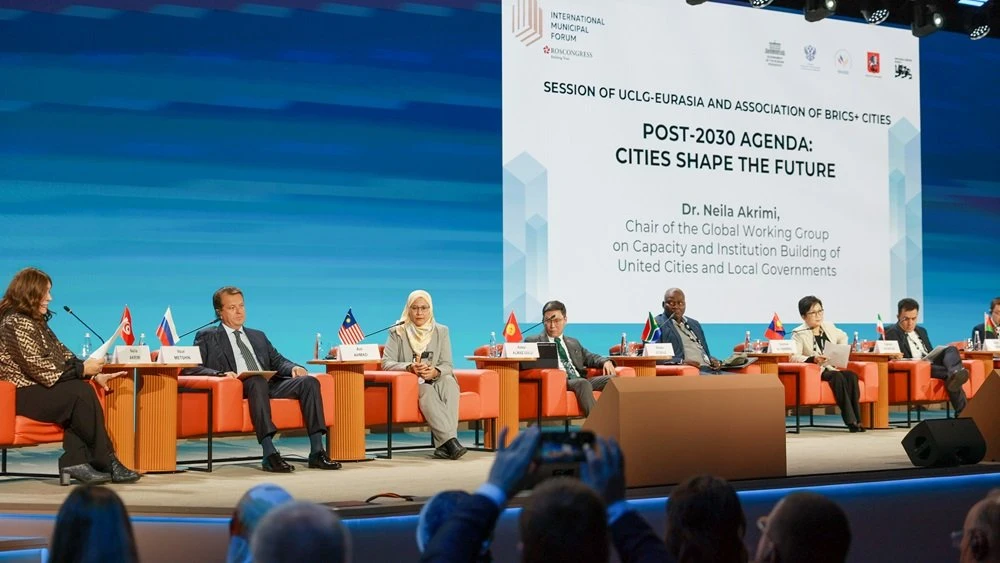
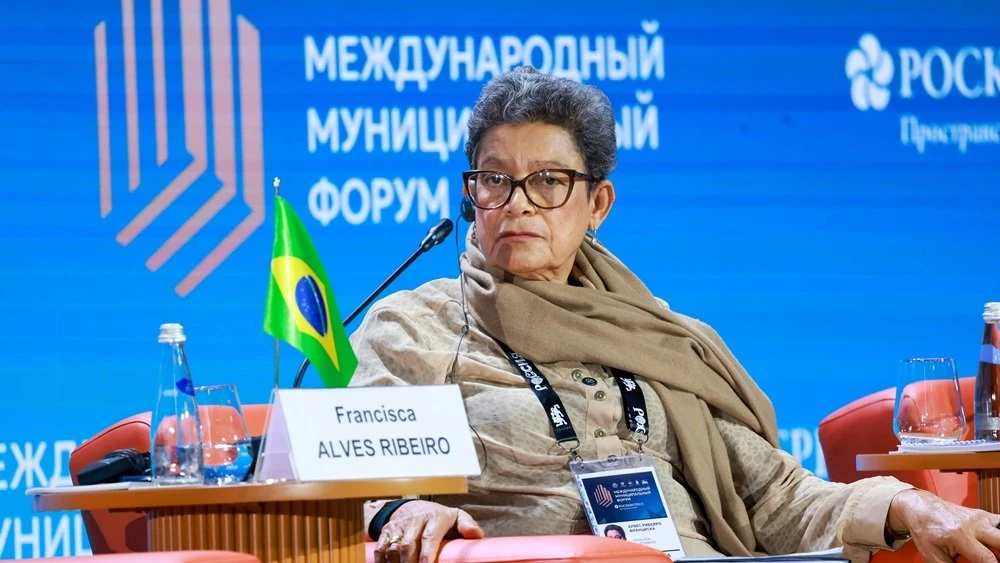
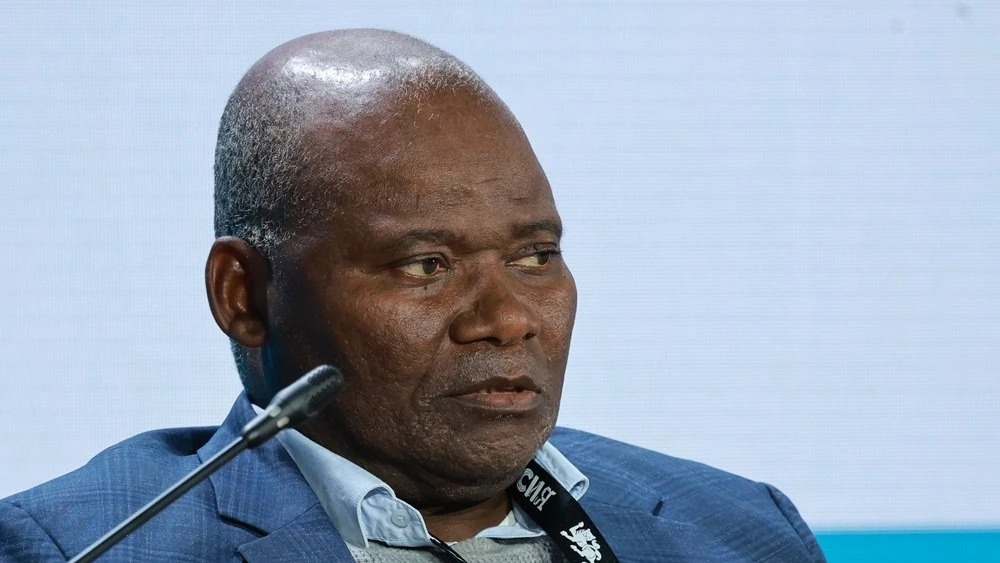
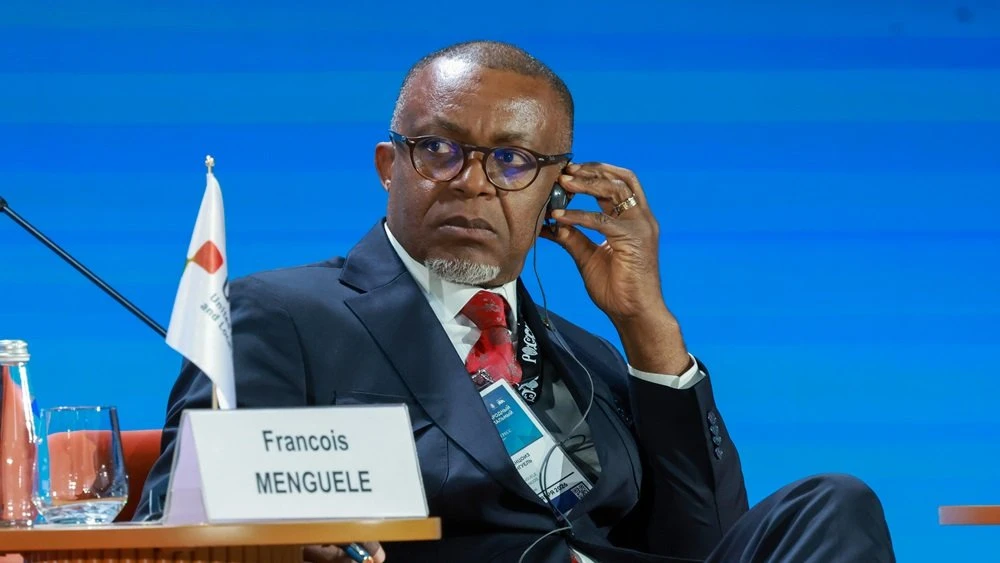
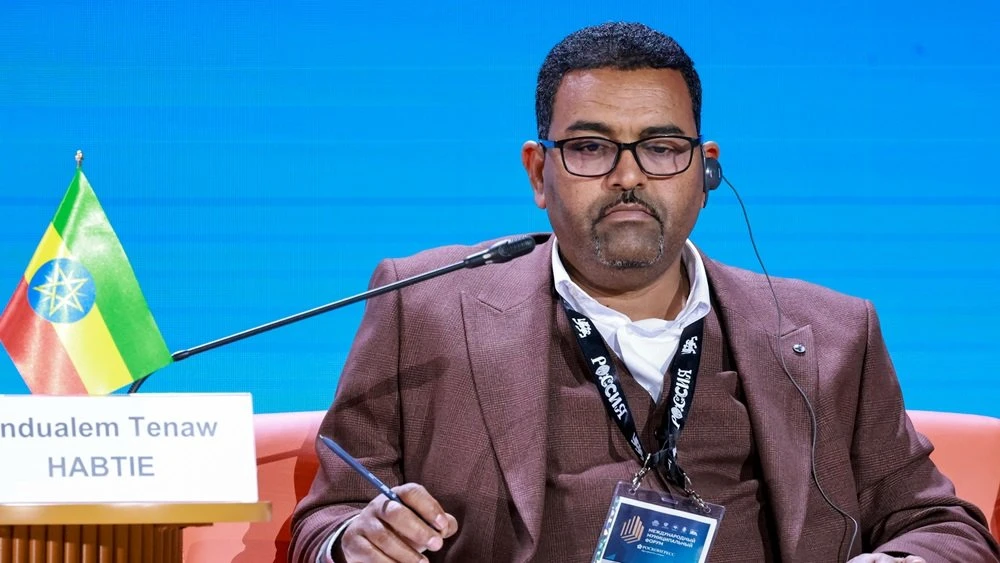
The discussion also featured Ani Ahmad, President of the Sepang Municipal Council (Malaysia); Bheki Stofile, President of the South African Local Government Association; Yagub Khushyar, Mayor of Tabriz (Iran); Francisca Alves Ribeiro, Mayor of Carinhanha (Brazil); Andualem Tenaw Habti, Director General of the Ethiopian Cities Association; Francisco Legnani, Mayor of Canelones (Uruguay); and other speakers.
The First International Municipal Forum opened on 23 November at the National Centre RUSSIA, bringing together representatives of government bodies and local authorities, leaders of the urban development industry and experts from all regions of Russia, as well as 46 foreign countries. The two-day business programme features more than 30 events organised across five thematic tracks: "Economy and Innovation", "Sustainable Municipal Development", "International Relations", "Human Resources" and "Youth Initiatives". The Forum's main event will be the plenary session "Sustainable Urban Transformation: Responding to Global Challenges".
The International Municipal Forum is held annually in accordance with the Presidential Decree №997 "On the International Municipal Forum" dated 29 December 2025. It aims to strengthen business relations between representatives of regional and municipal authorities and entrepreneurs from Russia and other countries. The event is organised by the Roscongress Foundation with the support of the Government of the Russian Federation, the Ministry of Foreign Affairs of Russia, the Ministry of Economic Development, the Federation Council of the Federal Assembly of the Russian Federation, the Presidential Executive Office, the Moscow Government and the All-Russian Association for the Development of Local Self-Government (VARMSU). The Moscow Government is the Forum's general partner.
Event photobank
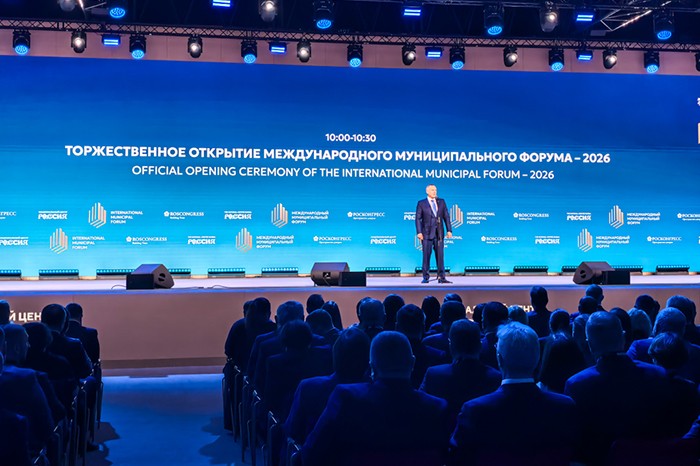

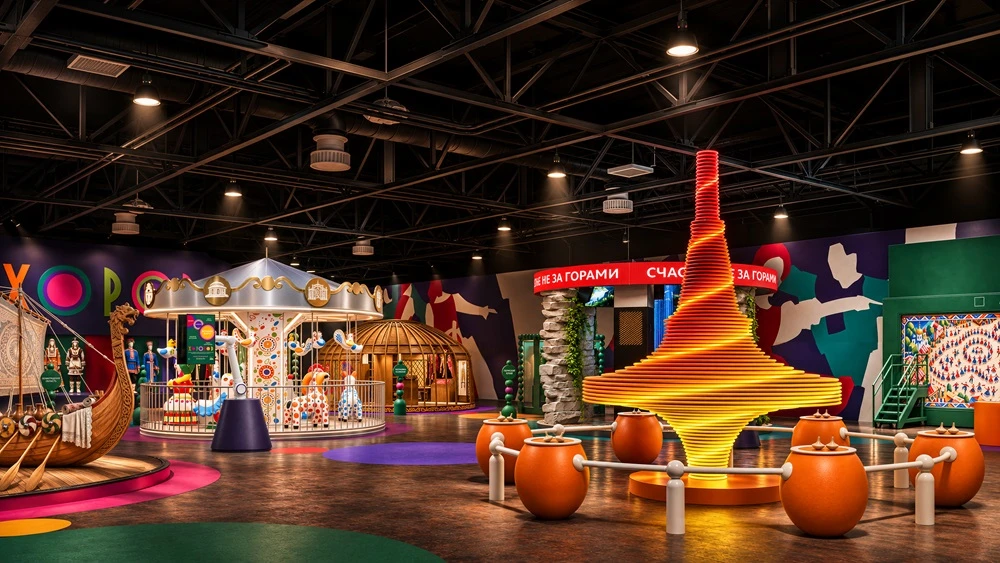
As part of the Year of Unity of the Peoples of Russia, the National Centre RUSSIA is continuing its series of original events entitled "Khorovod" ("Round Dance").
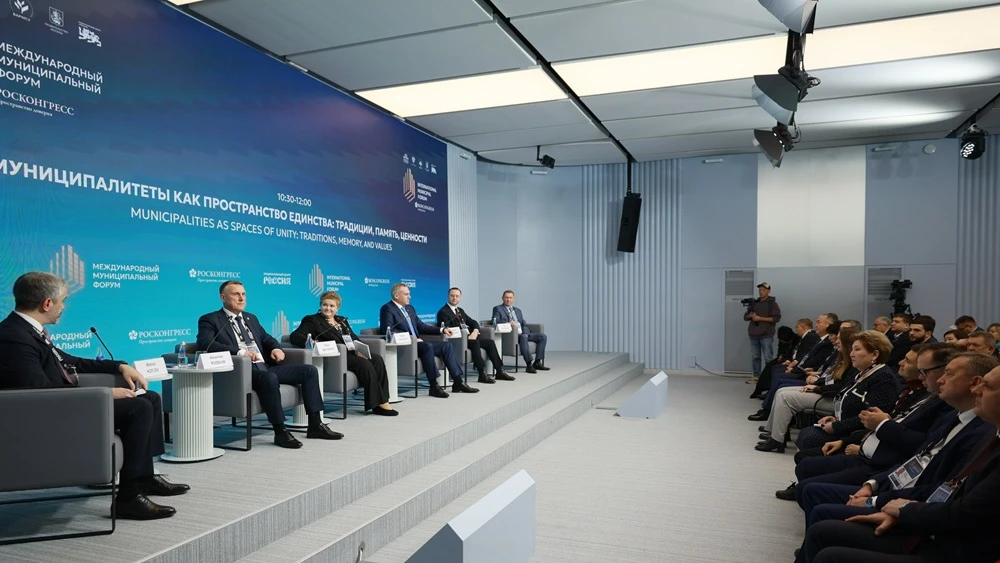
Municipalities are becoming places where national identity takes on tangible meaning and is passed down to future generations.