

Investments in connectivity: Open Dialogue essayists propose solutions for a multipolar digital world
The second day of the Open Dialogue "The Future of the
World. A New Platform for Global Growth" on 28 April was dedicated to
public discussions of ideas proposed by essayists from various countries across
four areas: investments in human capital, connectivity, technology, and
environment. Four semi-finalists presented in the "Investments in Connectivity" vector: Ivan Shumilov (Russia), Francisco Tuñez (Argentina),
Andrés Giussepe (Venezuela), and Solomon Gardie (Ethiopia).
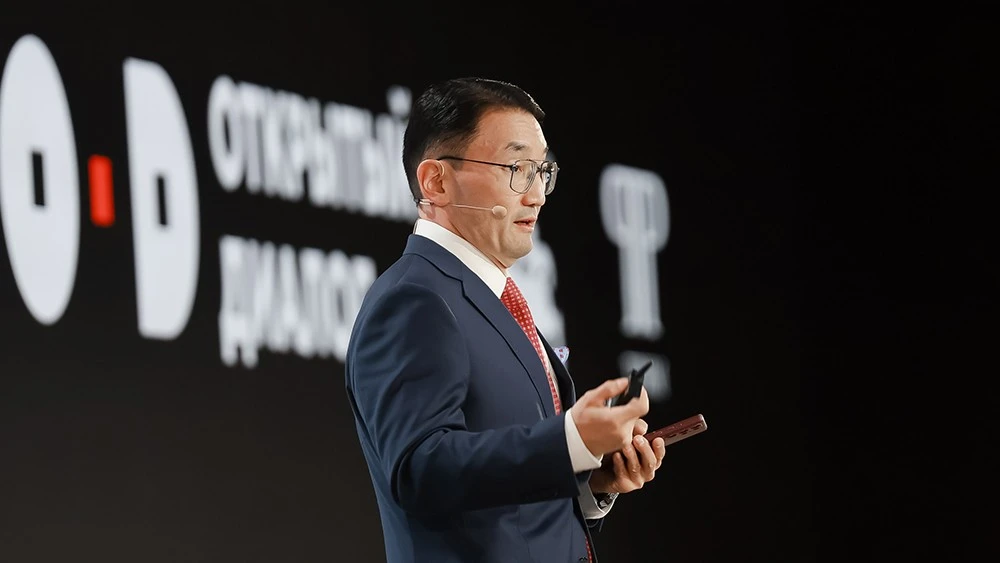
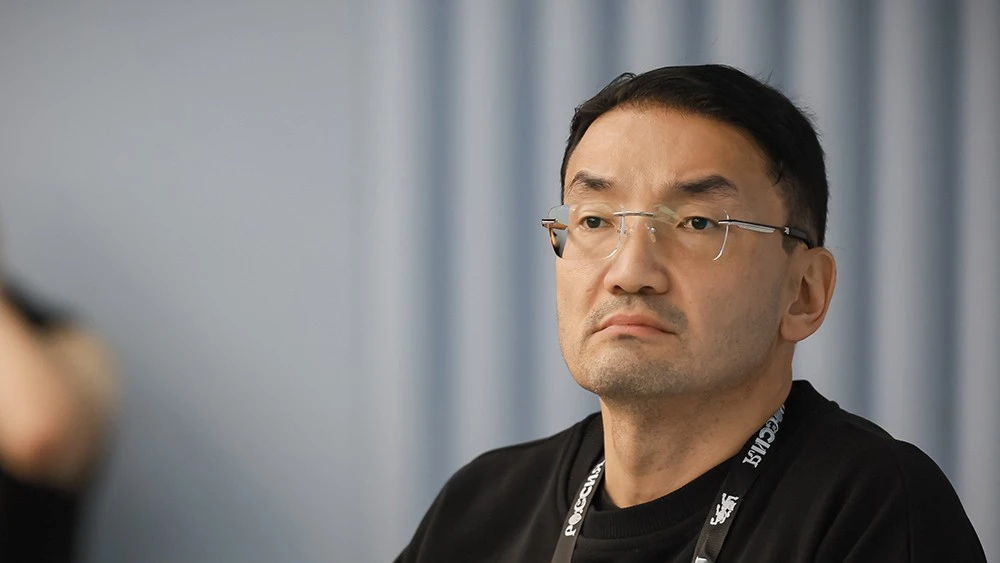
The economist at the TALAP Centre for Applied Research
(Kazakhstan), Rakhim Oshakbayev, served as an expert and jury member. He
admitted that many of his colleagues' essays were imbued with "starry-eyed
optimism" and a belief in universal unity; however, he pointed out several
pain points in this area.
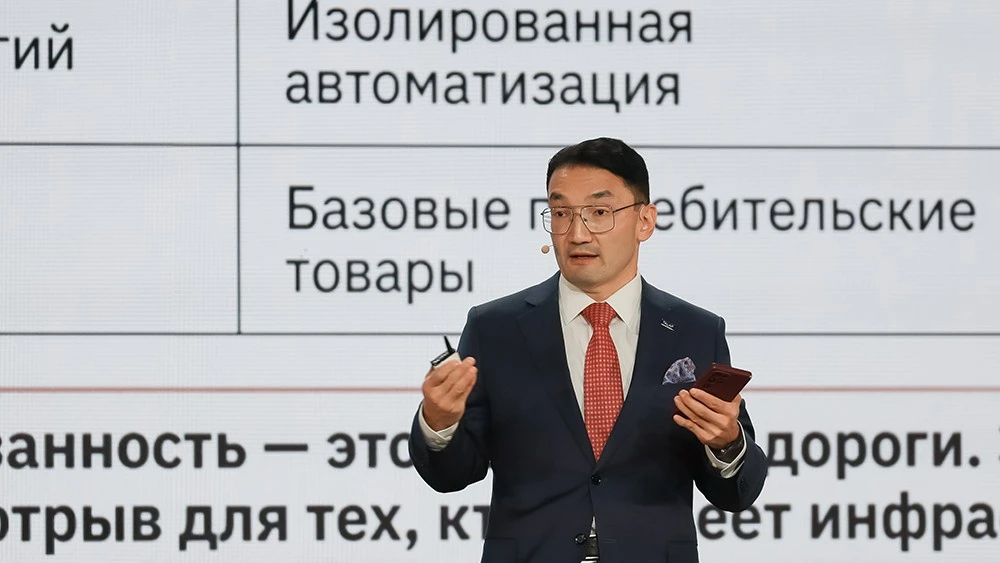
"When we invest in connectivity, we must first look at
its resilience: whether it can withstand the blows that are undoubtedly already
being dealt and will continue to be dealt. Therefore, the main rule of survival
is the availability of an alternative, not efficiency. We must adhere to an
'armour architecture' that includes four main aspects: self-sufficiency of
infrastructure connectivity, digital sovereignty, secure transactions, as well
as redundancy and overcapacity," noted Rakhim Oshakbayev.
Drawing on the experience of one of his former teachers, as
well as his personal journey from working in the public sector to studying
blockchain, the semi-finalist of the II Open Dialogue for the "Investments
in Connectivity" vector, PhD in Global Histories and co-founder of NetX
Gen, Francisco Tuñez, stated that the mental superiority of humans lies in
imagination. According to the speaker, it is imagination that is sufficient to
envision a planet with an abundance of resources and technology, and then to
bring these visions to life.
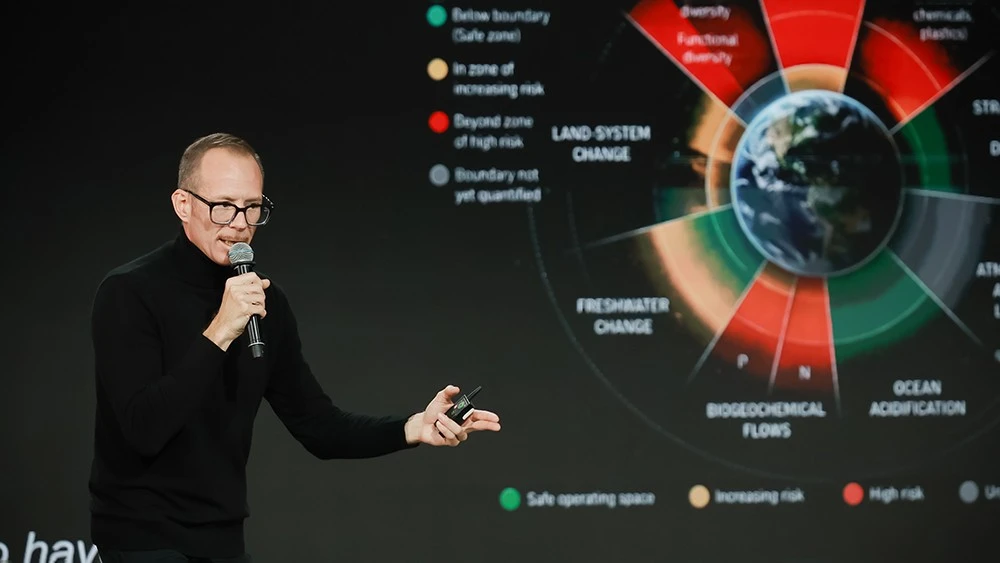
"My idea of regeneration is not a hippie idea. It is
both critical infrastructure and human innovation at the same time. Any problem
is already part of the solution, as our mental system has great capabilities,
and first and foremost, it is our imagination. We make images act. And if they
are powerful enough, they will help us create what we want to have in
reality," Francisco Tuñez is convinced.
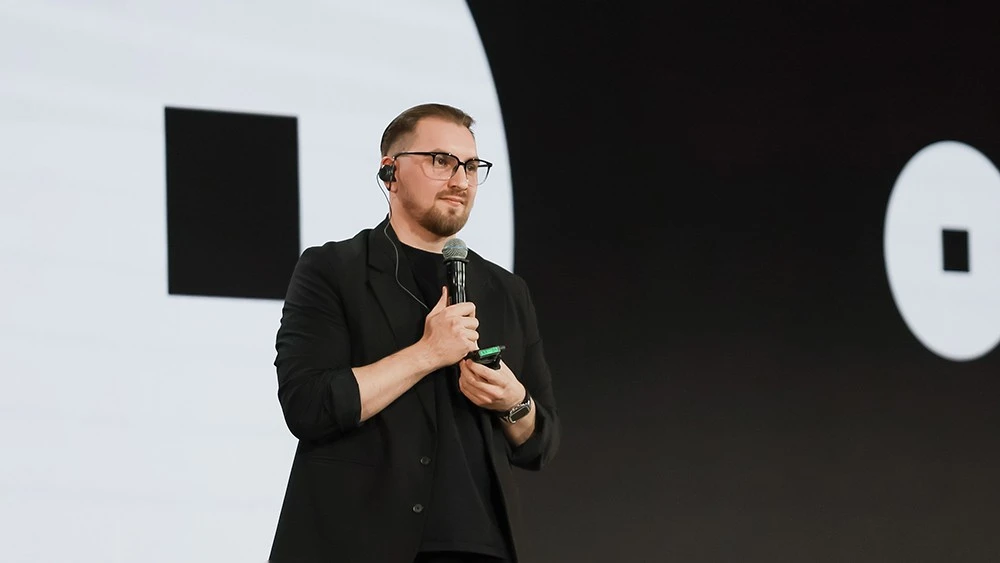
Semi-finalist of the II Open Dialogue for the
"Investments in Connectivity" vector and director and founder of ABV,
Ivan Shumilov, told colleagues how a personal catastrophe — when he lost 90% of
all his resources — led him to create the concept of a decentralised internet:
a digital infrastructure of trust and connectivity.
"I want every person in the world to have the
opportunity to develop globally and not depend on the manipulations of global
platforms and hegemonic countries. Look at what is happening to the internet
today. Four global companies control 70% of global traffic. 85% of all data is
controlled by tech giants, and they do not want to let it go easily. Therefore,
they create a pseudo-architecture, supposedly decentralised, but still tied to
a centre that controls data and liquidity. I propose a decentralised internet
from a multipolar world. In each country, communities create IT ecosystems,
data is verified there, and the software code executes the rules. This forms a
national alpha-node, and countries gain an efficiency increase of 3 to 5
times," explained Ivan Shumilov.
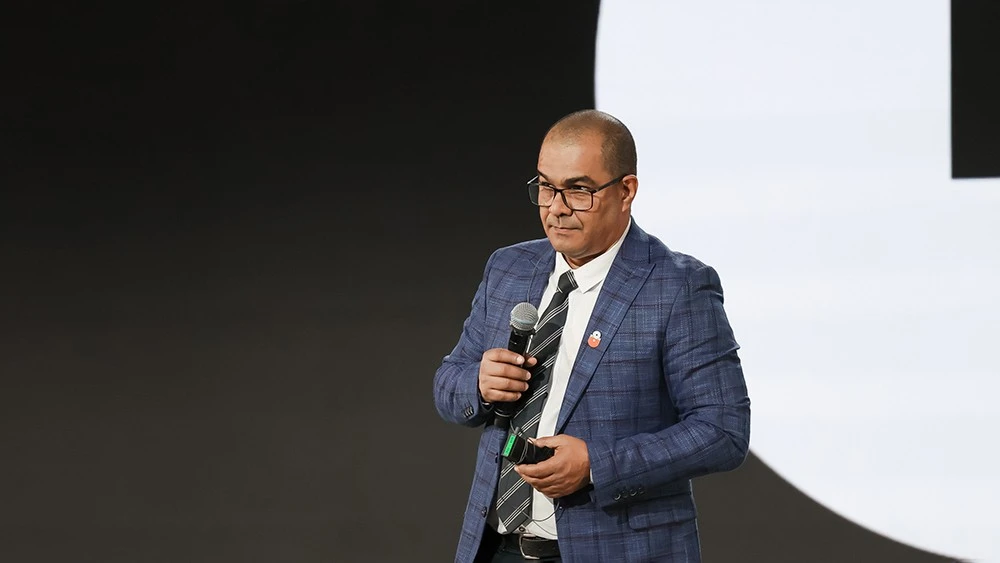
Only ten countries on the planet exist where more than 50%
of income is distributed in favour of workers, and the BRICS countries can and
should change this, said semi-finalist of the II Open Dialogue for the
"Investments in Connectivity" vector and economist at Poli-data.com,
Andrés Giussepe. According to him, it is fair distribution that is the basis of
any country's sovereignty.
"Currently, sanctions can be imposed on you, or you can
be blocked if you are already a successful economy, and this brings risks. Let
us begin the transition to a different system. Our model is: 60% economic
sovereignty and 40% systemic well-being. The target for each country is to
achieve a fifty per cent income distribution in favour of workers,"
proposed Andrés Giussepe.
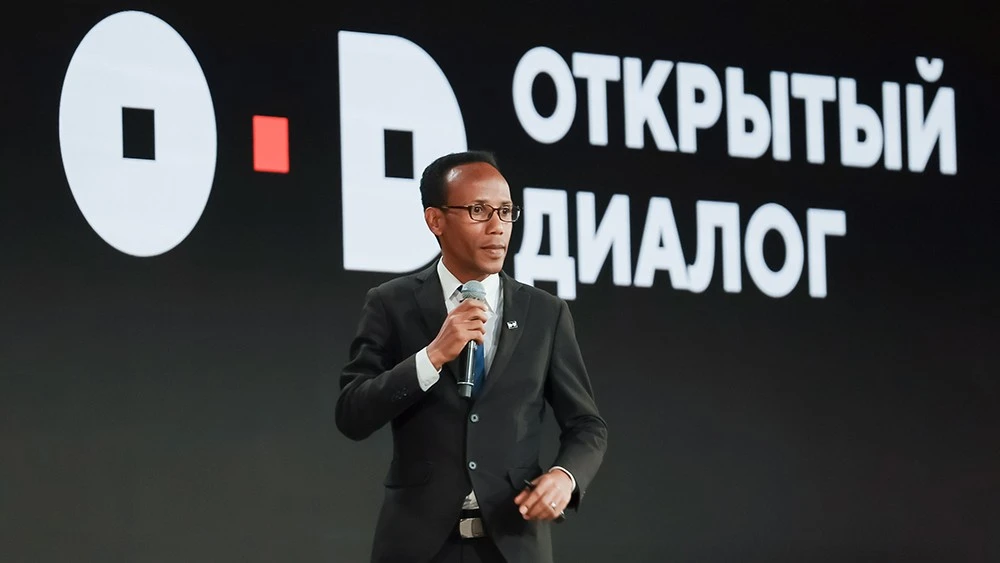
The winner in the "Investments in Connectivity"
category was Solomon Gardie, a postgraduate student at Addis Ababa University.
In his seven-minute presentation, he called digital data "the gold of our
time" and outlined a new challenge facing the countries of the Global
South today. According to him, data generated on their territory is processed
outside of it, and countries do not receive a fair share of this resource. The
speaker called the current system "extractive" and proposed the
concept of "sovereign data mobility" within BRICS.
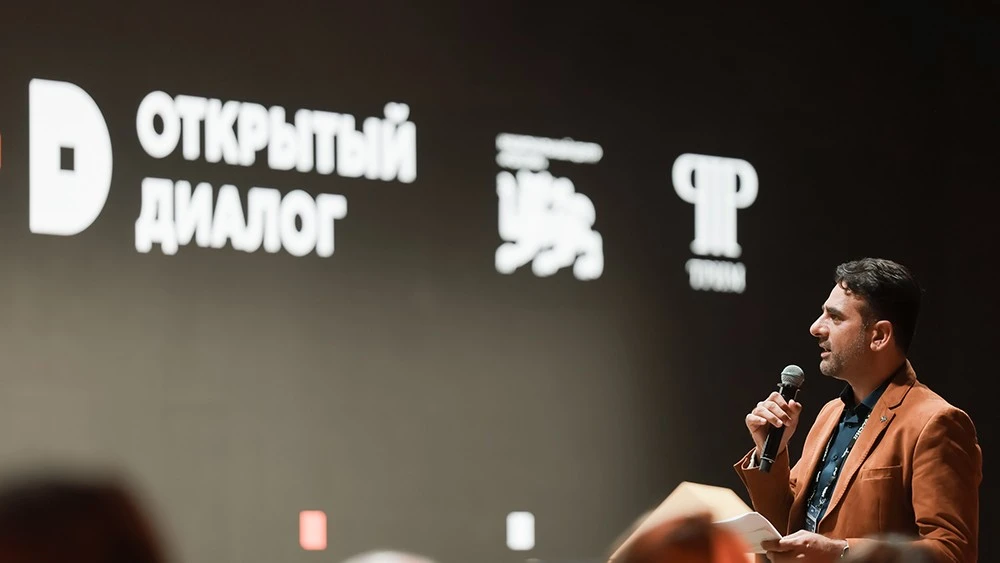
"Data is our resource, just like oil or gold in the
past. It is the new gold of our time. The data of Global South countries,
including Ethiopia, China, and Russia, is data taken from our computers and our
networks. But it is not processed here. It is unstructured data, and we do not
get a fair share of what we are entitled to claim. I propose a solution which
lies in sovereign data mobility. We create data corridors that ensure data
processing without its transfer. That is, local data is extracted and then
safely processed within the country itself. And to manage all of this, I
propose creating a data mobility working group within BRICS," said Solomon
Gardie.
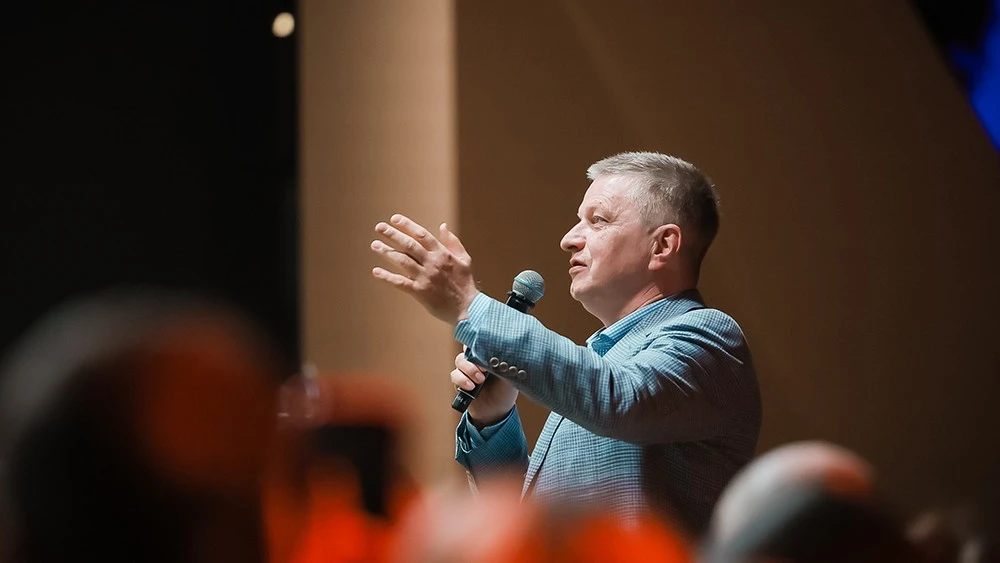
The Open Dialogue "The Future of the World. A New
Platform for Global Growth" is an annual international event initiated by
the National Centre RUSSIA in partnership with the Centre for Cross-Industry
Expertise "Third Rome" and with the support of the Presidential
Executive Office of the Russian Federation. This year, for participation in the
II Open Dialogue, authors from 98 countries submitted 1,638 essays on topical
issues: the impact of artificial intelligence on humans and the future of
professions, demographic challenges, institutional crisis, digital equality,
migration issues, and the accessibility of education.
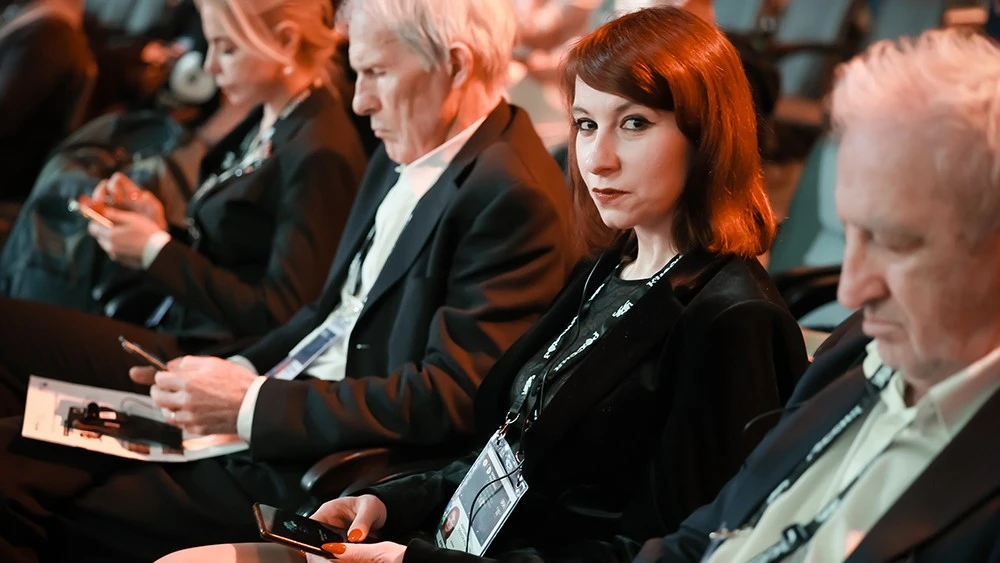
On 29 April, participants can expect the summary of the II
Open Dialogue results. Maxim Oreshkin, Deputy Chief of Staff of the
Presidential Executive Office and Deputy Chairman of the National Centre RUSSIA
Organising Committee, will hold an informal meeting with young people, followed
by a final epilogue session where the main conclusions and directions for
further work will be formulated.
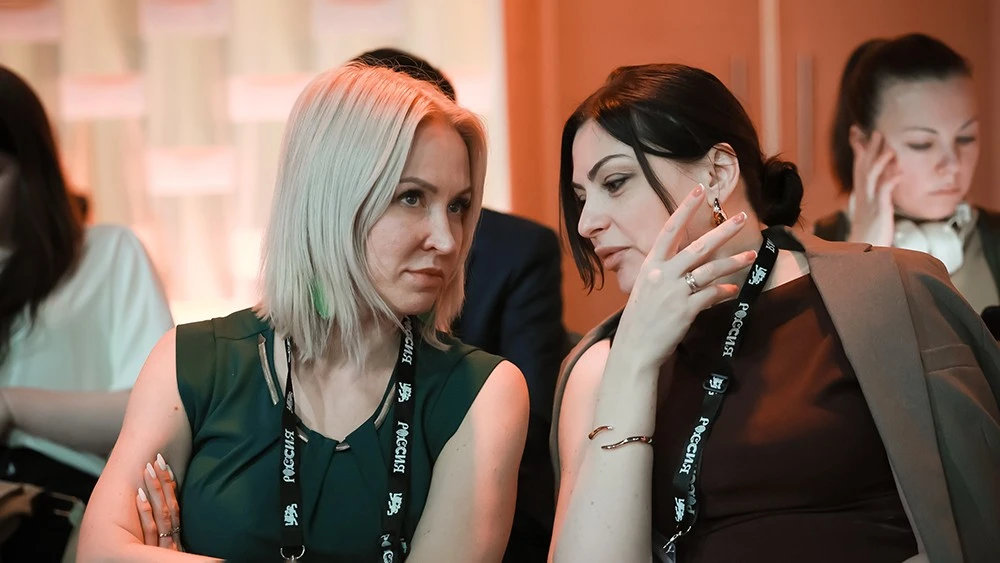
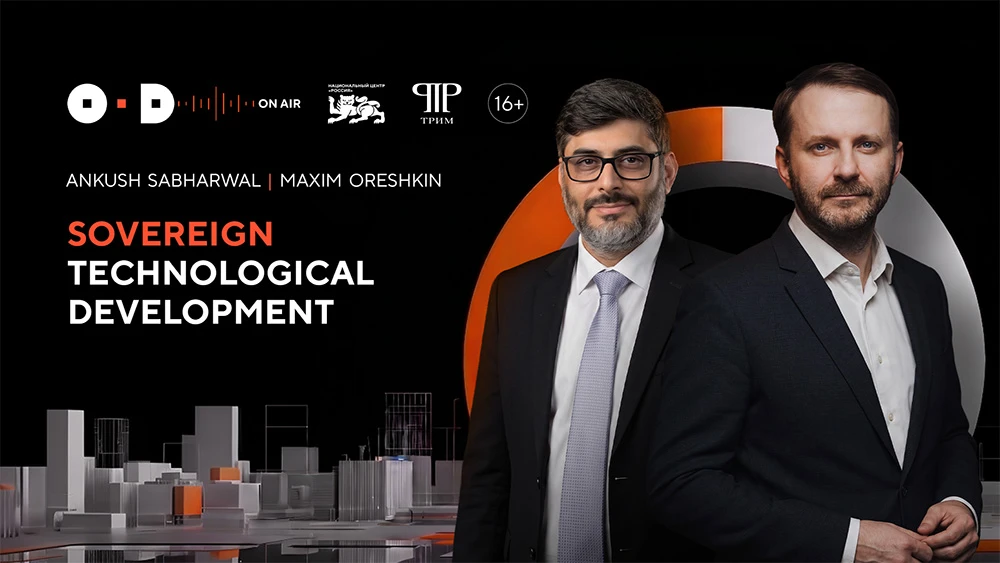
The new episode of the National Centre RUSSIA Open Dialogue podcast explores key questions of the digital age: who owns AI and data.

The new episode of the National Centre RUSSIA Open Dialogue podcast begins with the idea that artificial intelligence is no longer merely a digital tool.