


Music as the voice of nature: Olena UUTai on the power of the "Khorovod" at the National Centre RUSSIA
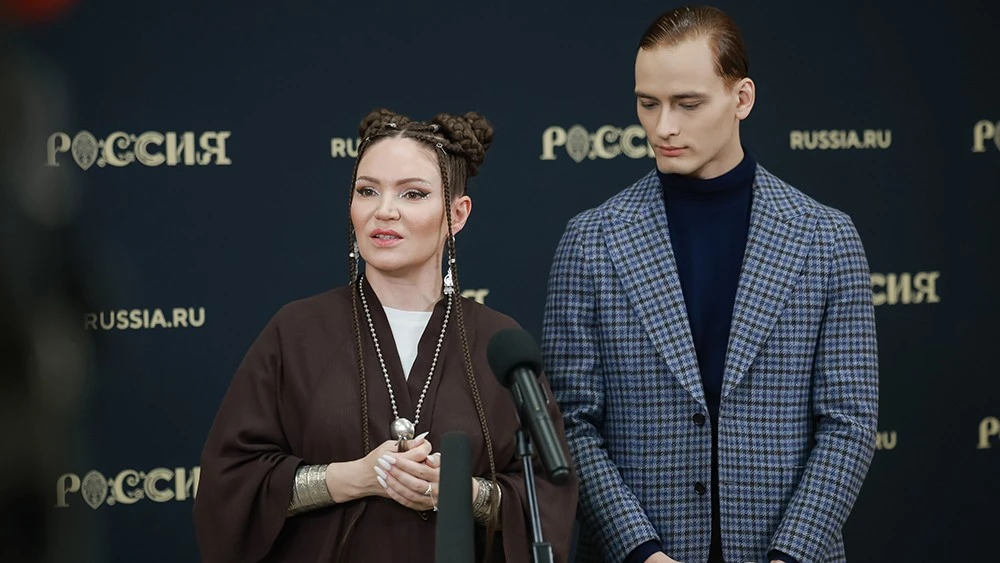
Music is capable of becoming the voice of nature and
connecting ancient traditions with modern art. This idea was embodied in the
"Nature of Russia" performance within the musical and choreographic
parable "Khorovod", which premiered at the National Centre RUSSIA.
Olena UUTai, a world-renowned ethnomusician, vargan (jaw harp) virtuoso, master
of throat singing, and bearer of the culture of Russia's northern peoples,
shared how an ancient instrument becomes a key to new meanings.
In the "Nature of Russia" section, the audience
was presented with a performance created by the National Centre RUSSIA
specifically for this project. It combined the modern choreography of Ildar
Gainutdinov, an international competition laureate and guest soloist of the
Bolshoi Theatre, with the unique sound of the khomus (jaw harp) performed by Olena
UUTai.
"The khomus is an ancient musical instrument. One might
think it is only organic on its own and would not blend with other forms. But
we were wrong: this instrument turned out to be a key that opens incredible
worlds in which we unite," the ethnomusician noted.
According to her, even at the first rehearsal with Ildar
Gainutdinov, it became clear what powerful synergy is born from the combination
of ancient dance codes and modern ballet.
"In 'Khorovod', such energy began to swirl that it gave
me goosebumps — literally, my hair stood on end. This is the most honest
reaction, an indicator that the action on stage is truly authentic and
powerful," emphasized Olena UUTai.
The khomus (vargan, jaw harp) is considered one of the
oldest musical instruments in the world and is known to almost all peoples of
Eurasia. In Yakutia, the khomus is one of the symbols of the national culture
of the Sakha people. In "Khorovod", its sound became not only an ethnic
touch but also a semantic centre — a bridge between root traditions and modern
stage language.
The musical and choreographic parable "Khorovod"
is a large-scale project of the National Centre RUSSIA, dedicated to one of the
country's most important cultural symbols. Around 300 artists took part in the
premiere; through dance and music — universal languages understood without
translation — the audience was shown the wealth of the cultures of the peoples
of Russia. In a country where hundreds of languages are spoken, it is the
khorovod and the common circle that become the image of unity.
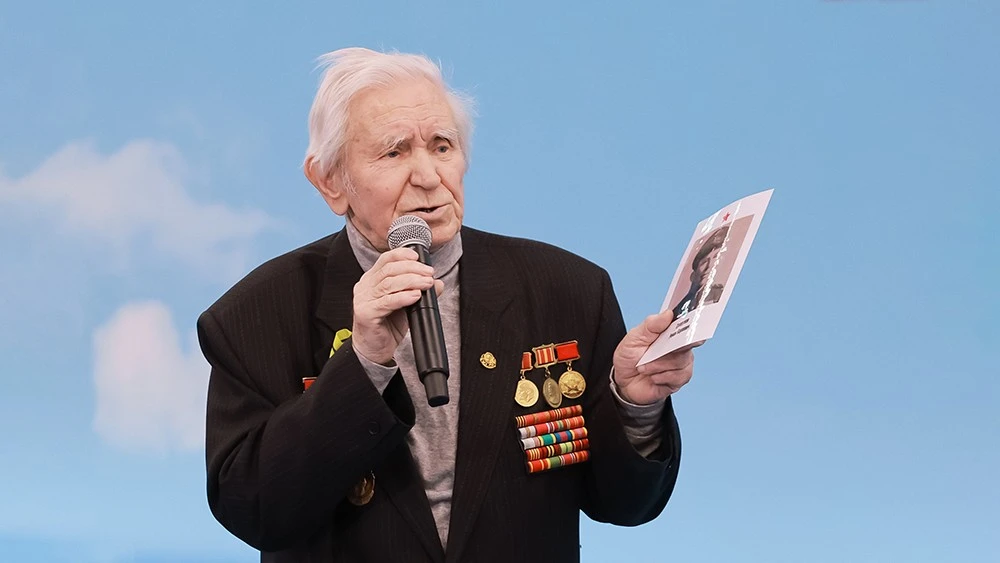
The All-Russian "Memory Wall" campaign, timed to coincide with the 81st anniversary of Victory, has been launched at the National Centre RUSSIA.
Dance is capable of uniting people just like music and words: without translation, immediately at the level of feelings.
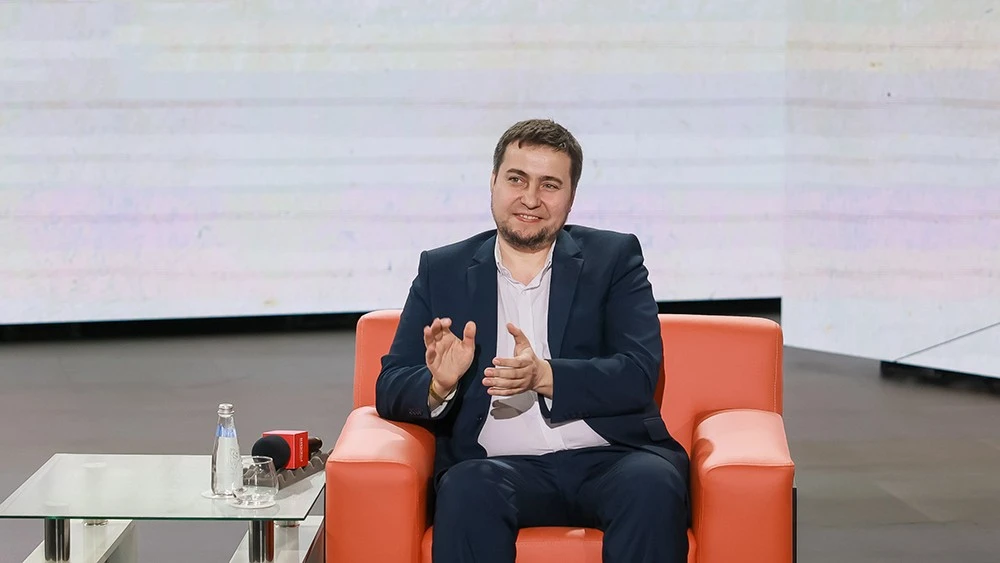
Geographer Alexei Vodorezov told guests at the National Centre RUSSIA why nature in Siberia and Alaska is so similar, and how this affected the dispersal of animals and humans.


