


"The Russian moose is a moose in America too": geographer Alexei Vodorezov on the connection between continents via the Bering Land Bridge

Geographer Alexei Vodorezov told guests at the National
Centre RUSSIA why nature in Siberia and Alaska is so similar, and how this
affected the dispersal of animals and humans. The meeting took place as part of
the new educational project of the National Centre RUSSIA — "Conversations
with Stanislav Drobyshevsky".
According to Alexei Vodorezov, if a resident of the central
part of Russia ever finds themselves in north-eastern Siberia and then moves to
Alaska, they will hardly notice the difference: the same expanses, the same
colours, the same plants and animals, and this is no coincidence.
"Almost all the plants of the taiga, or rather, the
tundra of northern Russia, are also found in North America. And the same
applies to tundra and northern taiga animals. Their moose is the same as our
moose: though the Americans came up with their own name, the giant moose, and
elevated it to the rank of a new species. Why is that? Because it is only now
that Siberia and America are apart, but quite recently, during the last phase
of glaciation, there was a vast land bridge here called Beringia. Living creatures
walked freely across it from Eurasia to America and back," explained
Alexei Vodorezov.
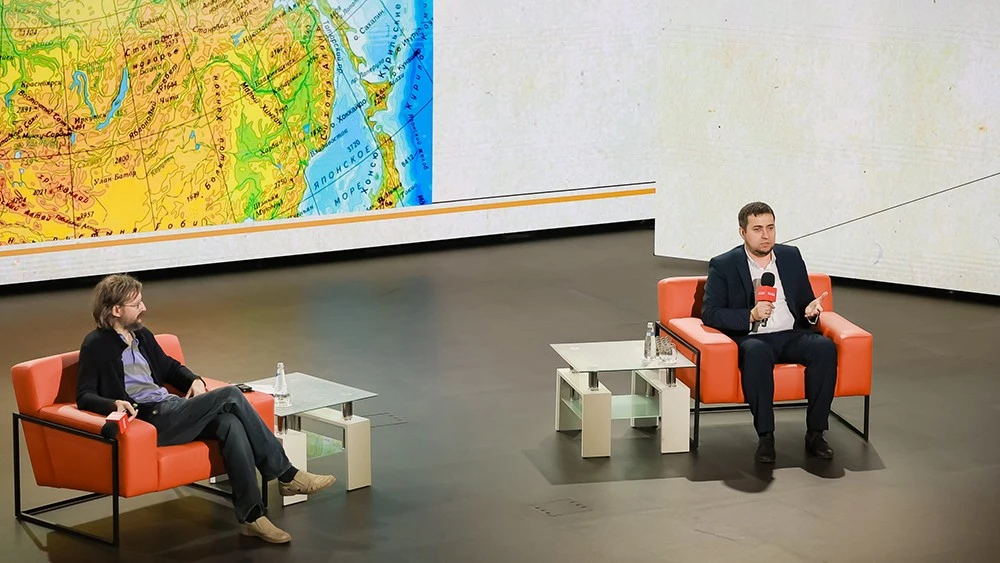
The so-called Bering Land Bridge (Beringia) was located on
the site of the modern-day Bering Strait. Mammoths, moose, and, of course,
humans migrated across the ancient land isthmus, which was exposed during the
last Ice Age. Alexei Vodorezov provided compelling evidence for these
migrations — genetic evidence.
"Near Irkutsk, there are two sites — Malta and Buret.
At the Malta site, the burial of two children was discovered. Research showed
that these children turned out to be relatives, on the one hand, of the
inhabitants of modern Western Siberia — the Khanty, Mansi, Selkups, and Kets —
and on the other, of modern North American Indians. That is, the population living
in the vicinity of Lake Baikal split. One part moved to Western Siberia (by the
way, echoes of these genetics are also found in Europe), while the other went
north-east, crossed the Bering Land Bridge, and became the ancestors of the
Indians, mixing with other groups along the way, of course. And among those
sitting here, there may also be carriers of similar genetic lines," the
expert concluded, reminding everyone that ancient migrations have affected each
of us.
One can participate in the new meetings of the
"Conversations with Stanislav Drobyshevsky" series at the National
Centre RUSSIA free of charge by pre-registering on the russia.ru website. Look
for up-to-date information on event dates in the "Events" section.
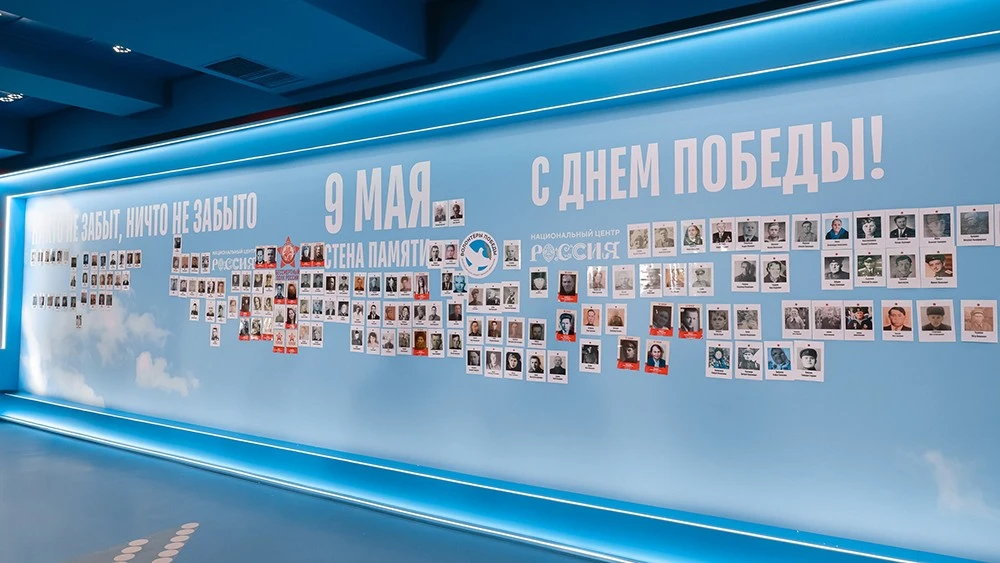
From 1 to 10 May, the National Centre RUSSIA invites you to join the All-Russian campaign "Memory Wall".
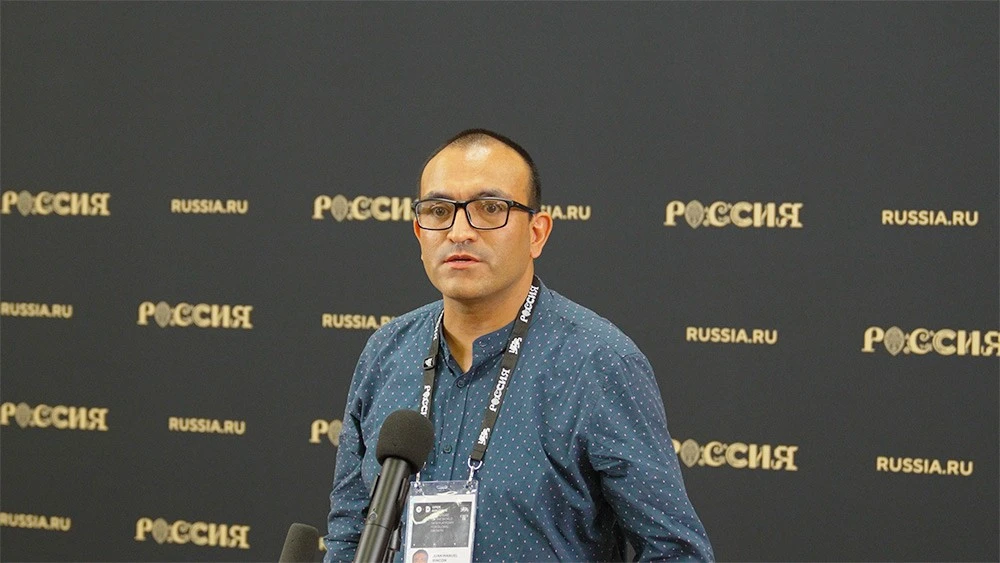
The first performance of the musical and choreographic parable "Khorovod" at the National Centre RUSSIA was attended not only by bearers of Russian culture but also by foreign guests.
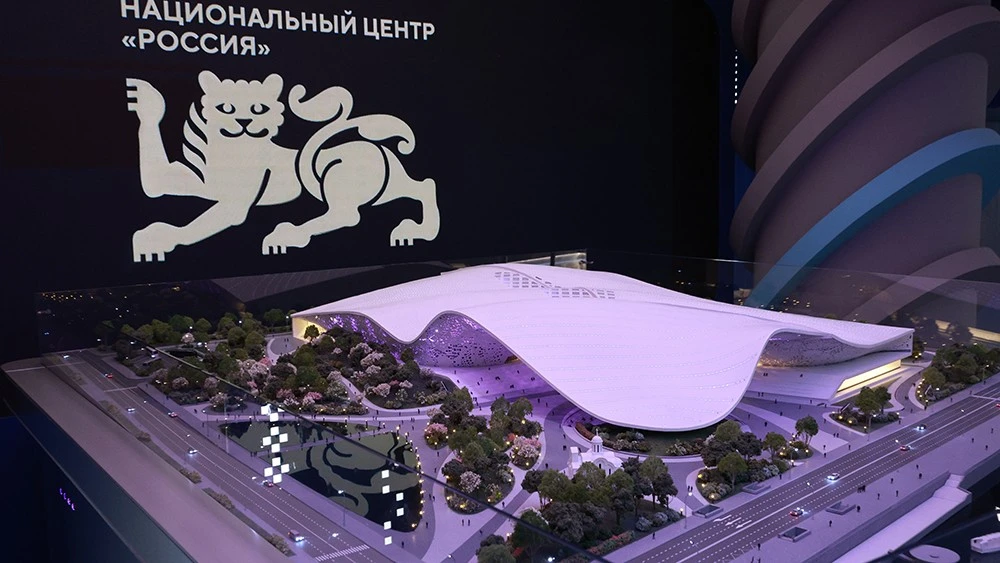
One of the iconic displays — a model of the future building — has taken its place in the Western Foyer of the National Centre RUSSIA.


