


Performance of "The Tale of the Fisherman and the Fish" by the Belarusian State University of Culture and Arts was held at the RUSSIA EXPO

On June 4, as part of the VII International Festival of
Theater Schools of BRICS+ countries, a performance based on Alexander Pushkin's
work "The Tale of the Fisherman and the Fish," prepared by the
Belarusian State University of Culture and Arts, was held.
The festival runs from June 1 to June 8 and features
representatives from theater schools in India, China, South Africa, Russia,
Iran, the United Arab Emirates, and Belarus.
"This year, the International Festival of Theater
Schools of BRICS+ countries is taking place at the RUSSIA EXPO. The festival
showcases not only Russian culture but also Indian, Belarusian, and many other
cultures," said Inna Alekhnina, Head of the Department of Theater Arts at
the Belarusian State University of Culture and Arts.
Actors prepare their own versions of Alexander Pushkin's
"The Tale of the Fisherman and the Fish" in an open format, filled
with national flavor — this will introduce the audience to the cultural
characteristics of the BRICS countries. On June 8, the festival will conclude
with a performance in the format "Let's Play Together!" — actors from
different countries will participate in a joint performance based on the tale,
which will unite the vision of the work in different cultures.
The BRICS International Festival of Theater Schools is
organized by the Institute of Theater Arts named after People's Artist of the
USSR I. D. Kobzon and has been held in Russia since 2017. As a form of public
diplomacy, the initiative aims to foster and develop friendly relations among
the student youth of the BRICS countries and Belarus. The festival is supported
by the Presidential Grants Fund and the Ministry of Foreign Affairs of the
Russian Federation.
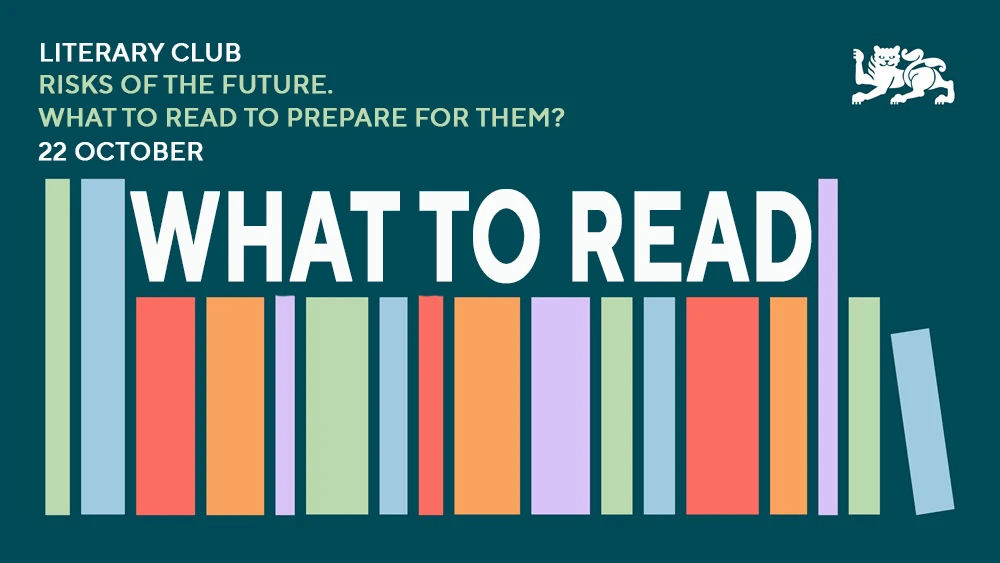
The original club of the National Centre RUSSIA, "What to Read?!," is created for those who see in books the key to personal development and to understanding the past, present, and future.
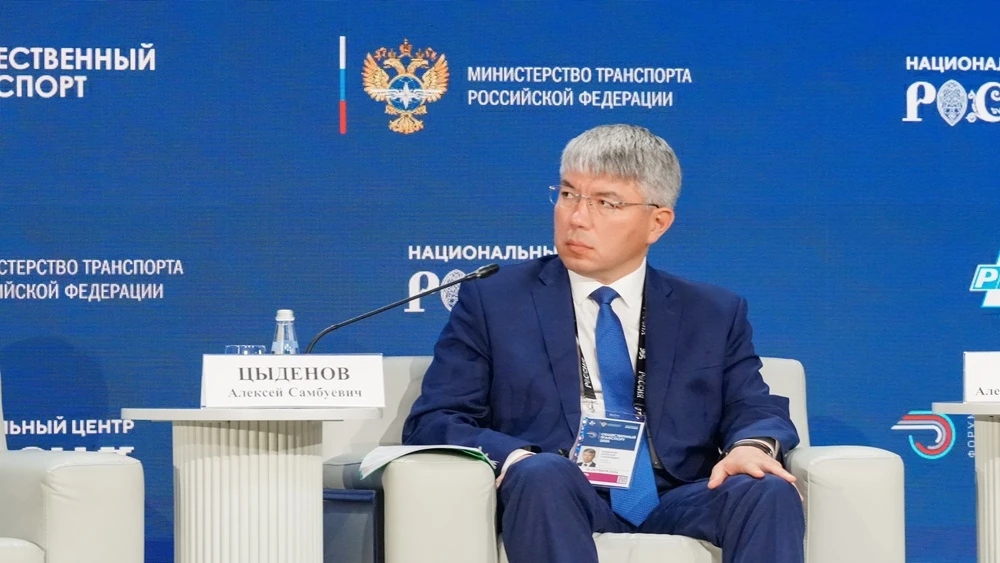
Head of the Republic of Buryatia Alexei Tsydenov took part in the All-Russian survey "What Does the Motherland Begin With?" held by the National Centre RUSSIA.
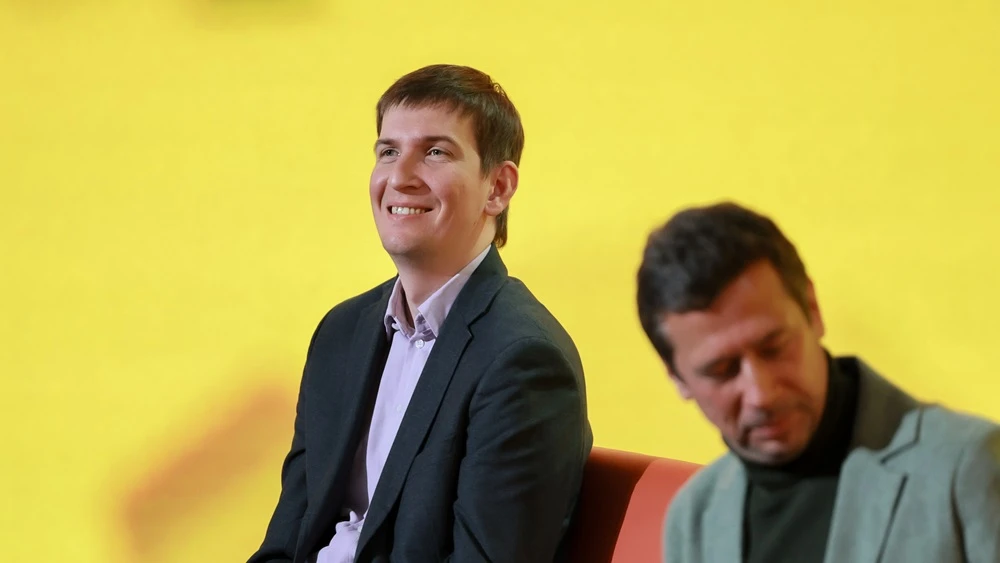
Alexander Reut took part in the panel discussion "More Than Just a Toy: The Educational Potential of Toys and Teaching Practices in Preschool Education".


