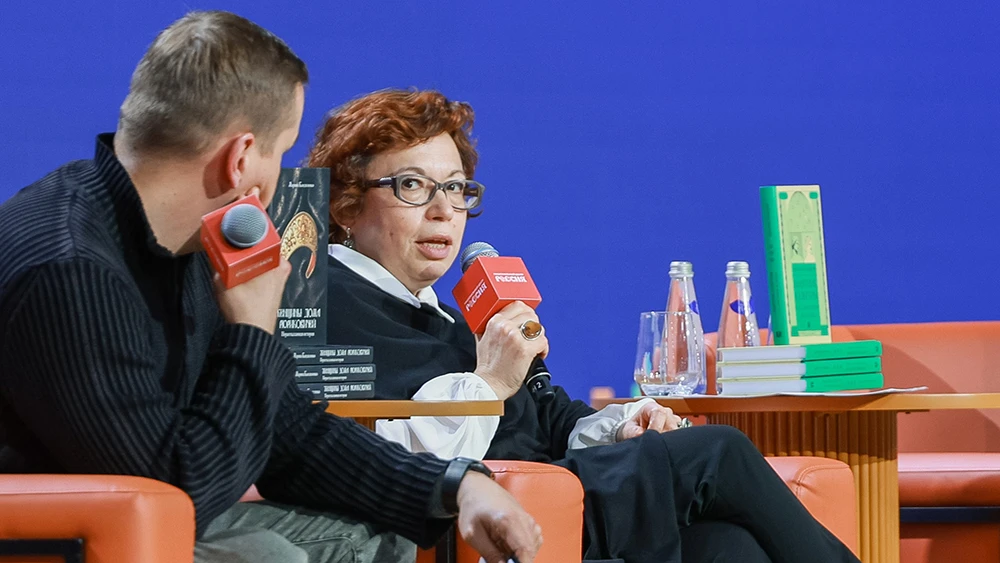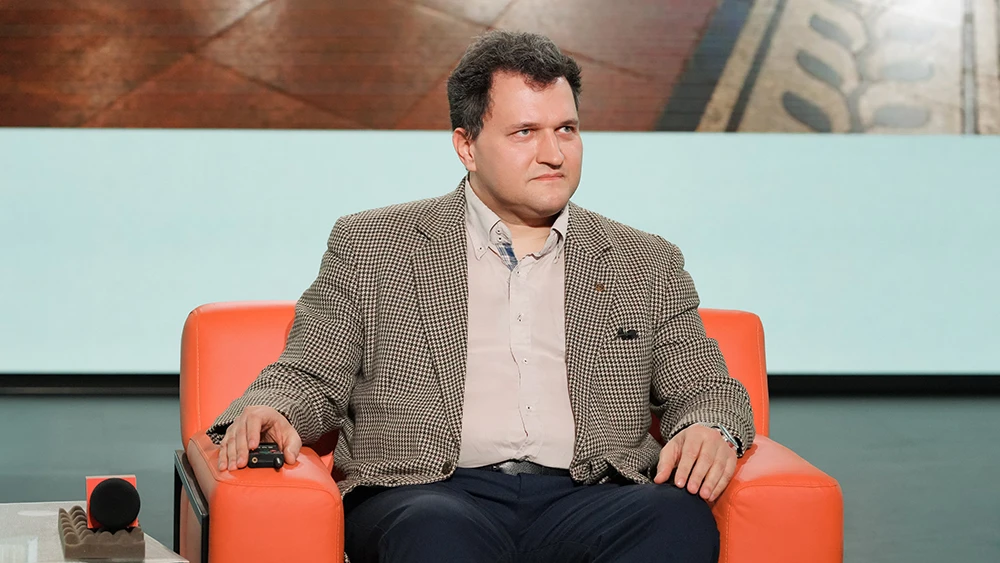


Lecture on the historical importance of Crimea and Sevastopol for Russia was held at the RUSSIA EXPO

The lecture "Russian Spring: 10 Years of Historical
Choice" was held on March 22 at the International RUSSIA EXPO in the
Cultural Projects Zone of Pavilion No. 75. Rector of Sevastopol State
University Vladimir Nechaev spoke about the unbreakable historical bonds
between the Crimean Peninsula and Russia. The event was organized with the
support of the general partner of the RUSSIA EXPO educational program - the
Russian Society "Knowledge".
The rector spoke briefly about the history of Crimea, the
people who were on the peninsula several centuries ago, and also shared with
the participants facts about how Crimea used to be called.
"The Crimean Peninsula was inhabited in distant times.
It is believed to be one of the last places where there were still Neanderthals.
Crimea is the name of a small settlement. Now it is called Old Crimea, and it
was already the capital during the Crimean Khanate. Originally, Greek
historians called this land Tauris," said Vladimir Nechaev.
Vladimir Nechaev spoke about the historical ties of the
Crimean Peninsula with Russia. It was stressed that everything in Sevastopol
and Crimea is literally permeated with Russian history, the ancient Chersonese
is located here, where the sacred foundations of Russian civilization and its
ties with the spiritual culture of Byzantium were laid, where the Ancient Rus'
written tradition was formed and the acceptance of the Orthodox Christian faith — the baptism of St. Prince Vladimir — occurred.