


The National Centre RUSSIA congratulates Kaliningrad on its 80th anniversary
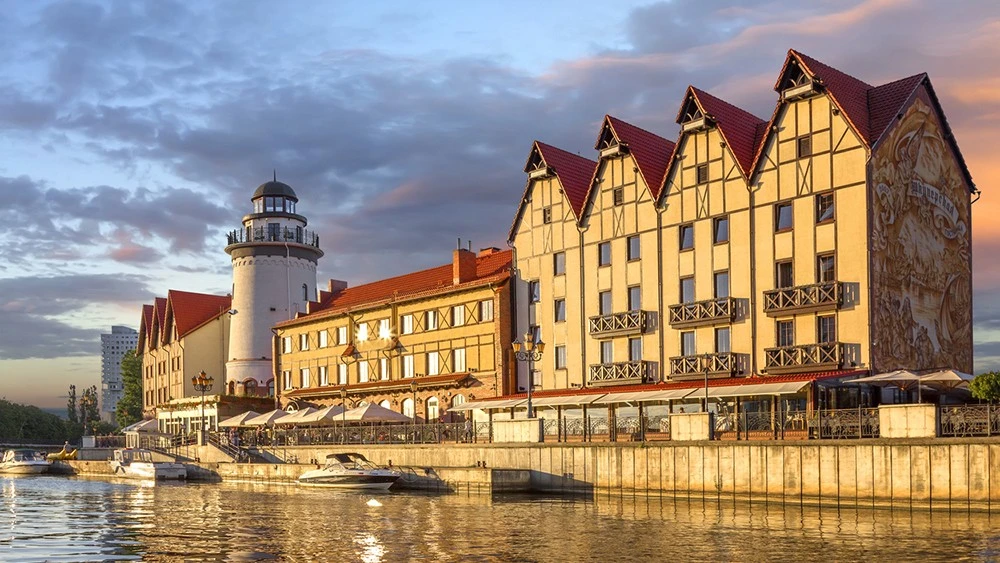
On 4 July 2026, Kaliningrad marks its 80th anniversary. This date is linked to a significant event in the country's post-war history: on 7 April 1946, the Königsberg Region was established within the Russian Soviet Federative Socialist Republic by a decree of the Presidium of the Supreme Soviet of the USSR, and on 4 July of that same year, its administrative centre was renamed Kaliningrad, with the region becoming the Kaliningrad Region. Today, it is one of the most dynamically developing regions of Russia, an important cultural, tourist and strategic centre of the country.
The history of these lands goes back to the 13th century. In 1255, the knights of the Teutonic Order built Königsberg Castle — "King's Mountain" — on the site of a Prussian settlement. Over the centuries, the city was a major centre of East Prussia, a place where trade routes, cultural traditions and European intellectual life converged. The great philosopher Immanuel Kant lived and worked in Königsberg, and his legacy remains one of the spiritual pillars of European and world thought. In 1544, the University of Albertina was founded here, becoming an important scientific and educational centre for the region.
Following the end of the war and the decisions of the Potsdam Conference, the northern part of East Prussia, together with the city, became part of the Soviet Union. In 1946, a new chapter in its history began: the region received a new status, a new name and a new mission — to become part of a great country while preserving the unique historical and cultural legacy of the Baltic.
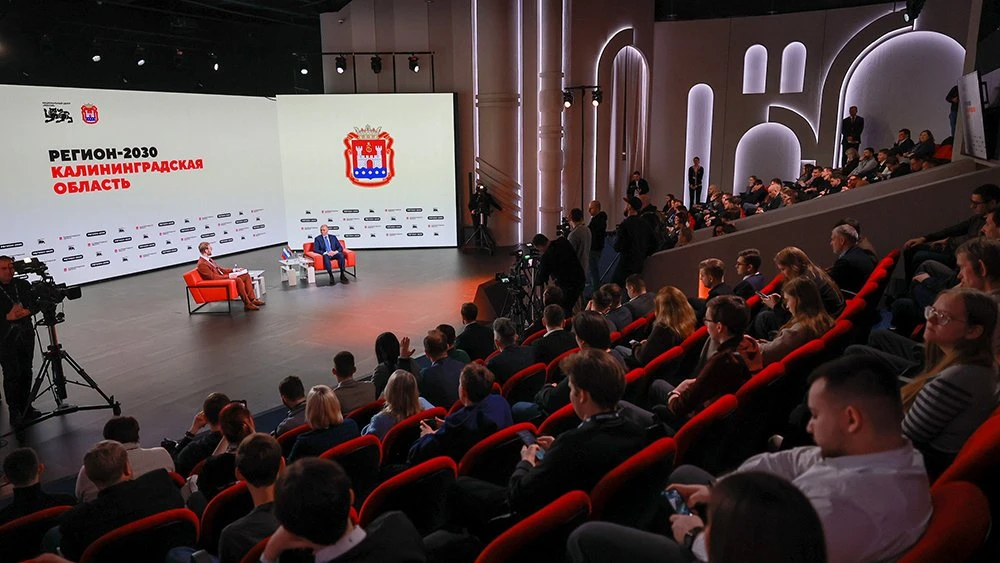
The Kaliningrad Region is a Russian region with a distinct character. It is home to the main base of the Baltic Fleet, and the port of Baltiysk is Russia's only ice-free port on the Baltic Sea. The region is developing its port infrastructure, shipbuilding, industry, agricultural sector, as well as enterprises related to the processing of amber.
The Kaliningrad Region combines medieval architectural monuments, forts, churches, castles, modern urban environments and resort towns along the Baltic coast. The Curonian Spit, the Cathedral, the old German quarters, the Amber Museum — all of this makes the region one of the most attractive points on the map of Russia. More than 130 nationalities live in the region, and its cultural life is built on a dialogue of traditions and openness to the world.
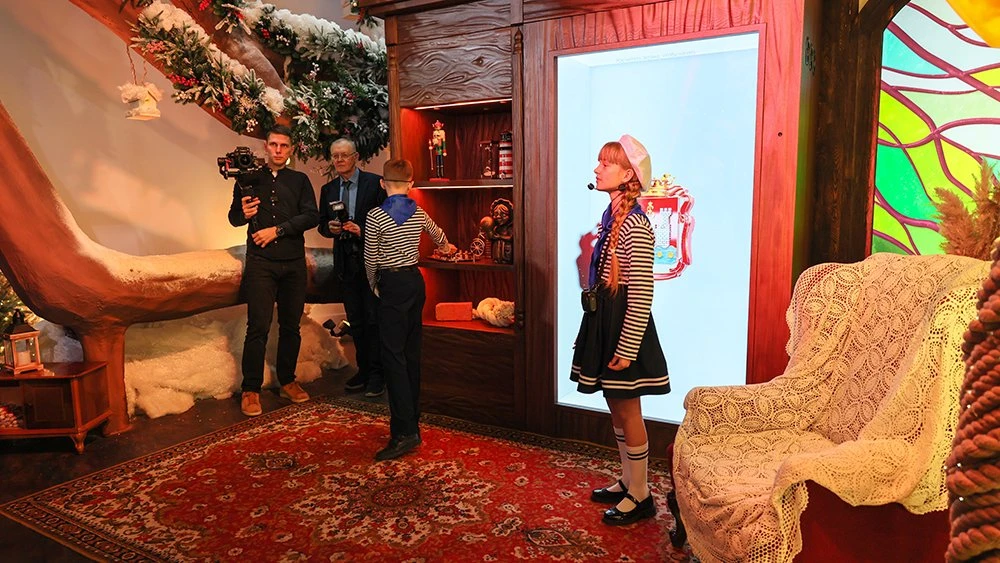
The National Centre RUSSIA consistently highlights the Kaliningrad Region in its projects, emphasising the region's special role in the country's history and future. At the "Journey Across Russia" exposition, guests of the National Centre can travel from the Far East to the Baltics without leaving Moscow. Dozens of interactive exhibits showcasing the achievements, culture, science and nature of all federal districts are on display here.
The North-Western Federal District, which includes the Kaliningrad Region, welcomes visitors with images of strength and innovation. Here, one can learn about the latest icebreakers navigating the Northern Sea Route and the development of the country's key transport routes. But above all, visitors can feel the atmosphere of Kaliningrad: watch multimedia videos about the Curonian Spit and the Cathedral, take photos against the backdrop of the Baltic coast and a lighthouse, and take home a piece of Kaliningrad amber as a souvenir.
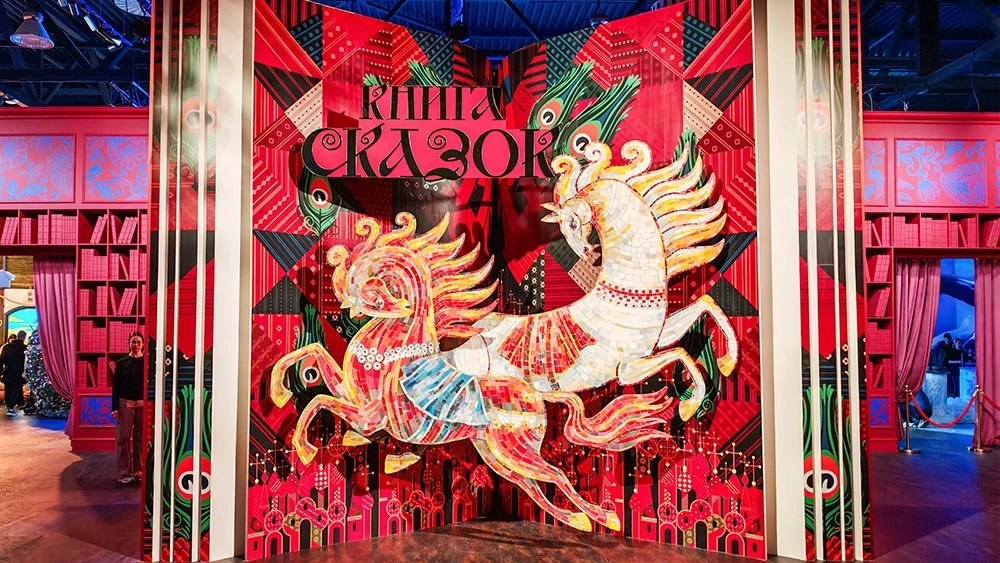
The Kaliningrad Region was also prominently featured at the "Book of Fairy Tales" exposition, held at the National Centre RUSSIA from 13 December 2025 to 1 March 2026. The region's stand was dedicated to fairy-tale archetypes, crafts and legends associated with Russian culture and the Baltic coast. The exposition combined recognisable landscapes and characters with which the Kaliningrad Region is associated in the minds of many tourists.
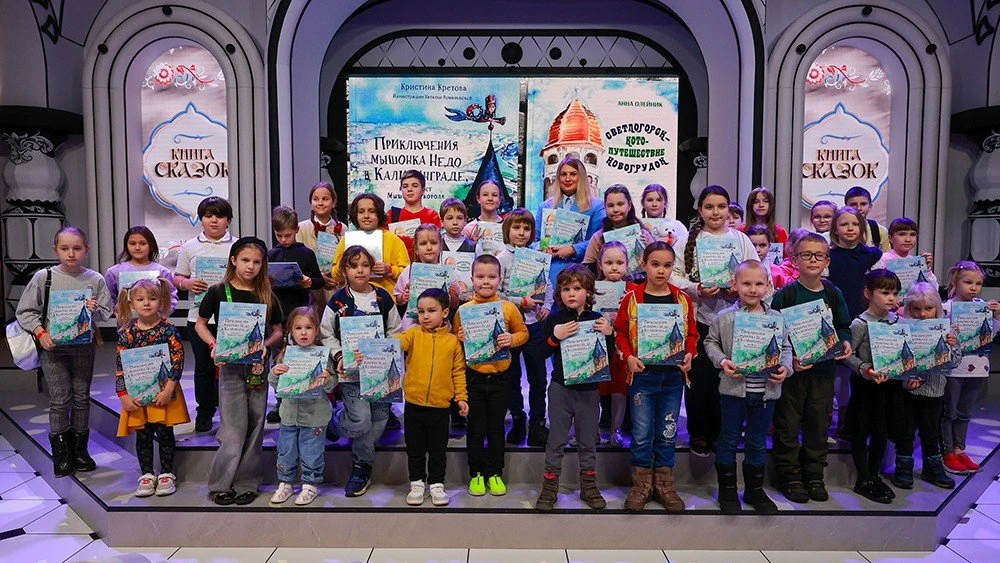
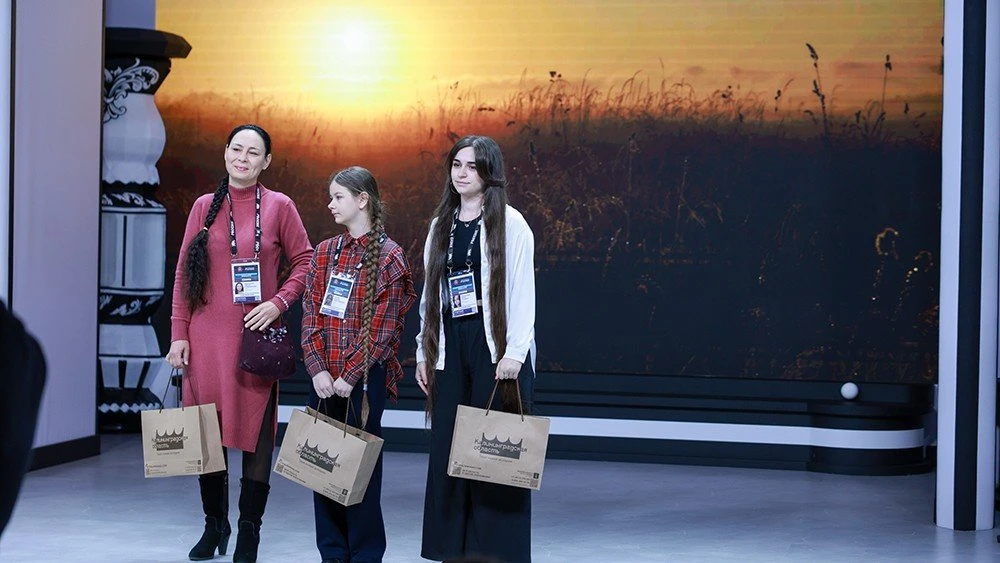
As part of the exposition, a presentation was held for the children's book and animated film "The Adventures of Ned the Mouse in Kaliningrad, or The Quest of the Mouse King" — a story that, through play and imagination, introduced children to the city, its streets, the sea and the Curonian Spit. In addition, a competition for the longest plait was held: female visitors' plaits were measured using a special "plaitometer", and the winner received a trip to the Curonian Spit as a prize.
The National Centre RUSSIA congratulates the residents of the city of Kaliningrad and the Kaliningrad Region on the 80th anniversary of the city and the region. We are proud of the opportunity to tell the story of Kaliningrad through the language of modern expositions, multimedia and children's stories. We invite all guests of the National Centre RUSSIA to embark on their own journey to this unique region and see how past and present meet on the shores of the Baltic Sea.
In addition, in March 2026, the concepts for eight regional branches, presented by the constituent entities of the Russian Federation, were approved at the National Centre RUSSIA. These included the Kaliningrad Region, which proposed a project to create a modern public and exposition space on the site of the former House of Soviets in the historic centre of Kaliningrad. The future branch is intended to become a new cultural and public hub for the region, combining historical legacy with contemporary visitor engagement formats, as well as one of the key attractions for residents and guests of the region.
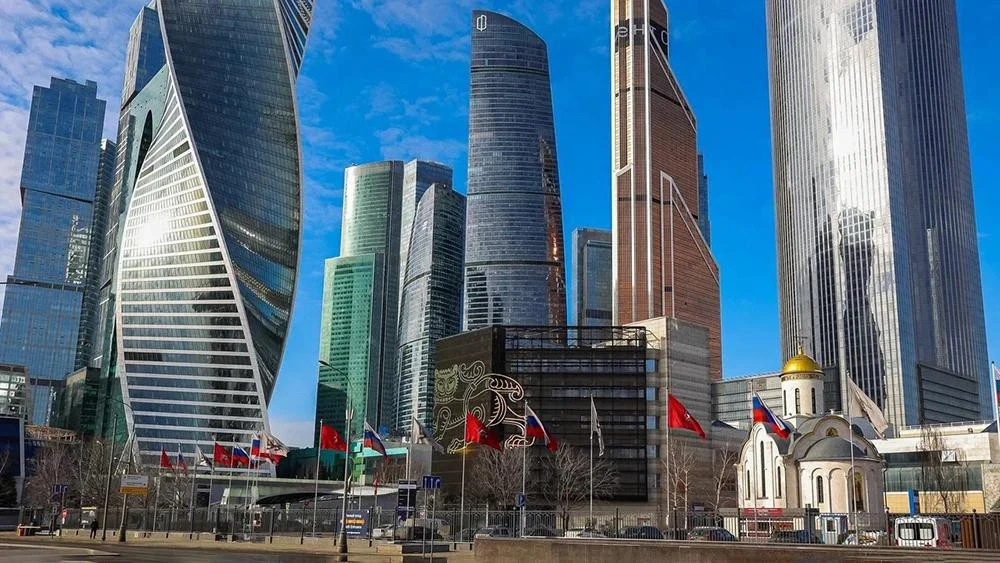
The National Centre RUSSIA has ranked among the top four Russian venues by the number of international events held between 2019 and 2025.
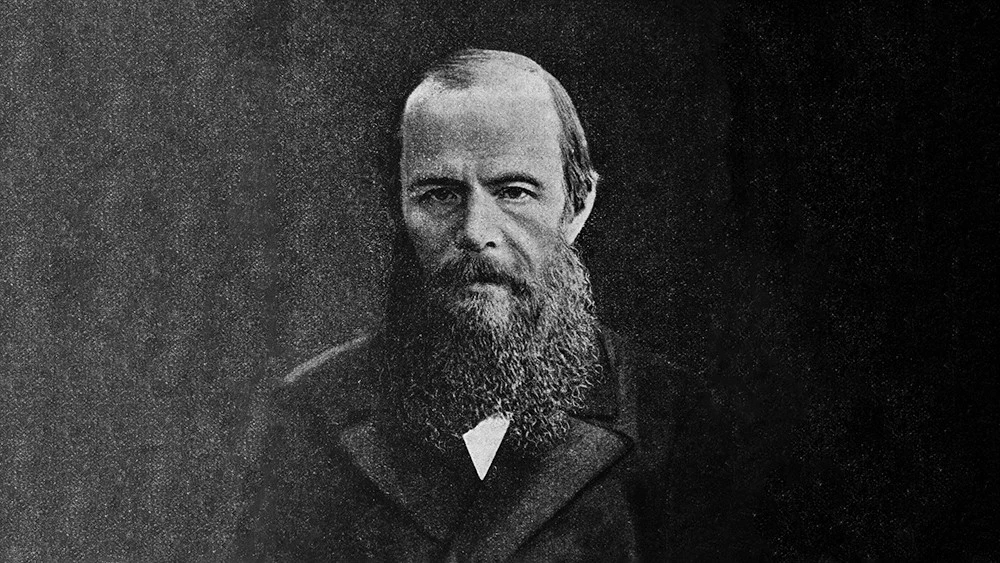
On the first Saturday of July, Dostoevsky Day is celebrated. It is a festival that originated in Saint Petersburg but has long ceased to be merely a local tradition.
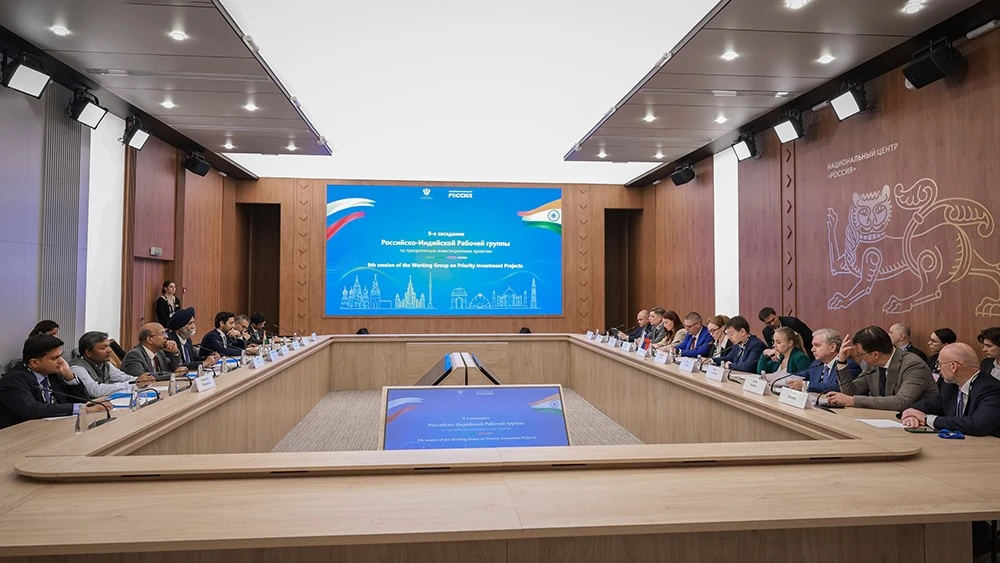
The 9th meeting of the Russia-India Working Group on Priority Investment Projects took place at the National Centre RUSSIA in Moscow.


