


Stories "not for children": writer Ulyana Nizhinskaya reveals the truth about beloved fairy tales
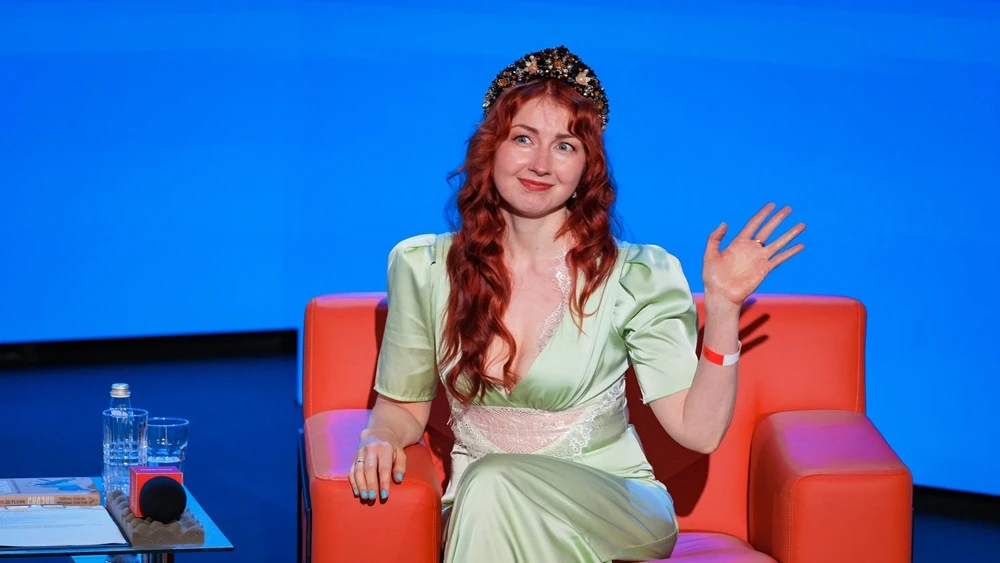
We are accustomed to thinking of fairy tales as children's literature, but historically, that was not the case at all. Philologist, writer, researcher of hidden meanings in fairy tales, and host of the original programme "The Reverse Side of Fairy Tales" on Silver Rain radio, Ulyana Nizhinskaya, explained that the fairy-tale plots we have known since childhood are in fact ancient myths composed by adults for adults. The meeting took place at the National Centre RUSSIA as part of the Literary Club "What to Read?!".
"Fairy tales were indeed originally composed not for children, but by adults for adults. Scholars believe their roots go back to prehistoric times. However, back then they were not even fairy tales in the modern sense, but myths and rituals," said Ulyana Nizhinskaya.
As an example, she cited the fairy-tale story of Zmey (Serpent) Gorynych, who abducts princesses. Today this seems strange: what kind of marriage could there be between a reptile and a human? However, according to the expert, in ancient times many peoples who lived near water believed in a water god — the master of all waters and rain. Not only the catch of fish depended on him, but also the future harvest. To appease the fertility god, a young woman was offered to him as a wife.
"She was dressed as a bride, adorned with flowers and oils, and then, according to the myth, the serpent would either devour the princess or marry her — whichever he pleased. At the same time, the serpent was perceived as a positive character because it was he who granted people a harvest. The girl was seen not as a victim, but as a true hero saving her tribe from famine. And it was considered best if the girl was a king's daughter: then the ritual acquired special sacred power," explained Ulyana Nizhinskaya.
But the centuries passed. People learned to irrigate fields artificially, and the myth of the serpent began to fade. That was when the hero appeared who no longer gives the girl to the monster but rescues her. This, according to Ulyana Nizhinskaya, is how the fairy tale was gradually born in the form we know and love today.
"Fairy tales only came to be perceived as children's literature relatively recently — in the 18th and 19th centuries. It was then that the concept of childhood as a special period of life emerged in Europe. At the same time, folklorists — the Brothers Grimm, and in Russia Alexander Afanasyev – began collecting and recording folk tales. Later, educators, particularly Konstantin Ushinsky, began adapting them for children: removing cruel scenes, religious motifs, and erotic elements. As a result, ancient, sometimes quite bloody myths gradually transformed into the familiar children's books with illustrations we know today," the expert concluded.
The latest meeting of the "What to Read?!" club on 16 July was dedicated to the theme "The Mysteries of the Fairy Tale." The audience learned that behind familiar plots lies far more than meets the eye. The experts revealed what symbolic images are encoded in beloved stories, where the Thrice-Ten Kingdom is located, what lies behind the image of Baba Yaga, why Koshchei seeks immortality, and why the hut on chicken legs stands the way it does and not otherwise. The meeting was moderated by philologist, cultural studies scholar, and writer Nikolai Zharinov.
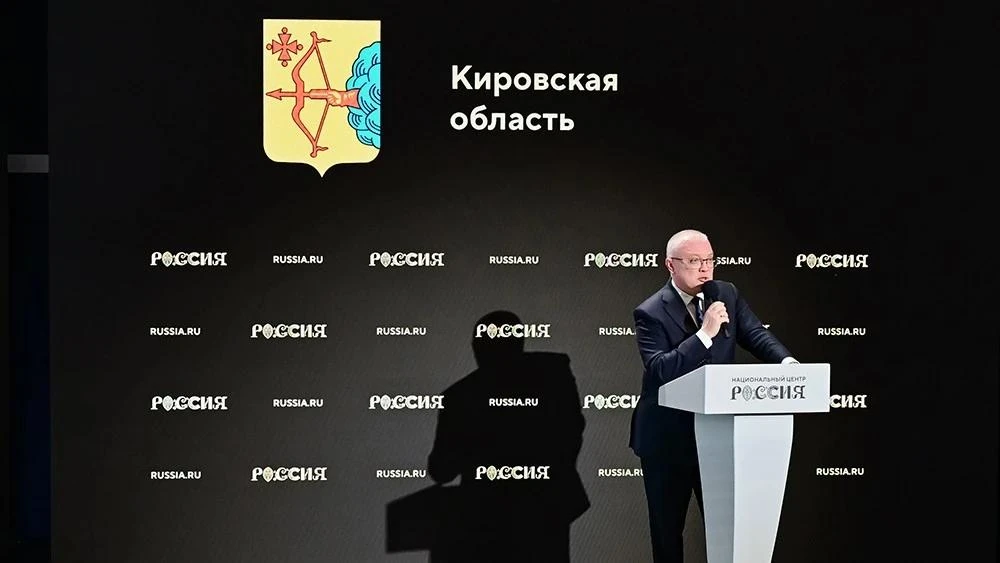
The Kirov Region is a territory with a rich history, a favourable geographical position, and strong traditions of good neighbourliness.
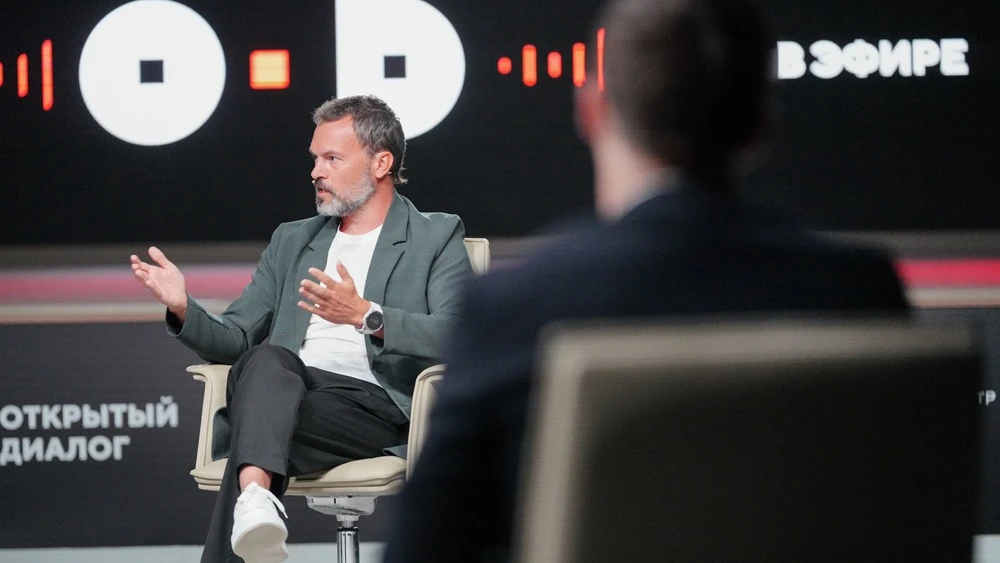
Yuri Maksimov, co-founder of Positive Technologies and the Cyberus Foundation, proposed adjusting the approach to sharing information about cyber threats.
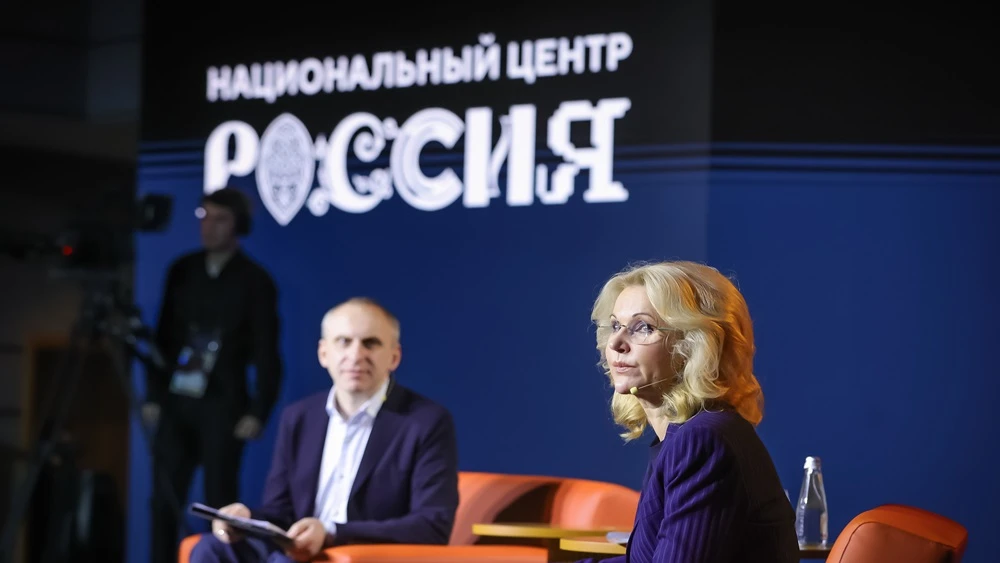
The National Centre RUSSIA is implementing the All-Russian project "What Does the Motherland Begin With?" with the support of the Government of the Russian Federation.


