


Neolithic era in the Russian Far East: mask-like faces and "standing" horses reveal ancient cults to archaeologists
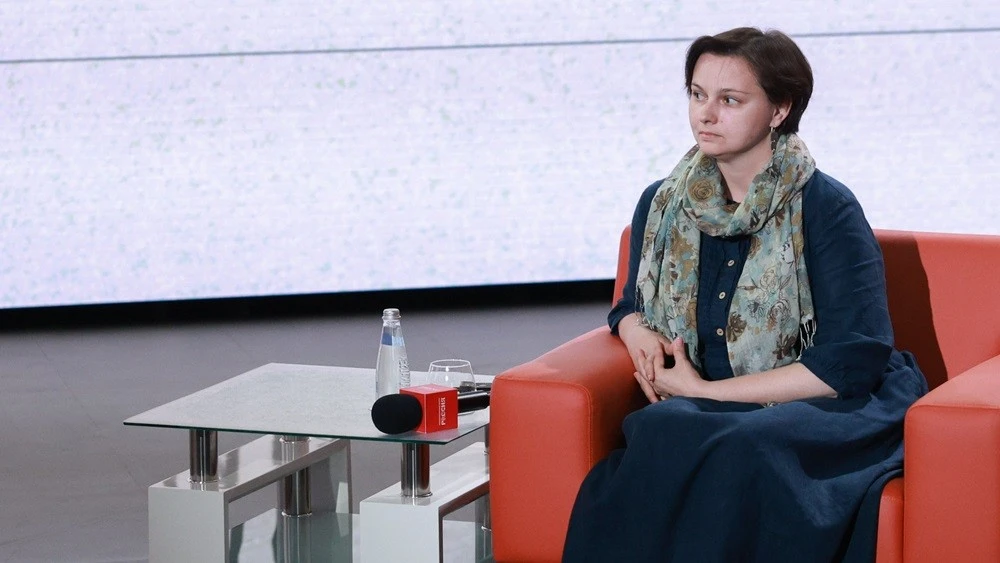
Grinning masks with enormous eyes, mysterious animal silhouettes and vessels made of fired clay are helping researchers learn more about the distant past of the Russian Far East. Yelena Levanova, Candidate of Historical Sciences and Head of the Centre for Palaeoart at the Institute of Archaeology of the Russian Academy of Sciences, discussed these discoveries at a meeting of the "Conversations with Stanislav Drobyshevsky" series at the National Centre RUSSIA.
According to the researcher, the Neolithic era began much earlier in the Russian Far East than in the European part of Russia: pottery appeared there as early as the 10th millennium BC, whereas in the north-west it emerged only in the 5th millennium BC.
"The Voznesenovka culture, which is associated with these masks, had almost come to an end by the 3rd millennium BC. Grinning faces with large eyes, resembling monkeys or skeletons, are believed to represent the earliest stage of rock art in the region: the Neolithic era, or perhaps even an earlier period dating back as far as ten thousand years," Yelena Levanova explained.
Dating such sites is difficult: there are virtually no overlapping cultural layers, so archaeologists have to compare decorative patterns on pottery with images on boulders and use charts and comparative studies compiled by their colleagues. The petroglyphs also feature large animals: massive, difficult-to-identify silhouettes that may depict elk or other inhabitants of ancient forests, as well as horses drawn in outline.
"Of course, this is no longer the realistic dynamism of the Palaeolithic, in which animals appear to be either leaping or flying. Here, it is simply a horse standing on its legs, without any particular refinement. Yet even such silhouette images show that large animals may have been revered and occupied an important place in the worldview of Neolithic people," the archaeologist noted.
Yelena Levanova emphasised that these few but expressive scenes reveal how early complex imagery associated with pottery, rituals and a distinctive relationship with the surrounding world emerged in the Russian Far East, and how diverse the history of ancient art across Russia was.
Teachers from a wide range of regions are arriving at the National Centre RUSSIA for the Forum of Geography Teachers and Students of Specialised Universities.
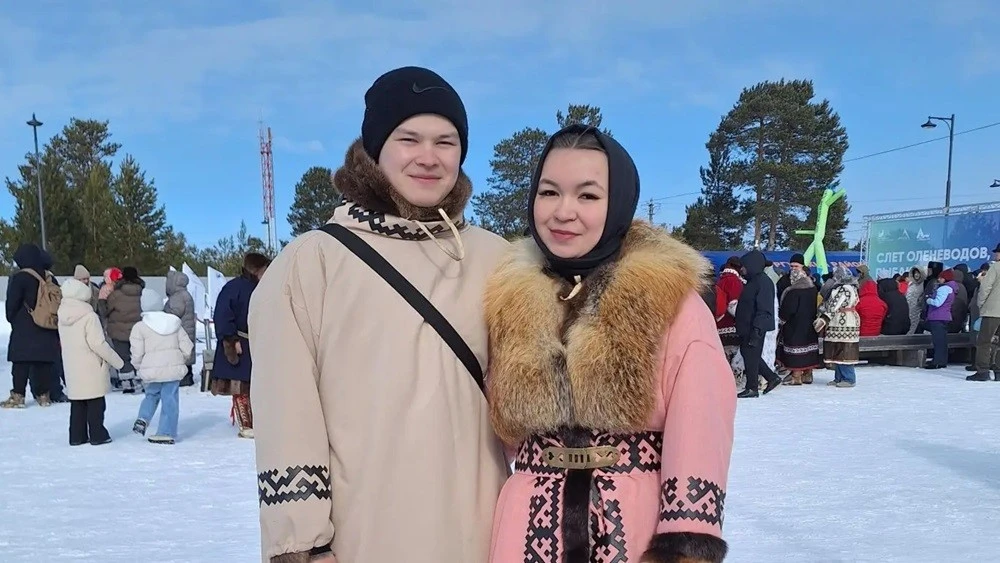
On the Day of Family, Love and Fidelity, representatives of Russia’s indigenous minority peoples will marry at the National Centre RUSSIA.

Its central theme was the development of visual culture through educational projects, public spaces and new approaches to environmental design.


