


VCIOM survey: family remains the primary institution for raising children for 88 percent of Russians
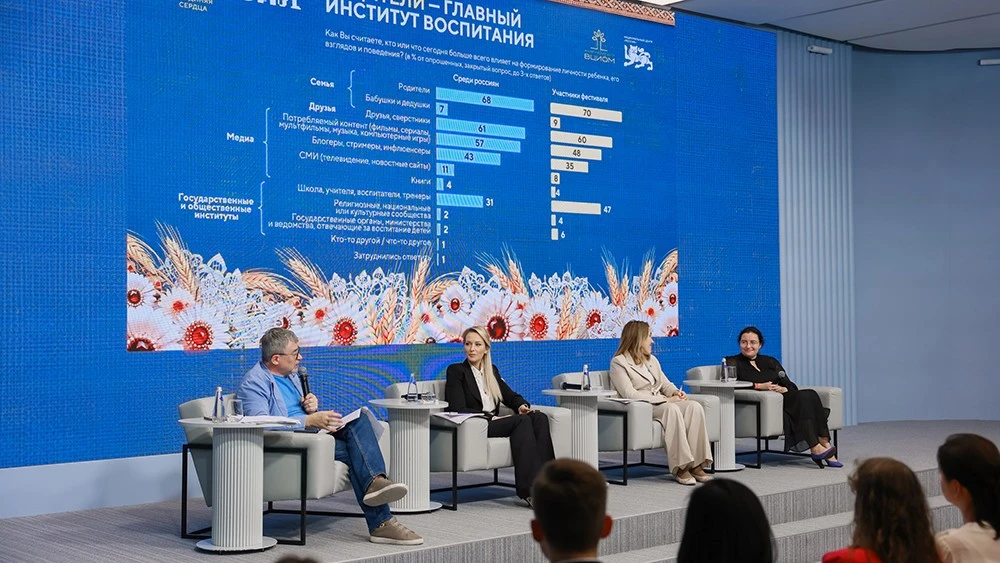
Starting a family, having children and raising them remain among the most important life goals for modern Russians. These findings were confirmed by a new survey conducted by VCIOM and discussed by experts at the National Centre RUSSIA during the III All-Russian Wedding Festival "Russia. Uniting Hearts".
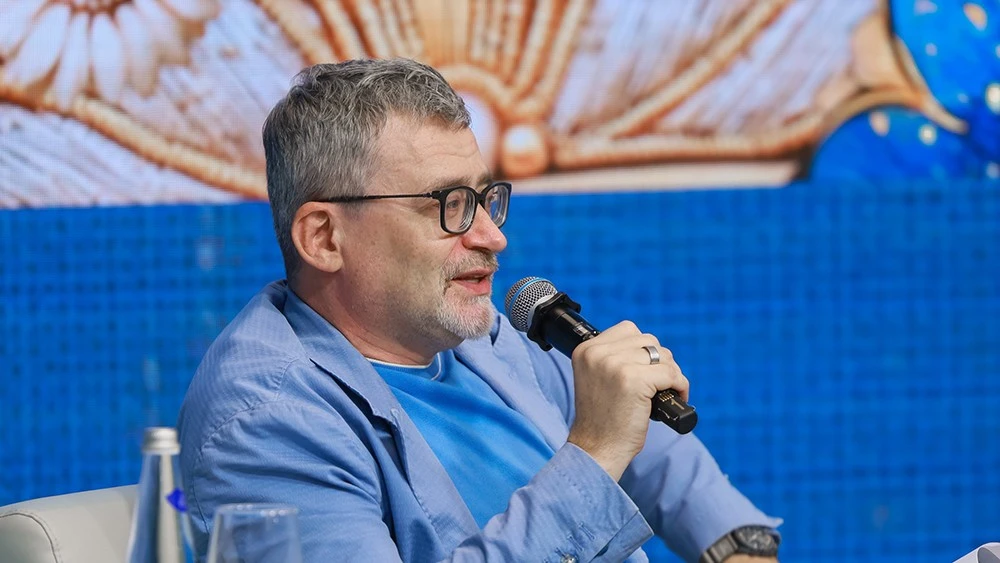
The discussion was moderated by Valery Fyodorov, Director General of the VCIOM Analytical Centre and Dean of the Faculty of Social Sciences and Mass Communications at the Financial University under the Government of the Russian Federation. At the beginning of the session, he presented the findings of the VCIOM study "Russians' Perceptions of the Role of the Family in the System of Life Values and Child-Rearing."
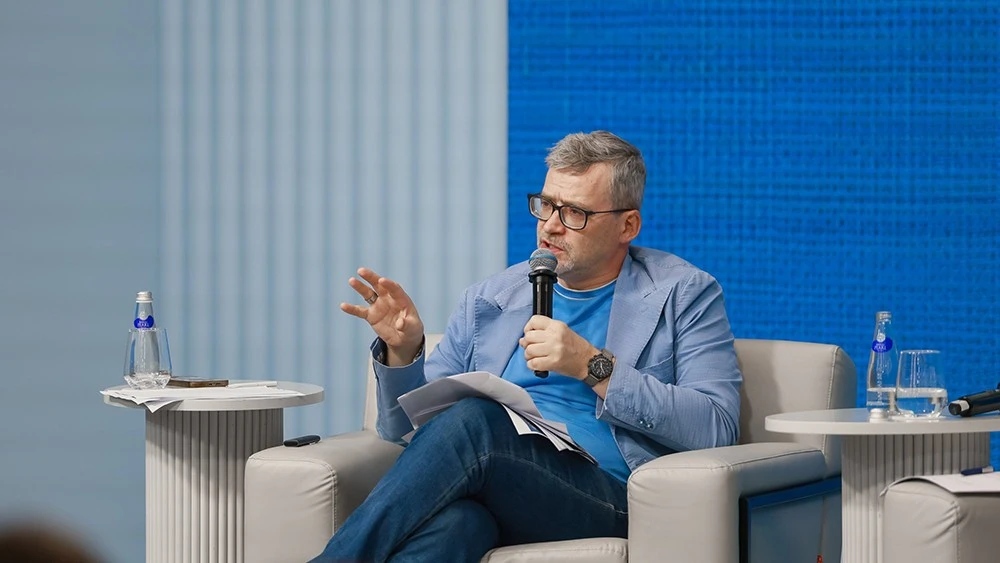
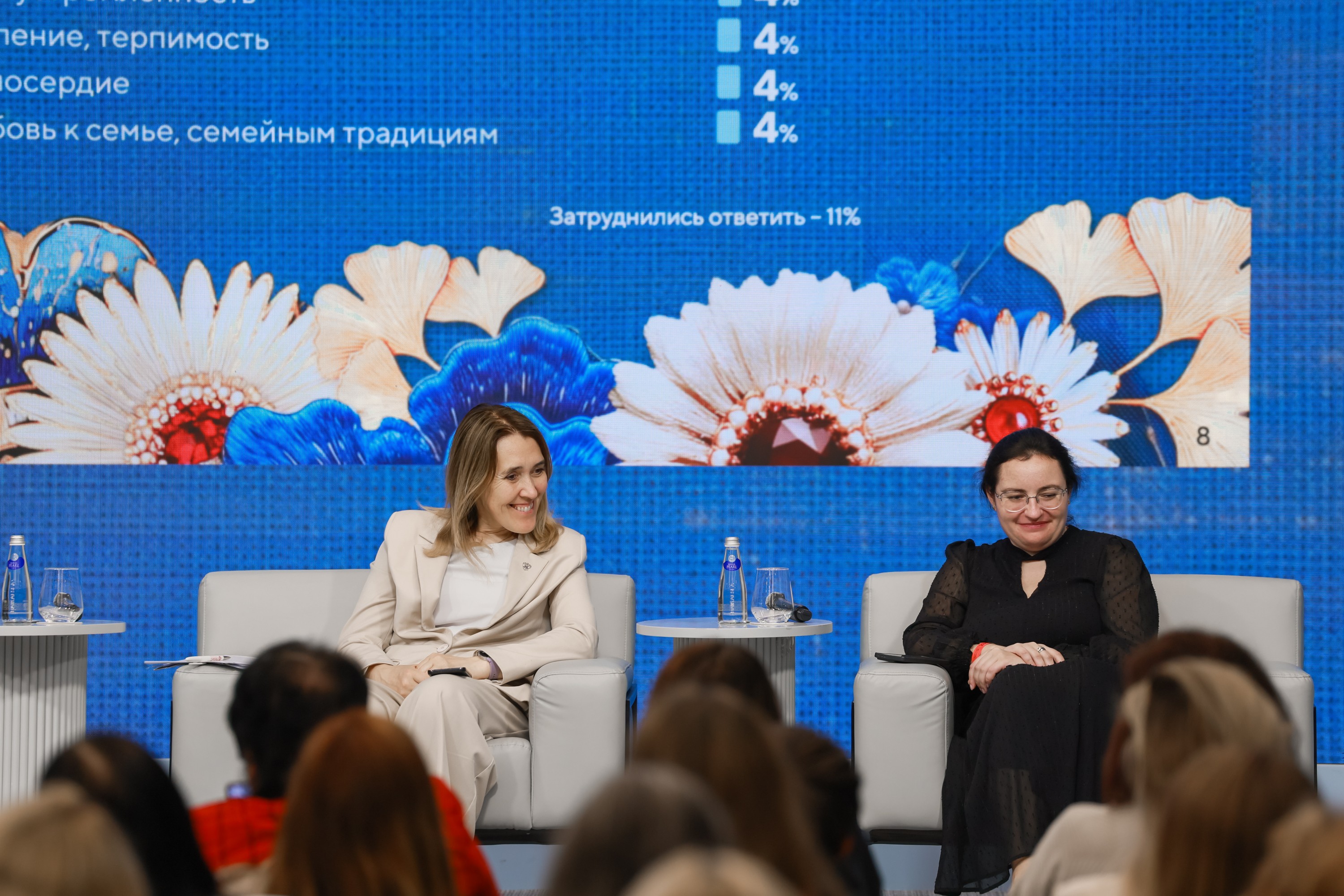
The survey found that 76 percent of Russians believe that starting a family, having children and raising them are among the most important goals in life. Seventy-two percent said that the family exists first and foremost to provide love and support. Sixty-eight percent agreed that parents have the greatest influence on a child's personal development, while 88 percent believe that it is the family that should be responsible for passing values on to children.
"For the overwhelming majority of respondents, the family is, above all, a source of support, love and warmth — a place where you feel protected. Of course, it is also where children are born and raised, and where the system of values that defines us as a united Russian nation is created and maintained. Young people and each new generation build their lives in their own way, but they certainly do not reject the value of family. This value remains, while the forms evolve, transform and renew themselves," said Valery Fyodorov.
Discussing the survey results, participants focused on child-rearing, noting that it requires the joint efforts of families, educational institutions, the state, and children's and youth organisations. They also discussed the role of family traditions in preserving continuity between generations, shaping historical memory and strengthening public trust. According to the experts, it is within the family that people first encounter cultural values, develop moral principles and learn responsibility.
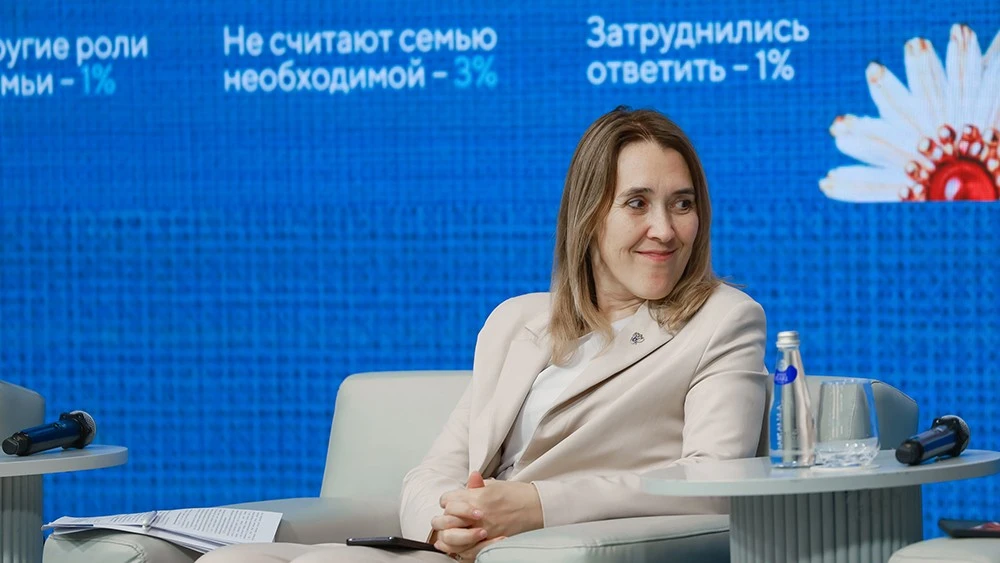
Deputy Minister of Science and Higher Education of the Russian Federation Olga Petrova spoke in detail about support measures for student families. According to her, there are already 50,000 such families in Russia, while 3,500 support measures for families are currently in place nationwide. She also introduced the new "Family Diploma" initiative, under which student marriages are registered at universities. For example, on the Day of Family, Love and Fidelity, marriages were registered at 26 universities across the country.
Olga Petrova also highlighted the role of higher education institutions in shaping students' values: "One of the objectives of higher education is to shape students' values and worldview, establishing a clear framework of values. Every lecturer who enters a classroom does more than share professional knowledge. They also fulfil an instructional role by setting a personal example of what values and traditions mean."
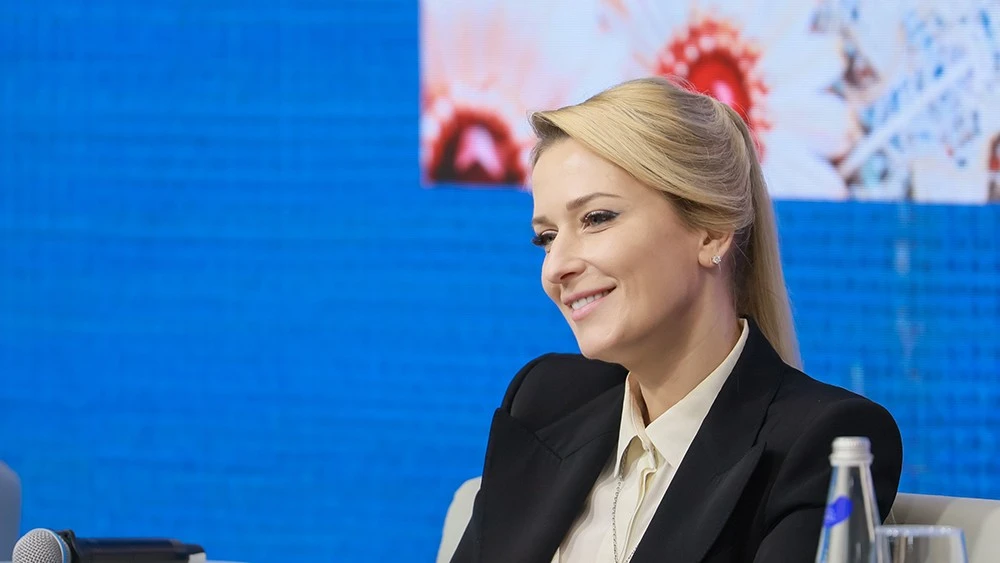
Russian Human Rights Commissioner Yana Lantratova stressed that a strong family is built on trust, loyalty, love and mutual support. These, she said, help Russian families not only celebrate life's joys together but also overcome difficulties. She emphasised the importance of paying attention to the information children receive from the outside world, particularly online. Parents should also be aware of the books their children read and read together with them. As for leisure, she noted that there are now many opportunities available and stressed the importance of involving the younger generation in the life of Russia.
"When I was a State Duma deputy, six laws that were later adopted had been proposed by children from different regions of the country — a tremendous achievement. Young people realised that they matter to the country and can play an active role in its future. And most importantly, we need to talk to children. If we learn to foster a culture of communication and feedback, we will be able to confront any external challenges," said Yana Lantratova.
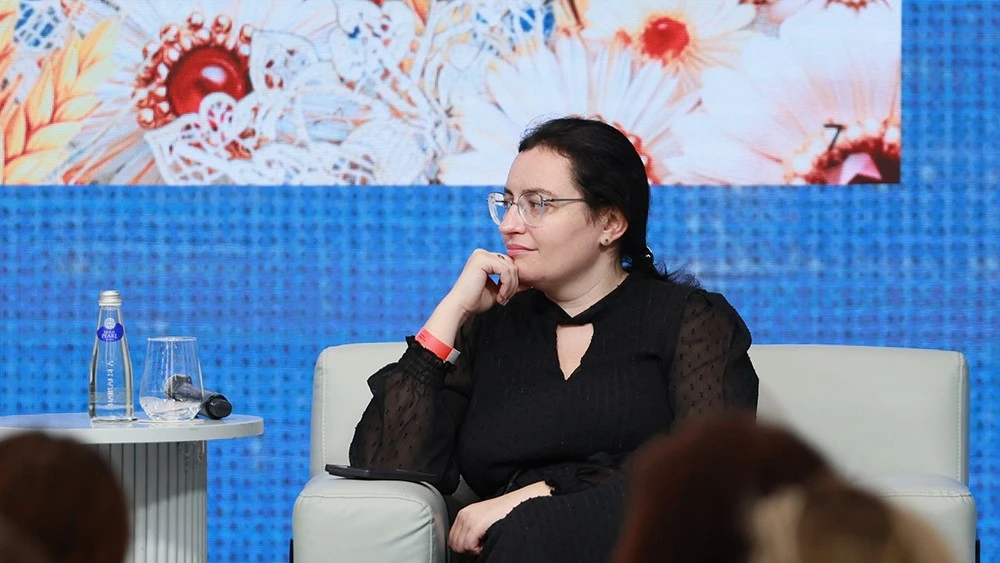
Maria Sheludko, Deputy Director of the Department of State Policy in Education, Supplementary Education and Children's Recreation, devoted her remarks to cooperation between families, schools and the state in raising the younger generation, highlighting the importance of coordinated efforts by all participants in the educational process.
"The family is indeed the primary institution, while the school is the foundational one. I would describe the school as a centre of attraction for children, and now increasingly for families as well," said Maria Sheludko. "When it comes to raising children, these institutions cannot be ranked as equal or one above the other. If parents take an interest in schools, and schools take an interest in parents, we will certainly succeed."
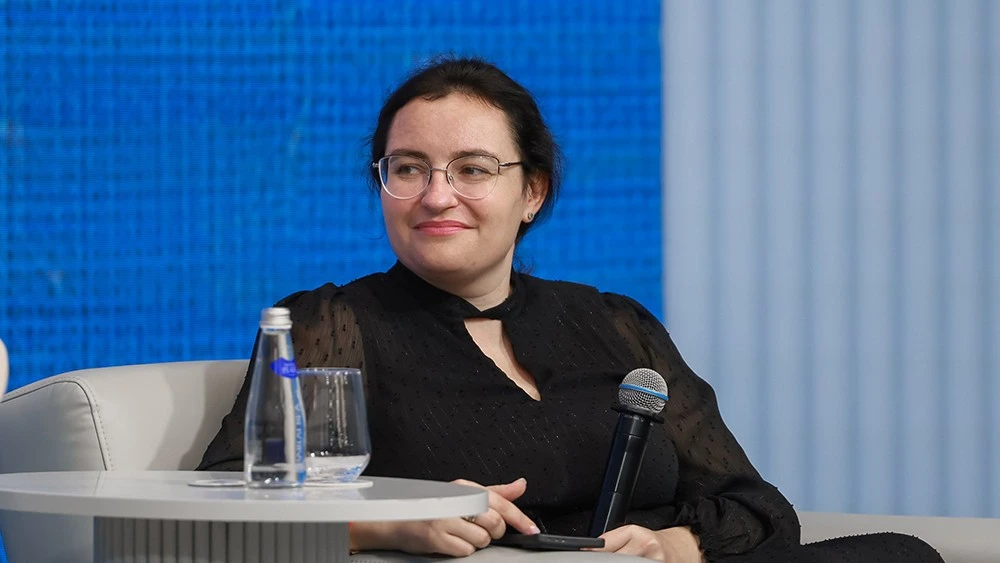
Maria Sheludko spoke in detail about projects that foster effective cooperation between the state, schools and families. She particularly highlighted the All-Russian and regional parents' committees, which provide feedback from parents and help identify what schools may be lacking from their perspective. She also referred to the "Navigators of Childhood" contest, the Institute for the Study of Childhood, Family and Upbringing, the "Talking of What Matters" programme for schoolchildren and the "Post-Talking of What Matters" initiative for parents, along with many other outreach and creative projects.
Summing up, Maria Sheludko concluded: "We provide opportunities that parents, children and teachers can embrace, helping to fill the gaps and work together."
Summing up the discussion, the experts agreed that the family remains the key institution for raising children, passing on traditional values and strengthening ties between generations. It is within the family that the foundations of an individual's character are laid, a sense of responsibility is formed, respect for the country's history is instilled, and readiness to preserve its cultural legacy is nurtured.
The presentation of the VCIOM survey formed part of the cultural and
educational programme of the III All-Russian Wedding Festival "Russia.
Uniting Hearts", which takes place at the National Centre RUSSIA. The
festival brings together representatives of government, the expert community,
public organisations, newlyweds and families from across the country,
highlighting the importance of the family as the foundation of society and
Russia's future.
Event photobank

In a traditional Russian wedding, special symbolism was present not only in the bride's dress. The groom's costume was also a kind of message, encrypted in thread patterns and accessories.
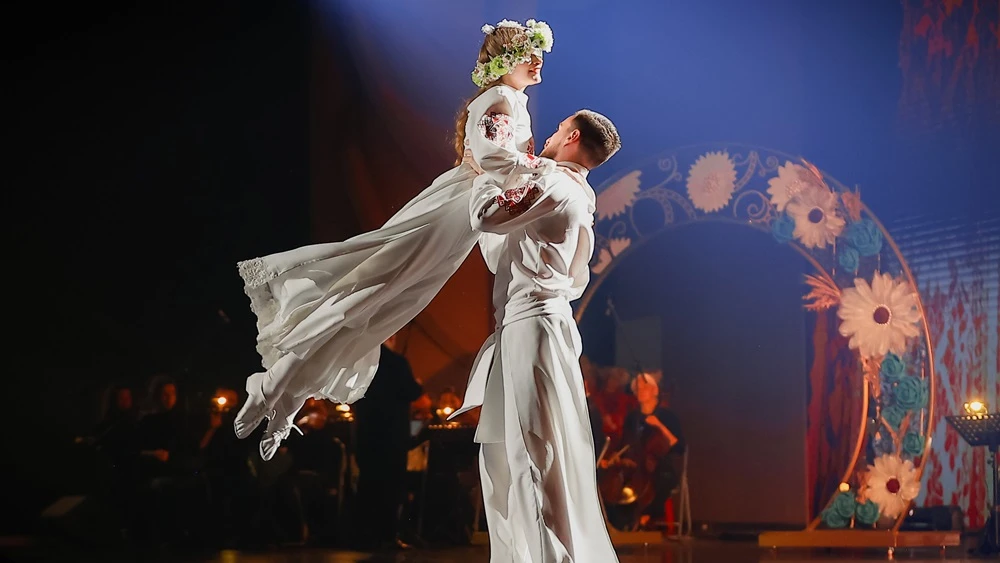
The peoples of the Volga Region and Russia's steppe regions viewed marriage as a union not only between two people but also between two families.
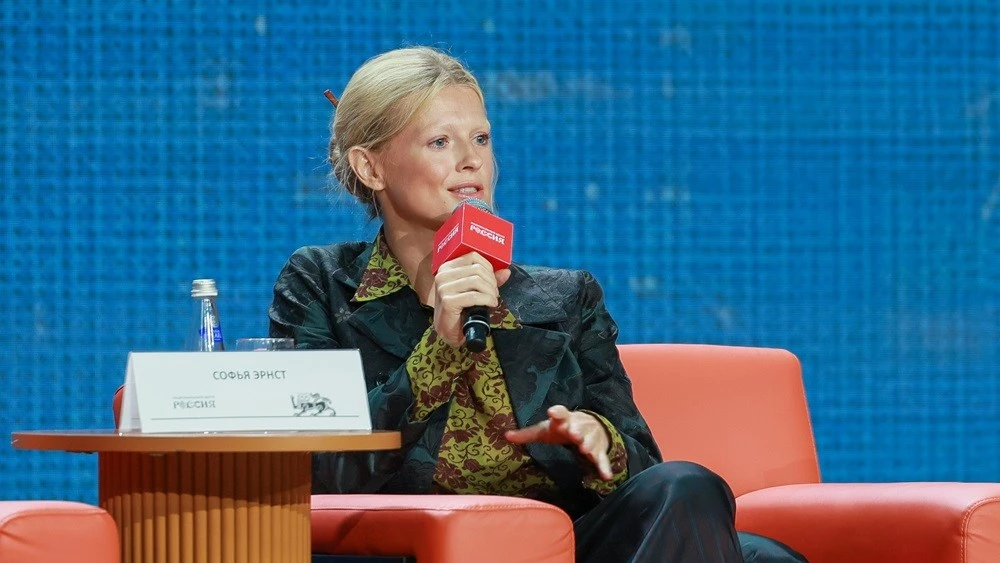
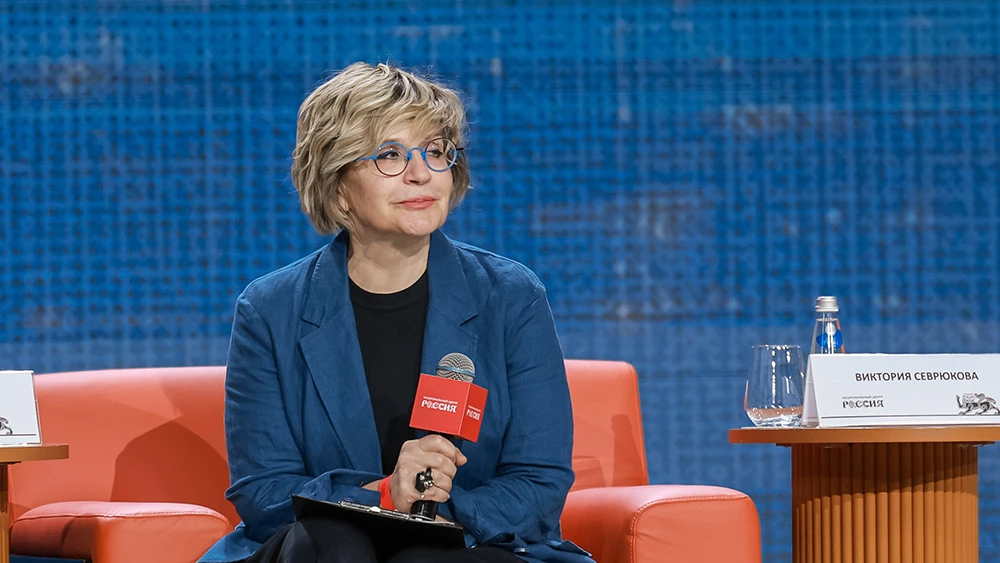
The open dialogue "Forms of Love: Literature and Art" formed part of the educational programme of the III All-Russian Wedding Festival "Russia. Uniting Hearts".


