


From historical memory to education through culture: "Motherland Is People. Our Values" meeting held at the National Centre RUSSIA
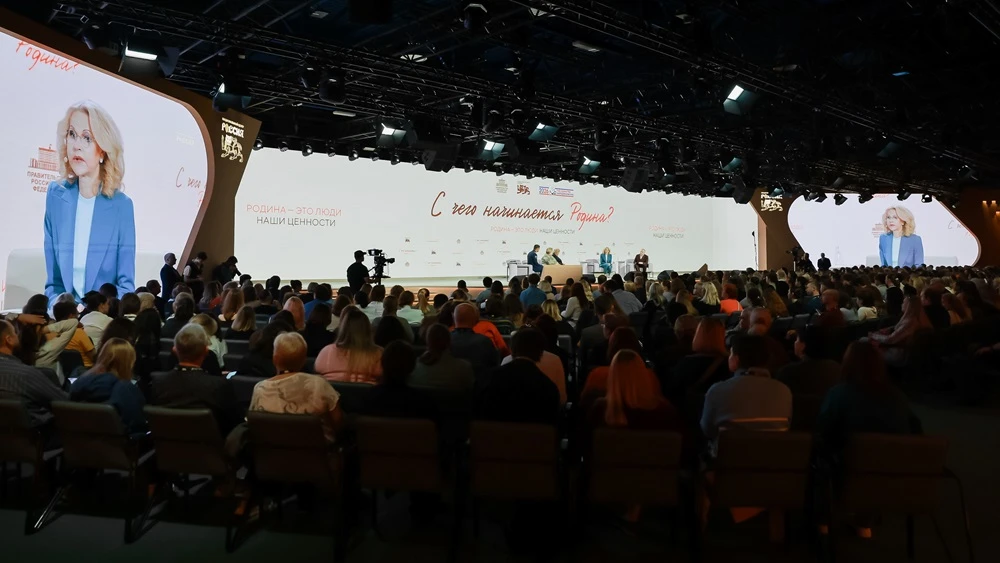
On 4 September, the National Centre RUSSIA hosted a new meeting in the "Motherland Is People" series, titled "Our Values", as part of the All-Russian project "What Does the Motherland Begin With?". Participants — government officials and prominent cultural figures — discussed Russia's spiritual and moral foundations, the preservation of historical legacy and traditional values, and how the state, society and individuals help pass these important values on to future generations.
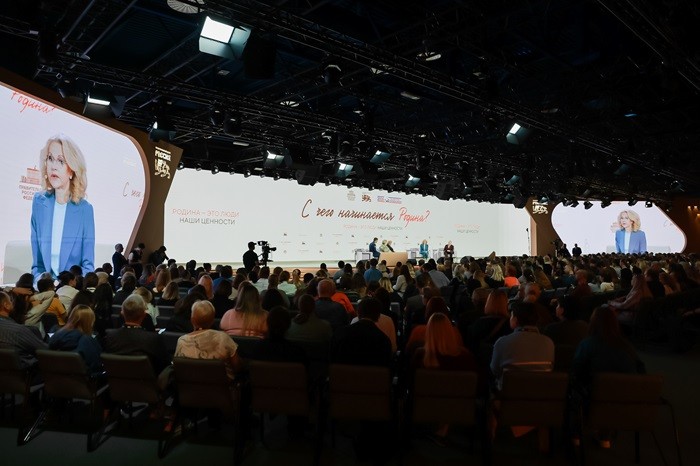
The keynote speaker was the Deputy Prime Minister of the Russian Federation, Tatyana Golikova. She emphasised that the country's moral foundations had taken shape over centuries, becoming part of the nation's historical experience, culture and worldview.
"A state can only be strong and sovereign when it rests on a solid foundation of values. These values take shape over centuries, becoming part of the nation's historical experience, culture and worldview. Our country's unique identity reflects the contribution of the 194 peoples who live here, while 2026, declared the Year of the Unity of the Peoples of Russia by the Head of State, is intended to remind us once again that our unity, regardless of nationality or faith, is founded on shared spiritual and moral values," said the Deputy Prime Minister of the Russian Federation, Tatyana Golikova.
The Deputy Prime Minister added that a strong family has always stood out among Russia's principal traditional values and lies at their very foundation. This was confirmed by 68% of Russians in a survey conducted by the VCIOM Analytical Centre and the National Centre RUSSIA. The survey also found that people regard historical memory and continuity between generations, life, dignity, human rights and freedoms, and the unity of the peoples of Russia as important values.
Tatyana Golikova said that protecting traditional values is a strategic national priority. The State Council of the Russian Federation has a Commission on Culture and Traditional Spiritual and Moral Values. Federal and regional authorities, civil society institutions and religious organisations are involved in implementing state policy in this area. This work covers virtually every sphere — education, upbringing, youth policy, science, the media, archival institutions that preserve historical and documentary legacy, and culture. The Deputy Prime Minister of the Russian Federation emphasised the importance of improving cultural institutions and enriching their programmes so that every resident, regardless of age or region, has equal access to our shared legacy — cultural values.
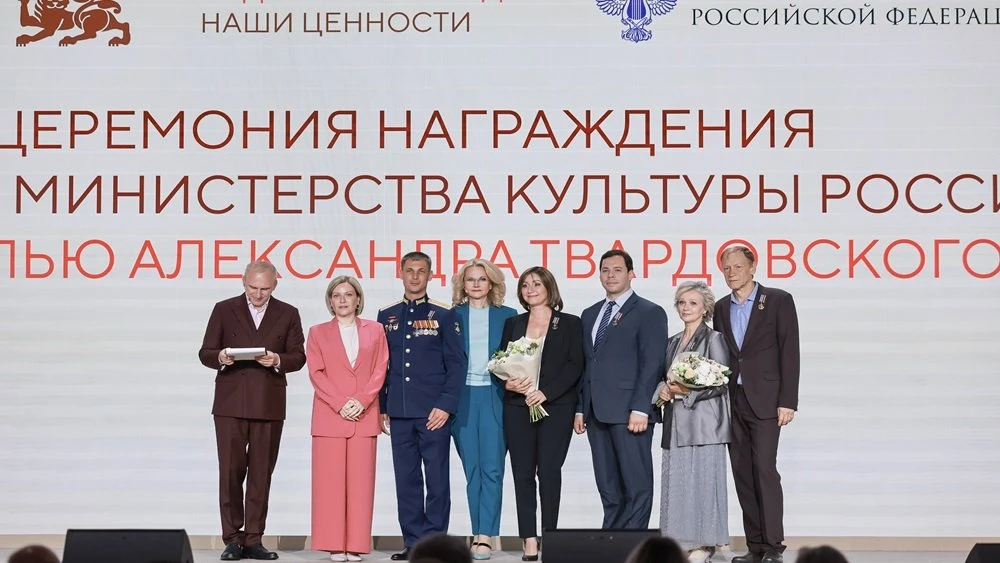
During the meeting, the Deputy Prime Minister of the Russian Federation, Tatyana Golikova, and the Minister of Culture of the Russian Federation, Olga Lyubimova, presented departmental awards of the Ministry of Culture of Russia — the Alexander Tvardovsky Medals. The award is presented to figures in culture, the arts and the creative industries for a significant contribution to creative projects carried out during hostilities and in other circumstances involving a risk to life, as well as for achievements in projects demonstrating the power of art to lift people's spirits and strengthen society's moral foundations.
"For the Ministry of Culture and for the cultural sector, the Motherland is people — our audiences, our readers, our listeners and our cultural figures. We are one large family filled with talented people. Today we are presenting a departmental award — the Alexander Tvardovsky Medal. In recent years, his poetry has resonated with particular poignancy. We present this award to cultural figures who, at the most difficult time, considered it their duty to go to the front line and to hospitals, and to travel with concerts to the new historical regions, where it is so difficult to meet their audiences and share their art," Olga Lyubimova noted.
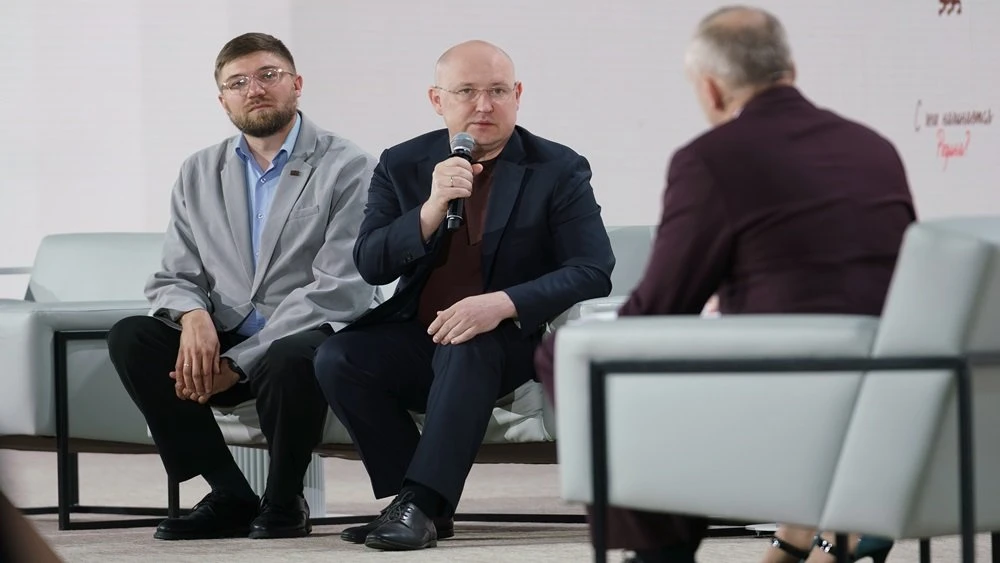
During the meeting, the Governor of Sevastopol and Chair of the State Council Commission on Culture and Traditional Spiritual and Moral Values, Mikhail Razvozhayev, shared the experience of his region, where history itself shapes its role as a spiritual point of reference. He also spoke about unique museum projects that have become important pillars for preserving historical memory and educating young people. According to Mikhail Razvozhayev, the task today is to preserve legacy, give it new meaning and turn it into a foundation for the country's future.
"Any work needs clear points of reference and directions grounded in meaning. Today's discussion is about values. Our commission has developed more than 300 proposals, and we continue to analyse them across all areas in order to present them at the final State Council meeting. I will give two examples from Sevastopol. The first is the '35th Coastal Battery' museum complex, created with private funding. It is a genuinely living space that, thanks to people and their attitude towards history, has become an important point of support for everything connected with Russia and Sevastopol. The second part of our legacy is the 'New Chersonesus' museum and church complex, which was created on the President's instructions and is being successfully expanded with support from the Ministry of Culture. It tells the story of the origins of Christianity in our country. History here is not 'preserved in aspic', but filled with new meaning, creating a strong foundation for future generations with an emphasis on traditional spiritual and moral values," said Mikhail Razvozhayev.
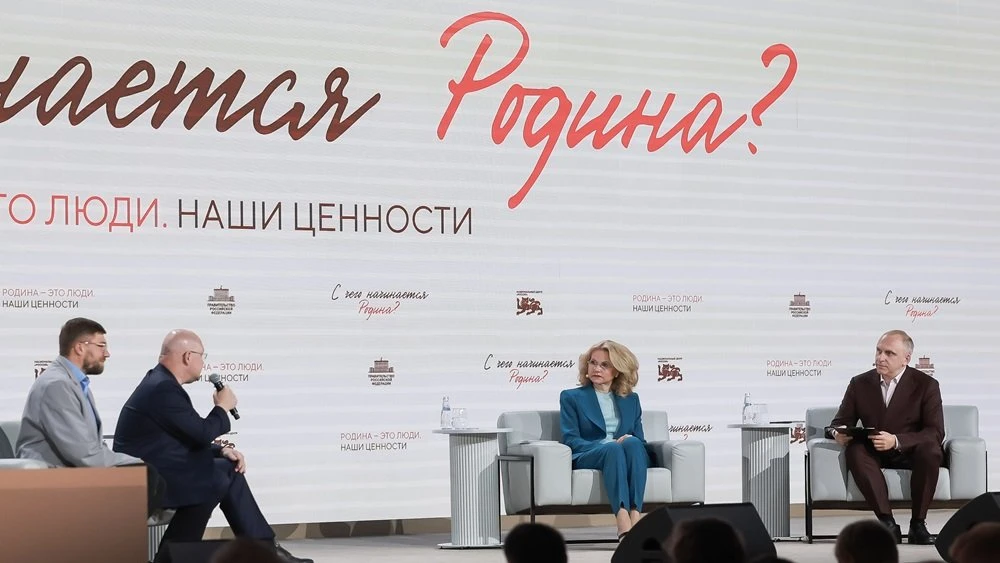
The Head of the National Centre of Historical Memory under the President of the Russian Federation, Yelena Malysheva, spoke about how Russia is building a system for preserving historical memory, the tools and technologies being used, and why protecting historical truth is becoming one of the key tasks facing the state and society.
"Historical memory is not a collection of isolated facts and events, but a set of meanings that unite us and allow us to feel that we are citizens of one country. One of our most important values is the rejection of Nazism. It took shape during the Great Patriotic War and became part of our moral code. Since 2026, the National Centre of Historical Memory has served as the national operator for the law on perpetuating the memory of the victims of the genocide of the Soviet people. And genocide is not merely a legal concept — it is about people and lives cut short. We have developed a system for preserving the memory of every individual and created the National Memory Portal. Our goal is also to involve society in this work. Preserving historical memory is not the task of historians alone, but an entire ecosystem encompassing cinema, theatre and education. These institutions transmit shared meanings and shape a culture of historical memory grounded in documentary evidence and factual accuracy. All of this is a vital safeguard against the falsification of history," said Yelena Malysheva.
Prominent cultural figures also took part in the event. The Director of the State Archive of the Russian Federation, Larisa Rogovaya, emphasised the importance of protecting reliable knowledge of the past based on archival sources, treating archival documents with care and conducting systematic educational outreach. Theatre and film actor, director, producer, Artistic Director of the Moscow Gubernsky Theatre, and Artistic Director of the Gorky Moscow Art Theatre Sergei Bezrukov spoke about the traditional Russian school of psychological theatre. Sergei Lobanov, a participant in the special military operation and a poet, shared his perspective on the artistic interpretation of historical events.
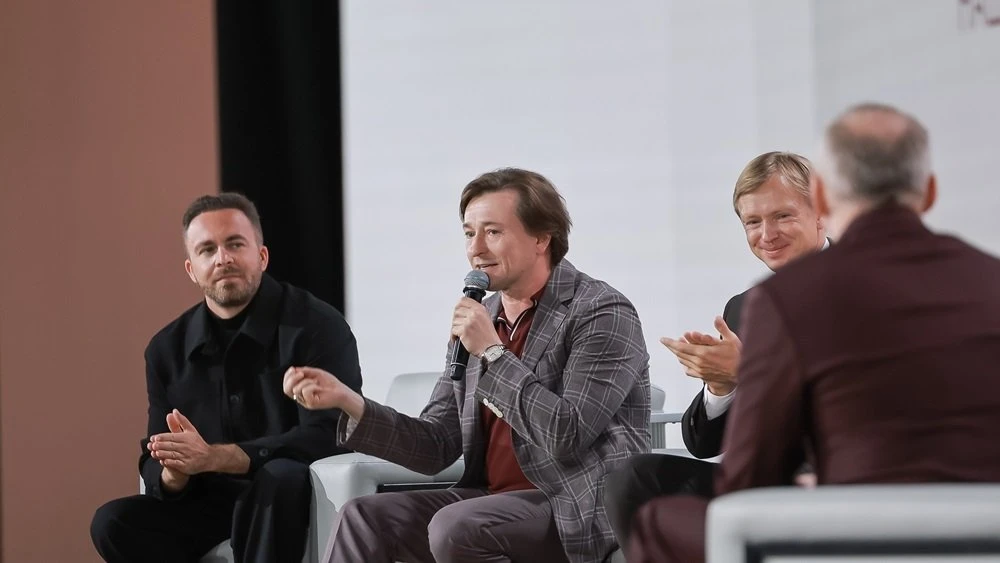
The session was also joined by Andrian Fadeyev, Artistic Director of the Mariinsky Theatre Ballet Company and Artistic Director and Director of the Leonid Yacobson Ballet Theatre in Saint Petersburg; and Ivan Nikiforchin, Artistic Director and Chief Conductor of the Moscow State Academic Symphony Orchestra, Founder, Artistic Director and Chief Conductor of the Russian Music Academy Symphony Orchestra.
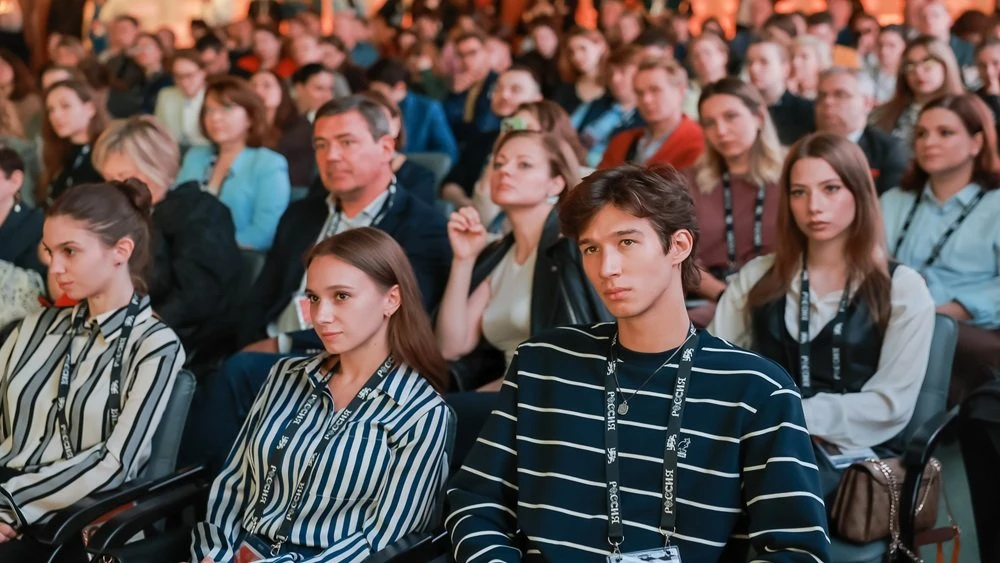
Particular attention was paid to supporting young talent. Drawing on their personal experience, the speakers discussed how the country provides free and accessible supplementary education for children at art schools, what is needed to develop professional and creative skills among the younger generation, and what opportunities the sector can offer to build a talent pipeline for young leaders. Alexander Savichev, creator of the Sysert Factory-Museum folk cultural and exposition project, and Larisa Kabina, Director of Children's Art School No. 1 in Togliatti, shared their experience.
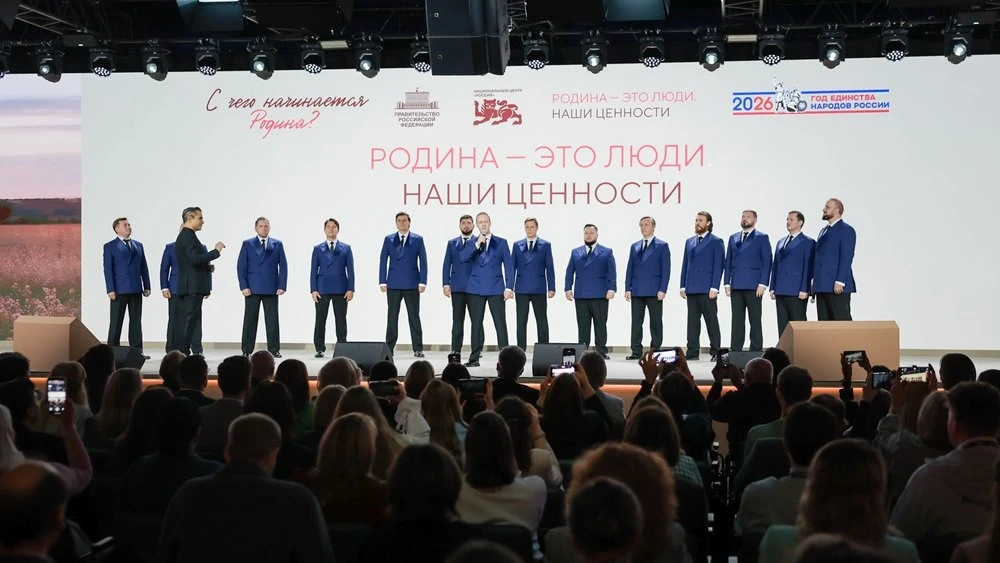
"Motherland Is People" is part of the National Centre RUSSIA's original project "What Does the Motherland Begin With?". The series consists of several stages involving representatives of the Government of the Russian Federation, heads of federal executive bodies, regional leaders and opinion leaders.

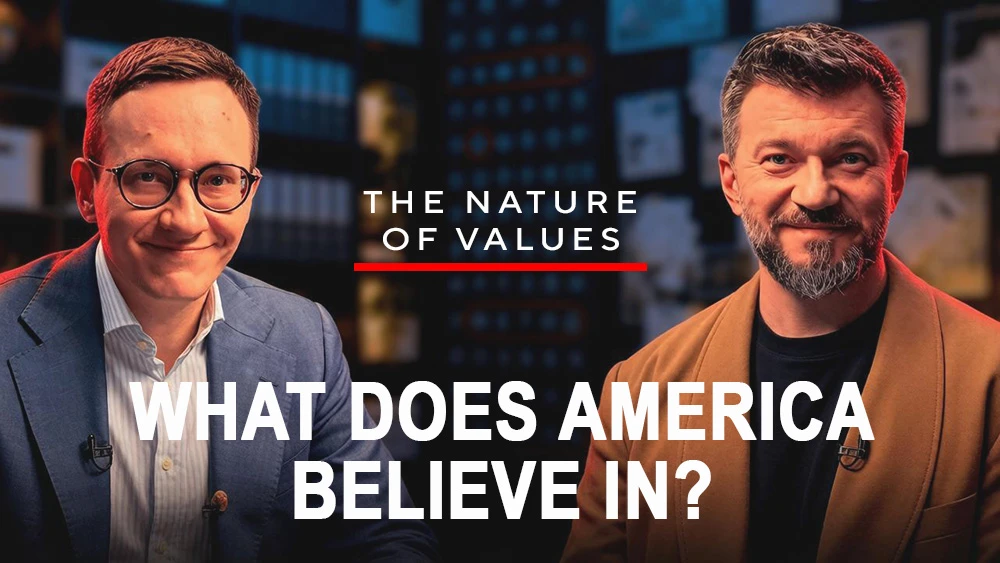
What makes up the "American dream", and why has its meaning changed along with America itself? The new episode of "The Nature of Values" podcast explores these questions.
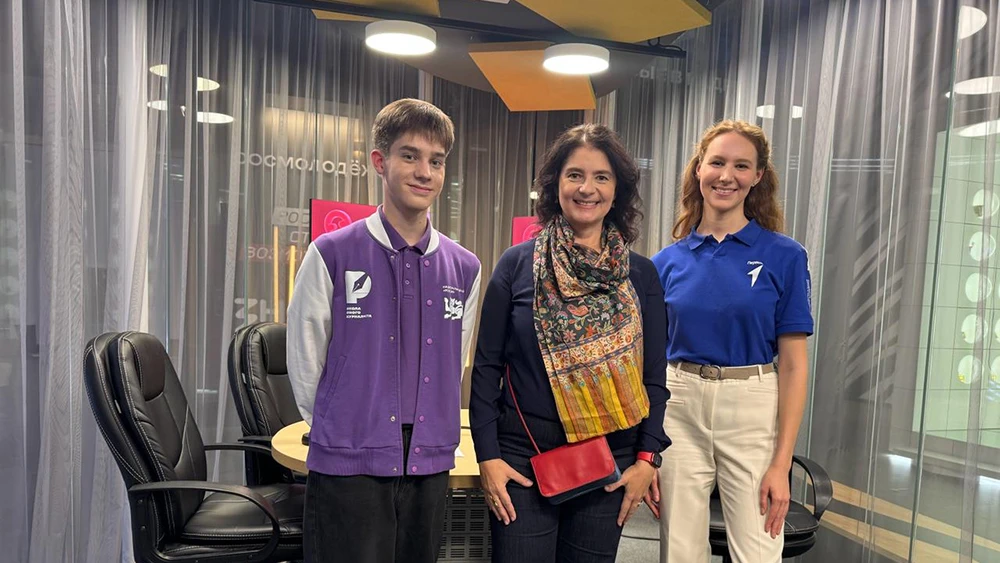
The scientist was interviewed by Anastasia Maltseva from the Movement of the First and a graduate of the Young Journalists School, Semyon Nikitin.
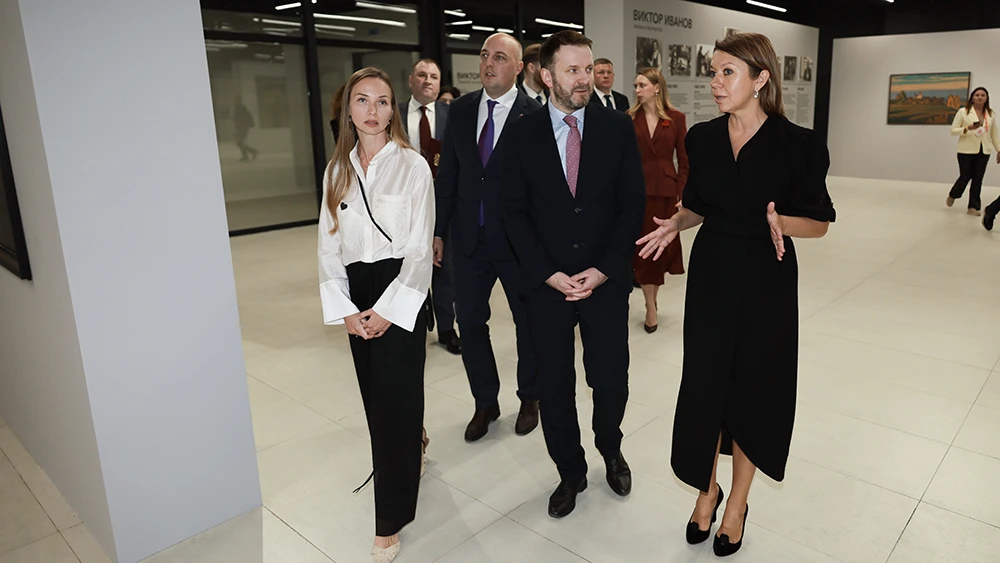
Works by the People's Artist of the USSR and a member of the Russian Academy of Arts, Viktor Ivanov, are on display for everyone to see at the National Centre RUSSIA in the Ryazan Region.


