


"Limits of the Human": neuroscientist Suzana Herculano-Houzel joins the National Centre RUSSIA's Open Lecture Hall podcast
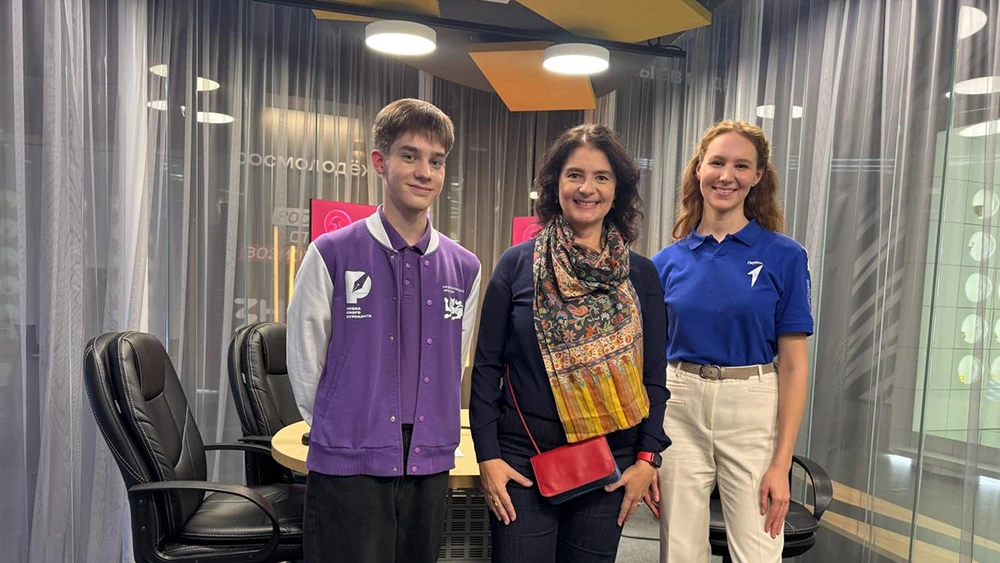
How the brain works, where scientific myths come from and
why technology should not replace independent thought were discussed in a
podcast from the Open Lecture Hall "Inventing the Future: Limits of the
Human" at the National Centre RUSSIA. The guest expert was the
Brazilian-American neuroscientist Suzana Herculano-Houzel, who was interviewed
by Anastasia Maltseva from the Movement of the First and a graduate of the
Young Journalists School, Semyon Nikitin. The episode was recorded in
collaboration with "Klassnoye Radio" and the Media House of the
First.
The conversation began with the scientist's first impressions of Russia. The
participants then discussed why it is important to know the history and culture
of one's people and how young people's lives differ in Russia and America.
Other topics included what makes humans unique beyond the number of neurons,
the role that food cooked over fire played in brain development and which
animals are considered the most intelligent after humans. The podcast
participants discussed mistakes in scientific work, the qualities that help
people remain researchers throughout their lives and how to make science
engaging.
The scientist also addressed artificial intelligence. In her view, there is no
need to reject technology: what matters is understanding how to use it
thoughtfully, while recognising that knowledge cannot develop without
independent thinking.
"Information is simply facts, while knowledge emerges when you process
them anew through your own experience. Your brain does not change or learn
anything until it has the relevant experience," the neuroscientist said.
Watch the new episode of the National Centre RUSSIA's Open Lecture Hall podcast
to discover how music changes the brain, why it detects out-of-tune singing and
whether researchers themselves can make mistakes.
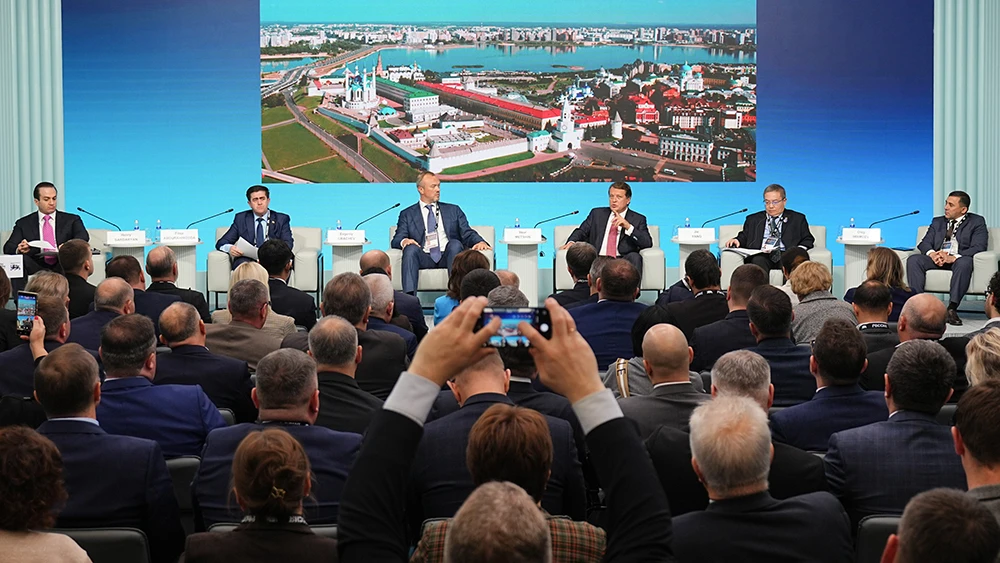
In a multipolar world, international ties are increasingly being developed at the level of cities and regions.
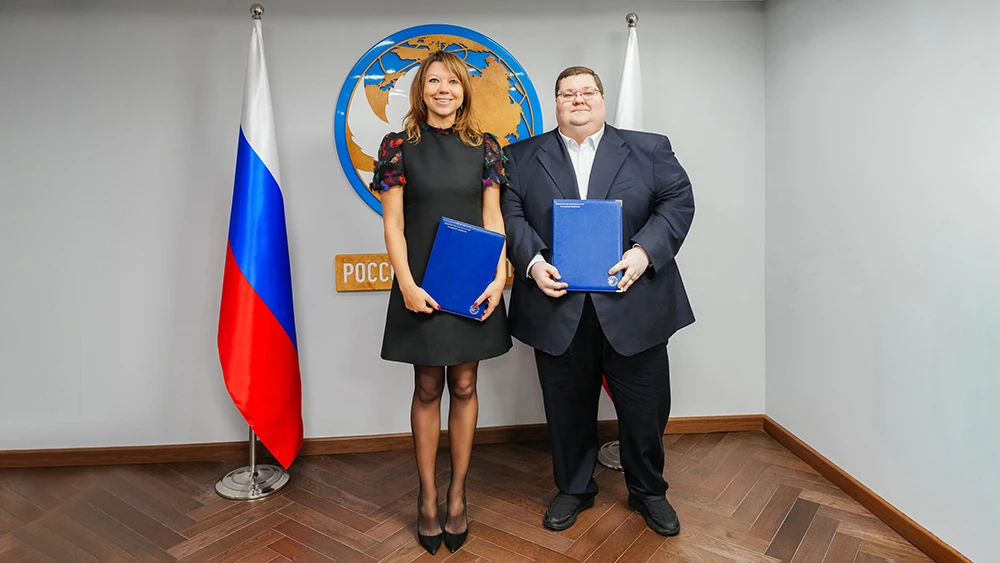
The agreement opens up new opportunities for joint projects in Russia and abroad, as well as for the exchange of professional expertise and the development of information partnerships.
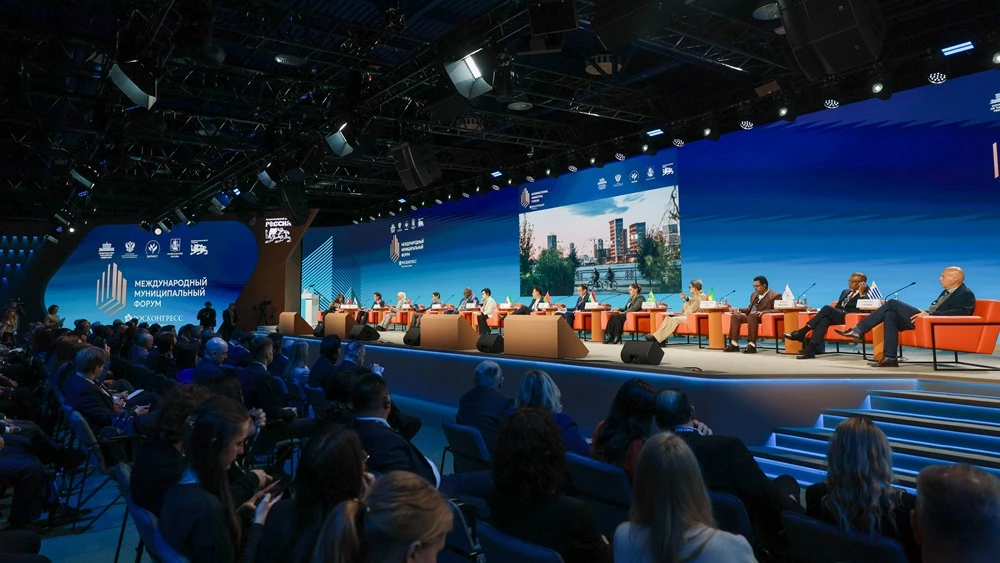
Participants discussed which objectives on the agenda have already been achieved and need to be reconsidered, and which require even greater efforts to improve people's quality of life.


