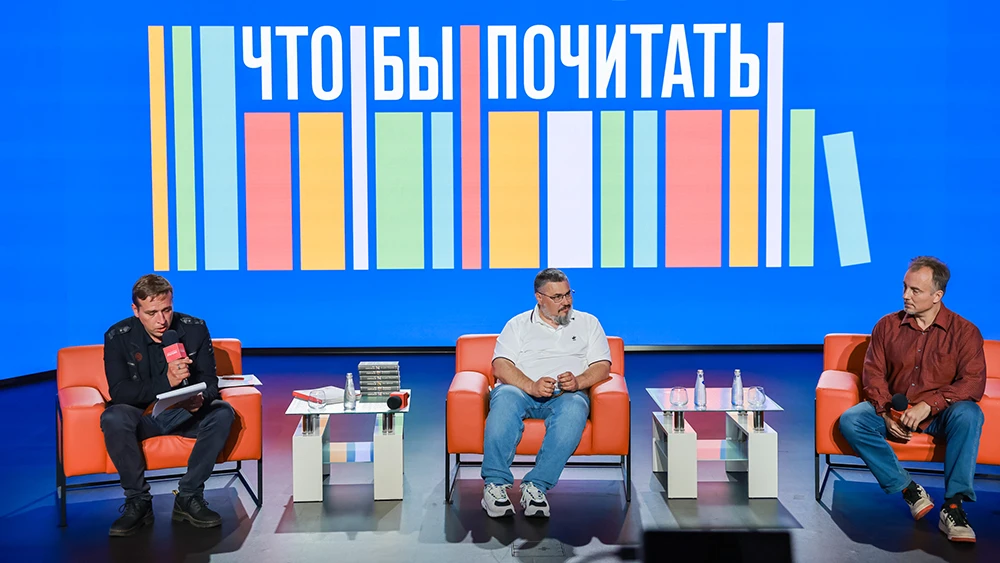
Songs that bring generations together: the National Centre RUSSIA wishes Yuri Entin a happy 91st birthday
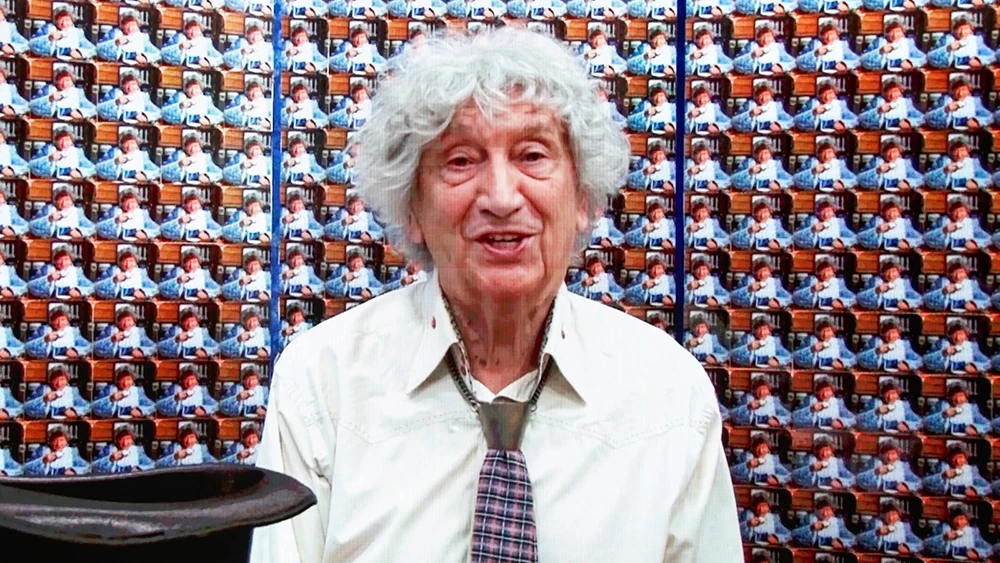
Yuri Entin, a poet whose songs accompanied the childhoods of several generations and became part of the country’s cultural legacy, turns 91 on 21 August. Lines from his works continue to be heard today: on stage and screen, at gatherings with friends and family celebrations, and, of course, at the National Centre RUSSIA.
Yuri Sergeyevich Entin was born on 21 August 1935 in Moscow to an engineer and an economist. During the Great Patriotic War, the family was evacuated to Chkalov, now Orenburg, where the future poet began school. After leaving school, he graduated from the Faculty of History at the N. K. Krupskaya Moscow Region Pedagogical Institute and later from the Faculty of Editing at the Moscow Polygraphic Institute. Entin worked as a history teacher and librarian before entering the publishing and music industries.
From 1962 to 1969, Yuri Entin headed the children’s editorial department at the Melodiya recording studio. It was during this period that his professional life became increasingly closely connected with children’s songs. In 1969, he became a "freelance artist" and devoted himself entirely to poetry.
Today, Yuri Entin has written the lyrics to more than 600 songs. His words have featured in iconic animated films and live-action films including "The Bremen Town Musicians", "Well, Just You Wait!", "The Flying Ship", "The Blue Puppy", "The Adventures of Buratino", "The Adventures of Elektronik", "Guest from the Future" and many others.
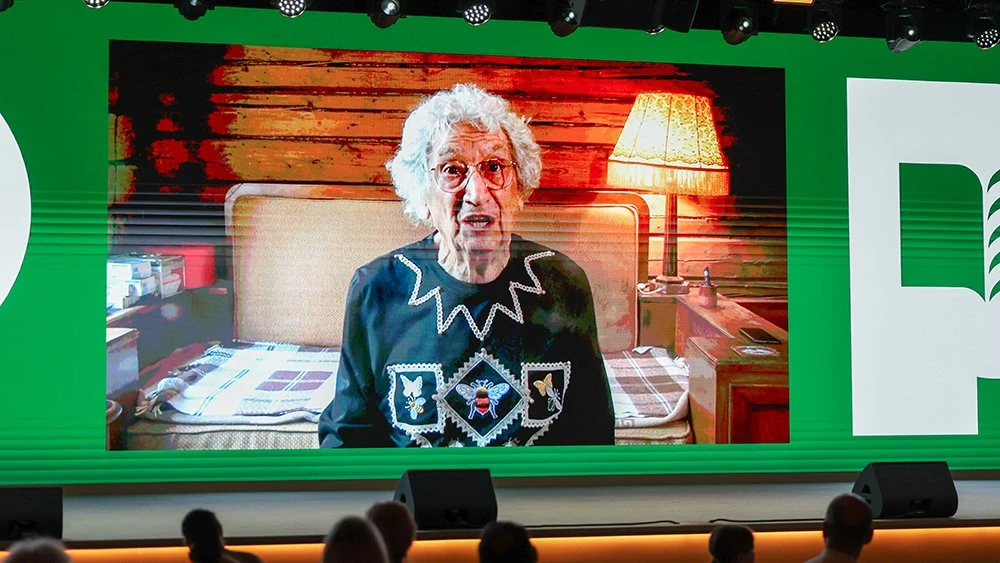
Over the decades, many of Entin’s lines have entered everyday speech and are recognised from their opening words: "That so-and-so ran away from the palace", "Who wants to be next?" and "My best present is you..." Entin’s work is not limited to songs. He co-wrote the screenplays for the animated films "The Bremen Town Musicians", "The Blue Puppy" and "Bang-Bang, Oh-Oh-Oh!", worked on the musical fairy-tale film "Mama" and wrote texts for theatrical productions.
The songs familiar from childhood also have fascinating stories behind them that reveal the poet’s character and creative method in their own way. For example, Yuri Entin wrote his first poem at the age of 13 while in hospital, inspired by a young nurse. The artists based the Princess from "The Bremen Town Musicians" on the poet’s second wife. Even the title "Chunga-Changa" came about entirely by chance: Entin saw a poster bearing the surname of a choreographer named Chang and transformed it into the name of a fictional island. The poet’s connection with Orenburg also continued through his work: in 2006, the song "Live, Orenburg!", with lyrics by Yuri Entin and music by David Tukhmanov, became the city’s official anthem.
Yuri Entin’s contribution to Russian culture has been recognised with state and professional awards. In 2016, he received the Presidential Prize of the Russian Federation in Literature and Art for Works for Children and Young People, and in 2021, he received the Icarus National Animation Award in the honorary "Master" category. Entin is also the founder of the "Yuri Entin Creative Centre", which supports children’s creativity and organises festivals.
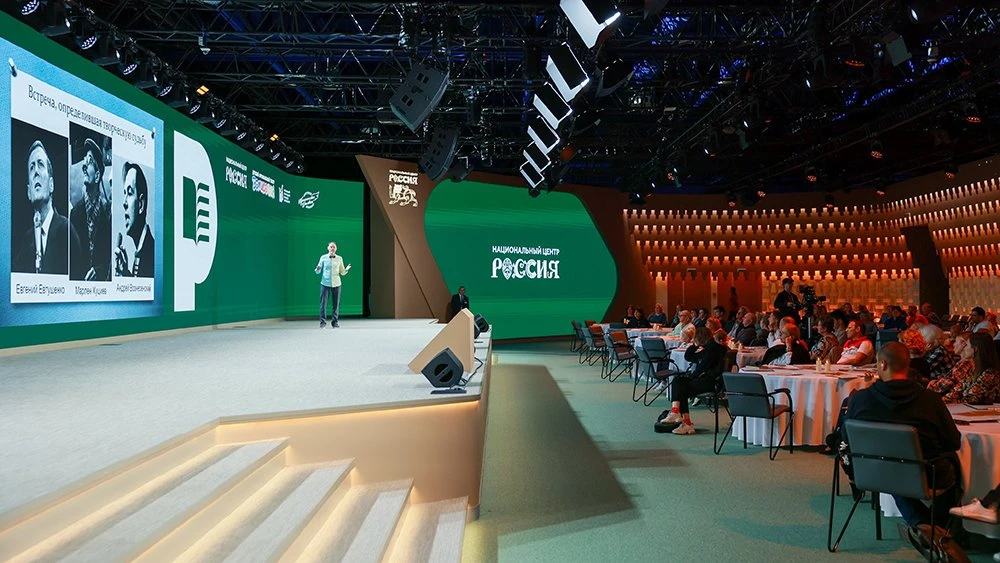
The poet’s work continues to bring generations together today. In 2025, the National Centre RUSSIA held a series of events dedicated to Yuri Entin’s work to mark his 90th birthday. The interactive event "World of Poetry: Speak Like Entin" was held as part of the original series "Masterpieces. The Best of Russia". Guests recalled and sang the poet’s beloved songs together, including "The Beautiful Faraway", "If There Were No Winter", "The Winged Swing", "I Want to Fly", "Ray of Golden Sun", "Forest Deer", "Chunga-Changa", "Nothing in the World Is Better", "Tell Me, Snegurochka, Where Have You Been?" and others. These songs are known and loved both in Russia and far beyond its borders.
In addition, Denis Denisov, Chief Editor of the "Yuri Entin Creative Centre", Director of the "The Beautiful Faraway" Children’s Song Development Foundation and the poet’s personal assistant, delivered a lecture exploring his work. He demonstrated how Entin’s songs became a link between generations: children, parents and grandparents know them equally well.
This is perhaps the defining phenomenon of Yuri Entin’s work: the songs he created do not remain merely childhood memories. They continue to pass from one generation to the next, preserving their familiar words, melodies and emotions while being rediscovered by listeners each time.
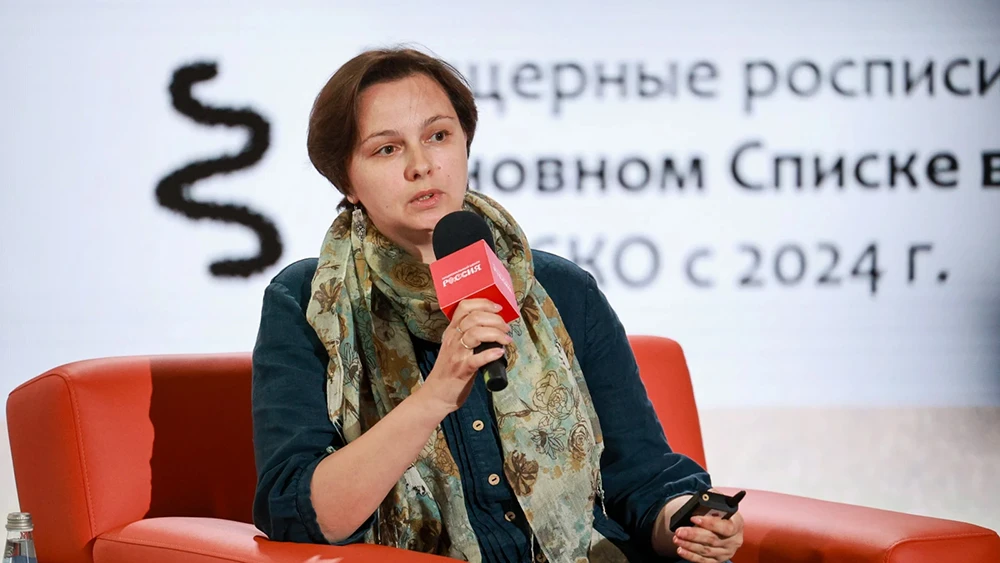
The White Sea and Lake Onega sites were the first Russian examples of ancient cave images, rock paintings and petroglyphs to be included on the UNESCO World Heritage List.