Victory song for a new generation: how Klava Koka prepared her number for "Soldiers’ Dreams"
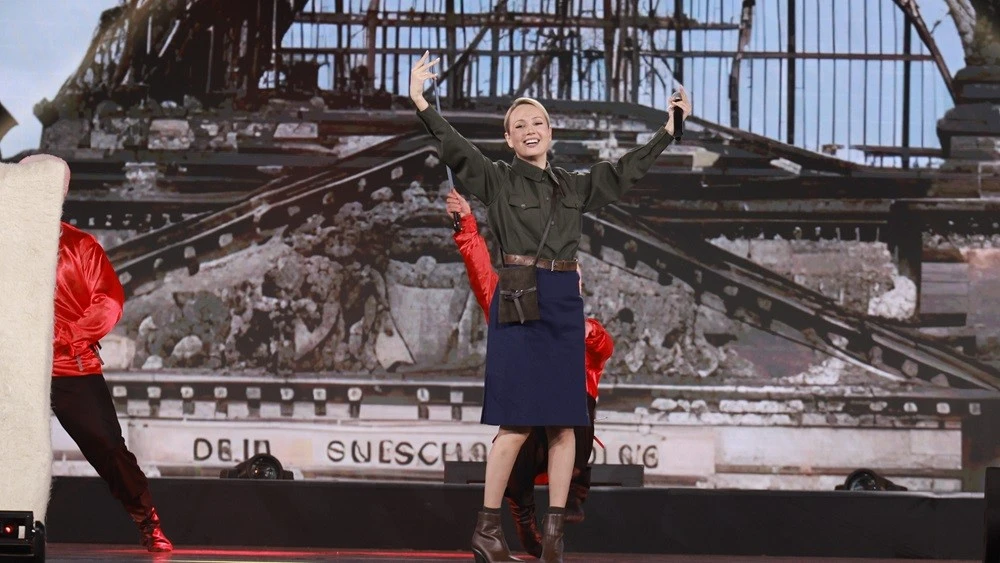
Finding a balance between respect for a legendary wartime song and a modern sound close to the younger generation — this was the task Klava Koka faced while working on her number in the National Centre RUSSIA performance "Soldiers’ Dreams". The popular singer, together with the YAR Moscow Song Theatre, performed the famous song "Cossacks in Berlin", bringing together generations of audiences and artists.
"For me, it was a challenge of sorts — to show respect for the original and add something new and modern, but without overdoing it. It is difficult, and I had five versions: options in both pop and dance styles. Before creating the arrangement, I listened again to every version I could find. I wanted to be at least somewhat original, while still keeping the classic version as the foundation," the singer admits.
According to Klava Koka, work on the number was carried out literally note by note: together with her team, she created new parts, wrote backing vocals and melodic nuances to emphasise the dramaturgy of the song without breaking its character. For the artist, this experience became not just a musical task, but an opportunity to touch the history of the war years in a new way through the living intonation of a frontline song.
The song "Cossacks in Berlin" became the first musical work created specifically in honour of Victory. Its lyrics were written by war correspondent Caesar Solodar, and its music by brothers Dmitry and Daniil Pokrass. On 9 May 1945, Solodar witnessed a scene that later formed the basis of the legendary text. At one of the crossroads in Berlin, he saw a young traffic controller in military uniform who, with a clear wave of her flags, stopped the movement of vehicles and infantry to let a mounted column of Cossacks pass. In the sound of hooves, so unusual for the city, in that brief living encounter, in the girl’s smile and her spirited call not to hold up the movement, the feeling of Victory Day was reflected — the entry of liberators into the defeated enemy capital.
Just a few hours later, on a flight to Moscow, Caesar Solodar drafted the first lines of the future song. That same day, he read the fresh verses to the Pokrass brothers. The composers immediately sensed the living intonation of Victory in the text, but suggested strengthening it with a memorable refrain. This is how the famous lines were born: "Cossacks, Cossacks! Our Cossacks are riding, riding through Berlin." By the evening, the music was ready — the song was essentially born in a single day, on 9 May 1945.
Soon, "Cossacks in Berlin" was heard on all-Union radio, performed by Great Patriotic War participant Ivan Shmelev. The country quickly picked up the song — it was sung in squares, in homes and at concerts, and later entered the repertoires of Yuri Bogatikov, Viktor Vuyachich, Dmitry Hvorostovsky, Cossack choirs and many vocal ensembles. The heroine of the song was the real frontline traffic controller Lyubov Belenkaya, who went through the war from Crimea to Berlin.
The performance "Soldiers’ Dreams" at the National Centre RUSSIA brings together documentary chronicles, memories, poems and music from wartime. Together with the characters, the audience follows the journey from everyday life at the front to the joy of Victory and returning home — the very "soldiers’ dreams" that supported fighters and their loved ones. The production brought together artists of different generations on one stage: People’s Artists of Russia Lev Leshchenko, Ilya Reznik, Sergei Shakurov and Valeria, Honoured Artists of Russia Yelena Vaenga and Varvara, as well as popular performers of the new era.
The legendary songs of the war years were performed both in authentic versions and in modern arrangements. Klava Koka’s number became part of this major conversation about memory: it shows how the music of Victory can remain close and understandable to young people, without losing respect for those who once heard these songs amid the roar of the front.
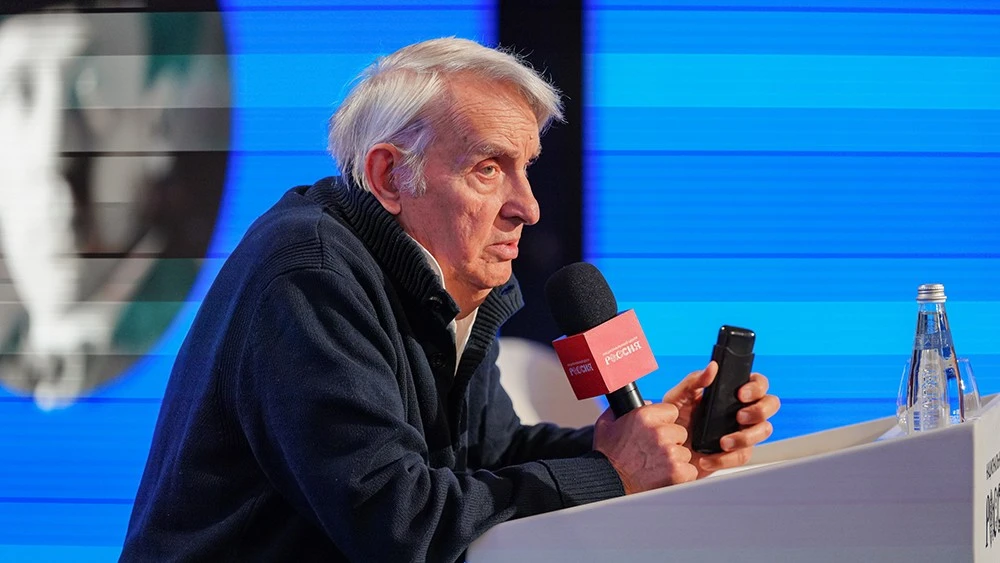
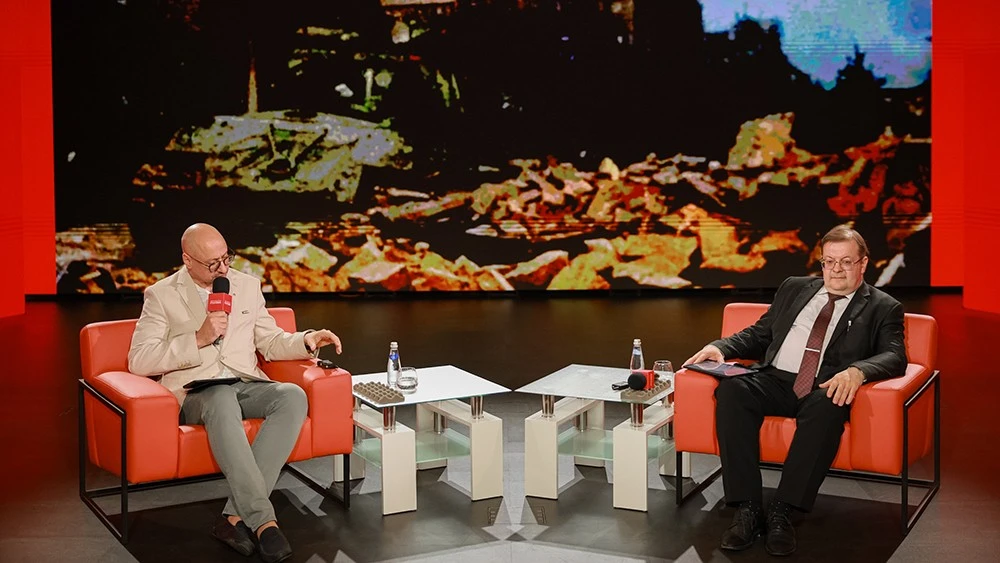
A new cycle of historical meetings and lectures dedicated to great events of our past began on 22 May at the National Centre RUSSIA.