


A piala is passed from hand to hand: what you need to know about a traditional Uzbek meal
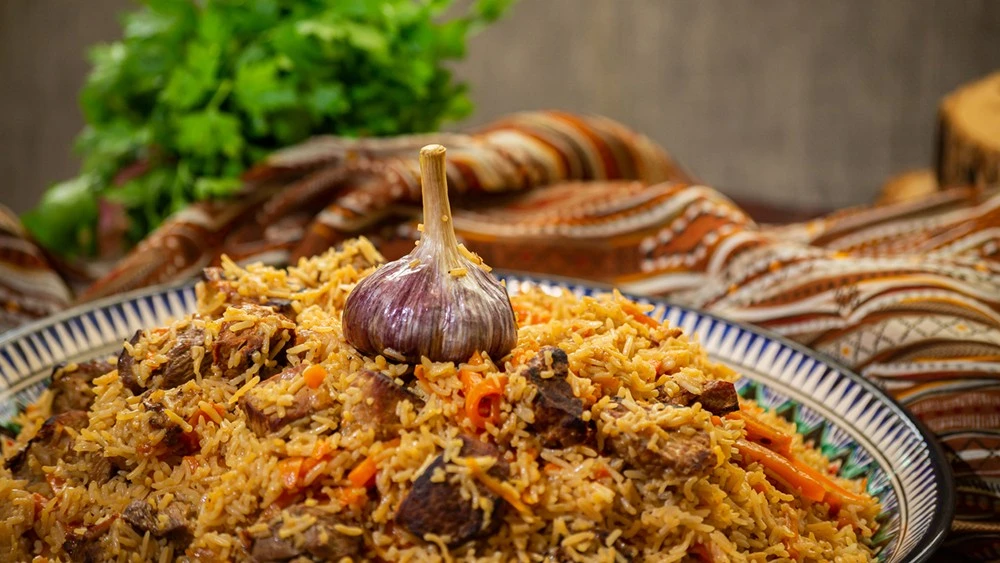
Alongside history, culture and folk traditions, cuisine is an important part of the national code. The culinary traditions of Uzbekistan are no exception. Each dish here preserves the memory of nomadic ancestors, the Silk Road and the hot sun. It is also an ancient art of hospitality, which the people of the country take pride in no less than the shrines of Samarkand.
Pilaf in Uzbekistan is not just a dish but a whole philosophy. It is prepared for weddings, holidays, birthdays and simply for loved ones. Each region has its own recipe. Fergana pilaf is richer and more spiced, Samarkand pilaf is lighter and more separate, while in Bukhara barberry and cumin are added to the dish. But the main secrets of cooking are the right kazan (pot), slow long simmering and, of course, the host’s generosity.
Another source of pride for Uzbeks is flatbread. It is baked in a tandoor, a clay oven that gives a crisp crust and a soft, porous interior. Each piece has a special pattern applied by the baker before baking using a tool called a chekich. In the past, these patterns could be used to identify the city, or even the household, where the bread was made. Among the most well-known types are obi-non for everyday meals, katlama — layered flatbreads often filled, zogora-non made from corn, and patyr — flatbreads usually served on special occasions. All flatbreads are traditionally eaten without a knife, broken by hand.
Uzbek tea drinking is a ritual that does not tolerate haste. Tea is served in pialas, small handleless bowls. They are filled only partway so that the guest does not burn themselves and returns more often to the host for a refill, maintaining a slow conversation. Thyme and other spices are often added to the tea, and honey, nuts and sweets are served alongside. Refusing tea in Uzbekistan is not acceptable, as it is considered impolite and may offend the host.
Traces of ancient Russian tradition can also be seen in Uzbek cuisine. For example, locals gladly eat dumplings similar to pelmeni, called chuchvara and often served with sour milk. The dish mashkichiri, made from mung beans and rice, can be seen as a kind of analogue to Russian buckwheat porridge, while Uzbek-style pancakes are known as yupka — a very thin dough dish often prepared with fillings such as minced meat, onion, carrot or spices.
From 20 to 22 April, "INNOPROM. Central Asia" will take place in Tashkent. For the first time, the National Centre RUSSIA will take part in an international event and present one of its flagship projects — the Department Store of the National Centre RUSSIA. The exposition will be designed in a merchant style, highlighting the shared cultural elements of Russia and Uzbekistan. The panel discussion "Dialogue of Generations: A Fashionable Trend Towards Tradition", held in partnership with the National Centre RUSSIA, will show how cultural identity becomes a competitive advantage and how distinctive brands build bridges between countries.

The National Centre RUSSIA invites visitors to a special event on 19 June dedicated to the unique rock art monuments preserved across the country.

Renowned television presenter and journalist Yekaterina Andreyeva believes that it all begins with the atmosphere within our families.
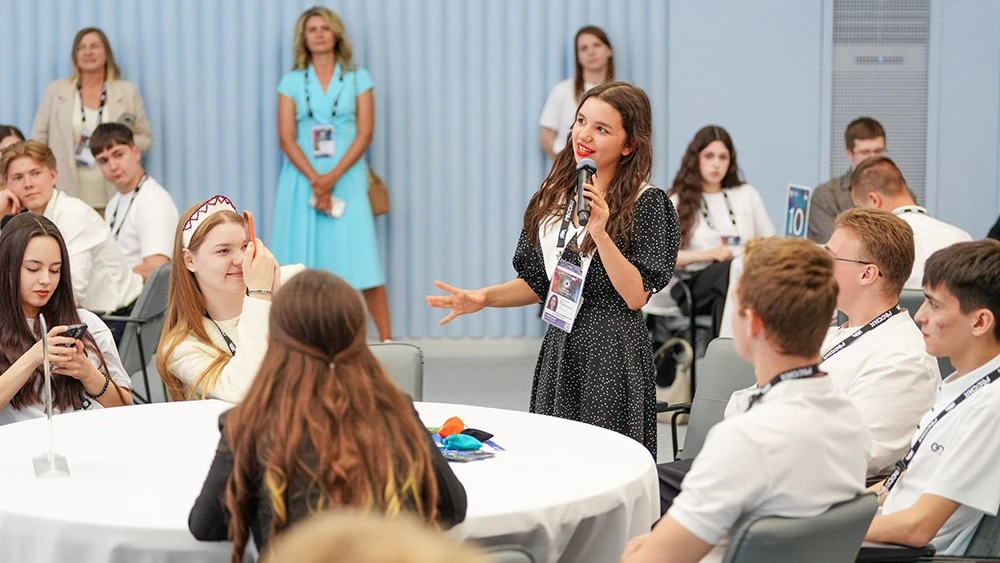
The team from the Altai Territory named "COD — Club of Open Doors" won third place in the 16–18 age category of the II Video Essay Contest "Dreams of the Future".


