Cuts, rhythm, captions: young journalists at the National Centre RUSSIA learn the secrets of video editing
Capturing a viewer’s attention from the very first second,
turning scattered footage into a coherent story, adding effects and subtitles —
a session of the Young Journalists School at the National Centre RUSSIA focused
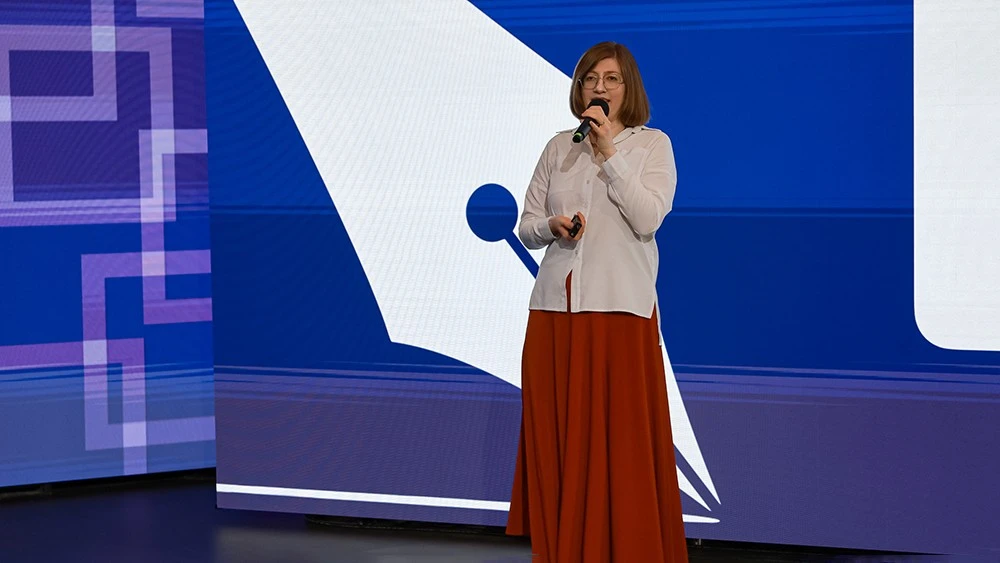
on video editing. The secrets of the craft were shared by creative producer and
video content specialist Sofia Avanesyan.
At the previous session, participants learned the basics of
filming; now they have moved on to the next step — editing vertical videos for
social media. Sofia Avanesyan began her career in school media and understands
how teenagers can set and pick up trends.
According to the speaker, editing is a way to shape a story
and convey emotion. No matter how strong the raw material is, without proper
editing it will not work. She noted that the same footage can be edited into
either a sad story or an upbeat, motivating video. Music, rhythm, shot length
and scene order all serve as the "packaging" of meaning.
"Editing is your reflection. Even if you use the same
trend, it still passes through your personality. It is important not just to
'cut things nicely', but to understand what you want to tell the viewer and
what feeling they should take away after watching," explained Sofia
Avanesyan.
The young journalists discussed why vertical video has
become so popular on social media and how this affects editing approaches. They
concluded that short formats, the habit of scrolling through feeds and the
convenience of mobile platforms mean creators must capture attention within
seconds. This is why the opening shots matter so much: they must immediately
grab attention — through an unexpected angle, action or an intriguing line.
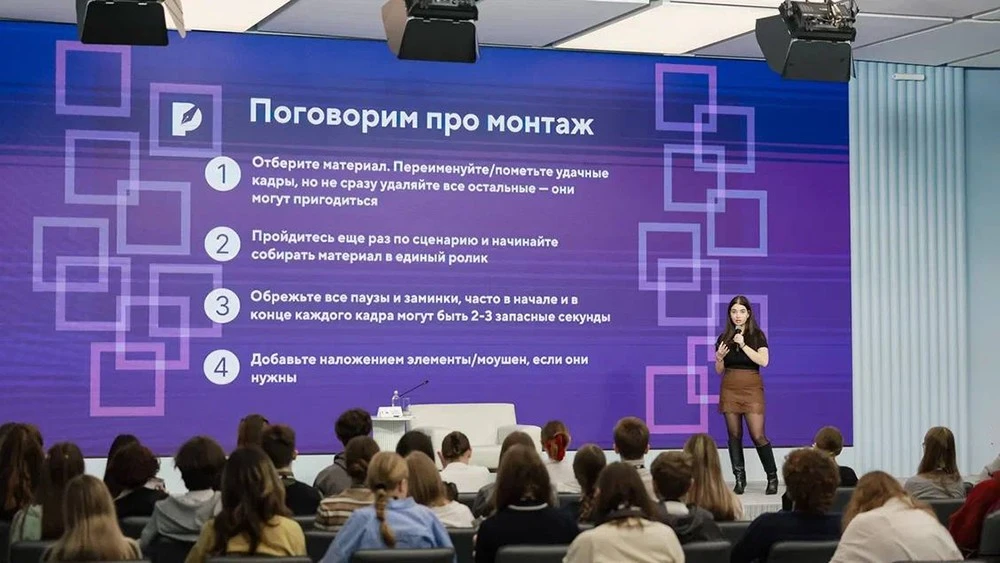
During the session, Sofia Avanesyan walked participants
through the basic "editing ladder" on a smartphone, from selecting
footage to final export. She explained why it is not worth deleting
unsuccessful takes right away, how important it is to remove long pauses and distracting
breathing, and when, why and where to add subtitles.
Participants analysed a popular short video, noting how the
shot changes every one and a half to two seconds, how sound is aligned with
transitions, and how the first and last frames create a looping effect that
encourages viewers to watch again. After the theory, it was time for practice:
the group split into teams and created their own 30-second videos.
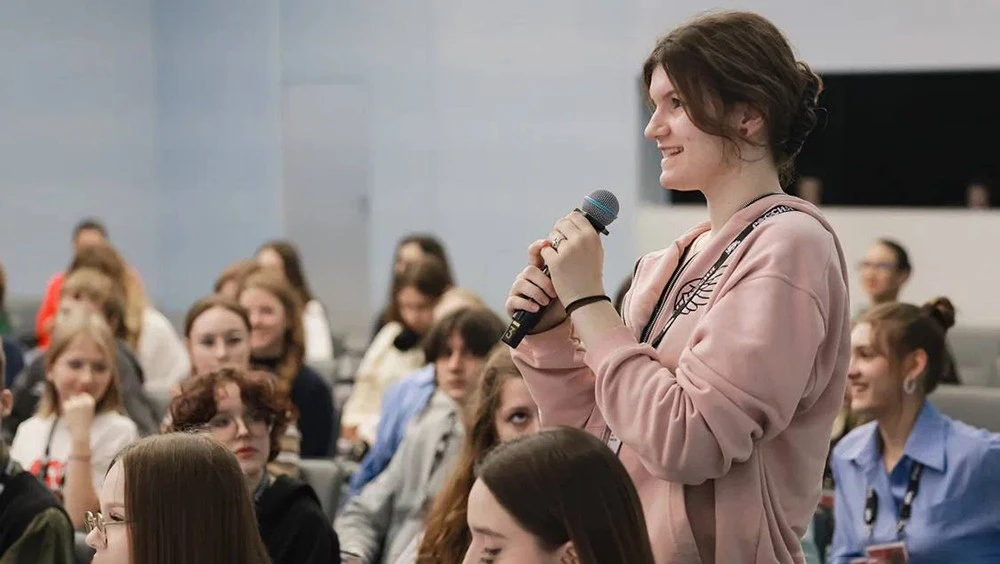
"I really liked today’s session because it was a live
dialogue. We were not just listening — we discussed, joked and tried things
out. In practice, we explored many effective editing techniques that I will
definitely use — both in everyday life and when telling stories about school
and the Young Journalists School," said participant of the Young
Journalists School Anna Filimoshina.
Alisa Ulvis noted that after the session she felt inspired
to try video editing herself: "Today I realised how engaging it is — how
editing can enhance a script and capture the viewer’s attention from the very
first seconds. Even though it is not my main focus, I want to try it, and these
skills will definitely be useful in the future."
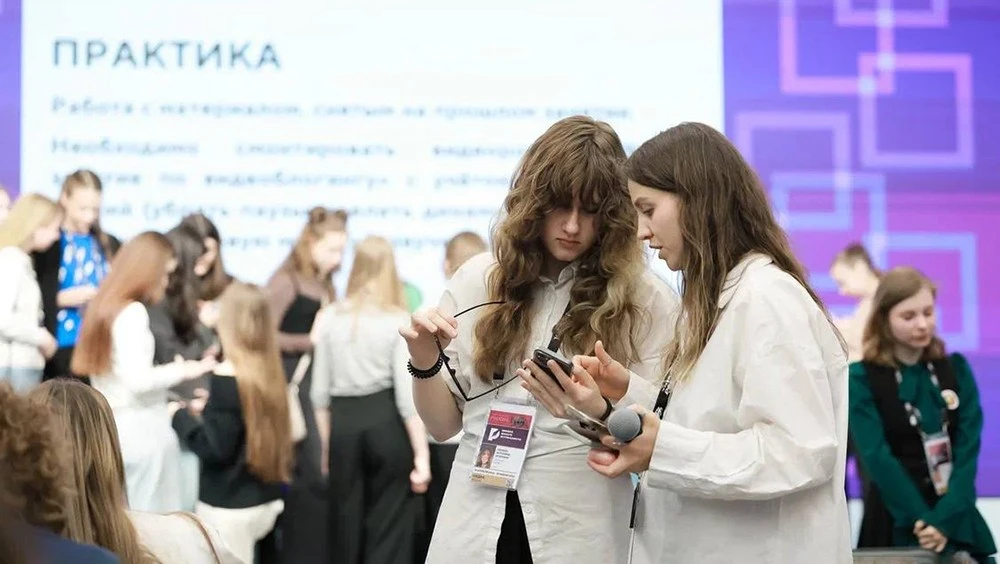
At the end of the session, participants had the opportunity
to ask questions about the profession. Sofia Avanesyan spoke about how she
learned editing and what helped her grow from a school media enthusiast into a
creative producer on major projects. She advised participants to start with
topics that genuinely matter to them and can be useful to others — such as exam
preparation, participation in projects, school life or volunteering.
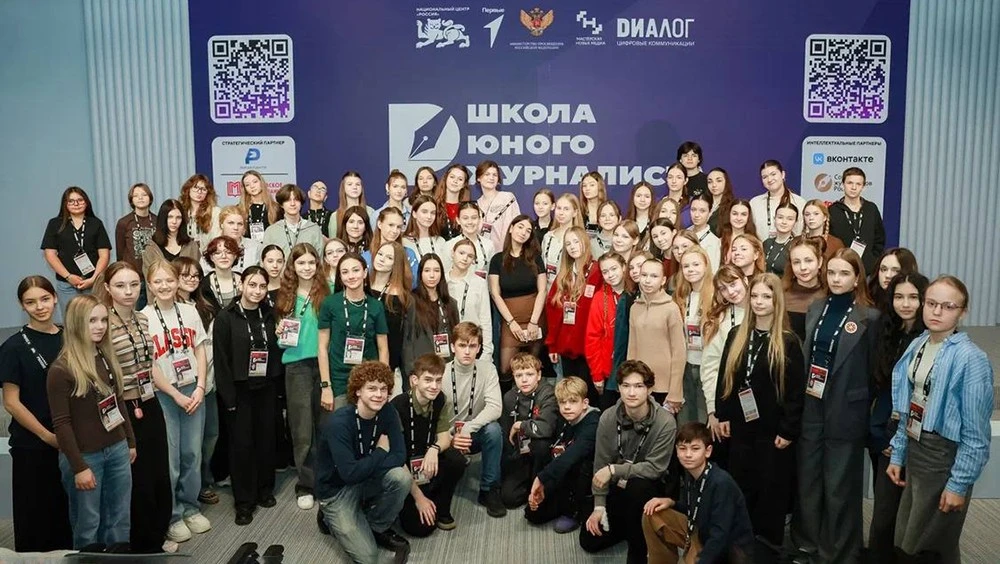
The session was held as part of the Young Journalists School
at the National Centre RUSSIA, implemented jointly with the Movement of the
First with the support of the Ministry of Education of Russia. VK serves as the
intellectual partner. The project helps teenagers master modern media tools —
from writing and interviewing to filming and video editing — and learn to tell
their stories in a way that is engaging across formats.
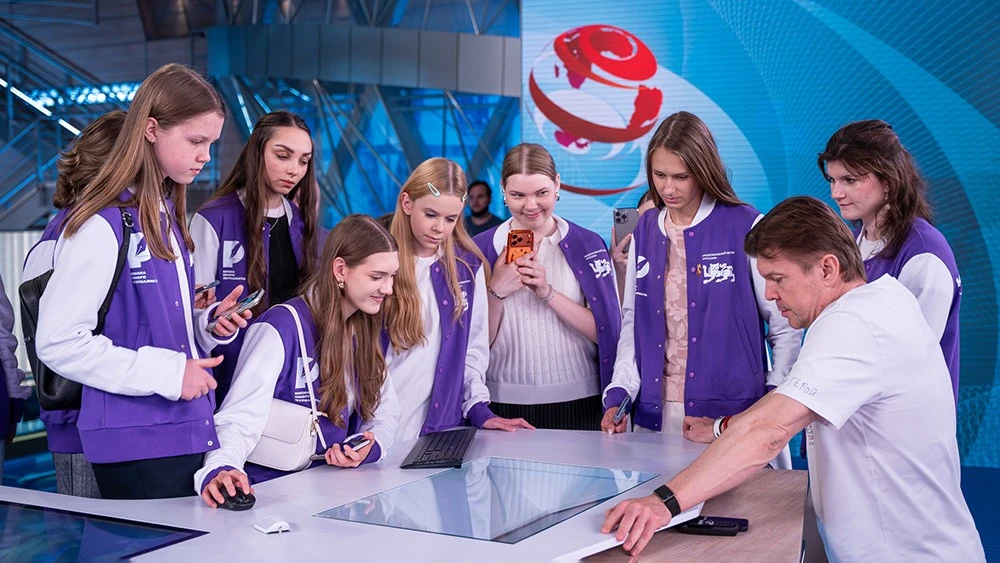
The students visited the heart of Russian television, Channel One.
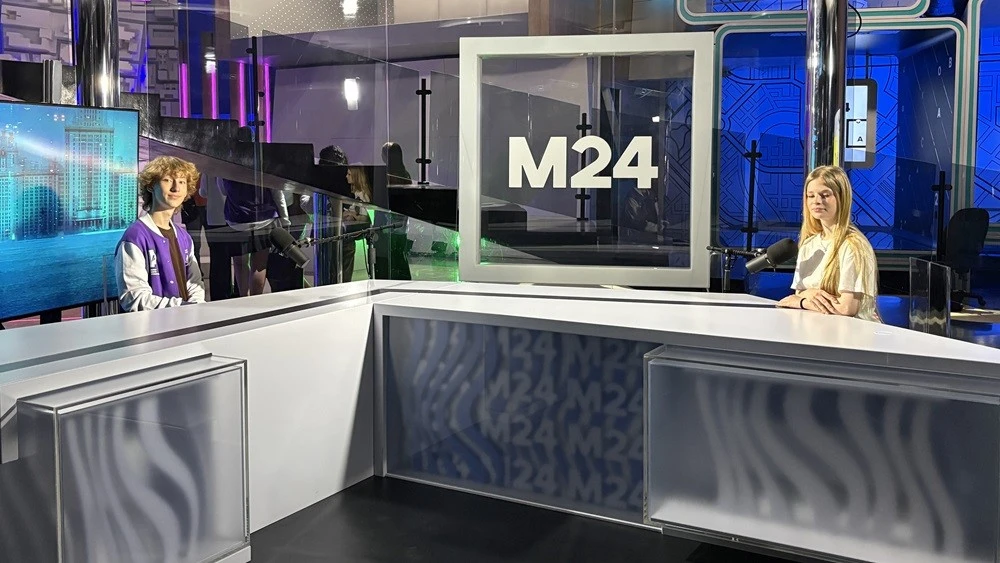
The staff of the Moscow 24 editorial office explained how a city news television channel operates, covering events in the capital and Moscow Region.