


Inside the press office: young journalists learn how to become the voice of a major organisation
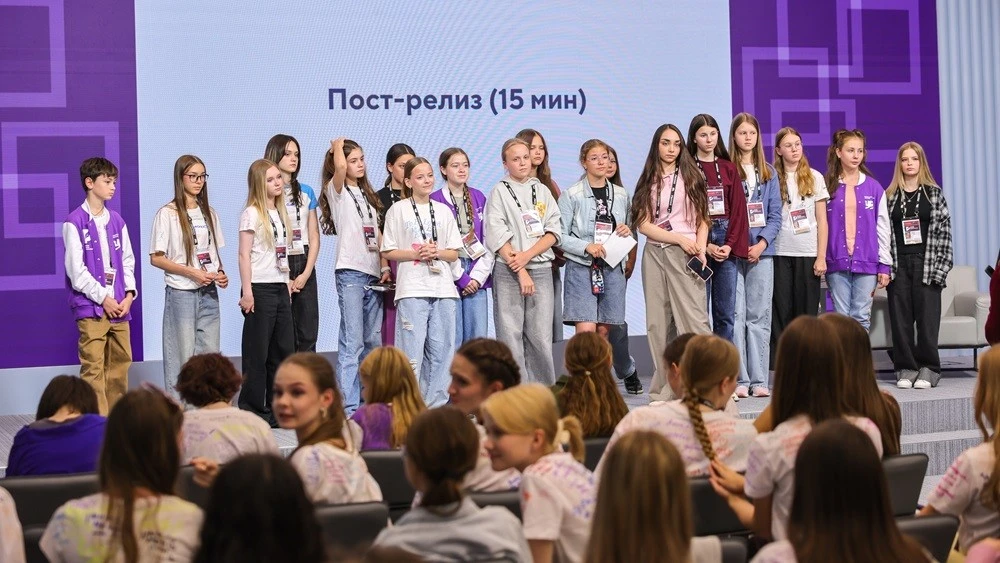
A successful media career is not limited to journalism or blogging. Public relations offers enormous opportunities for professional development. In a world where the news agenda changes every hour, the press office becomes the voice and face of an organisation, shaping audience trust and influencing project outcomes. Participants in the Young Journalists School of the National Centre RUSSIA discussed how to develop media relations from the first steps to a systematic strategy during the session "The Press Office from A to Z: Organise, Develop and Achieve Results". The expert was Diana Kudryavtseva, Head of the Press Office of the Senezh Management Workshop of the presidential platform "Russia — Land of Opportunity".
The session began with a discussion of the qualities a specialist needs and why a modern press office must understand project content, the media market and neural network technologies.
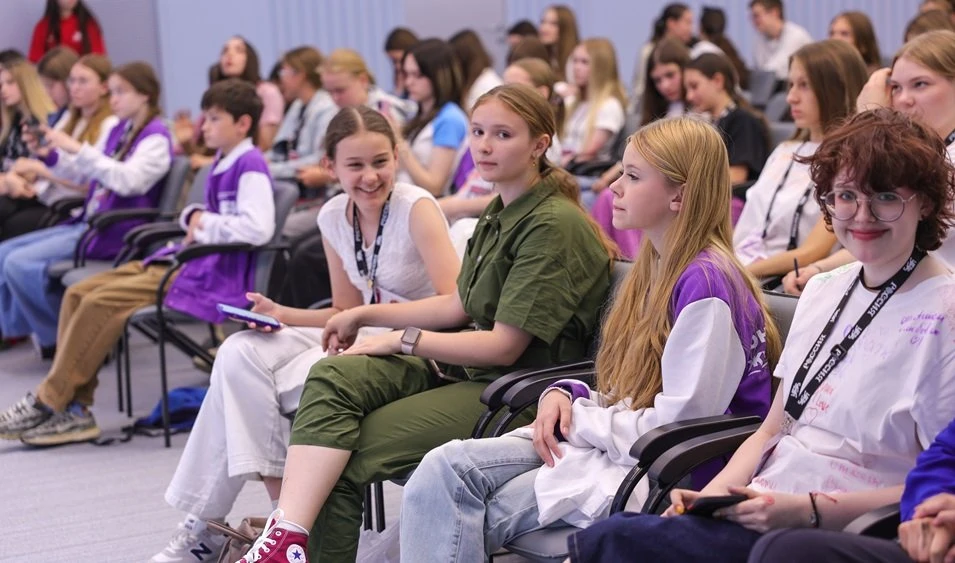
"The first quality you need is exceptional resilience to stress, because you will have to work with an enormous volume of information, understand everything related to the organisation and, at the same time, remain the friendliest and most diplomatic person possible, maintaining professional relationships with journalists, colleagues and contractors around the clock. Essential skills are also required: writing correctly, structuring data, learning to use AI as a tool for speeding up routine tasks and promoting initiatives within the organisation," Diana Kudryavtseva said.
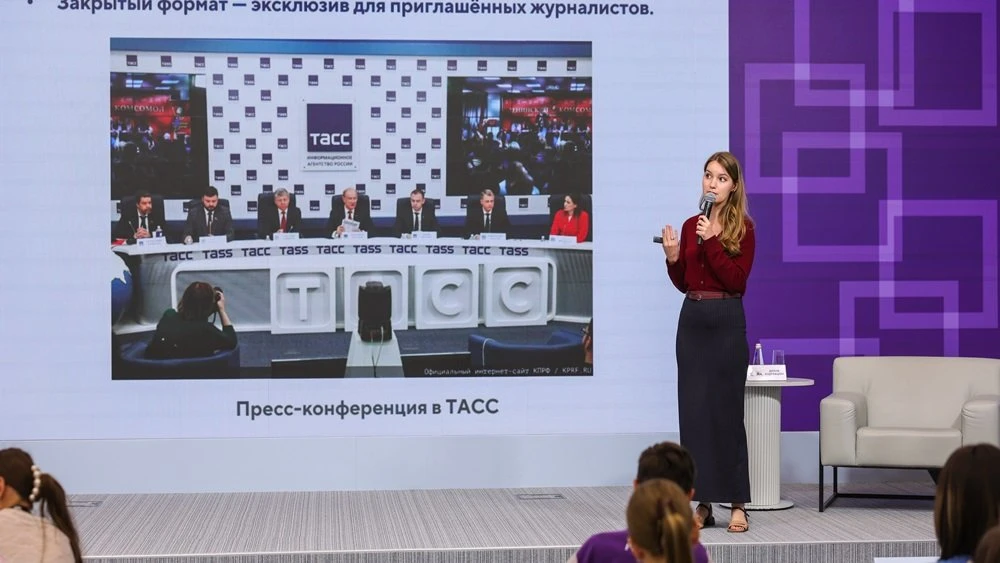
The expert explained the place of a press office within a company’s hierarchy, how to begin creating one and how to build relationships with the media, from initial contacts to long-term partnerships. The participants examined the main tools in detail: press releases, media kits, press scrums and briefings, press tours and press breakfasts.
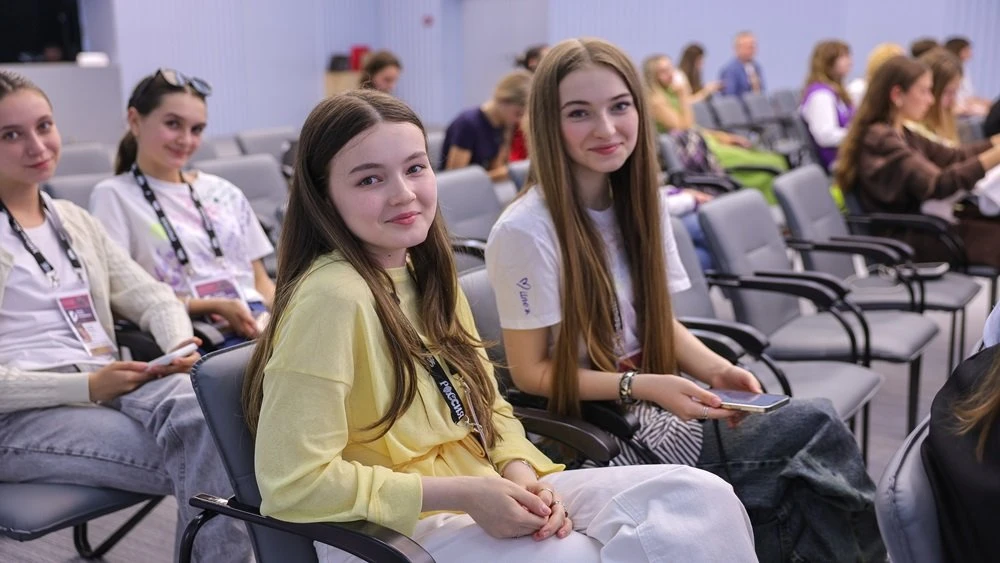
Using a real case as an example, Diana Kudryavtseva demonstrated how informal conversation over morning coffee can become an effective format for working with a select group of journalists. The participants also discussed the importance of headlines and the overall quality of texts: "If you know how to write news stories, you know how to write press releases. The main thing is to understand clearly what you want to communicate, write in simple and accessible language and capture attention immediately with the headline: journalists deal with a huge number of press releases, and without a strong headline, you simply will not be noticed."
The young participants also learnt how to calculate reach and social media reactions, why public opinion surveys are needed and why a press office must set measurable goals for one or two years ahead, from increasing recognition to changing attitudes towards a project. The expert emphasised that a strong press secretary must know the organisation inside and out, be able to find internal experts quickly and translate complex wording into language that the media can easily understand.
During the practical part, the teenagers tried writing a post-event press release about the completion of their studies at the Young Journalists School and held a press conference, dividing into experts and interviewers.
"You are already remarkable professionals: you have an excellent foundation for working as journalists and press secretaries, as well as becoming speakers and public figures. I sincerely recommend launching your own small media outlet after completing the programme. It is better to do this as a team: the more engaged and committed people you have around you, the stronger your project will be. It could be a media outlet about sport, lifestyle, education, media literacy or countering fake news. You have everything you need to create a high-quality media product and promote it yourselves, drawing on the experience and knowledge you have already gained," Diana Kudryavtseva concluded.
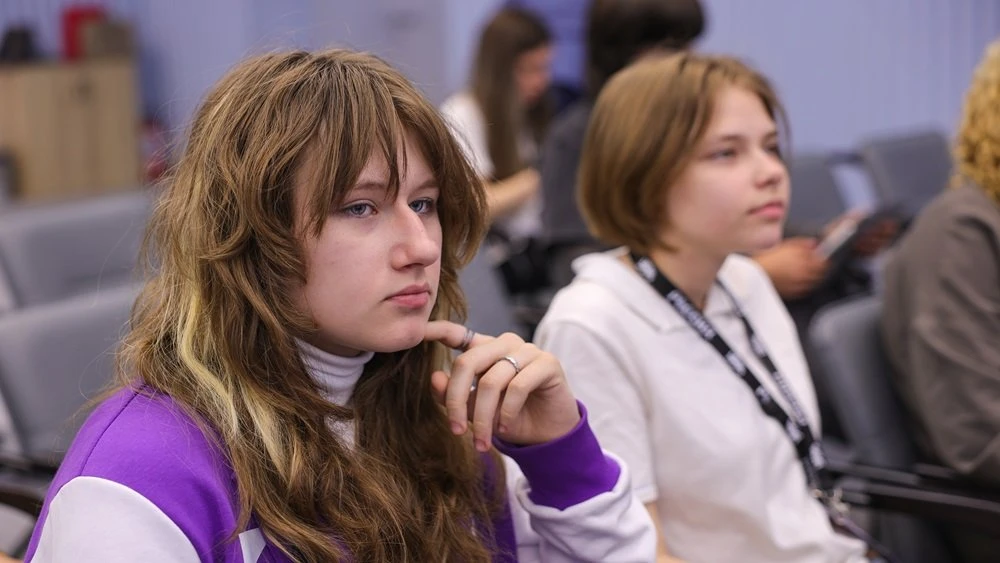
The Young Journalists School is a multi-format educational project of the National Centre RUSSIA. It helps teenagers acquire basic professional skills, become acquainted with leading Russian media outlets and practising journalists, learn how to work with information and take their first steps towards a future profession. The project is implemented by the National Centre RUSSIA jointly with the Movement of the First, with the support of the Ministry of Education of Russia. Synergy University is the intellectual partner of the Young Journalists School.
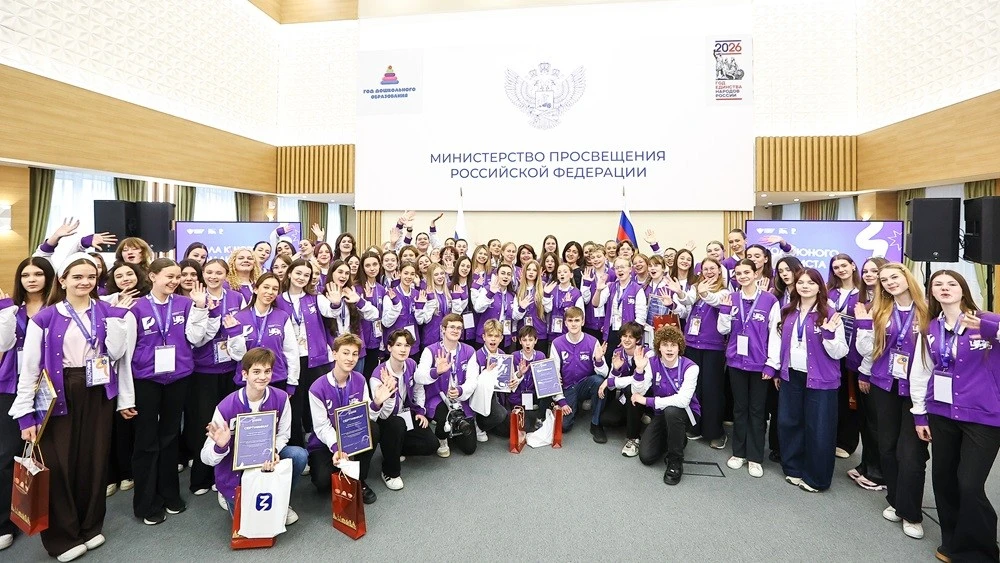
The participants spoke with representatives of the education sector, learned the secrets of their work, asked the speakers questions and wrote down every word.

Well-known TV presenter and journalist Yekaterina Andreyeva met with participants in the Young Journalists School project at the National Centre RUSSIA.
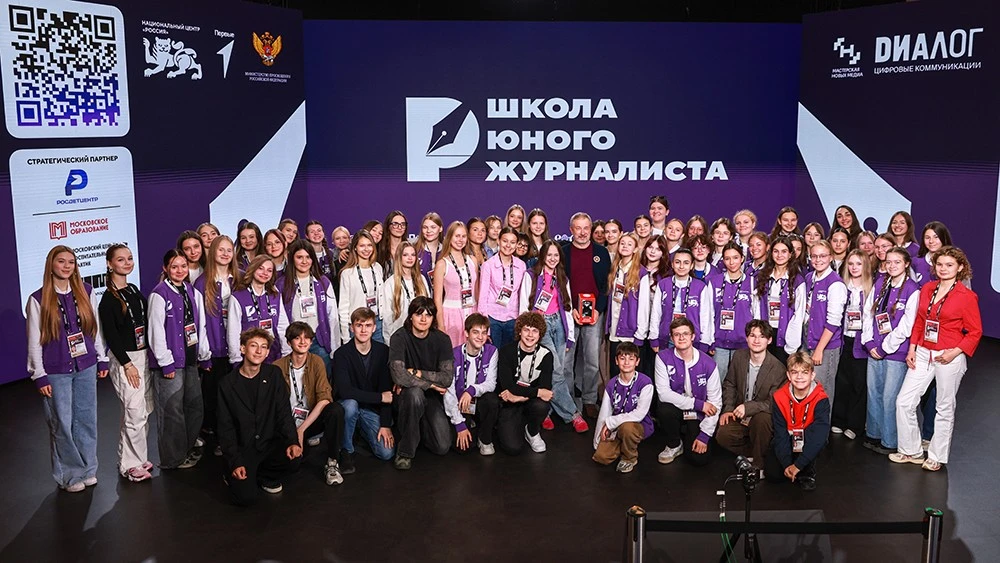
Why politics does not work without journalists, how to tell a calling from simply "an interesting job", and why a young reporter needs to read literature constantly were discussed by participants in the Young Journalists School.


