


"Professionalism is love for the Motherland": Alexei Chesnakov showed young journalists how to write about politics without being boring
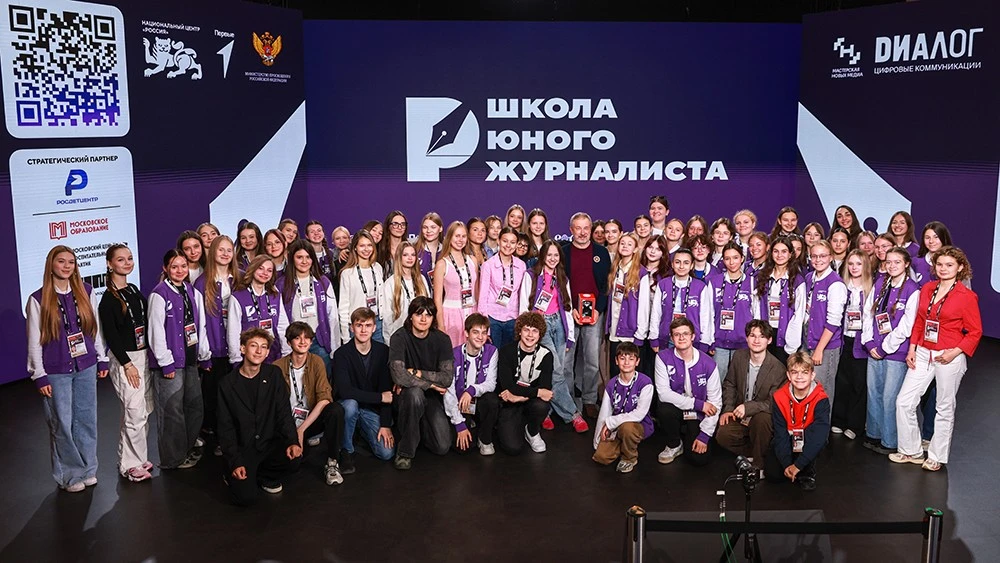
Why politics does not work without journalists, how to tell
a calling from simply "an interesting job", and why a young reporter
needs to read literature constantly were discussed by participants in the Young
Journalists School at a Master-meeting at the National Centre RUSSIA. The event
was led by Alexei Chesnakov, Head of the Scientific Council of the Centre for
Political Current Affairs, PhD in Political Science and Professor at the Higher
School of Economics.
"A journalist is the most important mediator between
citizens and the authorities. Politicians may have command of rhetoric, social
media and access to audiences, but without people who translate political
language into human language, they are unable to truly explain to citizens what
is happening and why. In this structure, the journalist becomes the person who
helps people understand the essence of decisions, conflicts of interest and the
real consequences of laws. Democracy does not work without journalists,"
the expert noted.
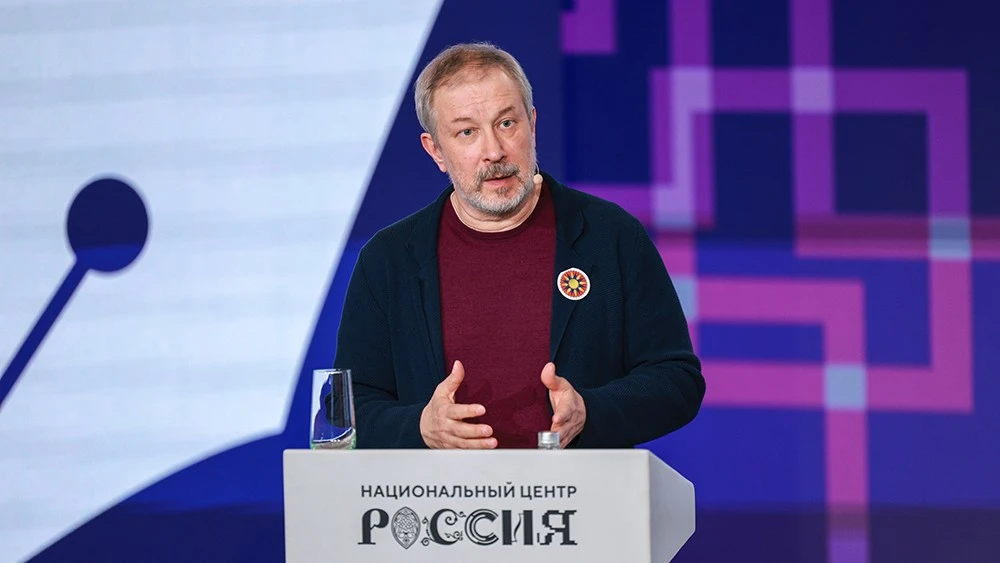
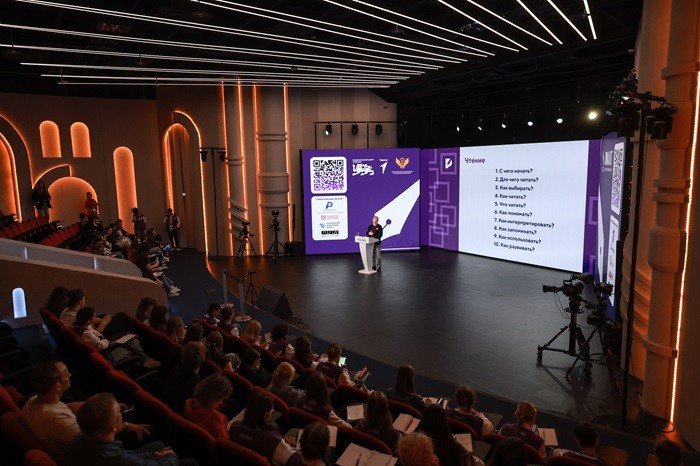
The meeting was devoted to the specific features of
political journalism. The speaker compared a political reporter to a football
commentator: while he is explaining what is happening, everything seems
obvious, but as soon as the sound is turned off, the viewer immediately loses
the thread of events. According to the expert, this analogy clearly shows how
important it is for a journalist to be able to analyse what is happening
independently and formulate their thoughts clearly.
The expert then invited the participants to think about why
they should enter the profession at all. First, he spoke about Max Weber’s book
"Politics as a Vocation and Profession", and then explained the
difference between "an interesting job" and a true mission: "Sit
down and honestly write out what you really want to do in life, what you want
to change in the world. This is not homework, but a life hack: if you do not
understand what you are working for, you very easily start simply wasting
time."
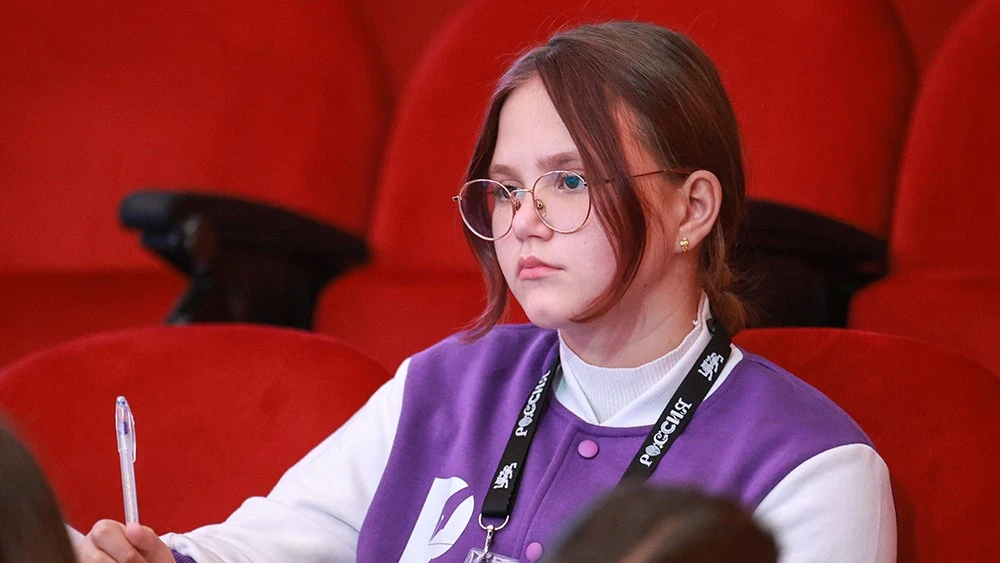
At the same time, Alexei Chesnakov reassured the audience
that a calling is not fixed once and for all. People grow and change, and it is
normal for their goals to change with them. The main thing is that the desire
to be useful should not disappear, rather than only to earn money and have fun.
The conversation then shifted to craft and style. Alexei
Chesnakov recalled a story from his youth in political technology about how an
innocent phrase on the road turned into a reporter’s story. He explained why a
journalist almost always has to "creatively rework" factual material.
The audience, he reminded them, wants not only to learn the news, but also to
experience emotions.
"If we simply analyse things in a boring way, most
people will just stop reading after a couple of paragraphs. Even in political
analysis, people want not only to learn something, but also to be entertained a
little. That is why today there is no way forward without a sense of
humour," the expert emphasised.
This is also the basis of his requirement for young authors:
deep competence, accuracy in facts and, at the same time, the ability to see
people in politics, not only positions and quotes from press releases. According
to Alexei Chesnakov, reading books helps develop the necessary skills above
all, and the range should be broad: from professional literature and classics
to contemporary "light" bestsellers. It is no less important,
however, to reread books and sometimes to put them aside without finishing
them.
"Great books are interlocutors to whom it is normal to
return with age: 'Crime and Punishment' at 16 is one book, and at 40 it is
quite another. It is impossible to read everything, so choose what helps you
move forward in life and in the profession, and do not be afraid to close a
boring book if you can honestly explain to yourself why you do not need it
right now," Alexei Chesnakov shared.

The expert also gave several practical pieces of advice. For
example, when reading books, always make notes in notebooks or gadgets, and
mark pages with stickers of different colours so that it is easier to return to
an important point. In addition, Alexei Chesnakov suggested that the
participants keep a "personal vocabulary" and add three or four words
to it every day, checking their meanings in several sources at once. The expert
recalled the famous phrase that the limits of language are the limits of the
world, and explained that a journalist must treat words as rigorously as a
philologist or linguist: familiar expressions change their meaning over time,
and working with text on autopilot is unacceptable in this profession.
Knowledge of foreign languages and cultures also gives a journalist a huge
advantage.
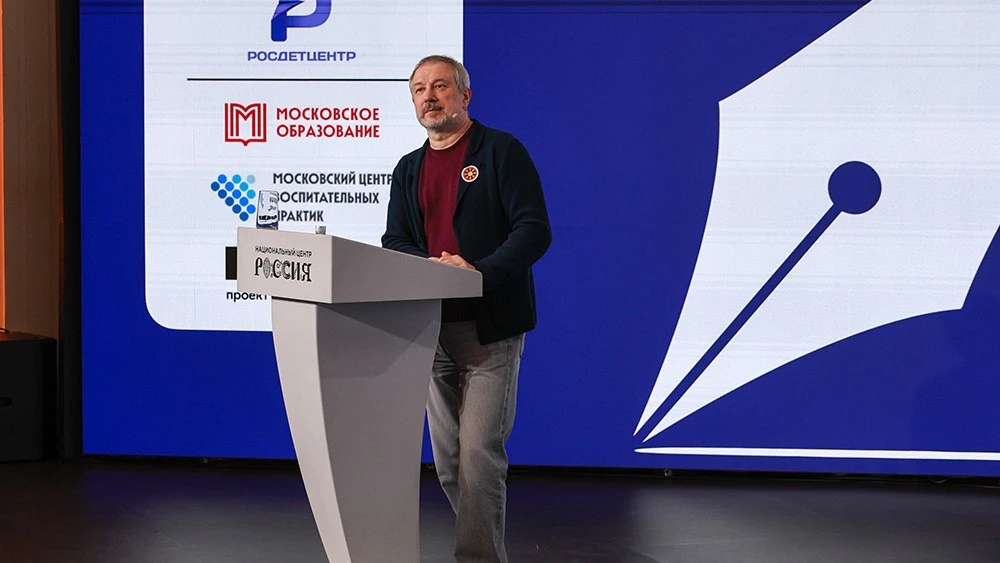
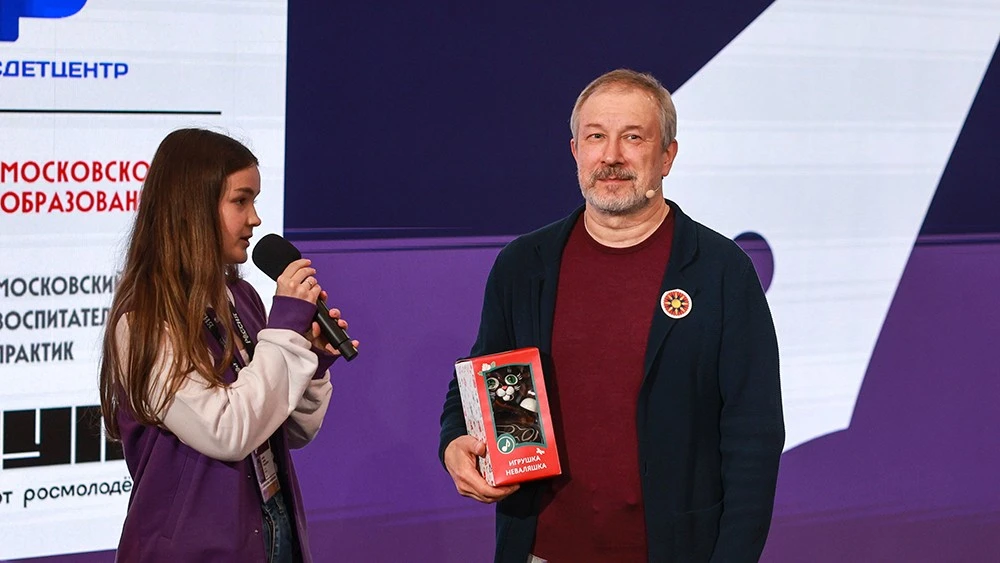
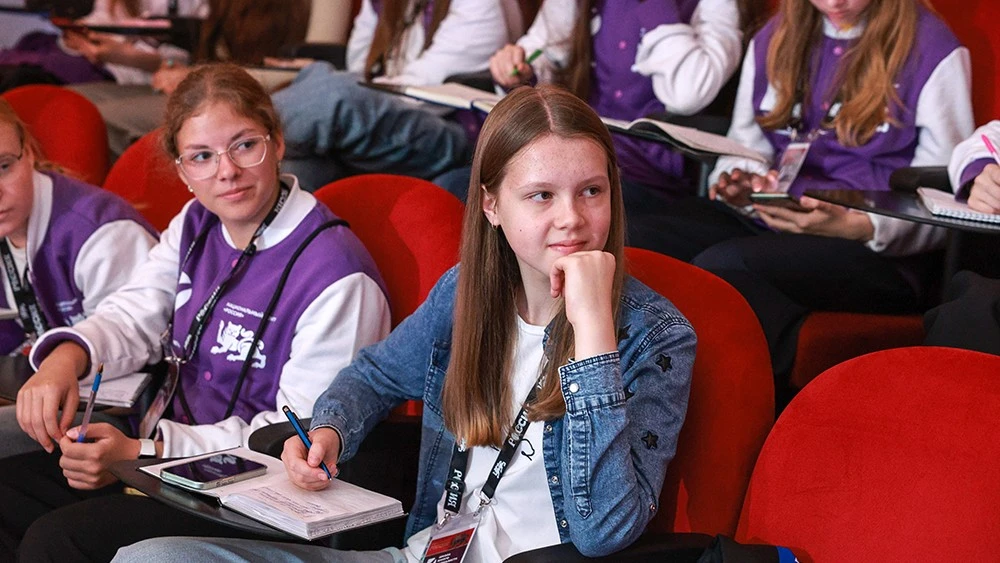
At the end of the meeting, the young journalists were able
to ask the speaker their questions. The participants asked how to develop a
taste for complex literature, whether it is possible to harmoniously combine
different areas of experience and use them in journalism, and what one should
do to one day get into a history textbook. Answering a question from Maria
Kopylova on how to channel the energy of talented young people for the benefit
of the country, Alexei Chesnakov recalled the words of the first President of
Russia that the country needs patriotic professionals, not professional
patriots.
"Love for the Motherland is not slogans, but high
professionalism. Strive to be the best in what you do. Write in such a way that
the country can be proud of you. Your small victory: a successful article, an
honest investigation, a precise word, may one day turn into a great victory for
Russia," the expert concluded.
The Young Journalists School is a multi-format project of
the National Centre RUSSIA. It helps teenagers acquire basic professional
skills, get to know leading Russian media and practising journalists, learn to
work with information and take their first steps in their future profession.
The project is implemented by the National Centre RUSSIA jointly with the
Movement of the First, with the support of the Ministry of Education of Russia.
Event photobank

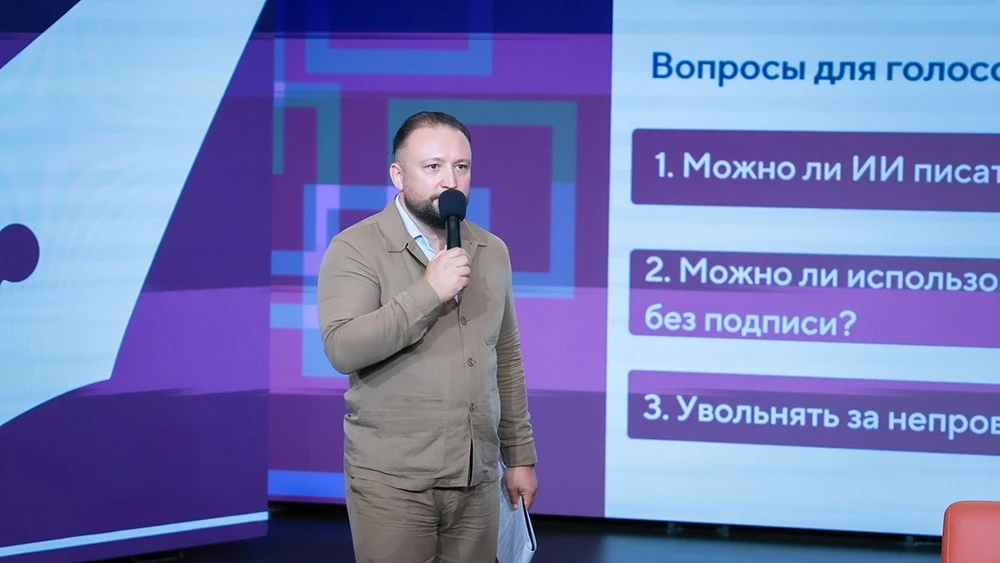
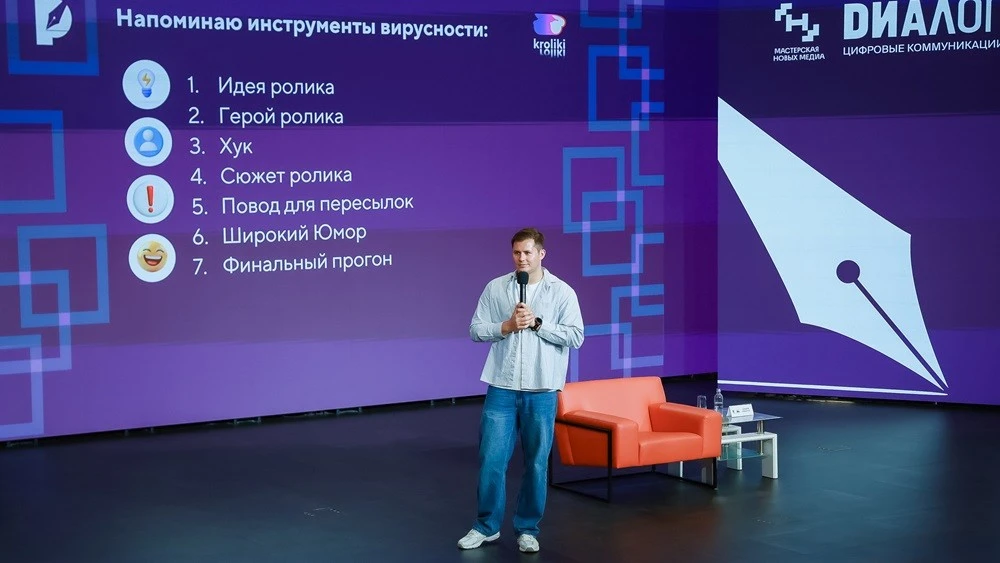
Nikita Kushchenko, Founder and Head of the Kroliki Content Centre, spoke about journalism of the future.
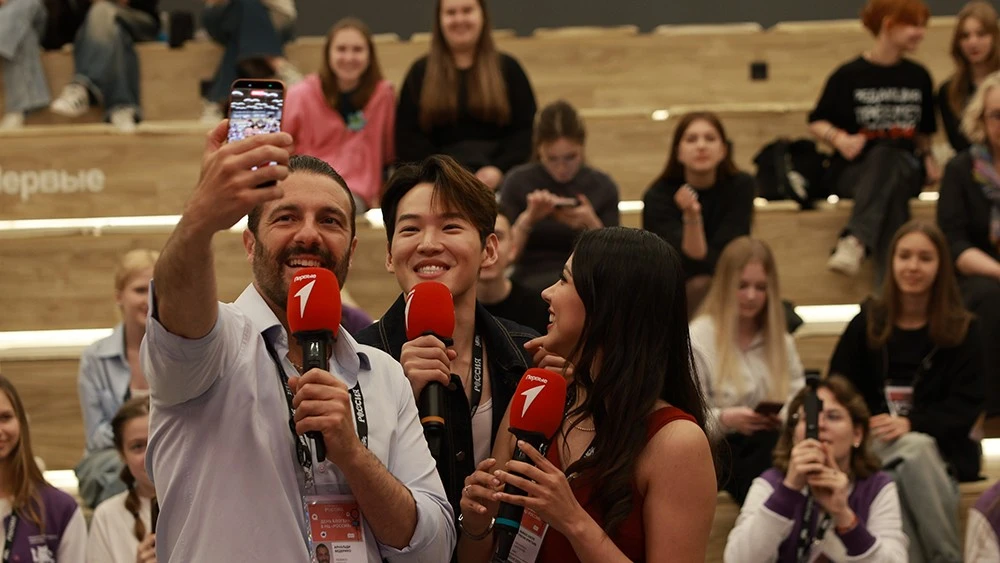
A meeting with popular foreign bloggers was held at the National Centre RUSSIA on International Blogger Day.


