


Young journalists at the National Centre RUSSIA learnt how to create viral content using neural networks
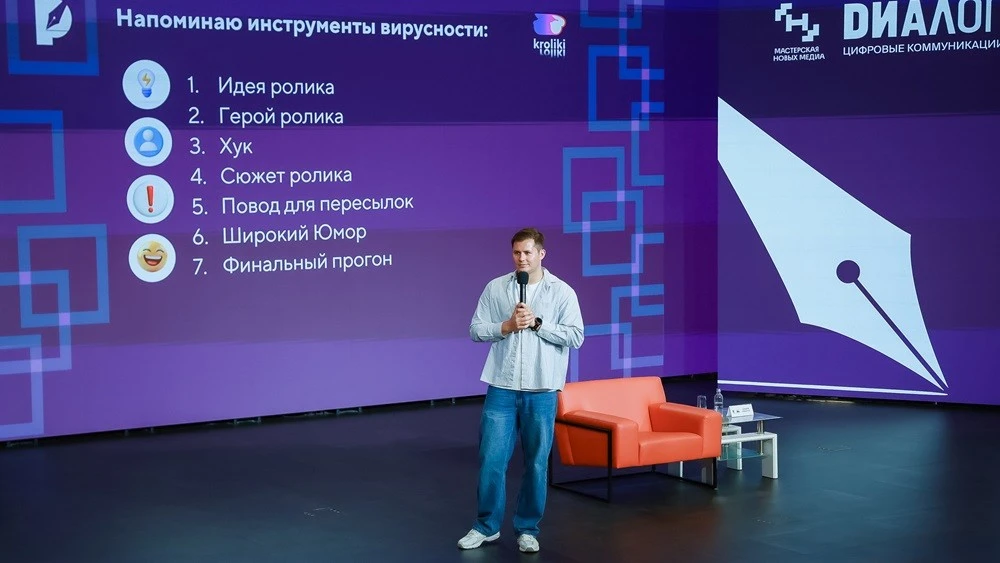
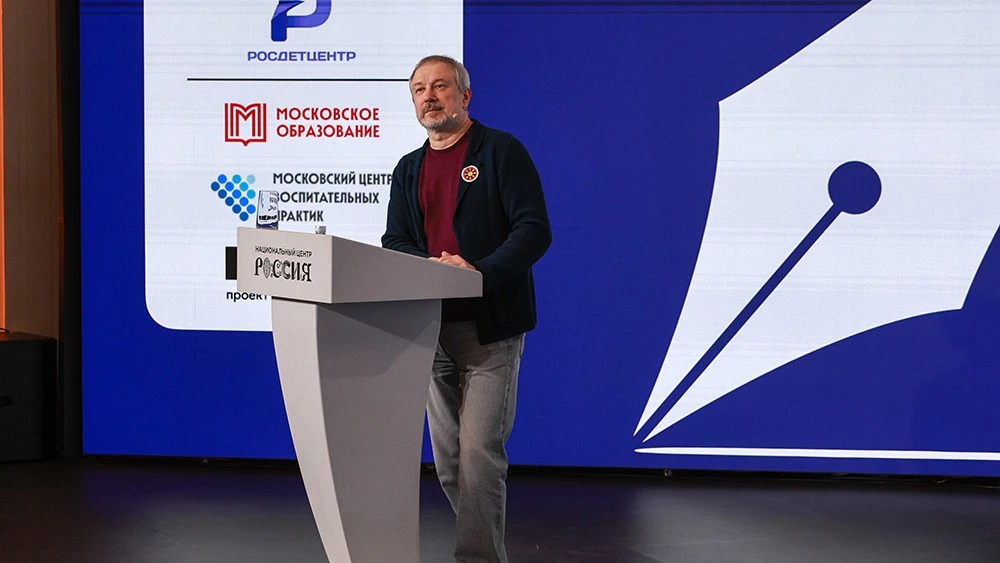
Coming up with a video that can reach a million views without losing meaning or honesty, and using neural networks effectively without harming quality or creativity — is this possible in the modern media space? Young journalists explored this at a class dedicated to creating viral content using neural networks. Nikita Kushchenko, Founder and Head of the Kroliki Content Centre, spoke about journalism of the future.
The expert works with mass AI content and helps government and public projects become visible in the media space, from zero starting point to millions of views. At the meeting with the young journalists, Nikita Kushchenko focused not on the "magic of one button", but on a professional approach: how to use neural networks consciously to create honest yet viral videos.

"Neural networks do not take creativity away from the author; they remove routine. The important thing is not to make a video faster, but to make it smarter. It all begins with an idea, a vivid story and interesting characters. Only then do technologies come in to strengthen what you want to say to the viewer," Nikita Kushchenko said.
First, the young participants mastered the basics of vertical content: why a short video should have one clear idea, how viewers consume such videos, and why it is important to build on familiar news hooks. Using examples from his own practice, the speaker showed that a recognisable character and strong opening seconds are especially important in the short format, and explained how to work with a "hook", such as an unusual angle or sharp contrast.

The conversation then moved on to structure: the participants examined how to build the sequence "hook — conflict — twist — emotion — meaning". They learnt why every video needs a "reason to share" moment and why it is important to understand in advance what exactly the viewer will want to share: a joke, an insight or an emotion.
The young journalists also discussed trust in content. The speaker suggested a simple framework: real events enhanced by AI inspire trust, while completely fictional stories and fake footage, on the contrary, mislead the viewer.
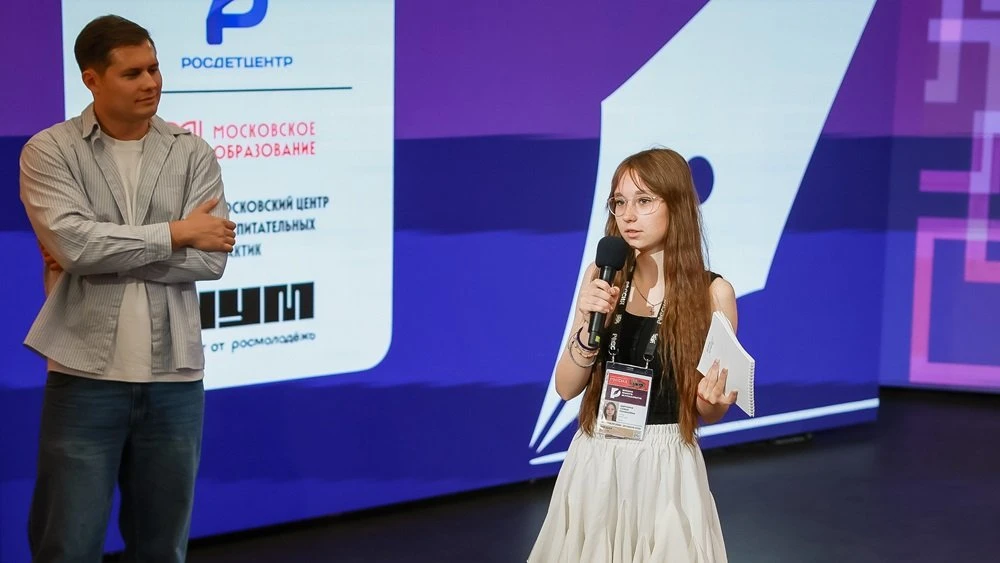
"Honest content always wins in the long run. AI should complement life, not invent it for you. People always sense falsehood, but they come back to sincere, vivid stories and share them themselves, without requests or calls to action," the expert emphasised.
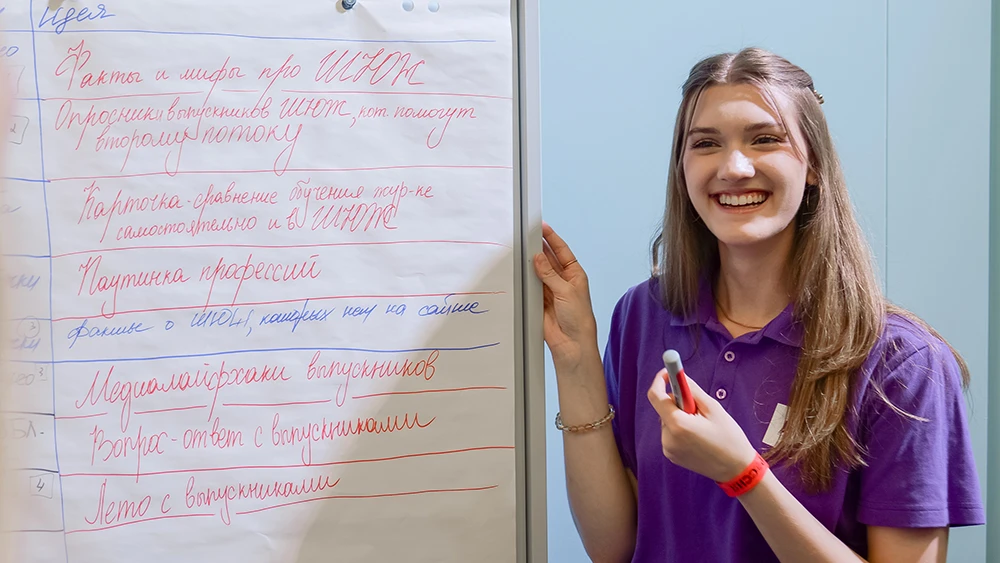
After the theory, the participants split into teams to come up with a script for a vertical video for Russia Day, using several virality tools: a clear hook, a vivid character, a reason to share, humour or an unexpected twist. The teams formulated the main idea, thought through the first three seconds, wrote out the conflict and the final emotion, then presented their scripts and received feedback from the expert.
"Journalism of the future is not a contest with neural networks. It is the ability to see a living story, feel the audience and use technologies as an amplifier, not a replacement. Those who are now learning to work with information should not be afraid of AI, but understand how to integrate it into their professional toolkit," Nikita Kushchenko summed up.
Young Journalists School is a multi-format project of the National Centre RUSSIA. It helps teenagers gain basic professional skills, get to know leading Russian media and practising journalists, learn to work with information and take their first steps in their future profession. The project is implemented by the National Centre RUSSIA together with the Movement of the First with the support of the Ministry of Education of Russia.
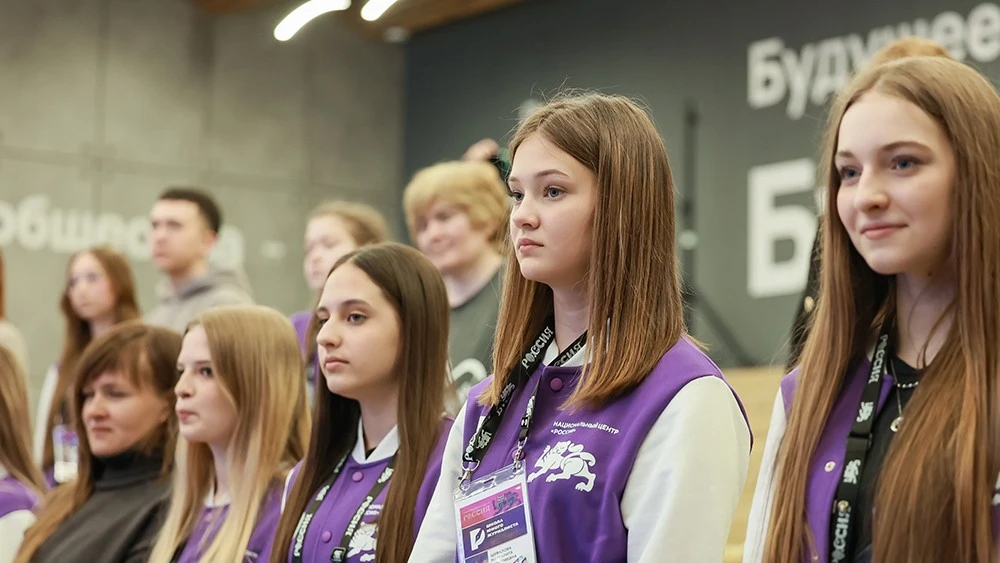
Alongside federal and regional media outlets, the event also received coverage from graduates of the Young Journalists School of the National Centre RUSSIA.
The expert shared a list of five books that help readers better understand politics, society and the cultural environment in which a journalist works.


