


Graduates of the Young Journalists School of the National Centre RUSSIA propose ideas for the project's development
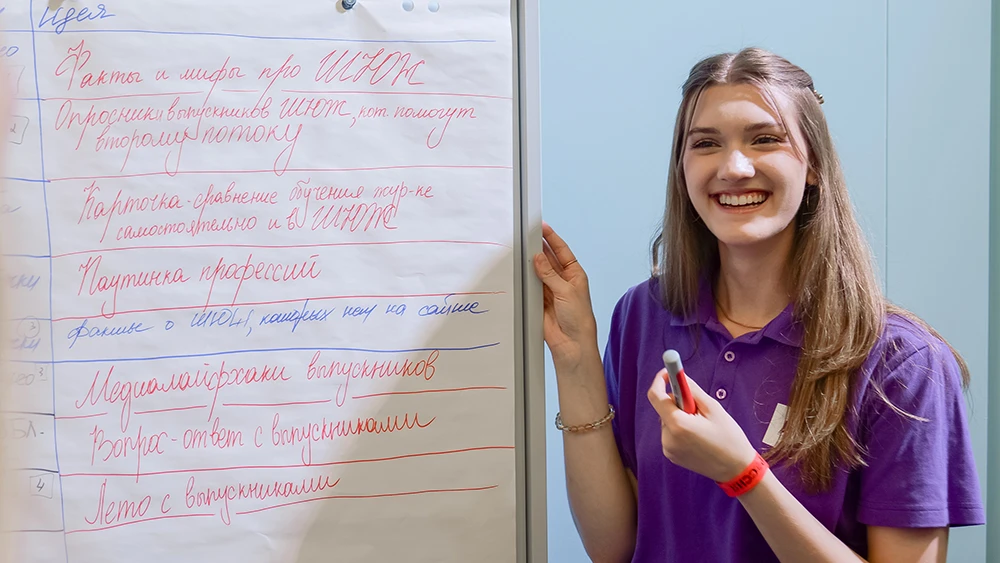
What should the future of the Young Journalists School look like? This question was explored at the National Centre RUSSIA by those who have already completed the programme. Graduates of the first intake proposed new educational formats, came up with ideas for community development and joint projects. The best initiatives will become part of the project's further evolution.
Participants worked in a creative workshop format — they analysed the curriculum, identified topics they would like to study in greater depth, and suggested new directions for future intakes, ranging from international journalism and radio practice to developing their own media projects and the School's content plan.
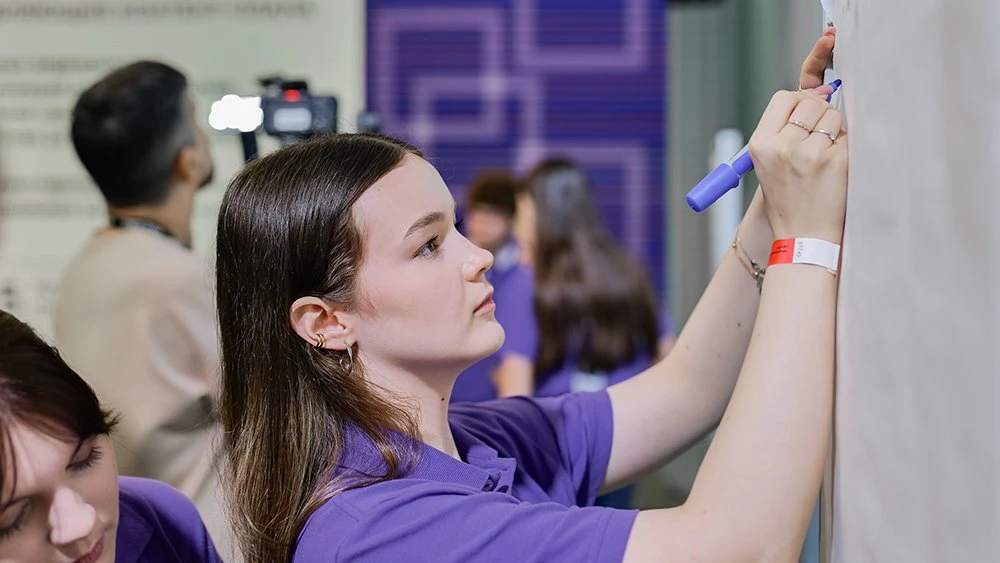
"Today we were thinking about how to continue the Young Journalists School project, how to make it more interesting and what to add. We also worked on a content plan for our Young Journalists School channel," said graduate Maria Dolgusheva.
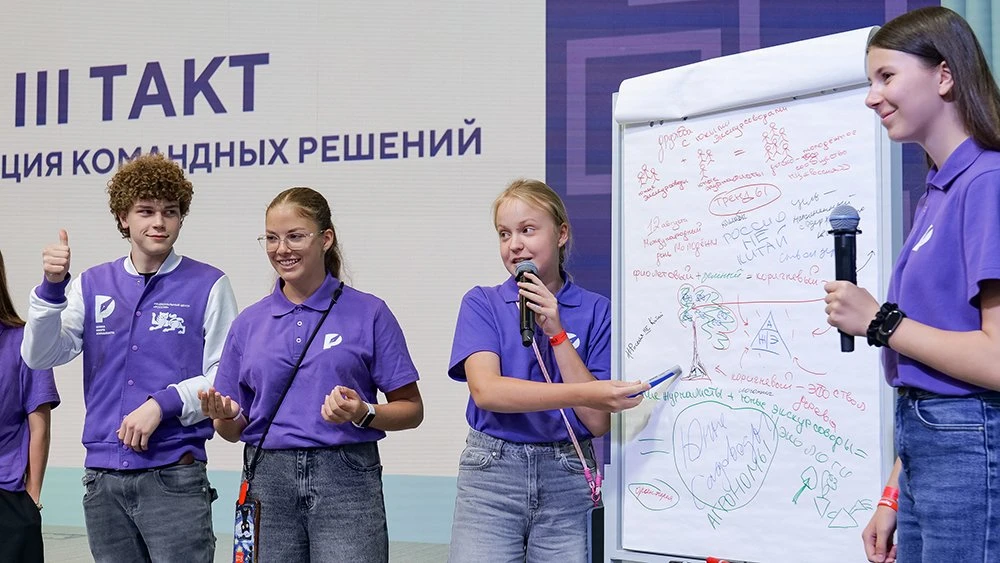
She added that for her, as for many other graduates, the project became both their first serious step into the profession and a boost of confidence. The knowledge they gained is already being put into practice — in school and student media, their own blogs and creative projects.
"The most important thing for me was learning how to write texts, as well as how to define a topic and fact-check. At the Young Journalists School, I gained this foundation and was able to improve the texts for my college's media centre," noted Mikhail Mistryukov.
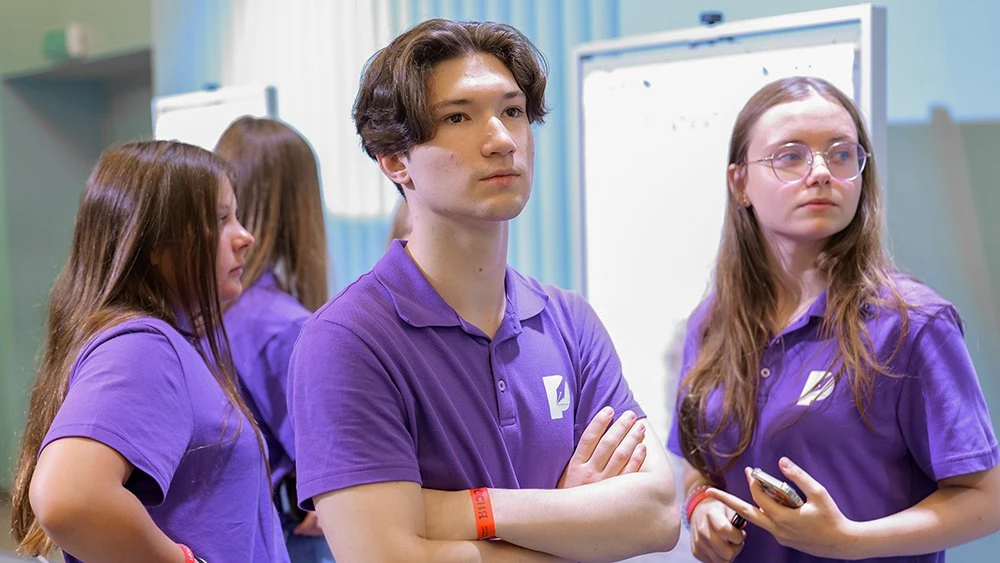
During the meeting, graduates also considered how to develop the project in the media space. They proposed new social media sections, vertical video projects, special projects for school media centres and a serial format featuring the project's mascot, Shuzhik — a young Vladimir-Suzdal lion designed by Young Journalists School graduate Safiya Yakhina. The session concluded with a practical task — creating short video clips for the future admissions campaign.
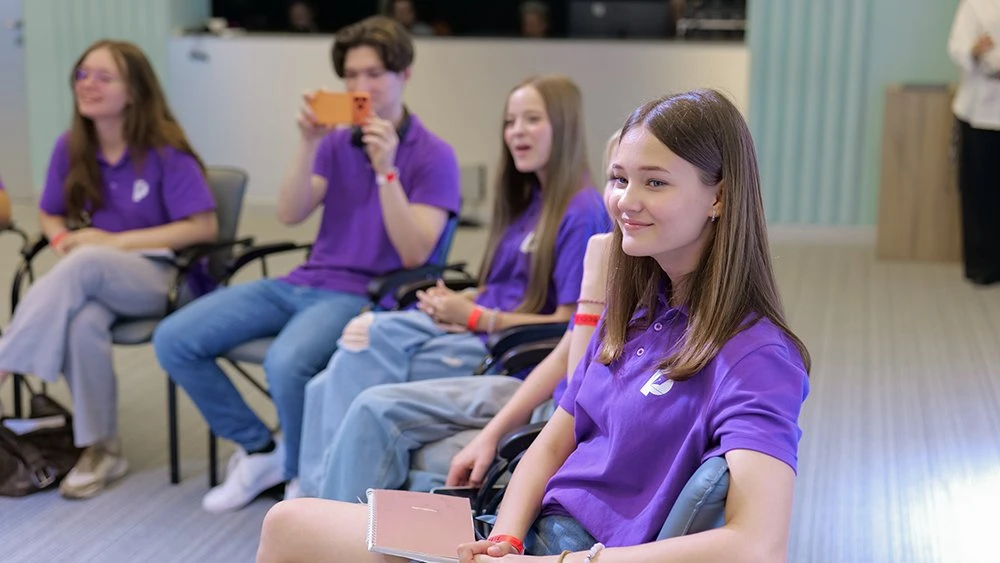
The formation of an alumni community was also discussed. The graduates suggested organising reading and film clubs, media debates, case championships and sports meetings to maintain connections and continue working together after graduation.
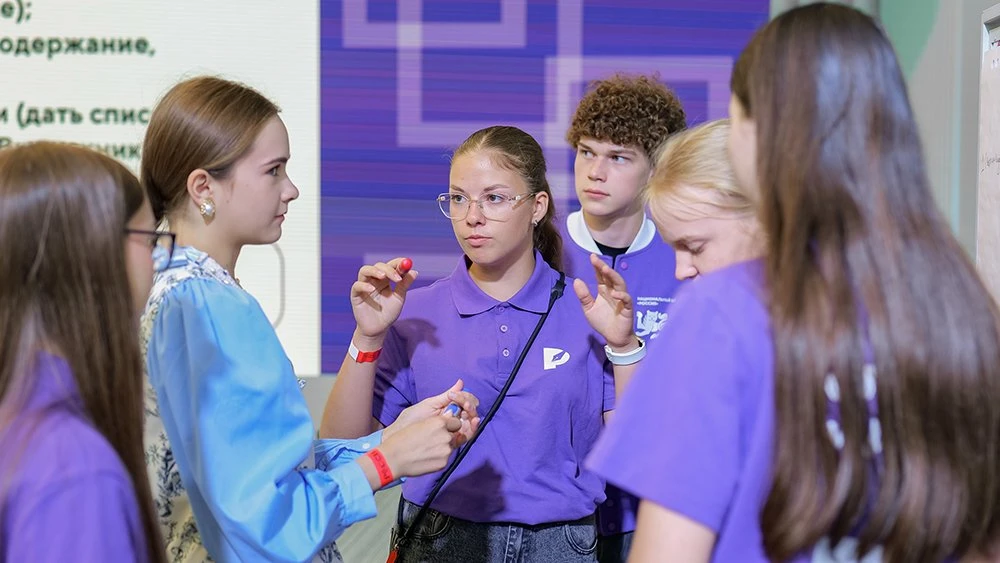
"The Young Journalists School is a place with a huge community of like-minded people. We come up with great ideas. Whether we are relaxing or in the middle of a brainstorming session, we always create something new. I leave here feeling energised and with immense inspiration for my future projects and media endeavours," said graduate Sofya Fokina.
The graduates also addressed collaboration with the Young Tour Guides School of Russia, and discussed their participation in the life of the National Centre RUSSIA. They proposed a mentoring system, workshops for new intakes, assistance to the Press Office and involvement in event organisation.
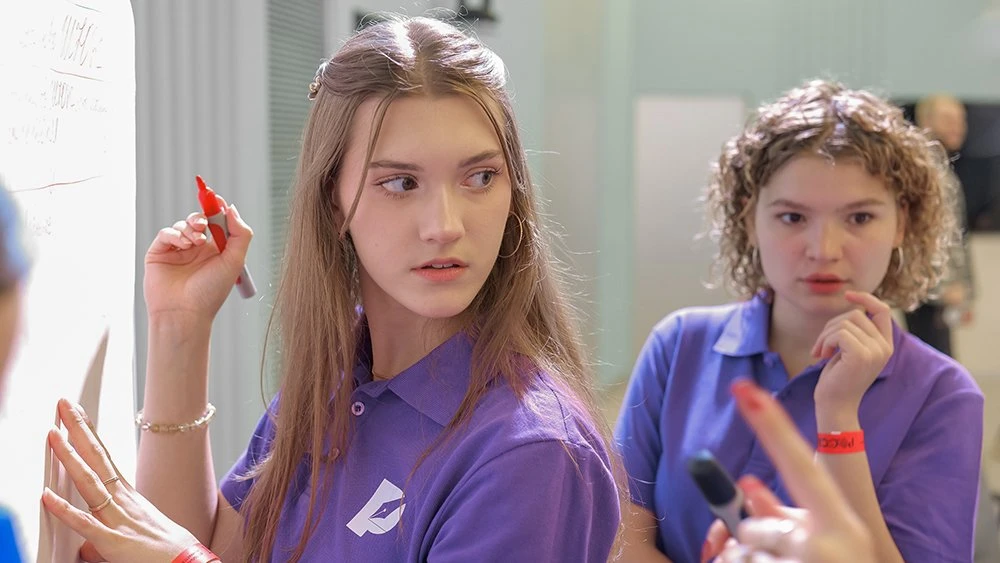
All the proposals developed during the working meeting will be systematised and passed on to the project team. They will serve as the foundation for the development of the second intake of the Young Journalists School, new formats for alumni engagement, and joint educational initiatives of the National Centre RUSSIA.
Event photobank
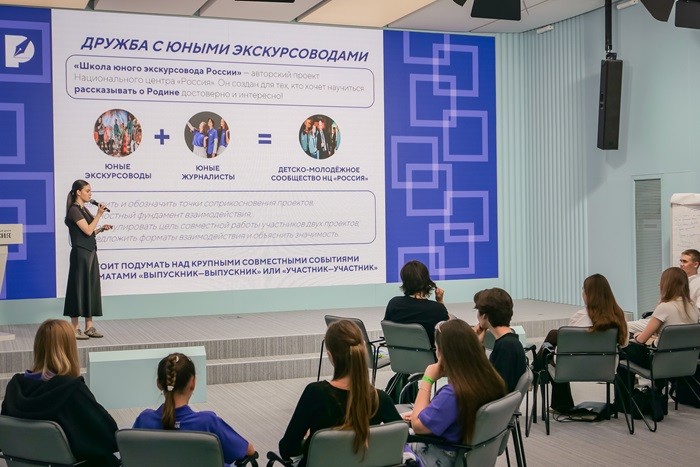

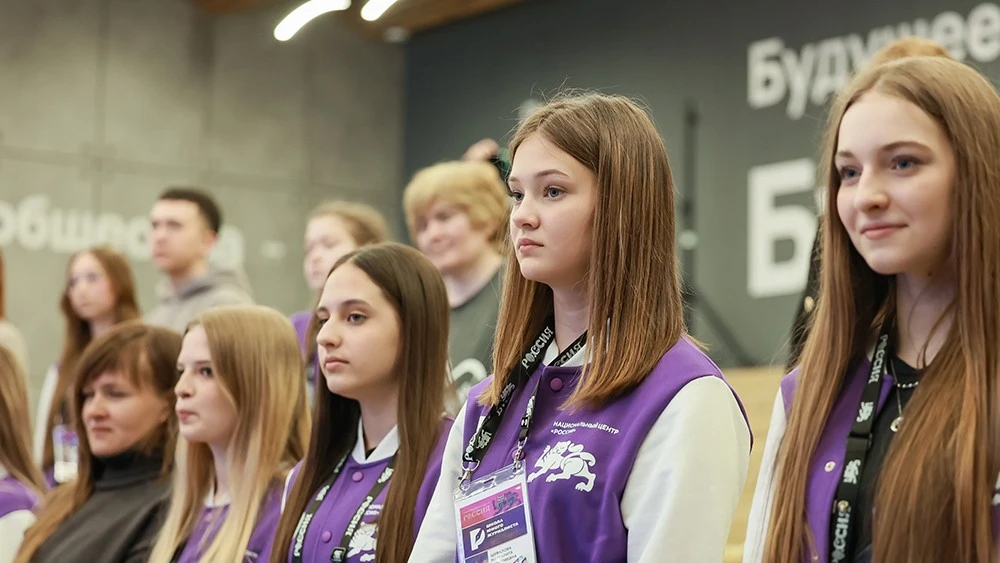
Alongside federal and regional media outlets, the event also received coverage from graduates of the Young Journalists School of the National Centre RUSSIA.
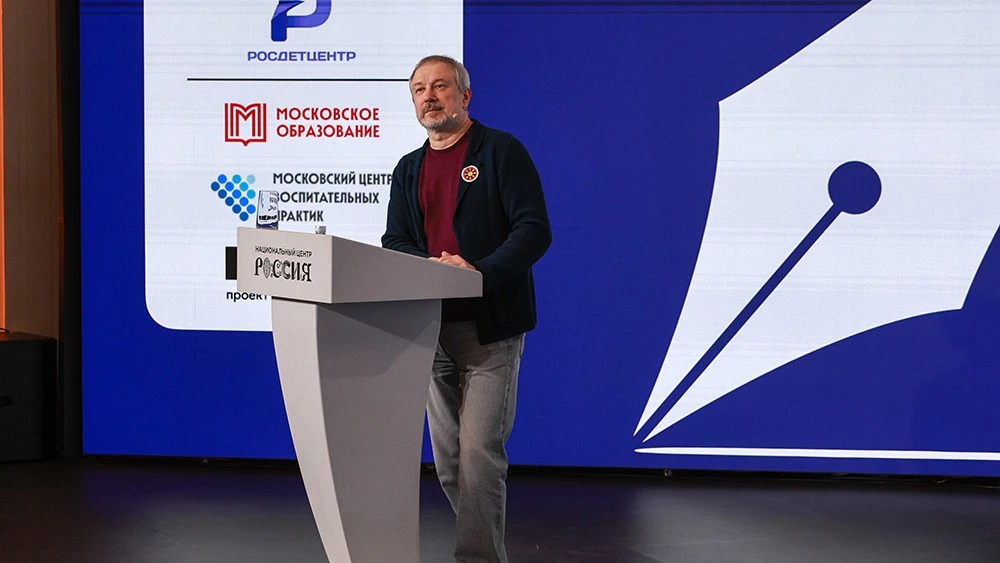
The expert shared a list of five books that help readers better understand politics, society and the cultural environment in which a journalist works.
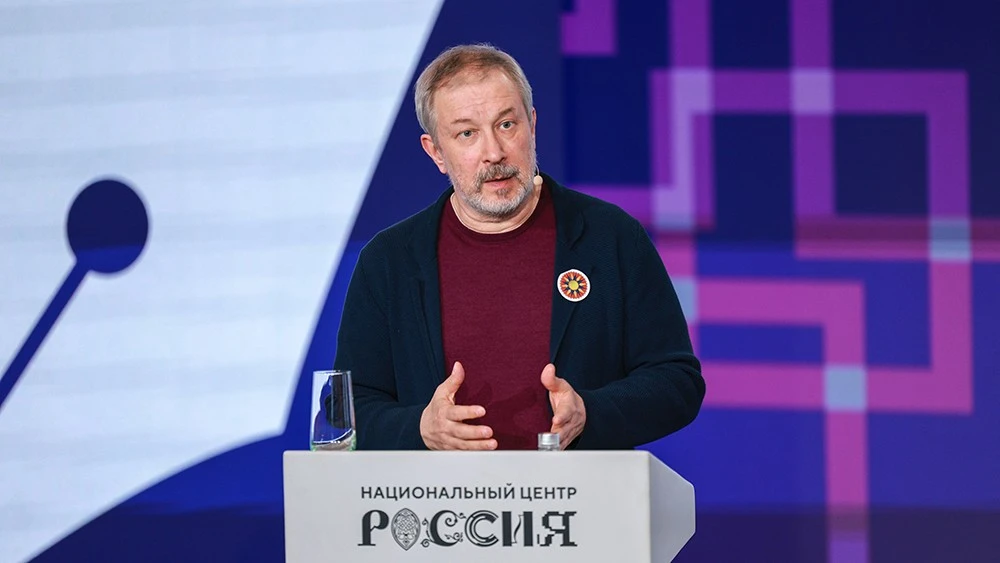
Sharp questions, stepping out of one’s comfort zone and, at the same time, mutual interest — this is how Alexei Chesnakov, Professor at HSE University, described the relationship between a politician and a journalist.


