


A profession that connects generations: the story of a family of tour guides at the National Centre RUSSIA

At the National Centre RUSSIA, tour guides do more than talk about the country — they help adults and children alike develop a vivid sense of connection to its history and cultural heritage. In this environment, continuity emerges naturally: experience is passed on not only from senior colleagues to younger ones, but also within families. This is how the tour guide dynasty of Olga and Maria has gradually taken shape — a mother and daughter for whom the National Centre RUSSIA has become both a workplace and a second home.
"Everything I had learned suddenly turned out to be needed right here"

Olga Dodonova’s path to the profession of tour guide began back at the International RUSSIA EXPO and continued at the National Centre RUSSIA. Her background includes work as a flight attendant, television school training, a presenter’s diploma and voice coaching courses. At the National Centre RUSSIA, this diverse experience unexpectedly came together into a single profession.

"I have always worked with people — in education, sales, radio and aviation. And then it turned out that everything was needed in the work of a tour guide all at once: voice, diction, the ability to feel the audience, resilience under stress. Everything I had learned suddenly proved useful right here," Olga shared.
Before stepping in front of guests with a microphone, she herself had often visited museums and exhibitions, always paying special attention to the work of guides. According to Olga Dodonova, the National Centre RUSSIA is a unique space that combines a museum, theatre, exhibitions, business and educational programmes. But the most important part of her work is its mission: to talk about the country in a way that shapes a healthy, living sense of patriotism.

"I am a patriot to the core. For me, it is not about slogans, but about a normal, healthy sense of pride in your country. When someone leaves a tour with admiration, talking about how much new they have learned about our country, I feel how important my work is and understand that everything we do truly matters," the guide noted.
Olga also spoke about how important it is to ‘read’ each group. At the National Centre RUSSIA, she works with a wide range of visitors — from schoolchildren to inclusive groups and foreign delegations. Each requires a different approach and a special atmosphere. For example, when guiding visually impaired guests, the focus needs to shift towards tactile experience, voice work and intonation.

"The most pleasant and at the same time the most challenging part of our job is people," Olga admitted. "You never know what kind of group you will have. But when you see initially reserved or tired visitors leave with sparkling eyes, it is always incredibly energising and inspiring."

The National Centre RUSSIA as a second home
Olga’s love for working as a tour guide was passed on to her daughter as well. At first, little Masha simply came to her mother’s tours: "I was often at VDNH when my mum worked there at the RUSSIA EXPO. It was very interesting there, so many different pavilions and events. After work, we visited all of this together. And I remember very well how I said that I wanted to come here instead of school and conduct tours."
It was hardly surprising that when enrolment opened for the Young Tour Guides School of Russia, Maria was among the first to apply and began conducting tours back at the RUSSIA EXPO. Today, every Sunday is devoted to her studies at the School at the National Centre RUSSIA: "We learn how to work with a microphone and not be afraid of speaking in front of groups. But the most interesting part is leading real tours. Mum shares professional secrets with me and helps in everything — she advises me on voice and diction exercises. We write texts together, then I read them out loud several times to memorise them better. We go to the library, look for interesting books, attend tours ourselves, walk around the city and talk a lot."

Her mother, as an experienced guide, also tries to instil the importance of inner discipline.
Shared dreams of the future
While Olga has already found her calling, Maria is still keeping her professional future open. She likes animals and has thought about becoming a veterinarian. Aviation also interests her, as do excursions. But increasingly she is drawn to working with people.
"I have not decided yet who I want to become in the future. But right now I really enjoy leading tours, and I want to do it more and more. And I would really like to conduct a tour for our President, Vladimir Putin," the young guide admitted.
Olga does not hide that her daughter’s dream echoes her own aspirations. She often works with high-level guests and foreign delegations, leading tours in both Russian and English. A tour for the President of Russia would be a special professional peak for her as well.
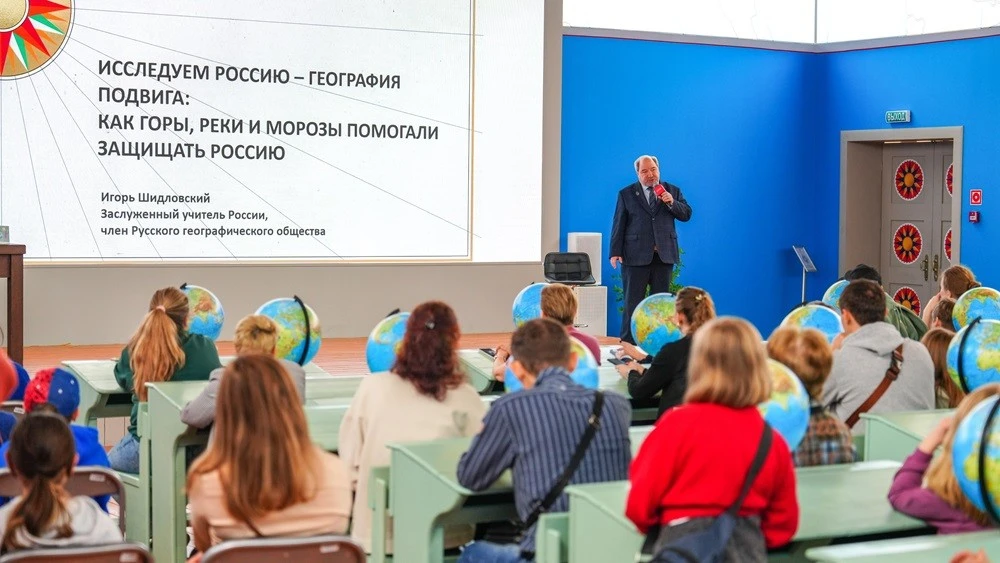
The National Centre RUSSIA hosted a meeting of the "Exploring Russia" project, "Geography of Heroic Feats: How Mountains, Rivers and Frosts Helped Defend Russia".
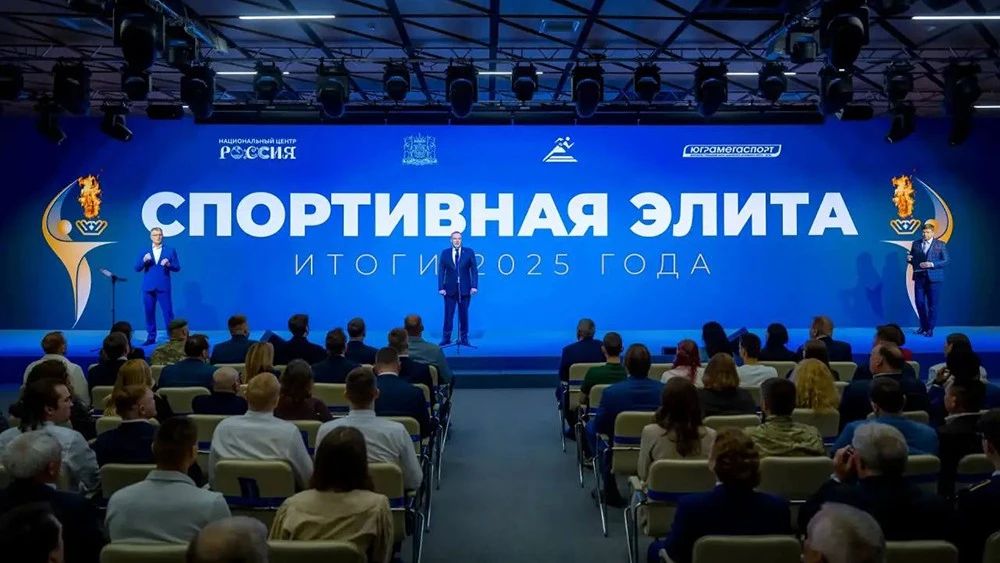
The 30th anniversary ceremony honouring the winners of the "Sports Elite of the Year" contest for 2025 was held at the National Centre RUSSIA in Yugra.


