


"Active longevity programmes now reach over 15 million people" — Tatyana Golikova
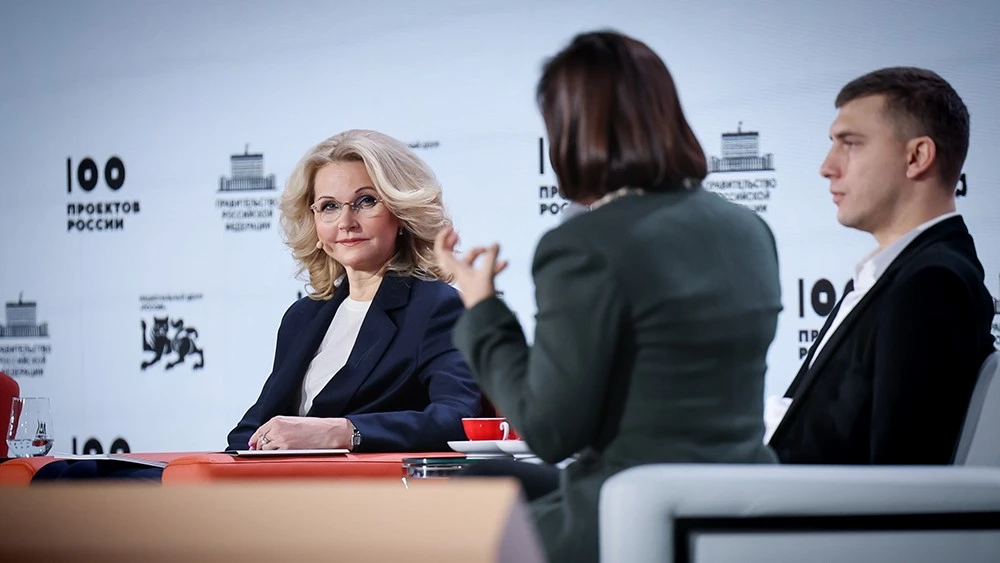
Support for the older generation remains one of the key priorities of state social policy. Active longevity programmes are being developed across the country, opportunities for sport, creative activities, education and socialising are expanding, the long-term care system is being improved, and modern infrastructure for older people is being created. This was announced by Tatyana Golikova, Deputy Prime Minister of the Russian Federation for Social Policy. According to her, various forms of support now cover more than 15 million people in all regions of Russia.
"The key priority is care for the older generation – our grandparents, those who gave us life and on whom every family rests. Today, active longevity programmes are being implemented across the country, involving older people in education, adaptive tourism, sport and creative activities, allowing them to lead active lives, socialise with their peers and with younger generations. Such programmes now reach over 15 million people in all regions of the country. We pay special attention not only to expanding activities, but also to ensuring equal access to them – for both urban and rural residents, taking into account transport accessibility and the specific characteristics of each territory," emphasised Tatyana Golikova.
She also noted that one of the most important areas remains the development of the long-term care system. Today, such support covers more than 184,000 people. This approach enables those who require constant assistance from others to receive care in their familiar home environment, close to family and loved ones.
At the same time, modern social technologies for home-based care are being developed across the country, including projects such as "hospital at home", "foster family for the elderly" and "respite care". For those who, for various reasons, cannot remain at home, new social care institutions are being built and existing ones are being modernised. A comfortable, barrier-free environment is being created within them, and the facilities themselves are gradually becoming not just places of residence but also resource centres, where rehabilitation programmes, semi-residential services and active longevity projects are being developed.
Over the past six years, with support from the federal budget, 77 new social care institutions with over 8,000-person capacity in total have been opened in Russia. Since 2025, regions have also been able to access federal support not only for the construction of new facilities, but also for major repairs and reconstruction of existing social institutions, which will further improve the quality of life for the older generation.
Event photobank
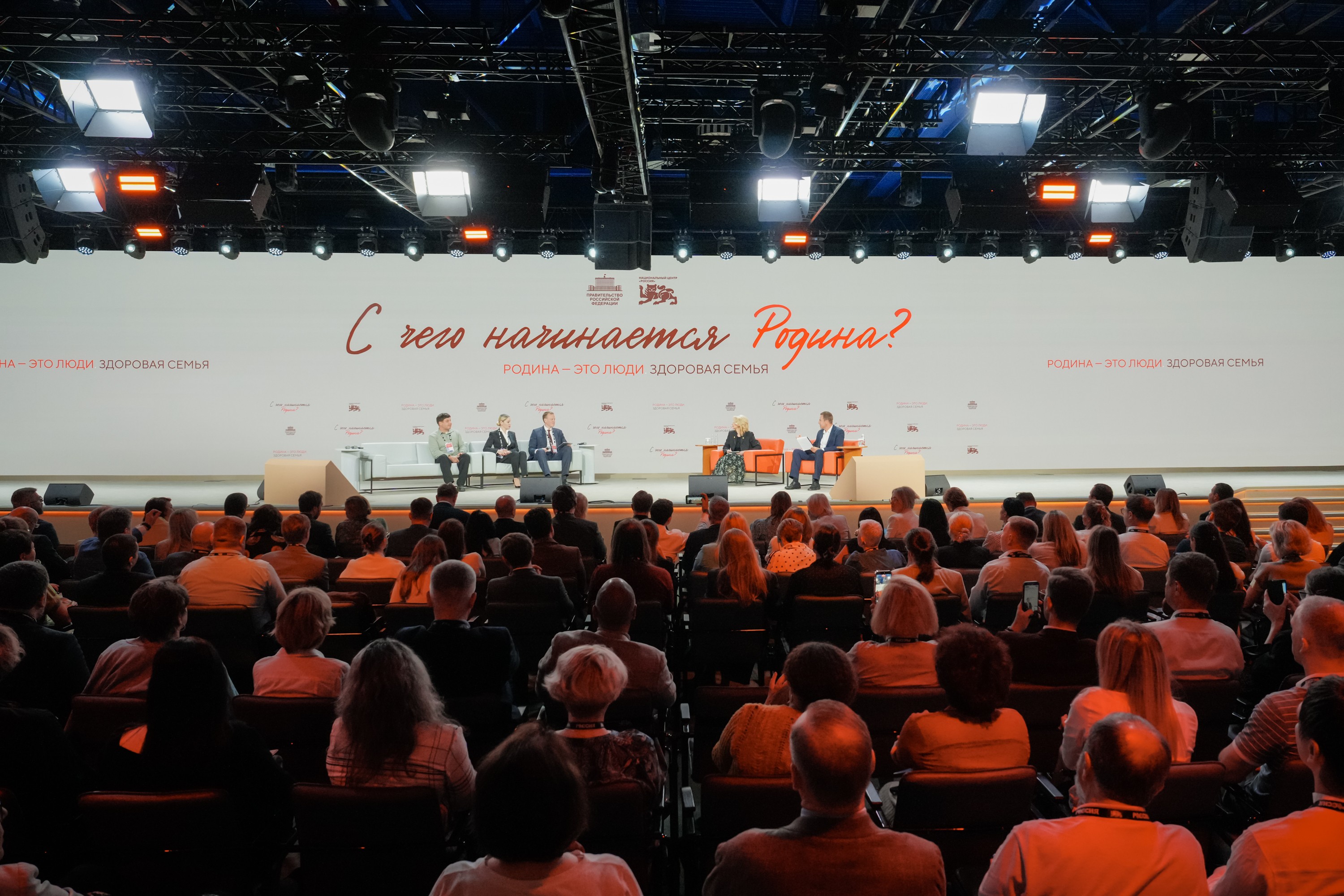

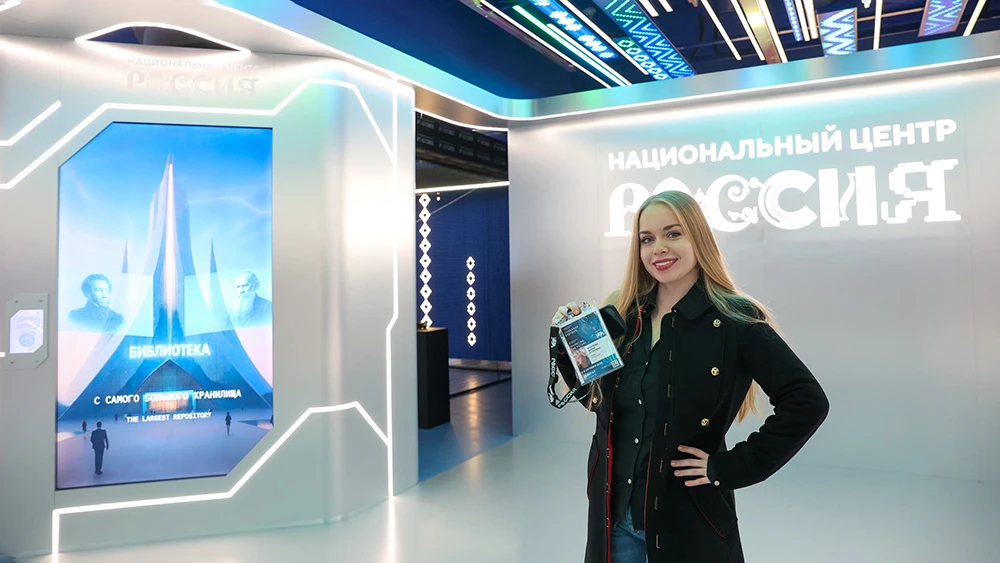
On 12–13 November, the National Centre RUSSIA will once again become the main meeting place for those thinking about what tomorrow will look like.
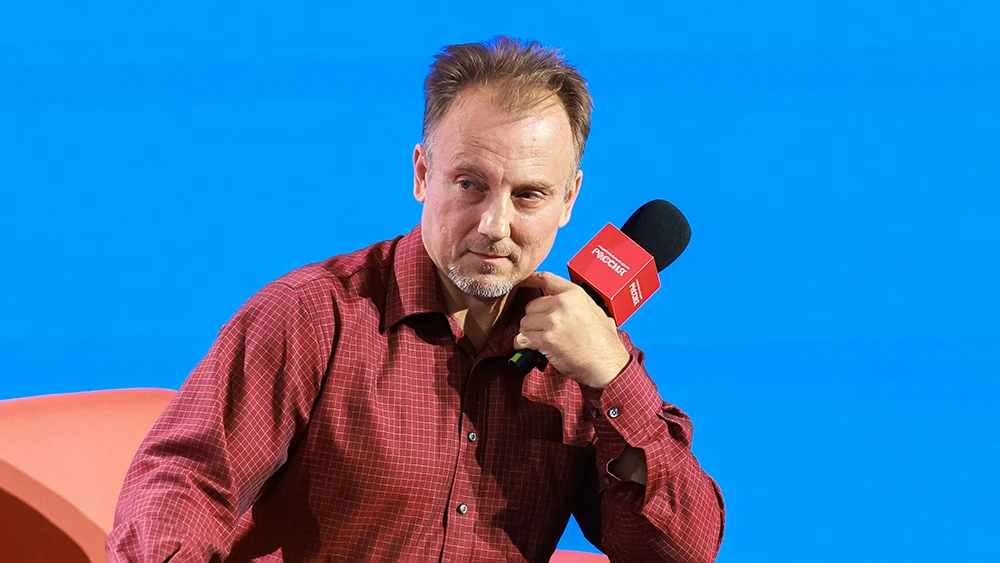
Ivan Yefremov's science fiction has long been considered a classic, yet the worlds of the Strugatsky brothers continue to appear on screen far more often. Why is this?
A modern philosopher is perfectly capable of building a successful "career" in artificial intelligence.


