

Trout ceviche and rye bread with berries: Karelian culinary traditions showcased at the National Centre RUSSIA
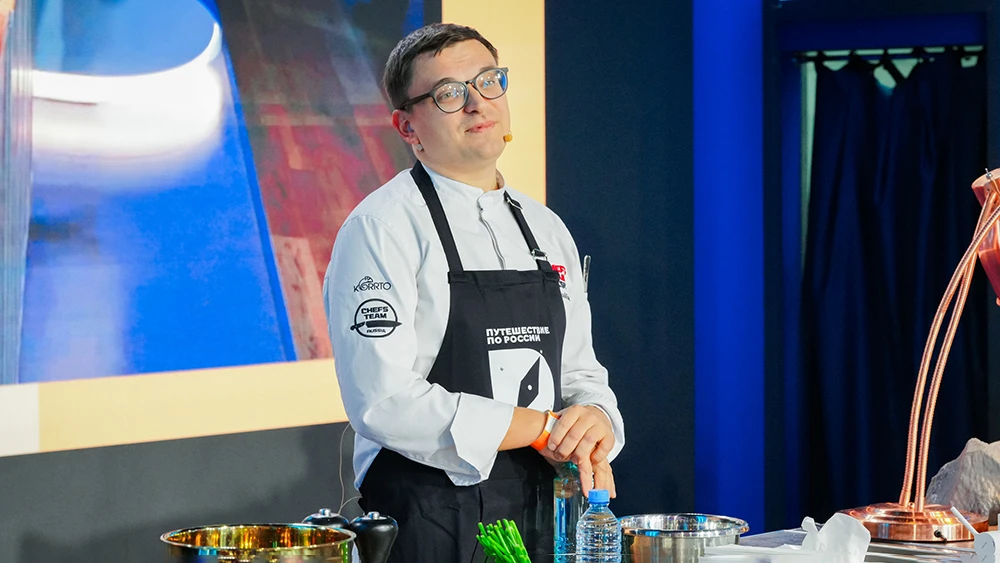
Karelian cuisine draws on the bounty of northern lakes and forests and on simple flavours rooted in family traditions and memories passed down through generations. The National Centre RUSSIA hosted a cooking workshop, "Bread and Circuses", dedicated to Karelian cuisine. The brand chef for "Rendell" and the restaurant Cevichiria, Yevgeny Banny, who won silver at the 2026 Chef à la Russe contest, introduced guests to northern cuisine, showed them how to work with local ingredients and presented three dishes that brought together lake fish, wild berries and traditional rye bread.
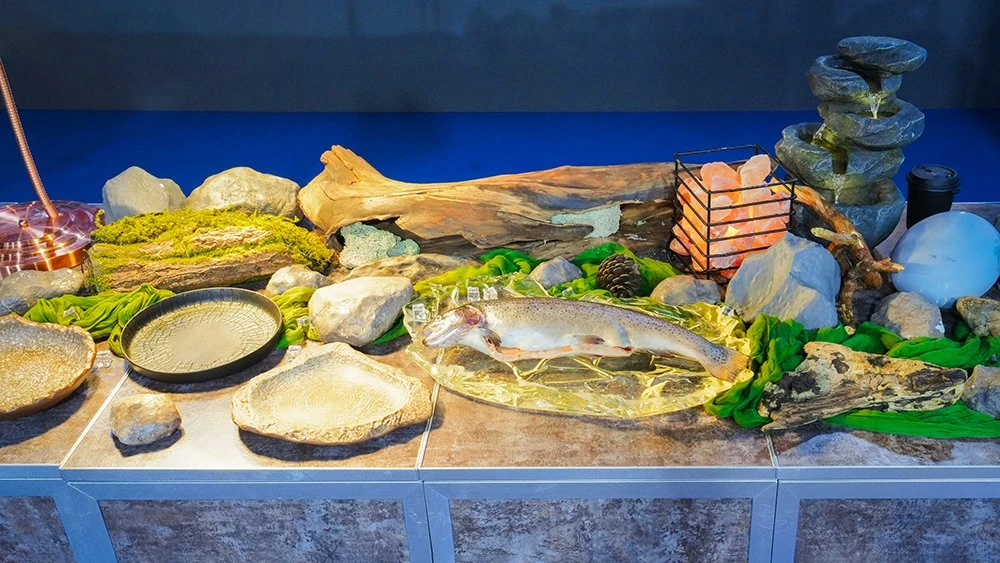
The workshop took guests on a culinary journey through Karelia in three courses: from cold waters to the heat of the stove and finally to the family table. The guests first tried Karelian trout ceviche. The chef showed them how to prepare the delicate fish with a dressing made from cranberries, a typical ingredient in northern cuisine.

"We give the trout a tang from ingredients that grow nearby without smothering it in sauce. Lemons don't grow here, but we have our own natural sources of acidity: cloudberries, lingonberries, cranberries and sea buckthorn. They bring out the flavour of the fish without masking its character," said Yevgeny Banny.
During the workshop, the chef shared practical tips for cooking at home. For example, he explained why it is important to taste a dish more than once: your perception of flavour changes, and tasting it again is the only way to judge the balance of ingredients more accurately.
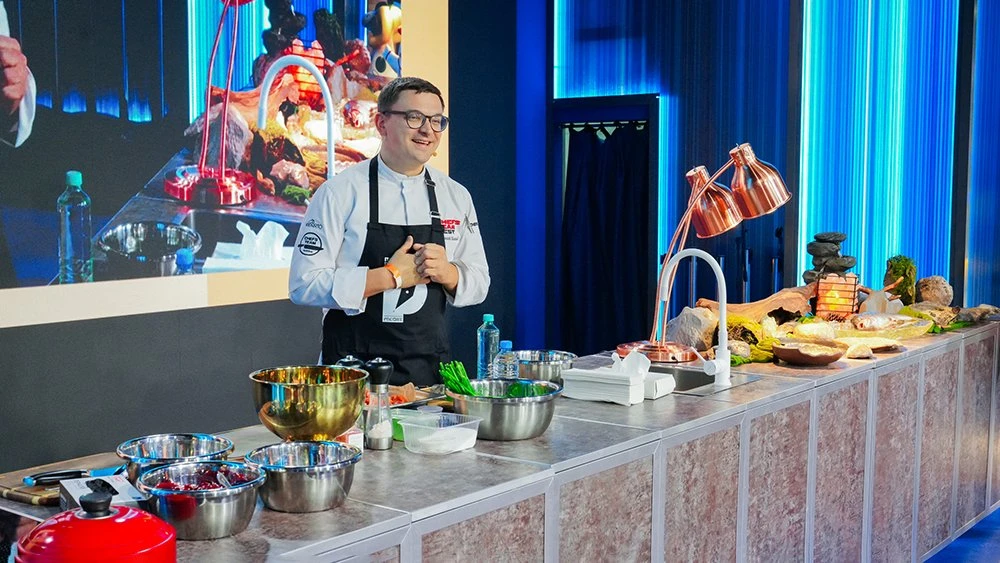
"When you're cooking, taste the dish more than once. At least two or three times. The first taste leaves an aftertaste, so it's worth trying the dish again. It's only on the third taste that you can tell whether everything is right, whether there's enough flavour and whether anything needs adjusting," Yevgeny Banny advised.
Another of the chef's tips is about choosing onions. For a more delicate fish marinade, he recommends shallots: they have a milder, more neutral flavour. Red onions are also less pungent, and Crimean onions are particularly prized for their sweetness and how quickly they cook. Yevgeny Banny also revealed how many kilocalories a chef can consume during a working day. He said an experiment put the figure at around 7,500 kilocalories. In practice, though, the chef often shares those calories with his right-hand person in the kitchen, the sous-chef.
The next dish in the workshop was fried vendace with a potato baton and a chilled soured cream sauce with beetroot, horseradish and dill. The small lake fish was fried to a golden crisp, while the potato complemented it with a familiar flavour. The dish highlighted another feature of northern cuisine: everyday ingredients can make for interesting cooking when you pay attention to their quality and how you prepare them.
"To prepare the fish, cut off the head, tail and belly, then pull out the backbone with your fingers. It's quite simple. As for the sauce, I'd give it a bit more kick and depth. I can't give exact proportions because everyone uses different dishes and utensils. Let your own taste guide you," said Yevgeny Banny.
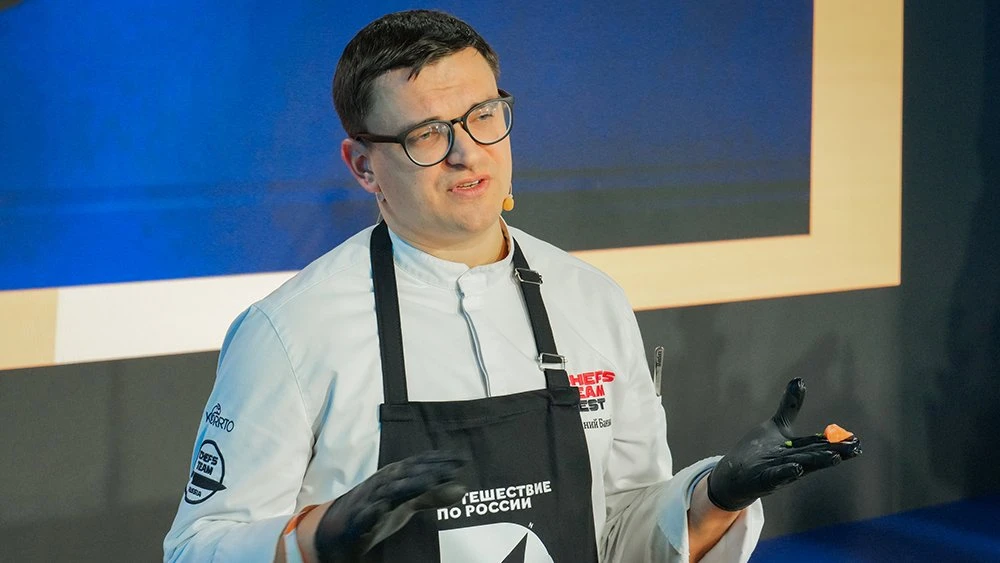
The workshop ended with "A Taste of Karelian Childhood", a slice of rye bread with butter, berries and sugar. This simple combination, familiar to many from childhood, brought the culinary journey back to the family table. After the striking fish dishes, this was the flavour the chef wanted guests to remember. As Yevgeny Banny said at the end of the session, the main idea behind the workshop was that the value of northern cuisine lies in the care taken with ingredients, local traditions and flavours passed down from generation to generation, regardless of how much the ingredients cost.

The "Khorovod" exposition at the National Centre RUSSIA will bring together stories, traditions and contemporary imagery from Russia's regions.