


Siberian sturgeon at "Geography Lessons": a contemporary of the dinosaurs at the National Centre RUSSIA
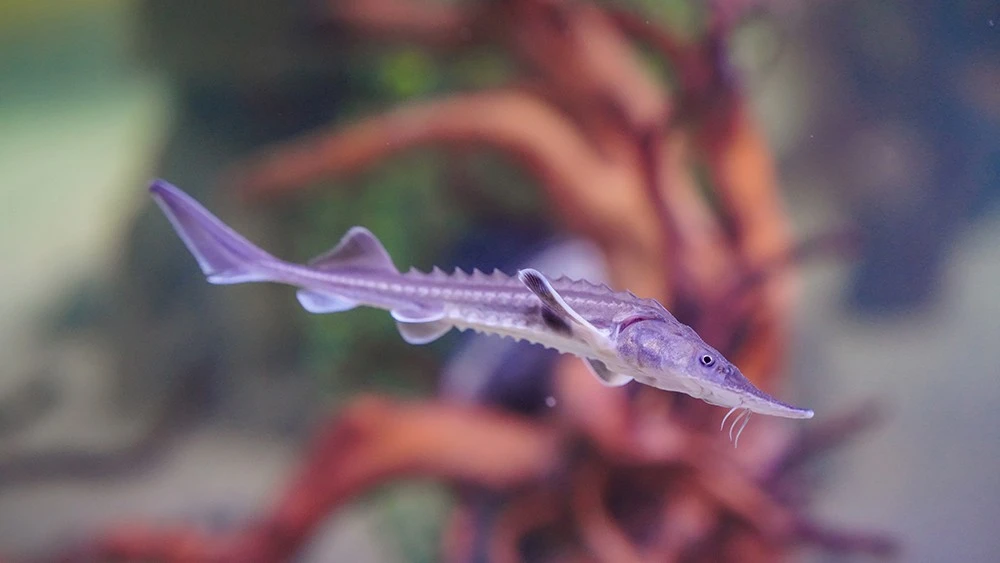
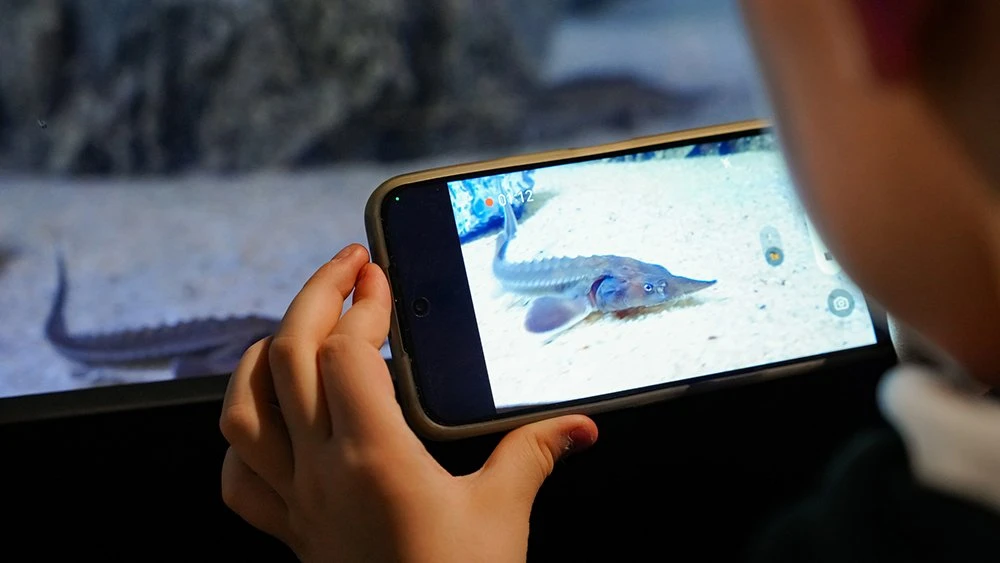
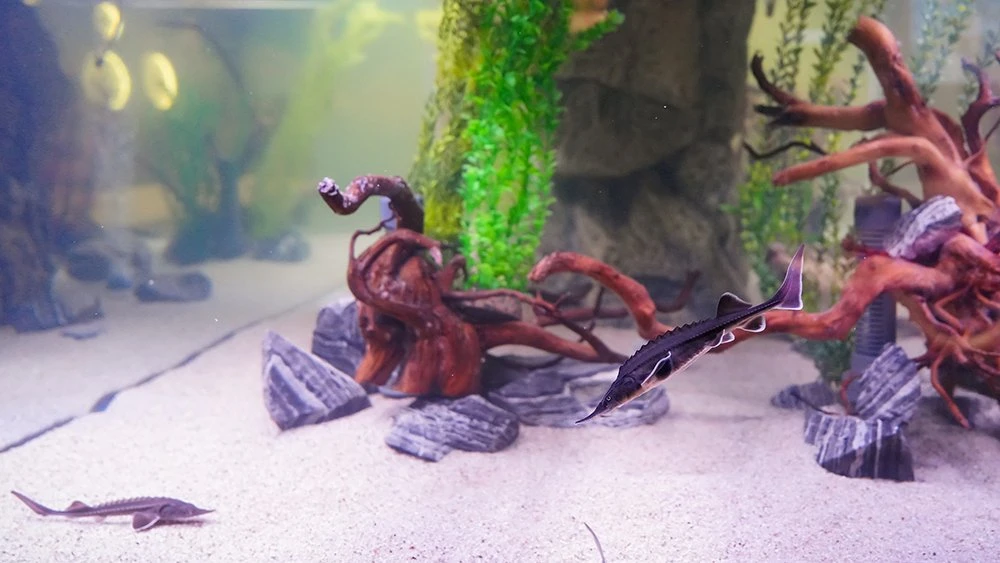
At the "Geography Lessons" exposition, visitors can see not only ancient maps and atlases but also representatives of fauna. In the "Resources. Gifts of Geography" hall, an aquarium with sturgeons captures the guests' interest. Children and many adults stand still by the glass for a long time, watching the fish. The sturgeon is no ordinary river inhabitant, but a rare witness to the planet's ancient history that requires special protection today.
The Siberian sturgeon is a contemporary of the dinosaurs. It appeared more than 200 million years ago and has remained almost unchanged. These fish do not have a conventional bony skeleton; instead of bones, they have cartilage, much like a shark. Their bodies are covered not with scales but with bony plates, which is why the Siberian sturgeon is often compared to a "knight in armour".
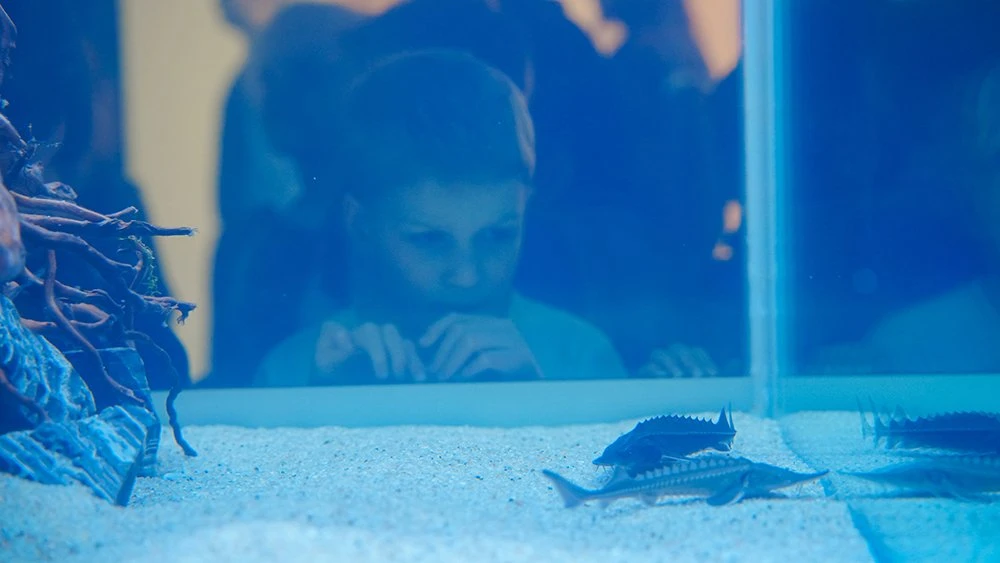
Fish of this genus have poor eyesight but are excellent at sensing prey using their whisker-like antennae. They "feel" the bottom, finding food where others would not notice it. Their roe is one of the most expensive products in the world; it is not for nothing that it is called "black gold". If there is sturgeon in a river, it means the river is "healthy". At the same time, the species is extremely vulnerable: sturgeons grow slowly, live for 60 years or longer, and reach maturity late.
Sturgeons survived the dinosaurs and the ice ages, but today the existence of this species largely depends on a responsible human attitude towards rivers, fishing, and ecosystems as a whole. The Siberian sturgeon is listed in the Red Data Book of the Russian Federation.
The "Resources. Gifts of Geography" hall presents the country's main types of resources: water, forest, and mineral. Geological maps, deposit schemes, and samples of minerals and ores show the riches of the Russian land. The section on water resources serves as a reminder that Russia is one of the countries best provided with fresh water in the world: from great rivers to groundwater and marshes acting as natural "filters" and reservoirs of moisture. Here, guests can learn about Russia's natural wealth. The display shows why the rational use of resources and care for ecosystems are an important part of geographical knowledge and the country's modern development.
The "Geography Lessons" exposition is an educational project of the National Centre RUSSIA, created for children and their parents. Here, one can see maps from different eras, expedition finds, multimedia installations, and objects such as a polar tent — all of which help to take a fresh look at geography as a story of people who dared to step into the unknown.

New brands and products have appeared at the Department Store of the National Centre RUSSIA, each working in its own way with the themes of beauty, fragrance and personal comfort.
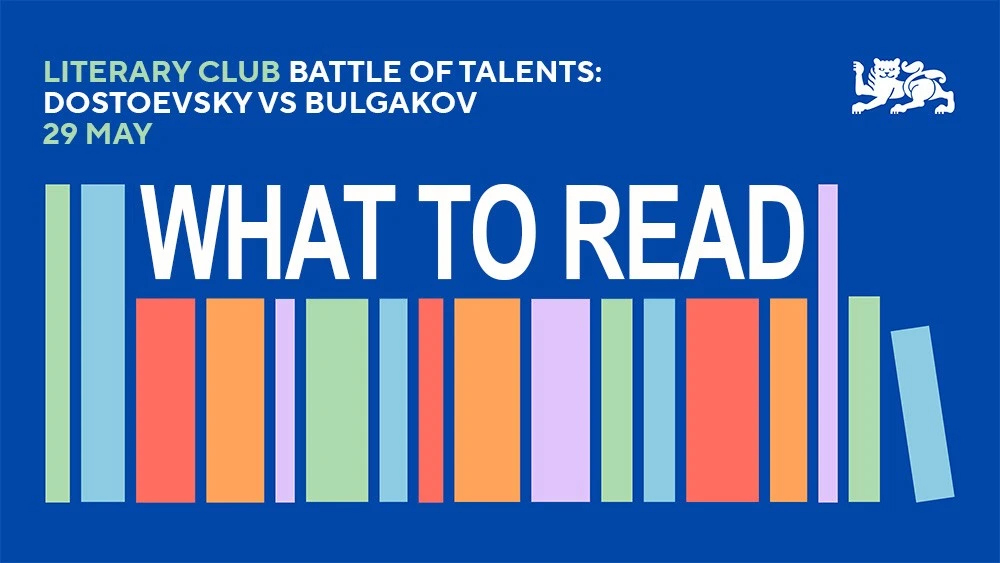
On 29 May, the National Centre RUSSIA will host a meeting of the Literary Club "What to Read?!" in the format of an intellectual duel.

The students visited the heart of Russian television, Channel One.


