


Meaning and the future of Russian philosophy take centre stage at the Literary Club of the National Centre RUSSIA
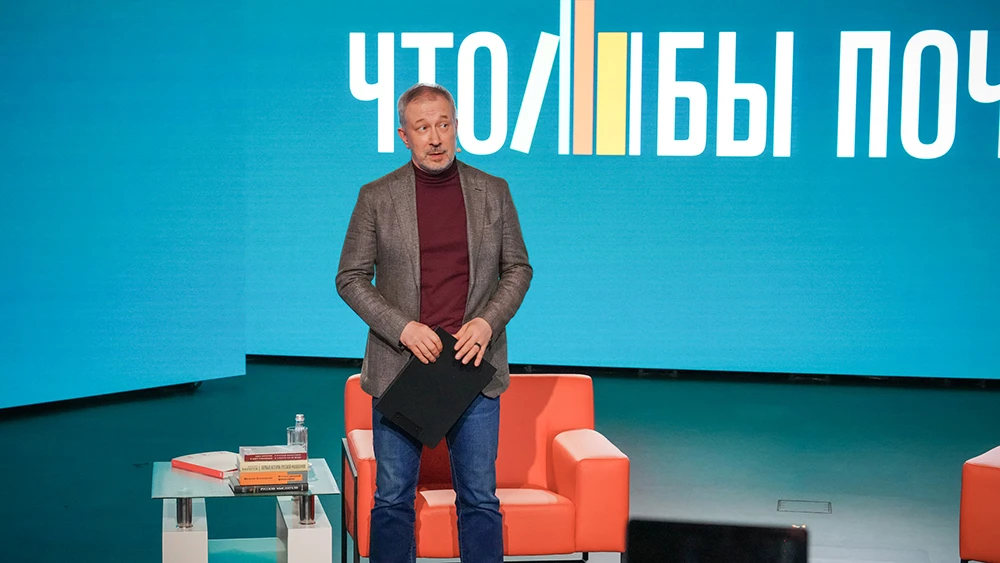
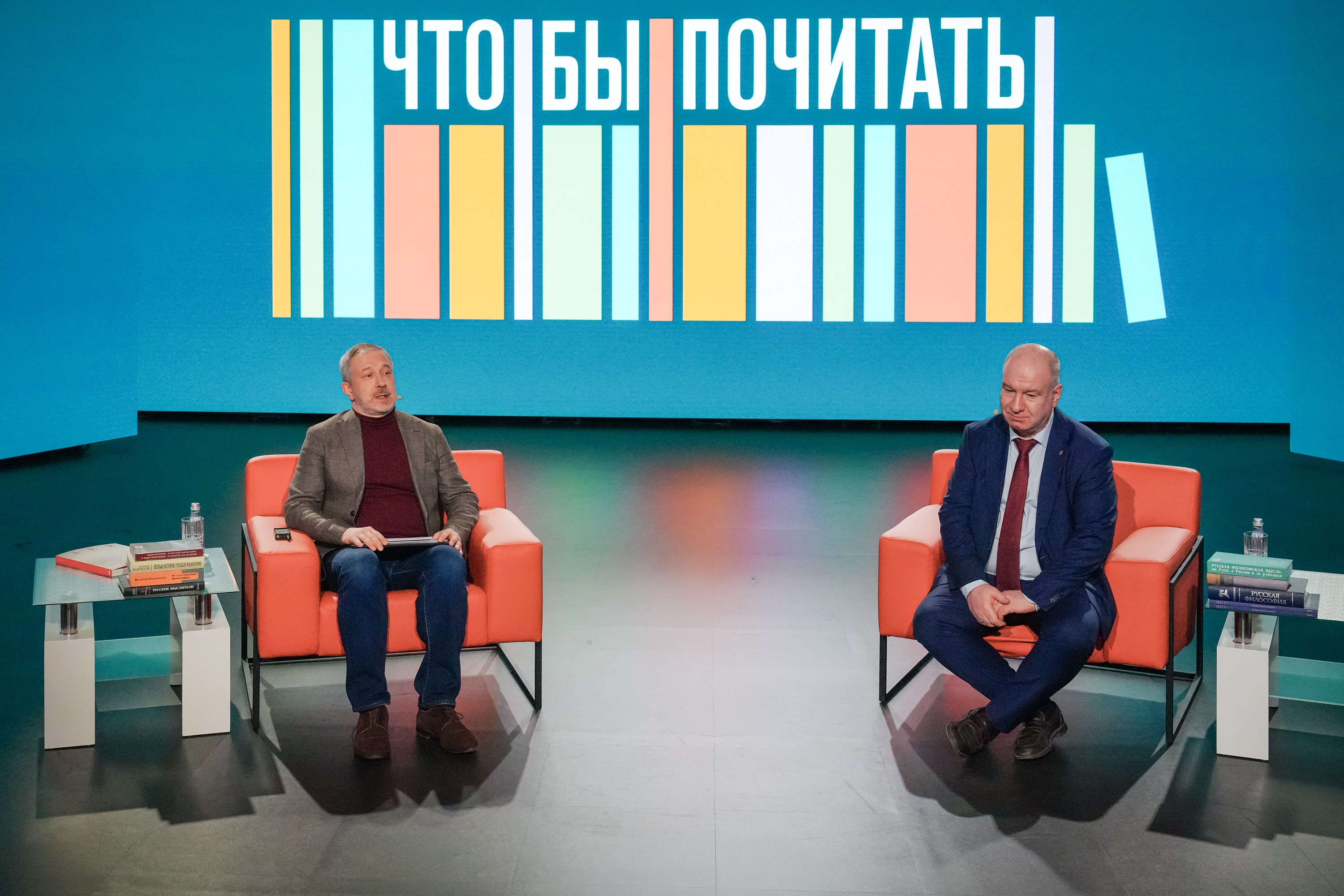
A new meeting of the Literary Club "What to Read?! Meanings" — a signature project of the National Centre RUSSIA — was devoted to the past, present and future of Russian philosophy. Participants discussed how the ideas of Russian thinkers can help us better understand the modern-day world and respond to the challenges of our time. The discussion was moderated by Alexei Chesnakov, Head of the Scientific Council of the Centre for Political Conjuncture, Professor at the Higher School of Economics and Candidate of Political Sciences. His guest was Alexei Kozyrev, Dean of the Faculty of Philosophy at Lomonosov Moscow State University, Head of the Department of the History of Russian Philosophy and Candidate of Philosophical Sciences.
The experts noted that philosophy in Russia has always been more than an academic discipline. It has also been a distinctive way of understanding the purpose of the individual and the state, defining moral principles and national values. At a time of profound global transformation, they argued, turning to Russia's own intellectual traditions has become especially relevant.
"Philosophy is the branch of thought that helps us understand why we are here on this earth. Of course, it is important to understand the present, but philosophy is especially valuable because it encourages us to think about the future: what it will be like, what we must do to make it a happy one, and which of our predecessors — those who reflected on these questions for centuries — can help us find the answers," said Alexei Chesnakov, Head of the Scientific Council of the Centre for Political Conjuncture, Professor at the Higher School of Economics and Candidate of Political Sciences.
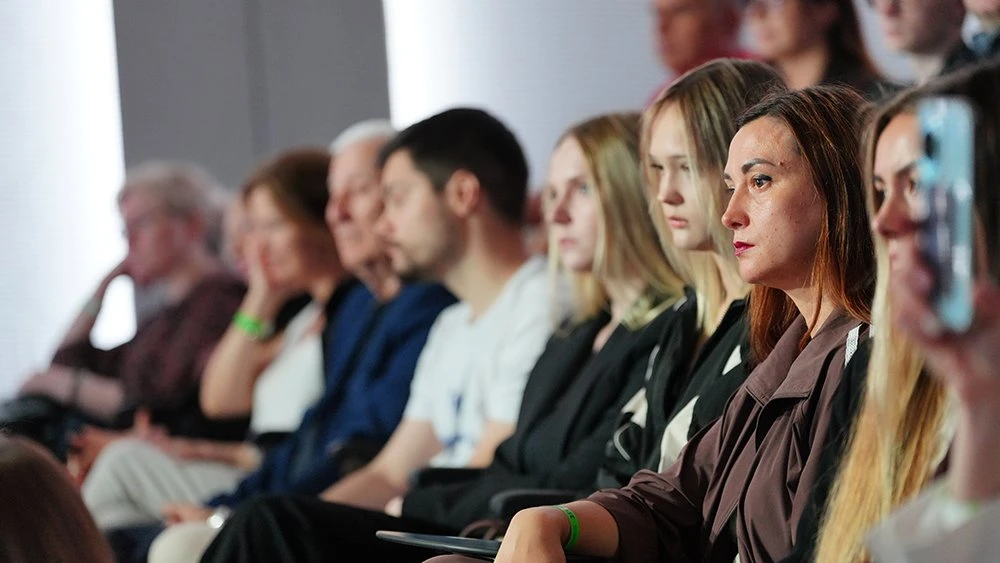
He also noted that Russian philosophy is a conversation about why we are here, what distinguishes us from others, what awaits us in this life and what we must do to ensure that our children are happy. This, he said, is why Russian philosophical thought, the legacy of the country's great philosophers and their reflections on humanity, society and the future are in such demand today.
"Russian philosophy is an absolutely unique phenomenon. Unlike many countries, which never developed their own national schools of philosophy and instead relied on either Western or Eastern traditions, Russia created its own philosophical tradition. Our country has accumulated a unique experience of comparing different perspectives — on itself, on the world and on the future. In that sense, I believe that every Russian, every citizen of Russia, should be familiar with the rich treasury of Russian philosophical thought and the legacy of Russian philosophers," he added.
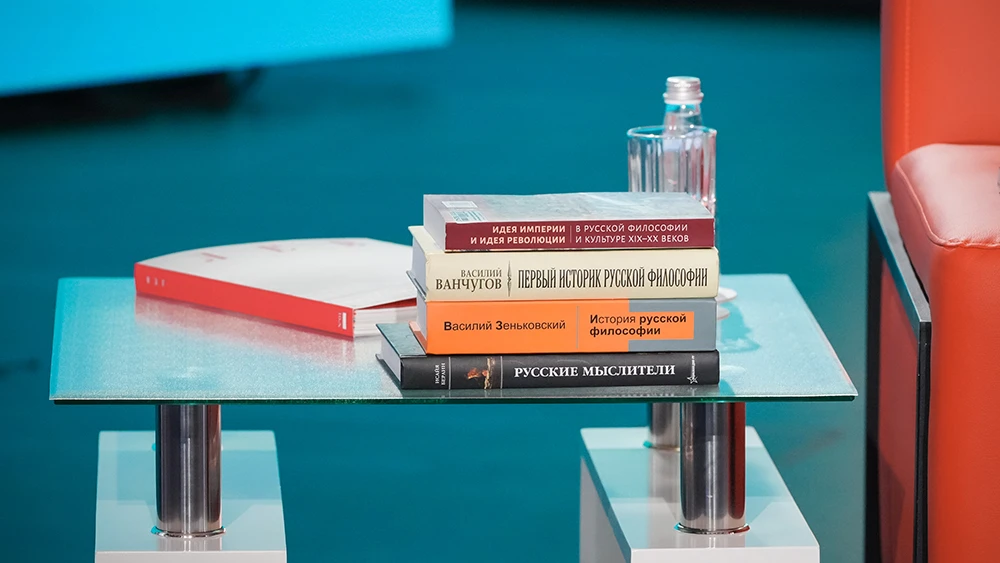
There is still no consensus as to when Russian philosophy was born: whether its origins can already be found in Ancient Rus or whether it emerged later, during the medieval period and beyond. Alexei Kozyrev offered his own perspective on this debate. In his view, Russian philosophy did not begin in the nineteenth century and cannot be reduced to textbook narratives; its roots are much deeper and older.
"Much depends on how we ourselves define the issue. If we regard Russia as a cultural project that emerged from Peter the Great's reforms, then the Petrine era becomes the starting point. But we cannot simply erase the vast period of our history from the eleventh to the seventeenth century. Even then, there were forms of philosophical reflection, although they were not always expressed in the language we are accustomed to today. They contained a worldview that can certainly be analysed using philosophical methods. For example, as early as the fifteenth century there existed an Old Russian treatise, "The Logic of Aviasaf", an extremely important textbook on logic that combined Arab Aristotelianism with the ideas of Moses Maimonides and Ibn Gabirol. The first systematic course in philosophy in Moscow was delivered at St Andrew's Monastery in 1654," said Alexei Kozyrev.
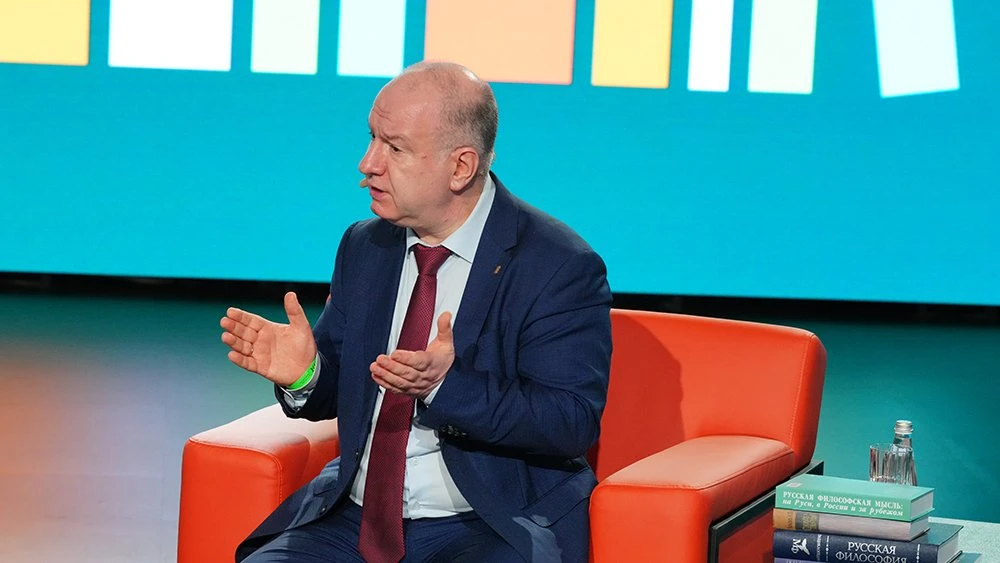
He added that Russian philosophy is addressed not only to academic specialists but also to everyone who considers themselves Russian, because it is a conversation about what the country is, what historical path it has followed and what defines its unique character.
"Russian philosophy can be understood as philosophy driven by the desire to understand Russia — to discover what kind of country this is in which we live and to comprehend its history. In that sense, Russian philosophy is far more than an academic discipline; it is something that concerns everyone who identifies themselves as Russian, as a citizen of Russia, or as someone belonging to this country. That is why I believe each of us has every reason to take an interest in it," said Alexei Kozyrev.
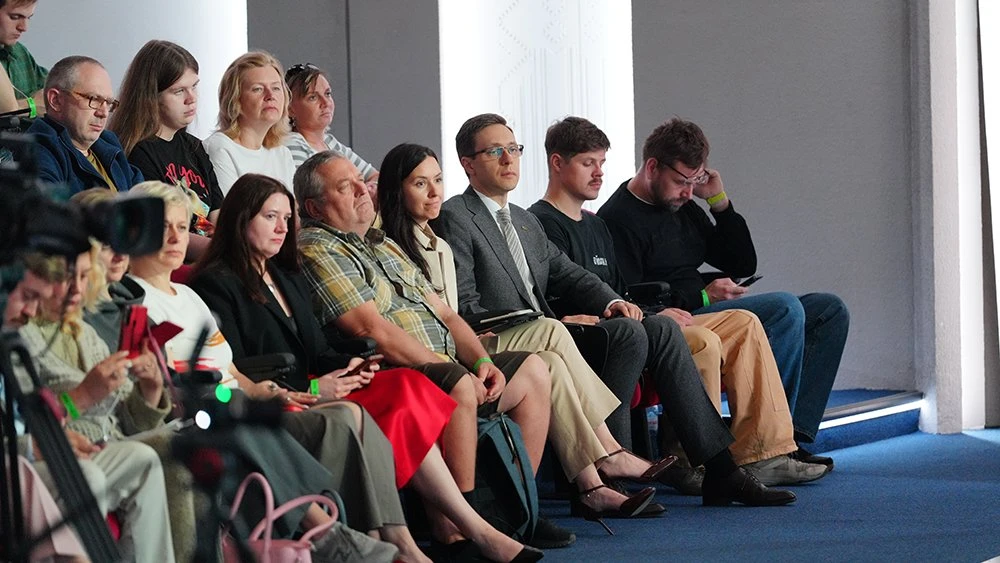
The meeting concluded with a traditional question-and-answer session. Audience members asked about the core values of Russian philosophy, how philosophy can help address everyday challenges, which philosophical trends may become relevant in the future and whether there is a need for new schools of philosophical thought.

"In my view, philosophy was born only once — in Ancient Greece — and we are still living within that tradition today. All its later forms, whether Renaissance, German or Russian philosophy, continue the line that begins with Parmenides, Heraclitus, Plato and Aristotle. But who actually creates philosophy? Neither Heraclitus nor Parmenides held doctoral degrees in philosophy. Titles are not what matters. What matters is how ideas and texts become part of cultural history and to what extent they remain meaningful. Manuscripts do not burn. If there had been no need to preserve Plato and Aristotle for future generations, their works would never have reached us. Yet they did. That suggests something providential. The same is true of other philosophical works. If history needs them to remain part of history, they will remain," Alexei Kozyrev emphasised.
At the close of the meeting, Alexei Chesnakov highlighted the importance of the Literary Club "What to Read?!" as a platform for dialogue about the country's past, present and future. He also spoke about the new magazine of the National Centre RUSSIA, named "Lev" ("Lion"), which will serve as another forum for discussing major public issues and reflecting philosophically on the future:
"We are at the National Centre RUSSIA. This is a place that tells the story of what Russia is made of, and where various expositions and events are held. One of the aims of today's meeting was to answer the question: 'What is our country for, and what does it bring to the world?' That is why we need spaces like this, where such questions can be asked, where different answers to these questions can be offered, and different perspectives can meet. This is an immensely important function of philosophy. <...> The National Centre has also launched its first magazine, "Lev", which can be viewed on the official website. It will become a regular publication and will feature extensive coverage of Russia, including a wide range of intellectual ideas and practices."
The first issue of the National Centre RUSSIA magazine "Lev" is available online and can also be purchased at the Department Store RUSSIA.
The Literary Club "What to Read?!" is an original project of the National Centre RUSSIA. It provides a space for dialogue about reading culture and public discussion of important contemporary issues. Attendance of the club's meetings is free with advance registration via russia.ru. The latest programme of events is available in the "Events" section of the website.
Event photobank


Tableware by a brand from the Moscow Region is designed to celebrate the importance of life's simple pleasures.

The growing interest in fairy tales and folklore in Russia is not simply a passing trend of recent years, but part of a broader cultural wave that has emerged before in the country's history.
The exposition brings together exhibits from a wide range of museum collections.


