


Returning to the roots: literary scholar explains why Russia is experiencing a "folklore renaissance"
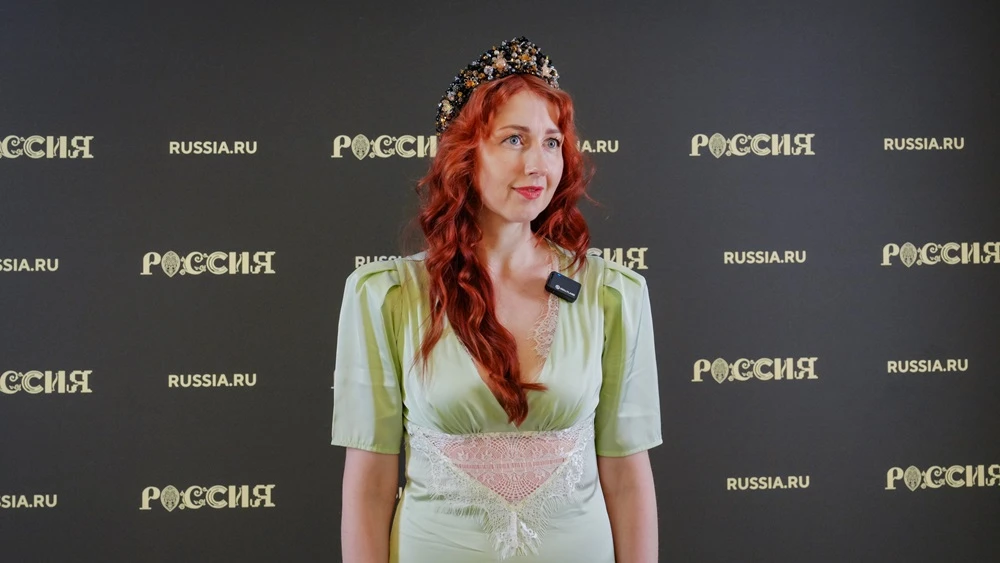
The growing interest in fairy tales and folklore in Russia is not simply a passing trend of recent years, but part of a broader cultural wave that has emerged before in the country's history. This was the focus of a talk at the National Centre RUSSIA by philologist, writer and host of her own radio programme "The Reverse Side of Fairy Tales" on Silver Rain radio, Ulyana Nizhinskaya.
According to the researcher, the period following the Patriotic War of 1812 saw a powerful "return to the roots" among the educated classes. Gallomania and the fascination with all things French gave way to a growing interest in the Russian language, everyday life and the oral traditions of ordinary people. Members of the nobility, many of whom had only recently struggled to speak Russian, began systematically recording folk songs, legends, rituals and fairy tales.
"It was then that folklore ceased to be something exotic and became central to the discussion of who we are. It was on this foundation that Afanasyev's collection of fairy tales appeared, along with Pushkin's fairy tales and Gogol's interest in folk material. It was a genuine folklore renaissance, driven not by nostalgia but by the search for a national identity after the traumatic experience of war," said Ulyana Nizhinskaya.
According to her, today's renewed interest in fairy tales and mythology largely follows the same historical pattern, albeit in new forms, ranging from academic research to folk fantasy and television series inspired by Slavic mythology. Once again, society is looking to its own cultural code for points of reference, rediscovering ancient narratives and reinterpreting them through the lens of contemporary experience. Modern-day writers and readers are turning to the same sources that inspired nineteenth-century folklorists, but they are asking different questions — about hope, freedom and responsibility, coming of age and the choices people make.
"Today's interest in folklore is about much more than a fascination with mythological characters. Through fairy tales we try to articulate what is difficult to express directly: fears about the future, the experience of collective crises and ideas of justice. In that sense, our new folklore renaissance is no longer simply a look back at the past, but an attempt to use it to make sense of the future," the expert emphasised.
The Literary Club "What to Read?!" at the National Centre RUSSIA will continue its programme of events, where experts introduce audiences to contemporary literary trends, help broaden their literary horizons and reveal new meanings in familiar stories.
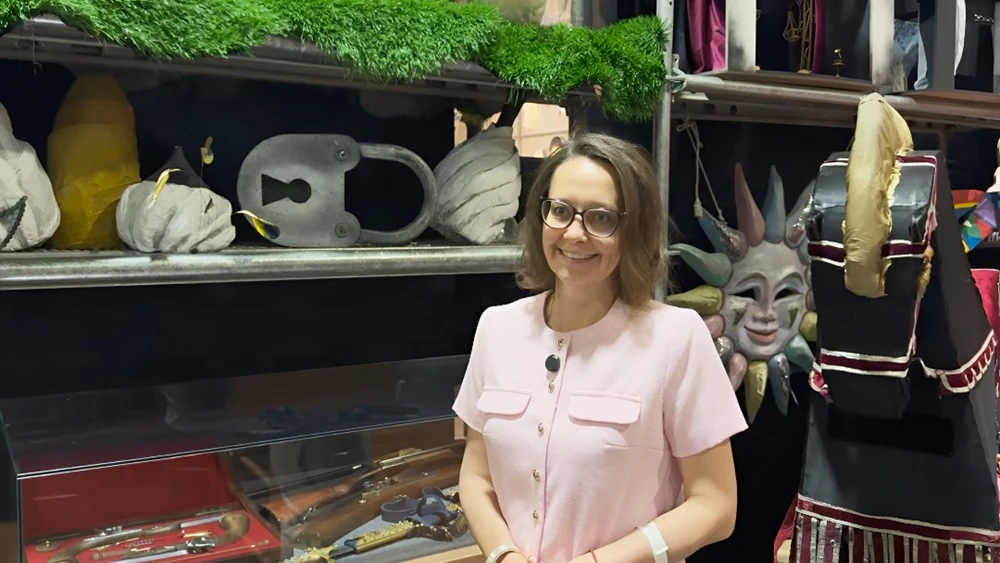
The exposition brings together exhibits from a wide range of museum collections.
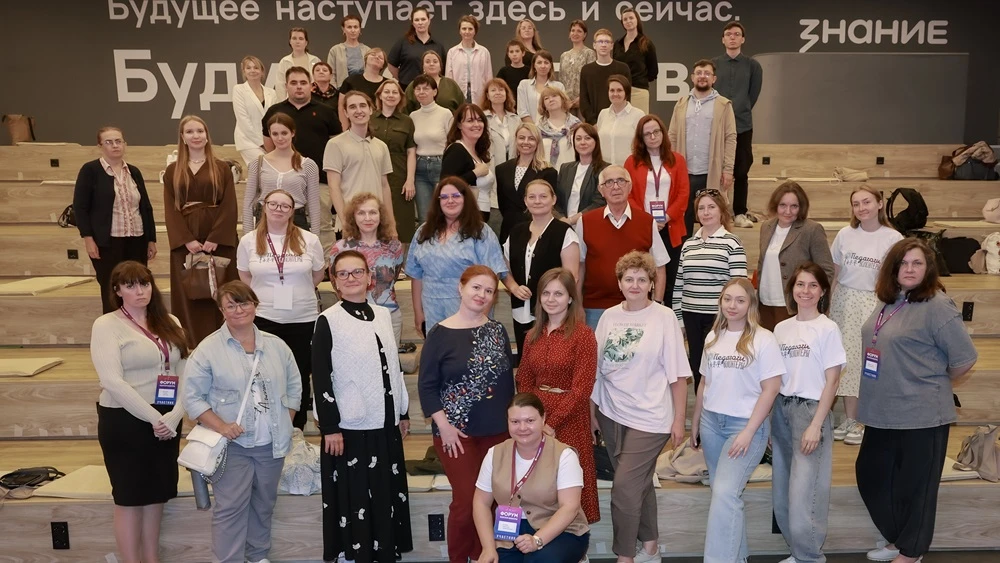
One of the day's key events was a training session on working with children who have experienced psychological trauma.

Its inaugural issue focuses on the theme of the future and is conceived as a genuine "time capsule" for readers.


