


The Solar System is an exception: the "Russia Speaks" podcast explored research into other planetary systems

The discovery of exoplanets has shown that our Solar System is not the norm, but rather an exception — one of the key revelations of modern astronomy. How the picture of the Universe has changed following the discovery of other planetary systems is discussed in the podcast of the National Centre RUSSIA, "Russia Speaks", featuring astronomer and science communicator Dmitry Wiebe.
Doctor of Physical and Mathematical Sciences and Head of the Department of Stellar Physics and Evolution at the Institute of Astronomy of the Russian Academy of Sciences, Dmitry Wiebe emphasised that the first discoveries of exoplanets overturned long-held ideas about the "correct" structure of planetary systems.
"The Solar System is definitely not typical. And this was one of the key revelations connected with the discovery of other planetary systems. We assumed that planetary systems should be arranged as logically as the Solar System. Two research groups were searching for exoplanets at the same time. And both simultaneously obtained evidence of a Jupiter-type planet on a very close orbit to its star. But one group decided that this could not be true, while the other concluded that anything was possible," Dmitry Wiebe explained.
The podcast also discussed which types of planetary systems are most common and how this changes assessments of the likelihood of habitable worlds. The speakers touched on how new data is influencing plans for future space missions.
The episode of the National Centre RUSSIA podcast "Russia Speaks" featuring Dmitry Wiebe, entitled "Are We Alone? How Space Is Changing Our Consciousness", is available on the website russia.ru in the "Livestreams and Videos" section.
"Russia Speaks" is a podcast of the National Centre RUSSIA dedicated to science, technology and the future. In each episode, experts explain complex space and scientific topics in clear language and show how they connect to everyday life.
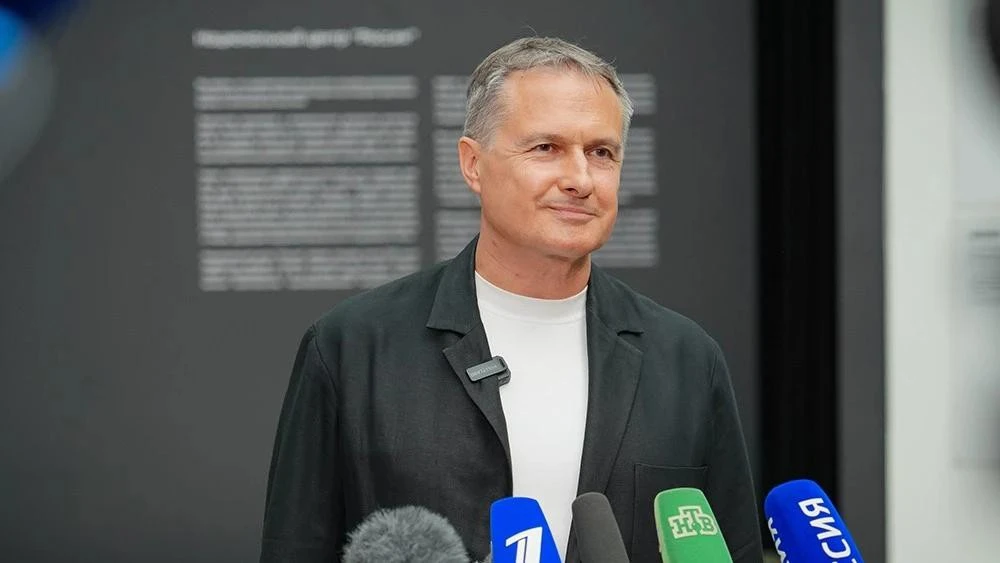
The future building of the National Centre RUSSIA will change perceptions of urban public spaces and become one of the main symbols of the capital.
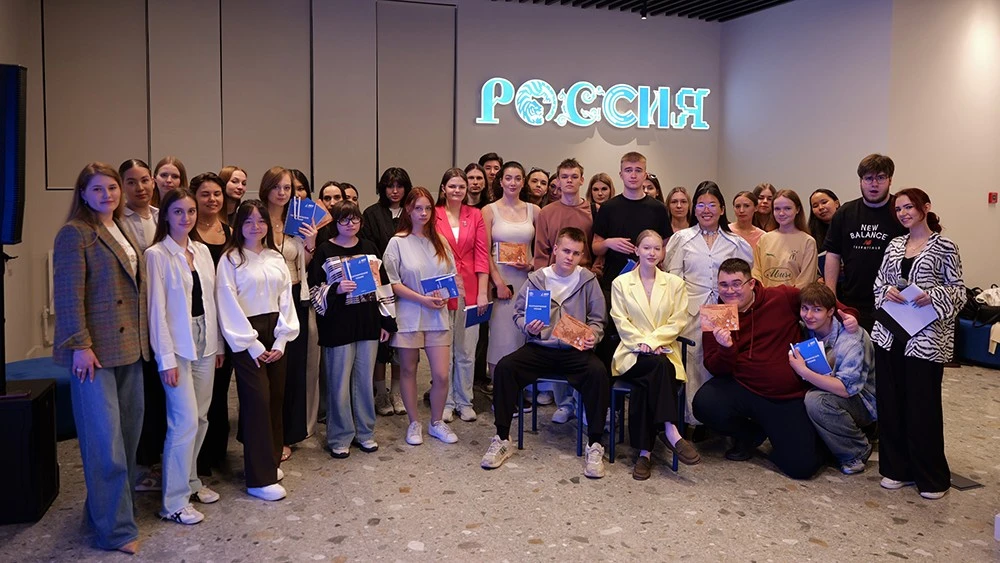
As part of the Open Lecture Hall "Inventing the Future: Ecotourism", the geographical readings "Mosaic of the Peoples of the Far East" were also held.
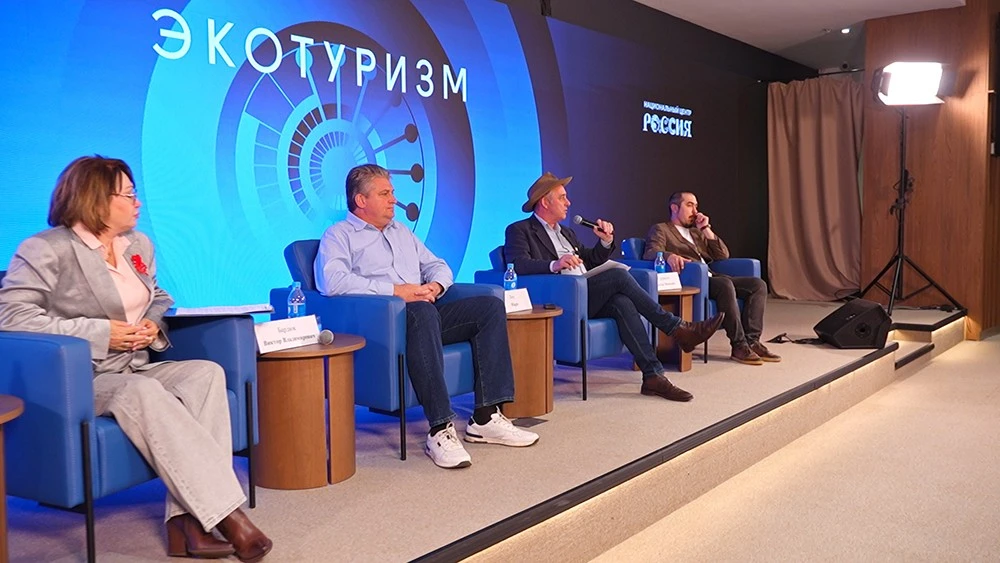
The Open Lecture Hall "Inventing the Future: Ecotourism", an original project by the National Centre RUSSIA, was held in Vladivostok for the first time.


