


RT special correspondent Konstantin Pridybaylo shares professional insights with young journalists at the National Centre RUSSIA
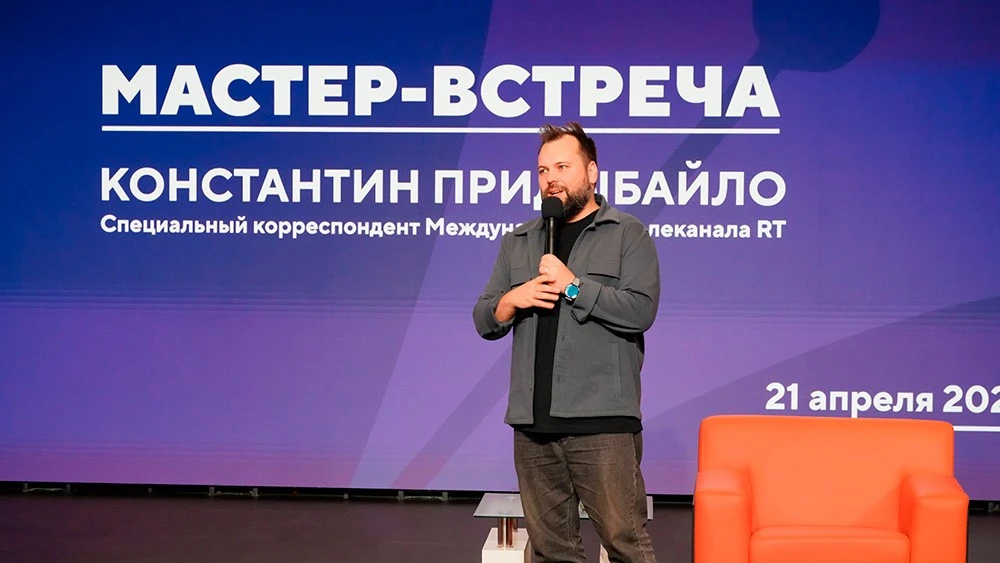
A master
meeting with RT special correspondent Konstantin Pridybaylo was held at the
National Centre RUSSIA as part of the Young Journalists School project. He
shared his professional experience with aspiring journalists and revealed key
aspects of the craft.
"Journalism
is not only about polished stand-ups on camera or social events. It also
involves constant lack of sleep, business trips, time zone differences, and
many other challenges. It means tight deadlines for submitting material —
whether for print media, radio or television news. It involves hundreds of
phone calls to people who may not want to speak with you, and attempts to find
exclusive stories. And, of course, it is a constant search for truth where it
is being concealed. A journalist must be prepared for all of this," said
Konstantin Pridybaylo.
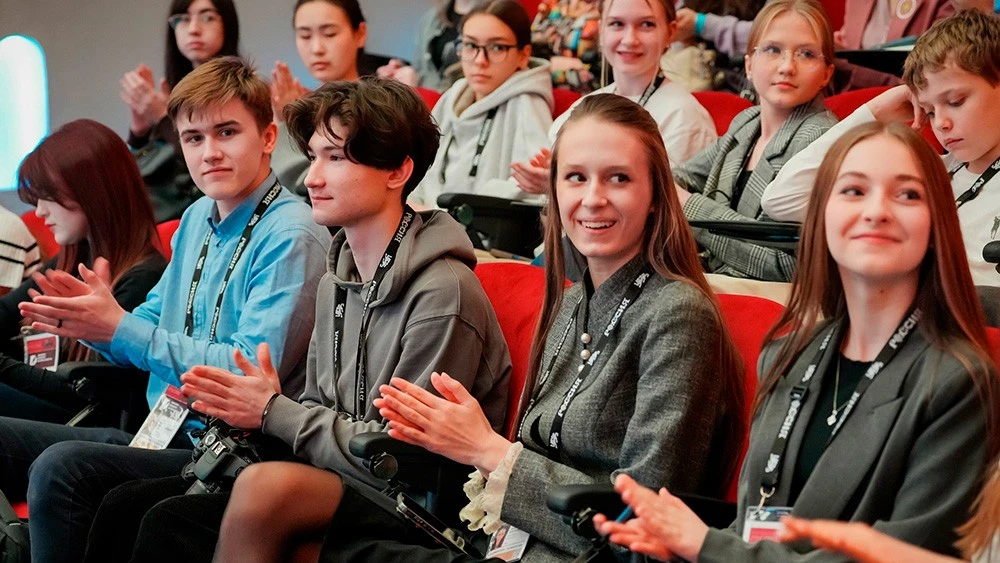
The expert
paid particular attention to working in challenging conditions, explaining how
journalists manage to defend Russia’s interests in the media space, cover
protests and gatherings, and report on the special military operation. He also
spoke about his professional path — starting at Radio Minsk, then working at
Komsomolskaya Pravda and the Belarus 1 TV channel, before joining RT. The
speaker compared the specifics of working in radio and television, explained
the role of a special correspondent and the formats of work available to them,
and reflected on what matters more: formal journalism education or practical
experience gained over time.
At the end
of the meeting, Konstantin Pridybaylo shared several personal principles for
life and professional activity that may be particularly useful for aspiring
journalists.

"Do
not waste a single minute. Everything you do now will be useful in the future,
and everything you do not do may be something you lack later. Read extensively
— words are your only tool, and broad reading and observation are your
foundation. Study subjects beyond journalism: become an expert in something
else to better understand how the world works. Step away from social media,
because the best stories are told by people in person. Be prepared to face
criticism. And, of course, protect your reputation: your name in journalism is
your only capital," he advised.
During the
meeting, young journalists asked Konstantin Pridybaylo a number of questions.
They were interested in why he chose the role of special correspondent over a
stable top management position. They also asked how to overcome initial
scepticism from interviewees, how to communicate the specifics of their culture
to Western colleagues, and how to help them better understand the "Russian
soul".
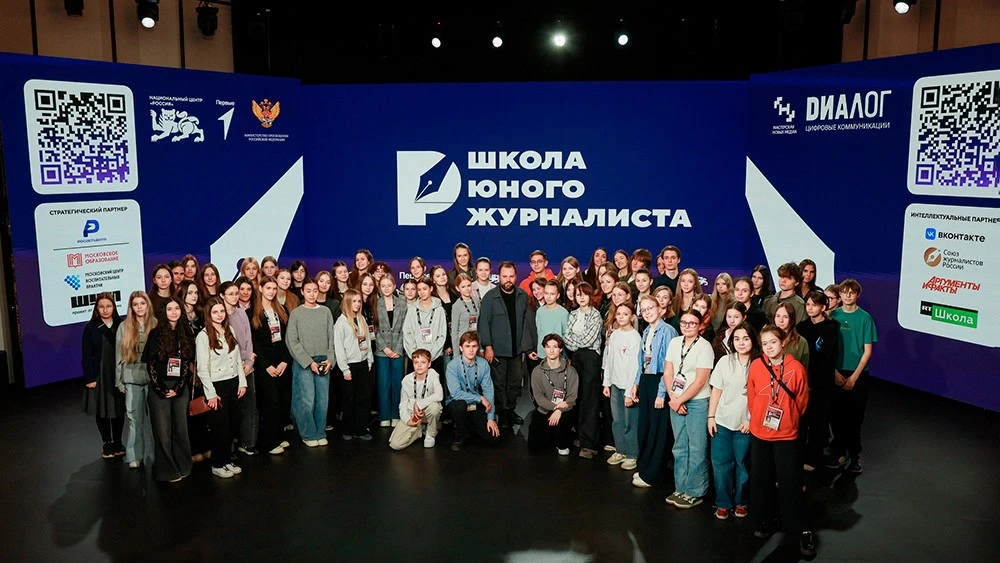
The
discussion also covered the specifics of radio work: participants of the master
meeting learned how to maintain audience attention using only the voice,
without visual contact. They also explored the role of psychological education
in journalism, and discussed whether it is possible to predict in advance which
stories will gain traction and which will go unnoticed, and whether it is
acceptable to deliberately amplify public interest around certain topics.
Alongside practical advice, participants received strong inspiration for their
future professional development.
The
multi-format project Young Journalists School is designed to help teenagers
acquire relevant professional skills and competencies; and to develop a talent
pool of future media professionals. It is implemented by the National Centre
RUSSIA in partnership with the Movement of the First, with the support of the
Ministry of Education of the Russian Federation.
Event photobank
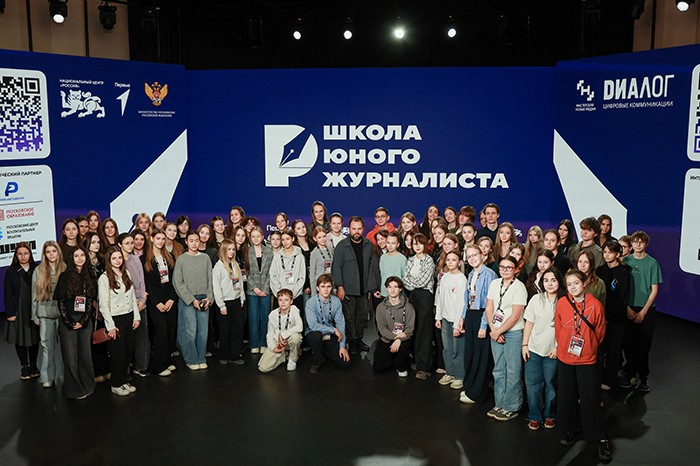

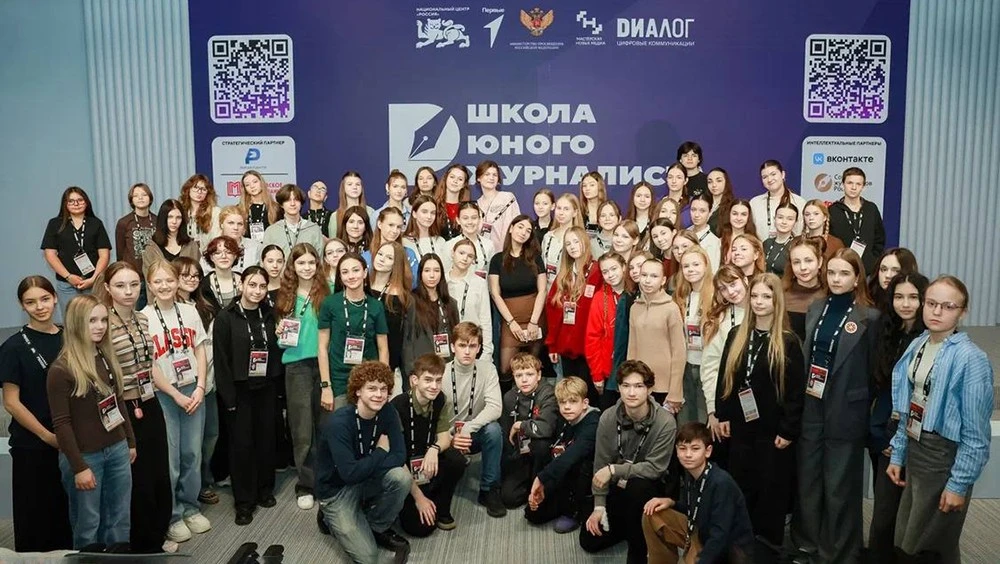
A session of the Young Journalists School dedicated to video editing was held at the National Centre RUSSIA.
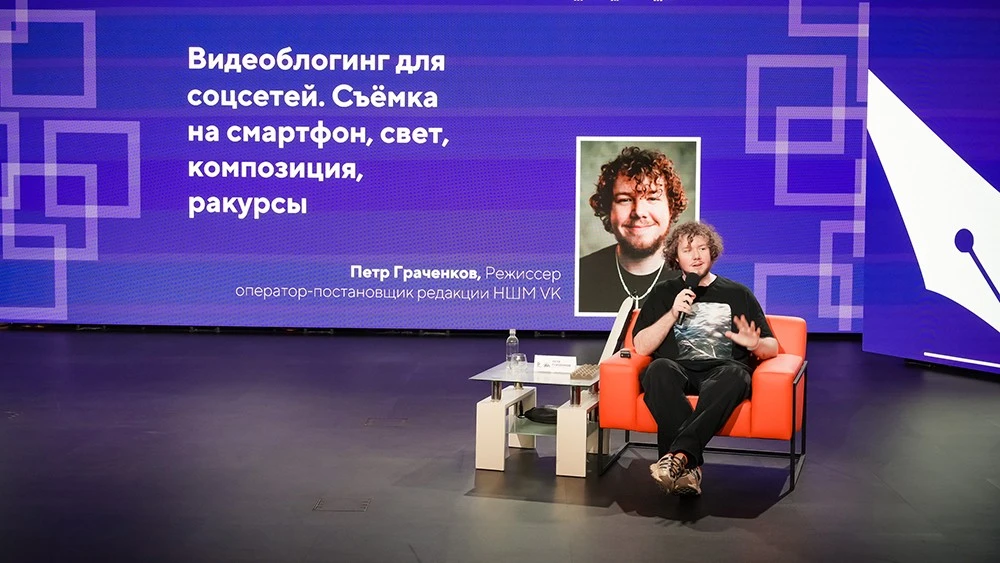

The participants saw how presenters, directors and sound engineers work in real time.


