


Poetry as nurturing the soul: 120th birth anniversary of Agniya Barto

"A little bull is walking, swaying, sighing on the go", "A teddy bear was dropped on the floor", "Our Tanya crying out loud" — these simple, unpretentious verses have long become part of the national cultural code, passed down from generation to generation. On 17 February, we mark the 120th birth anniversary of Agniya Barto, the foremost children's poet, whose lines accompany a person in Russia almost from the first days of life.
Agniya Barto was born in 1906 in Moscow into the family of a veterinary surgeon. Her talent for poetry manifested itself as early as the age of four. She filled entire exercise books with her compositions, imitated Anna Akhmatova, and admired Vladimir Mayakovsky. Her love for literature was instilled by her father, who taught her to read using Leo Tolstoy's "ABC book", and did his utmost to pass on his own passion for art to his daughter.
In her youth, the future poet studied ballet and even graduated from a choreographic school, but her destiny was decided otherwise. According to family legend, the People's Commissar for Education, Anatoly Lunacharsky, attended Agniya’s final examination. Hearing her recite her own poems, he strongly urged her to write for children, which determined her future path. Barto's first children's books were published as early as 1925, and in 1936, the famous "Toys" cycle, which then became a classic, appeared.
The apparent simplicity of Agniya Barto's poems is deceptive: behind the ease of the rhymes lay serious work, ruthless self-editing, and a deep understanding of the child's soul. Poetry, according to Barto, carries an important upbringing function and should "prepare the child from an early age to perceive goodness, justice, friendship, and humanity."
The poet did not merely write for children — she studied them, understood them, and respected them as individuals. She drew inspiration for new poems from conversations with children. During the war years, while evacuated to the Ural region, Agniya Barto learned the trade of a turner, thus drawing closer to her readers — the teenagers who, in those years, in place of their parents worked factory machines. Later, for nine years in a row, she hosted a radio programme called "Find a Person" — a prototype of the modern-day "Wait for Me". Thanks to this initiative, nearly a thousand families separated by the war were happily reunited.
There is no moralising in Agniya Barto's works, but there is an honest conversation about what is good and what is bad. She ridiculed laziness, rudeness, and selfishness, but did it very gently and with humour, leaving the reader to draw their own conclusions. It was precisely this tone — trusting, without moralising, yet with unambiguous value orientations — that made her books close and understandable to different generations of young readers.
At the National Centre RUSSIA, where young people develop qualities that help them become worthy citizens of their country, the creative legacy of Agniya Barto acquires particular relevance. Her poems remind us that nurturing the soul begins with small things: with sympathy for a soft toy, the ability to share warmth, and respect for one's neighbour. And today, more than a century later, they fulfil the same mission: they cultivate in children love, care, honesty, and all the things which are essential for a harmonious personality and a strong Russia.
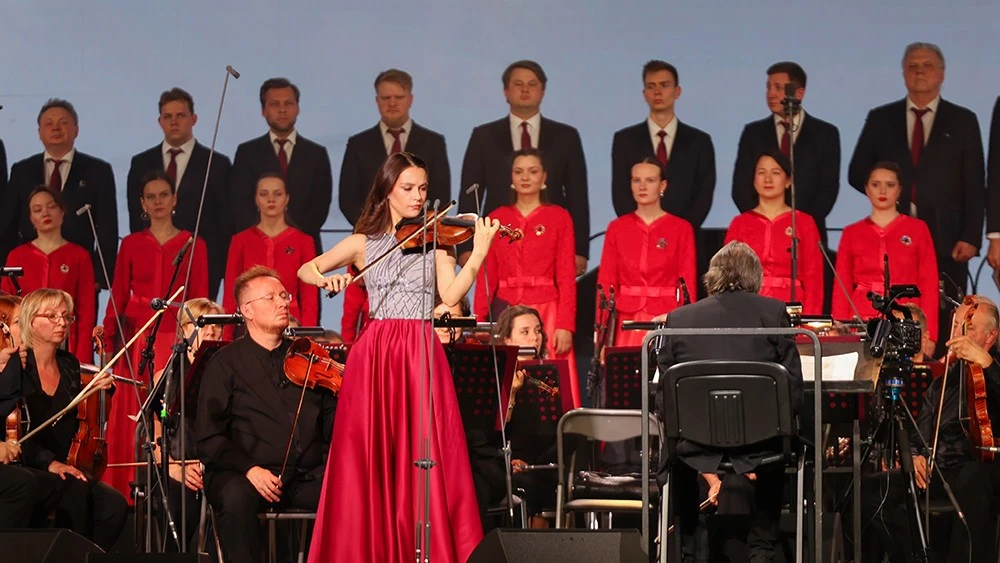
The All-Russian classical music marathon "Cantata. Russia" will be held in Moscow and regions across the country on 12 June, Russia Day.
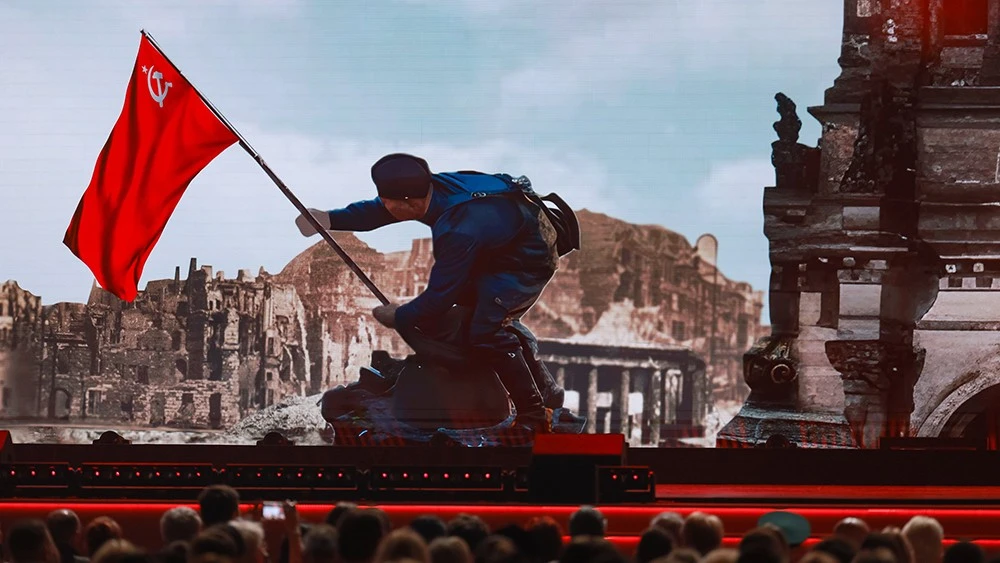
A new cycle of historical meetings and lectures dedicated to great events of our past began on 22 May at the National Centre RUSSIA.
On 29 May, the National Centre RUSSIA will host a meeting of the Literary Club "What to Read?!" in the format of an intellectual duel.


