


Tatyana Golikova: Over one million families have already received the new family tax payment
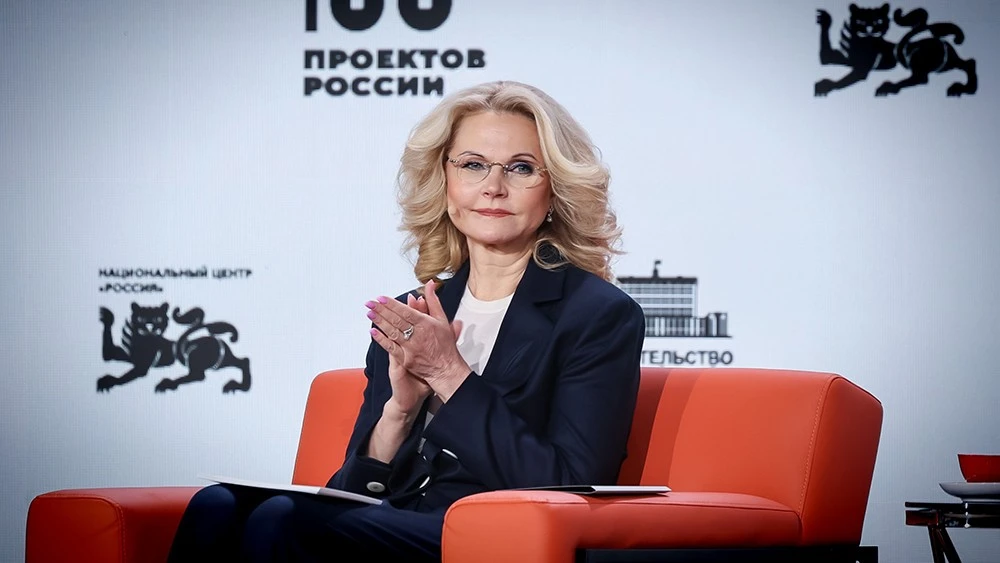
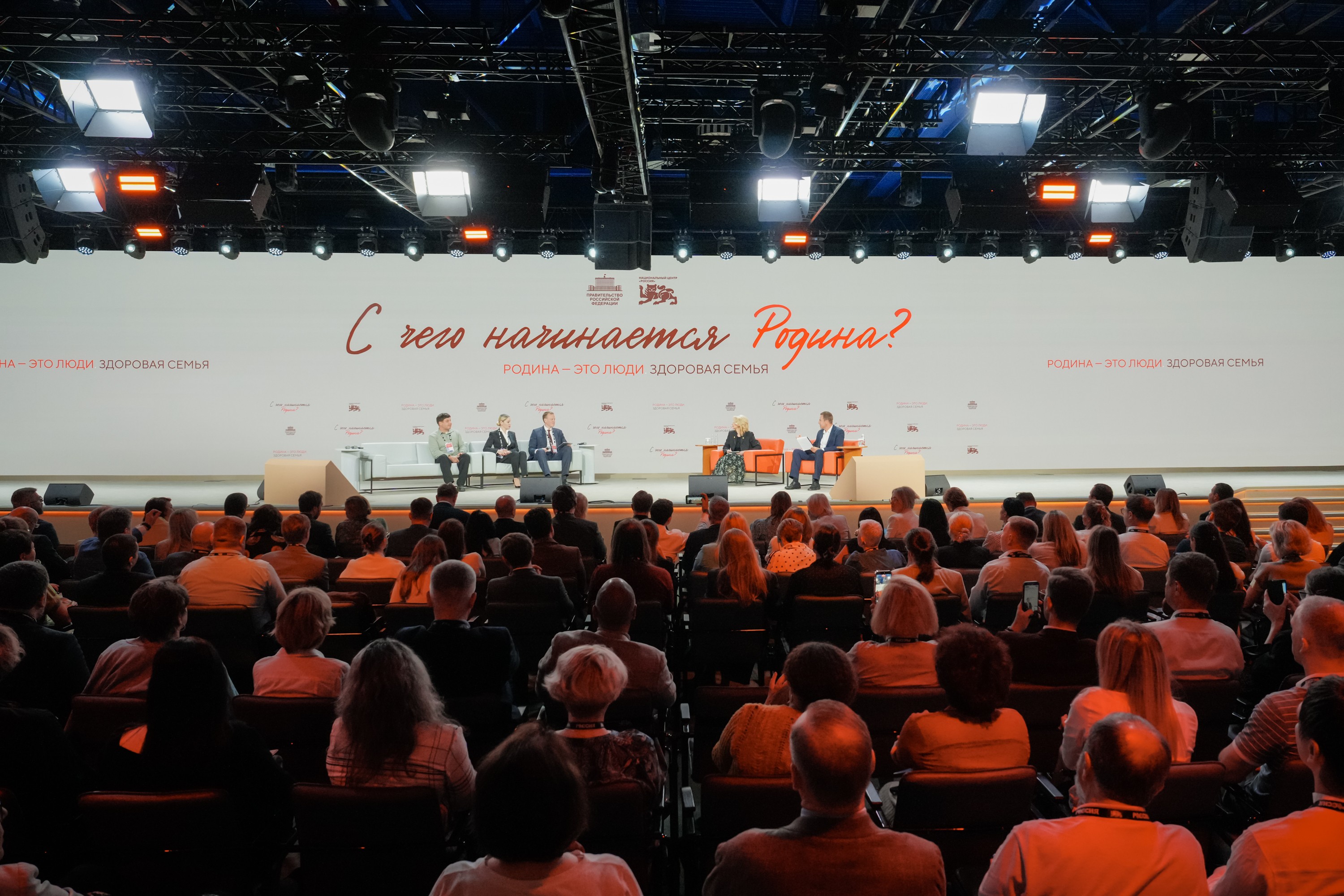
Support for families with children remains one of the most important priorities of state policy. One of the new measures is the family tax payment (tax refund), which has already been received by more than one million families raising over 2.2 million children. This was announced by Tatyana Golikova, Deputy Prime Minister of the Russian Federation in charge of Social Policy, at the first meeting of "The Motherland Is Its People" series, held as part of the all-Russian project "What Does the Motherland Begin With?" at the National Centre RUSSIA.
"The state is consistently increasing financial support for families with children. This includes maternity capital, the unified child benefit, social contracts, and insurance payments related to motherhood. Two programmes aimed at improving the housing conditions of families with children have been extended: one dealing with family mortgages, and the second providing a payment of 450,000 roubles for large families to repay mortgage loans. This year, a family tax payment has been introduced. Parents of two or more children with low incomes can reclaim part of the income tax previously paid at a rate of 6%. To date, over one million such payments have been awarded to parents raising more than 2.2 million children," noted Tatyana Golikova.
According to her, an important step has also been the establishment at the federal level of a unified status for large families. Today, in 50 constituent entities of Russia, regional support measures for large families are provided regardless of household income. At the same time, special attention is being paid to young families. In 2025, the status of a student family was formally established for the first time. Some 365 mother-and-child rooms have already been created in 252 Russian higher education institutions, and maternity benefits for female students and postgraduate researchers s have been significantly increased. In the future, it is planned that every university will have a support service for young families, which will help expectant and existing parents address both social and practical issues — from providing rooms for families in dormitories to arranging childcare during study hours.
Another important area remains the development of regional demographic policy. Since 2025, almost half of the constituent entities of the Russian Federation have been receiving federal support for the implementation of programmes aimed at strengthening the institution of the family. At the same time, the employment system is being improved to help parents maintain a balance between career and family life. By the end of this year, the network of modern employment centres "Work of Russia" will be operating in 60 regions of the country. Thanks to the modernisation of the employment service, employers can find the specialists they need more quickly, and the average job search time for applicants has almost halved — by 41%.
Event photobank

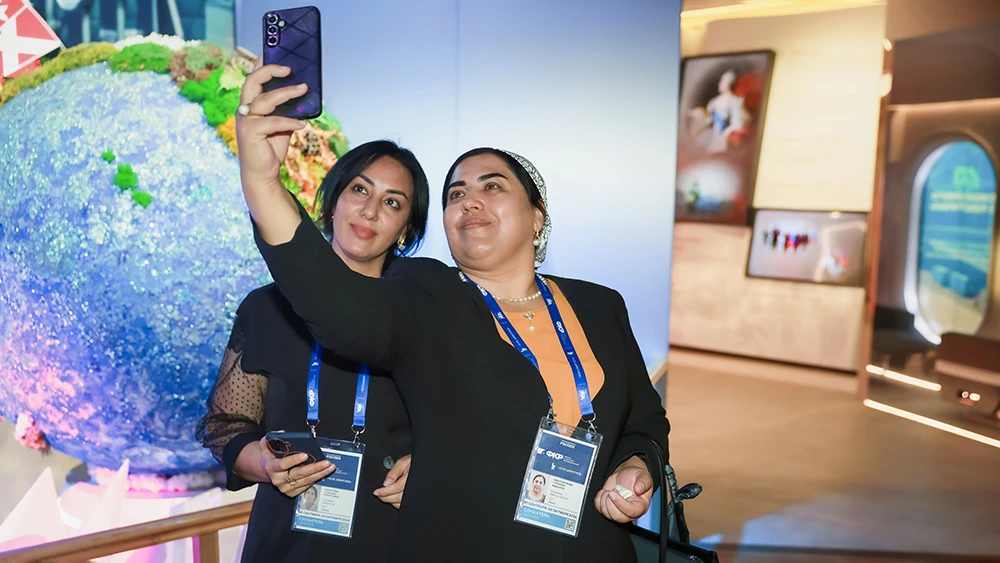
Participants in the All-Russian Homeroom Teachers' Forum and the First School Principals' Forum visited the main exposition of the National Centre RUSSIA.
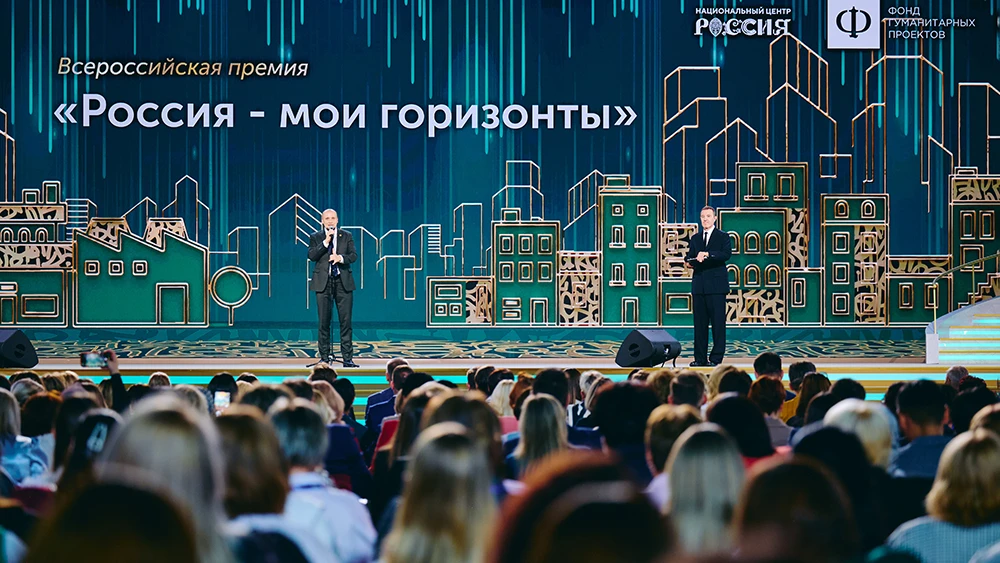
The award ceremony took place on 30 September at the National Centre RUSSIA as part of the joint Homeroom Teachers' Forum and School Principals' Forum.
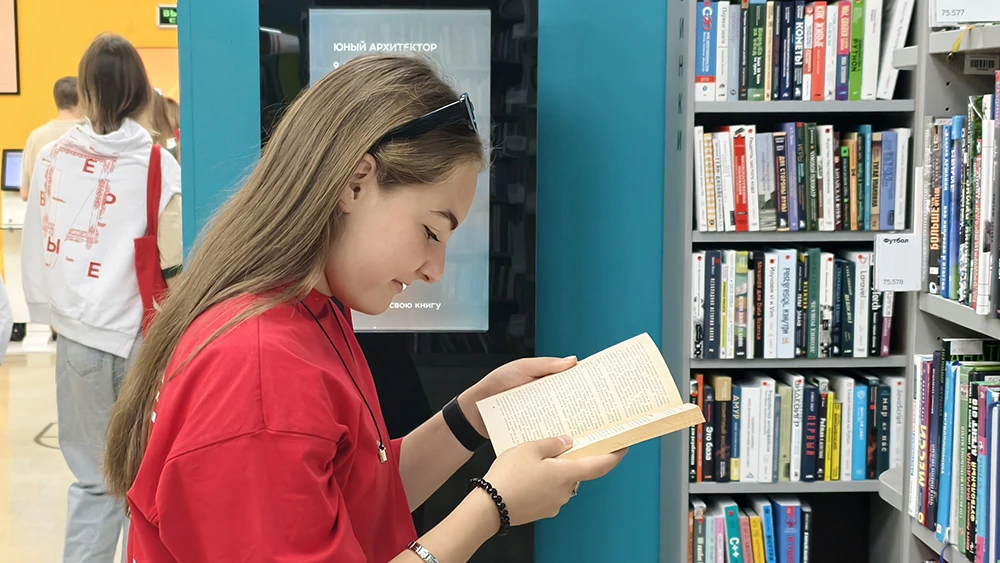
The All-Russian Contest for Young Library Leaders "Future of Libraries" is being held for the second time in 2026.


