

Traditions, technology and the future: how the first day of the III Symposium unfolded at the National Centre RUSSIA
More than 20 distinctive events on the business programme,
creative labs, valuable new contacts and a shared dance of unity — the first
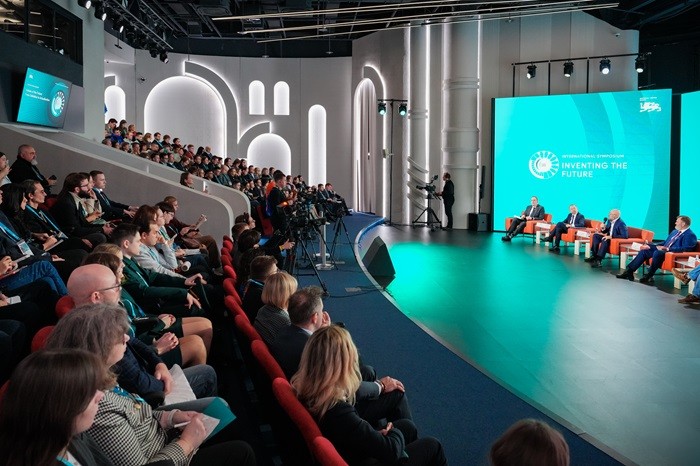
day of the III International Symposium "Inventing the Future" has
come to a close at the National Centre RUSSIA. The major two-day programme,
which brought together more than 8,000 participants from 109 countries, opened
with a message of greetings from the President of the Russian Federation,
Vladimir Putin, and the announcement of new initiatives under the Open
Dialogue. It concluded with a production that blended genres and introduced
guests to Russia's cultural diversity.
Addressing the Symposium's participants, organisers and guests, the President
of the Russian Federation, Vladimir Putin, noted the event's high international
standing and the practical importance of the bold, unconventional ideas and solutions
that its participants propose and put into practice. The head of state
expressed confidence that the Symposium would be constructive and that the
recommendations drawn up during the meetings and discussions would benefit all
peoples and help advance progress and security.
At the official opening, Maxim Oreshkin, Deputy Chief of Staff of the
Presidential Executive Office of Russia, announced that applications had opened
for the third season of the Open Dialogue. He invited authors from different countries
to share their views on the future of humanity and stressed that any entry
could become the focus of discussion. He also announced that the cycle would
continue with the January Expert Meetings in Manzherok, Altai, in early 2027.
Maxim Oreshkin said this important part of the global Open Dialogue ecosystem
had gained considerable ground over the past two years. This season's essay
contest received more than 1,600 entries in 20 languages from 100 countries,
and 102 authors from 43 countries travelled to Moscow to take part in the
discussions in person.
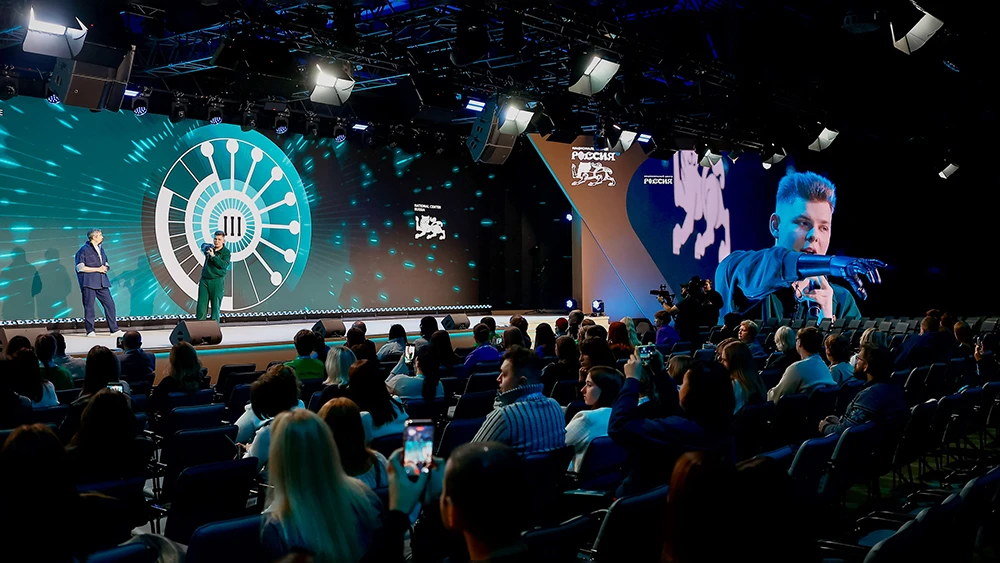
One of the key events in the "Human and Values" track was the
presentation session "Values of the Future: From Definition to
Actualisation". It focused on current approaches to defining values and
putting them into practice to build a lasting vision of the future that most
people can share. Alexander Kharichev, Head of the Presidential Directorate for
Monitoring and Analysis of Social Processes, stressed that the future is ours
to shape. He said that imagining the future we want is only the first step and
that we also need to work out how to make it a reality..
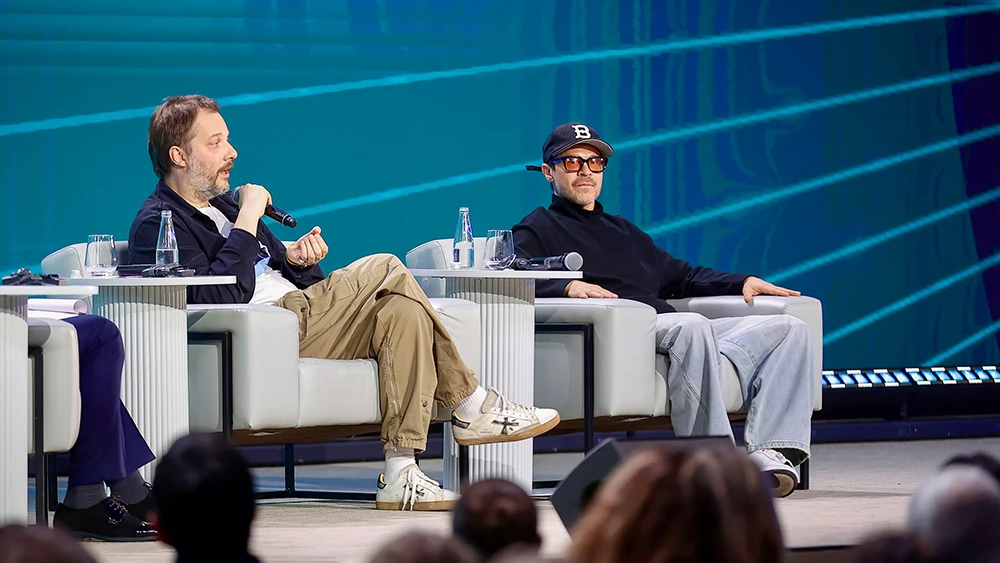
Drawing on the experience of the presidential platform "Russia — Land of
Opportunity", its Director General, Andrei Betin, added that traditional
values provide a solid foundation for any project and that Presidential Decree
No. 809 "On Approving the Fundamentals of State Policy for the
Preservation and Strengthening of Traditional Russian Spiritual and Moral
Values" has played a major role in this. He said the presidential platform
now brings together more than 60 projects, contests, olympiads and programmes
involving 25 million people from 195 countries, all of them grounded in
specific values.
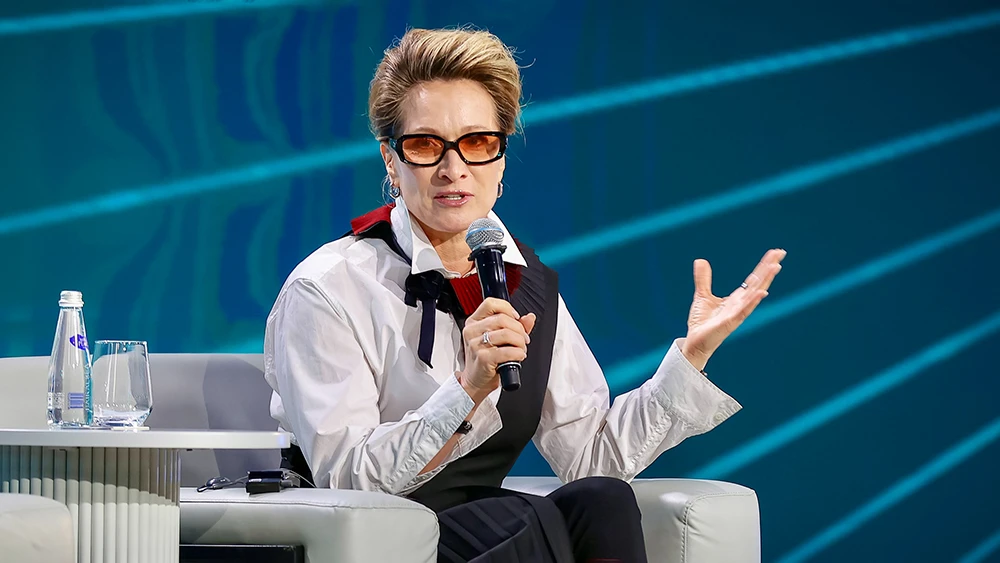
A major event of the day was the II Museum Congress "The Museum — A Place
Where the Future Is Shaped". The thematic sessions "A Place of Power:
The Role and Mission of the Museum in the Modern World" and "Museums
of Progress: A Shared Future for Technology" brought together representatives
of 75 Russian and eight international museums. Sergei Pershin, Deputy Minister
of Culture of the Russian Federation, and Mikhail Piotrovsky, Director General
of the State Hermitage Museum and President of the Union of Museums of Russia,
welcomed the congress participants. A cooperation agreement was also signed at
the event between the State Historical Museum (Russia) and the Adwa Victory
Memorial (Ethiopia).
The interactive installation "Visionaries on One
Map" brought together guests from different countries at the National
Centre RUSSIA. Each Symposium participant had the chance to leave their mark on
the future by finding their home country on the installation and pinning a
photo of themselves to it, adding a dream of their own to a shared mosaic of
hopes for tomorrow.
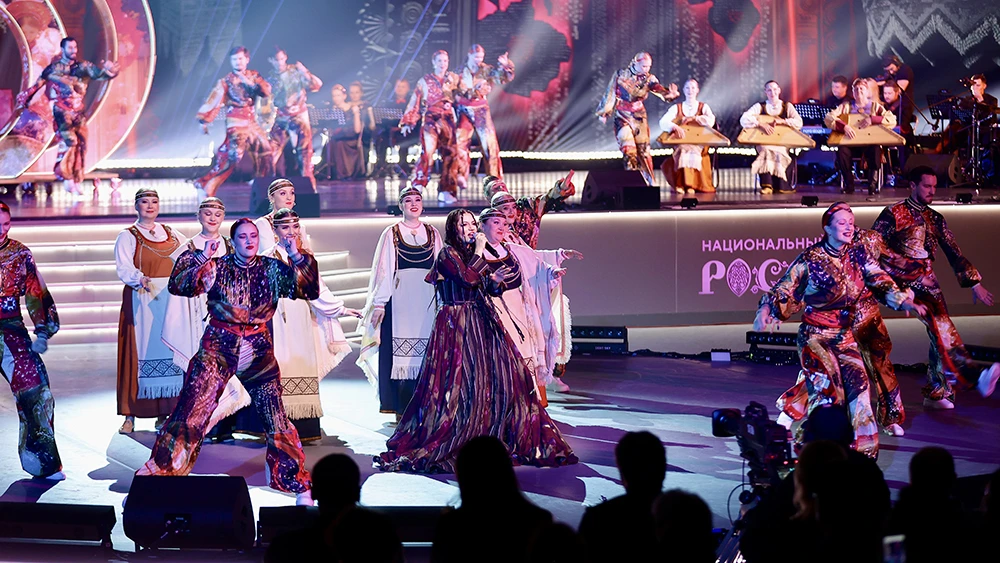
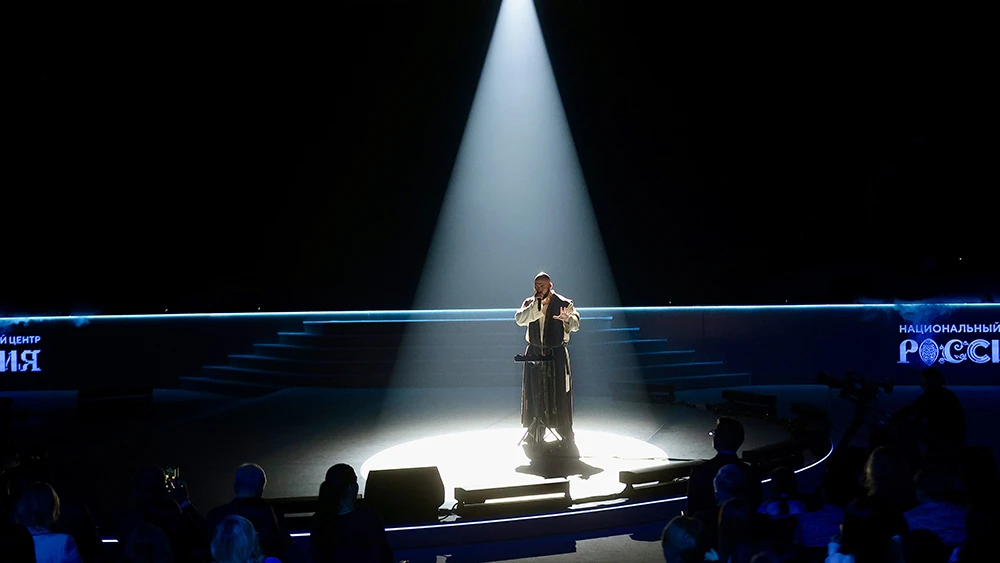
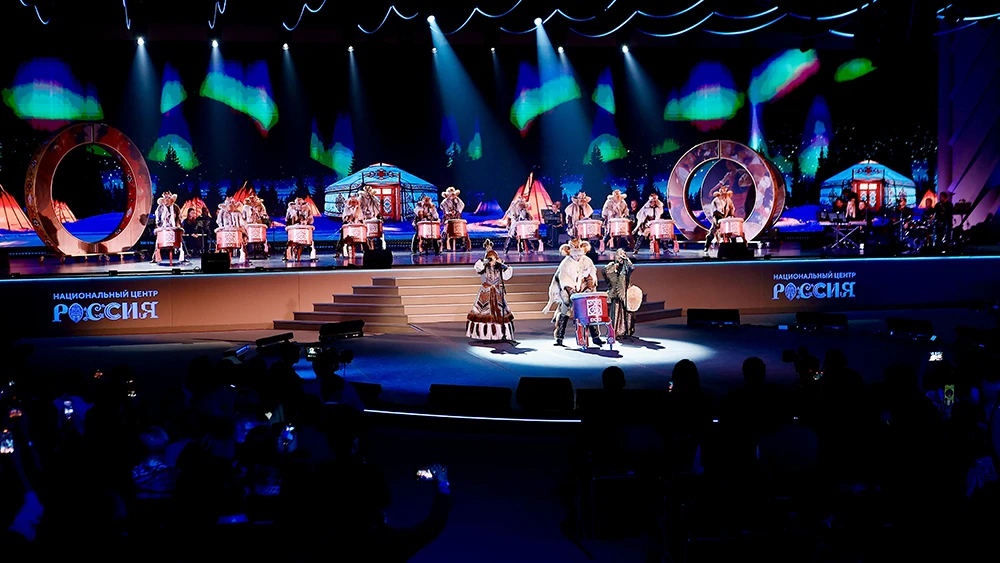
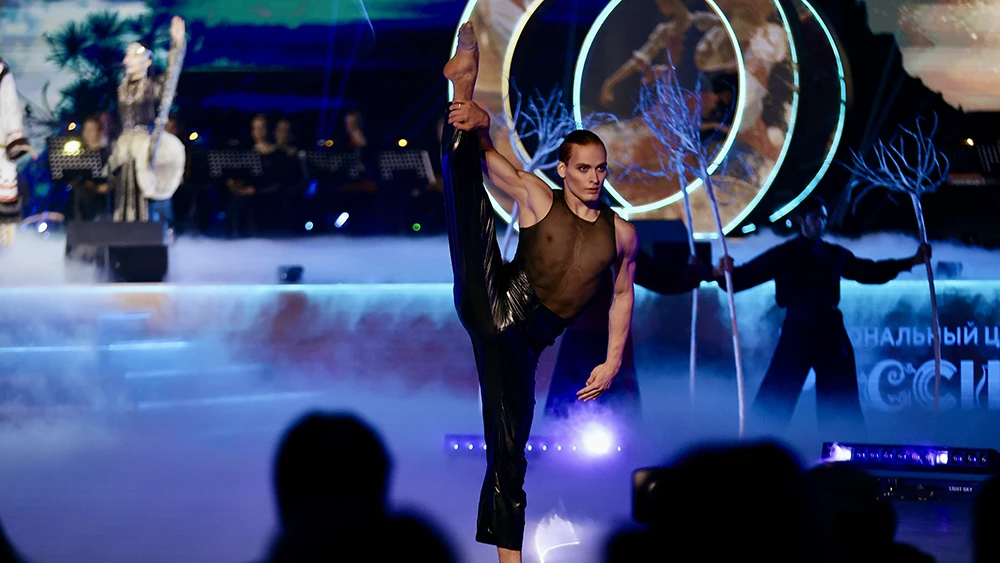
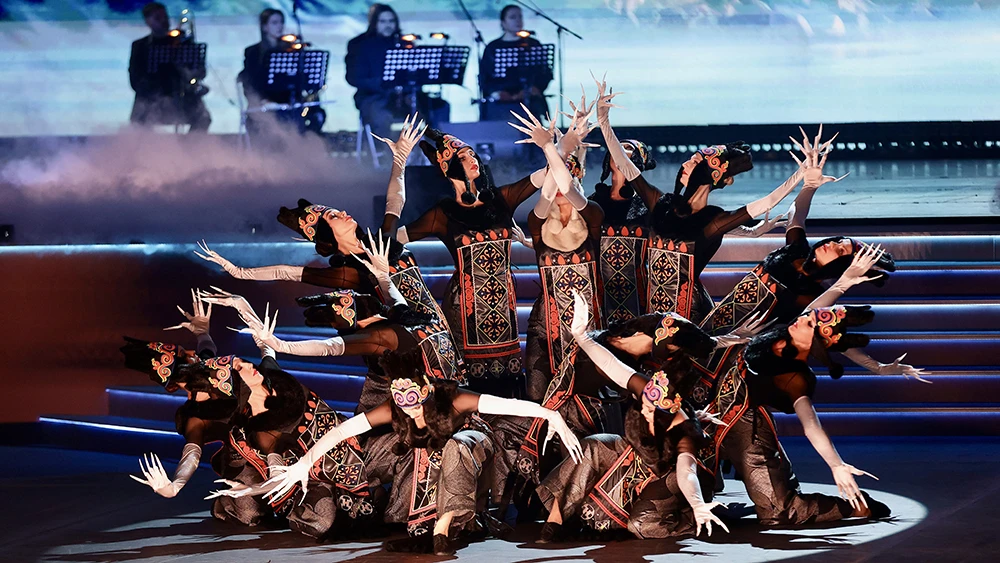
The first day's cultural programme ended with a highlight — the music and dance
production "Khorovod. The Energy of Unity", an original project of
the National Centre RUSSIA marking the Year of Unity of the Peoples of Russia.
With more than 600 performers from across the country, Symposium guests
journeyed through Russia's dance traditions from Kaliningrad to Vladivostok.
Leading ensembles, Bolshoi Theatre performers and national ensembles showcased
the cultural legacy and traditions of different Russian regions. For the
finale, they joined the audience in a shared khorovod, a symbol of unity and
mutual respect among peoples.
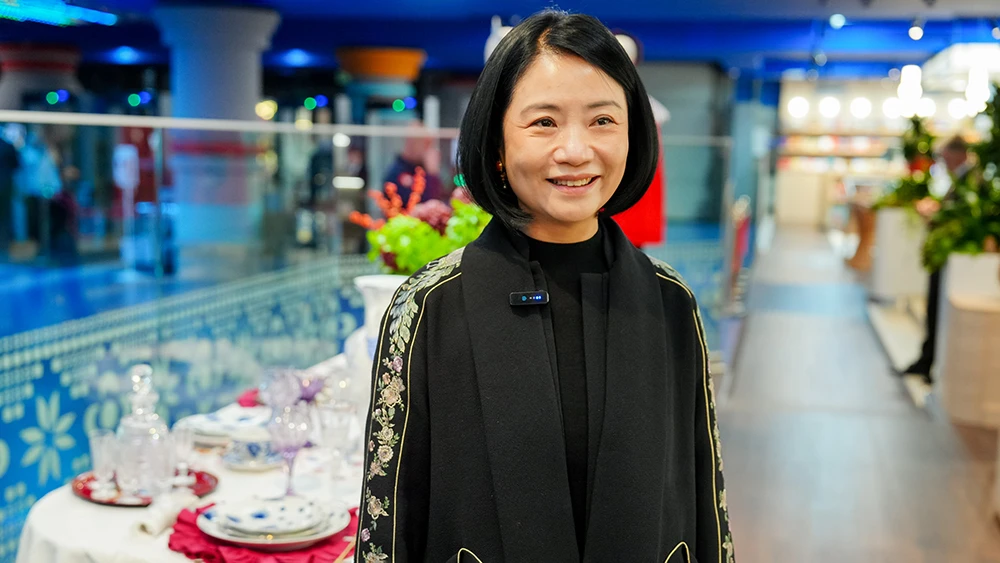
The III International Symposium "Inventing the Future" is an original project of the National Centre RUSSIA and is being held on 12–13 November 2026. The event is organised on the instructions of the President of the Russian Federation, Vladimir Putin, as part of the Decade of Science and Technology. It is part of the ecosystem of the Open Dialogue "The Future of the World. A New Platform for Global Growth", which the National Centre RUSSIA also runs on the instructions of the head of state.
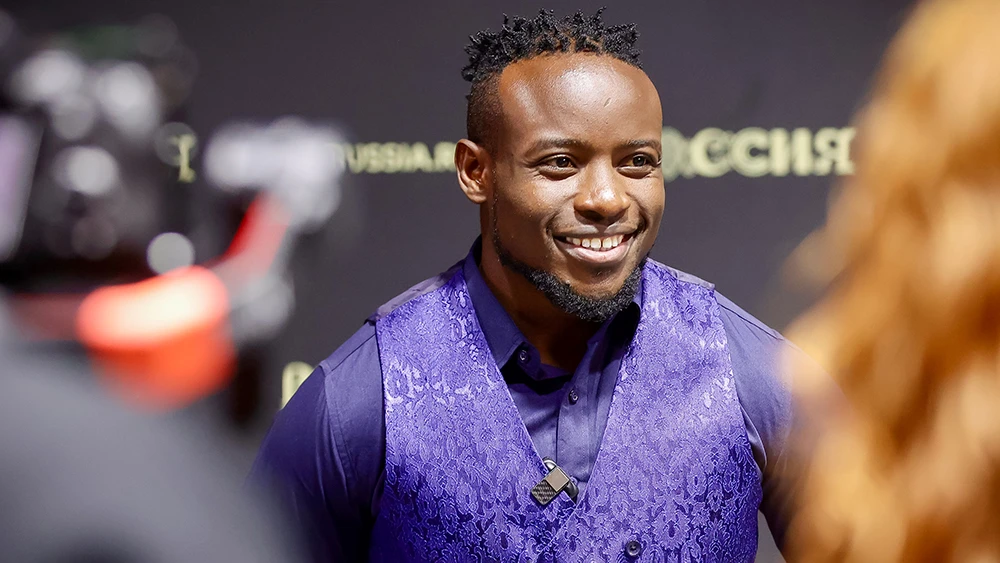
This year, the Symposium has brought together more than 8,000 statespeople, scientists and researchers, heads of corporations and business alliances, representatives of the creative industries and public organisations, and young professionals from 109 countries. The programme is organised around three thematic tracks — "Human and Values", "Progress" and "Culture and the Arts". The main focus is on networking and building connections, as well as expanding the range of creative formats and formats for young people.
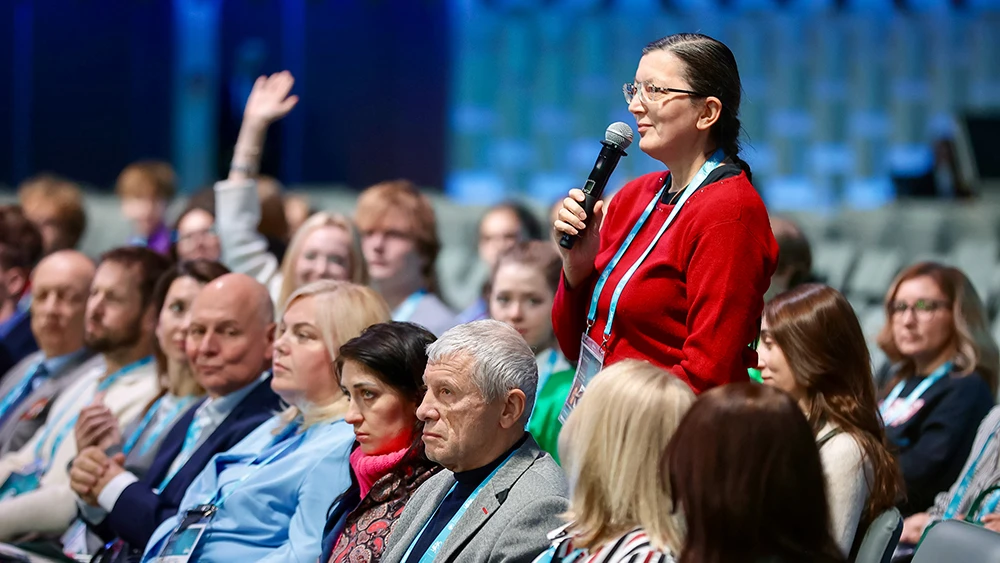
Event photobank

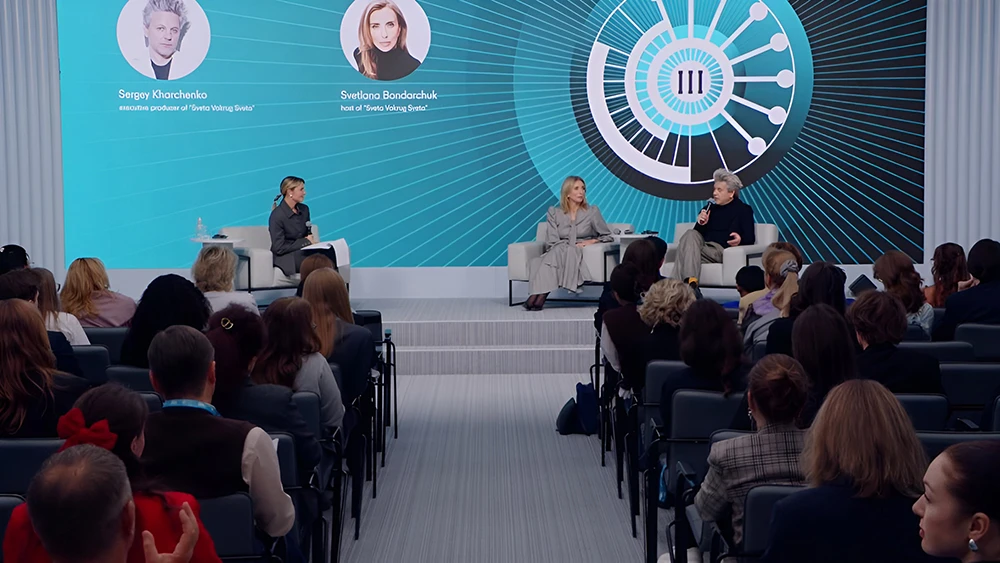
Journalist Laura Dzhugelia led the discussion on finding someone you connect with and keeping love alive amid digital and social change.
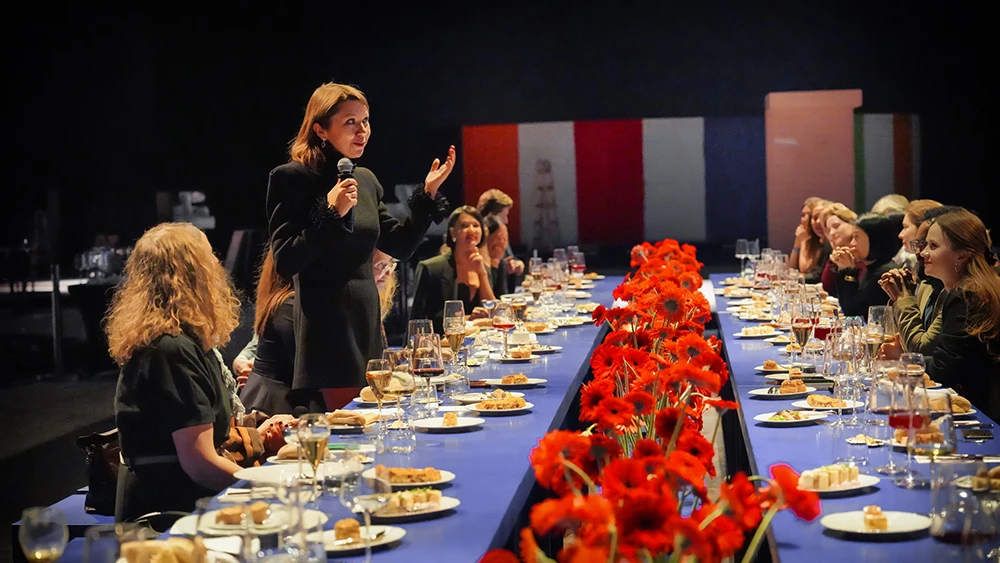
The event brought together representatives of cultural institutions and participants in the international art residency.
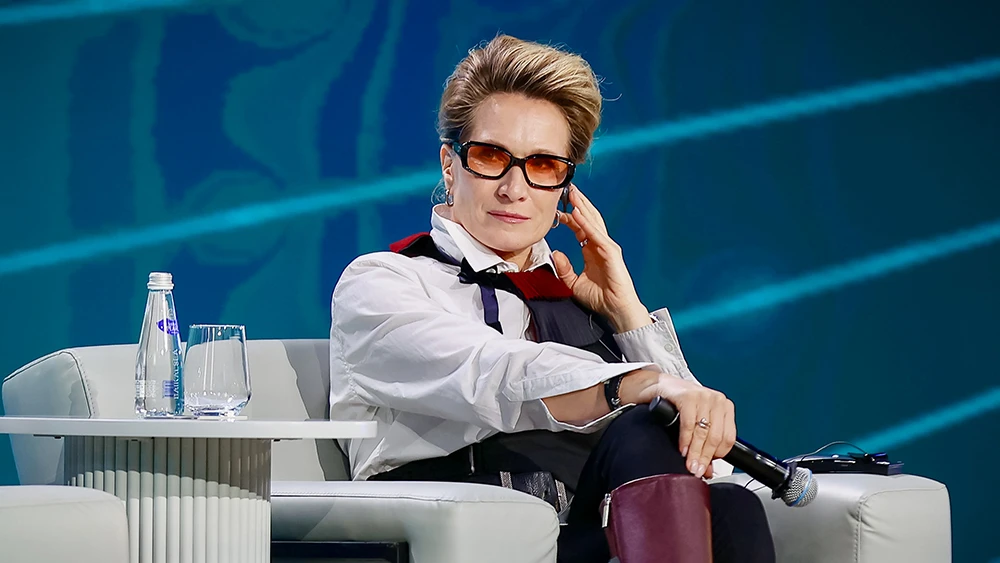
Behind the apparently effortless movements that spectators see in a professional athlete are years of hard work.


