


Pumpkin 2.0: guests at the National Centre RUSSIA discover how to make the most of a seasonal vegetable and turn it into a restaurant dish
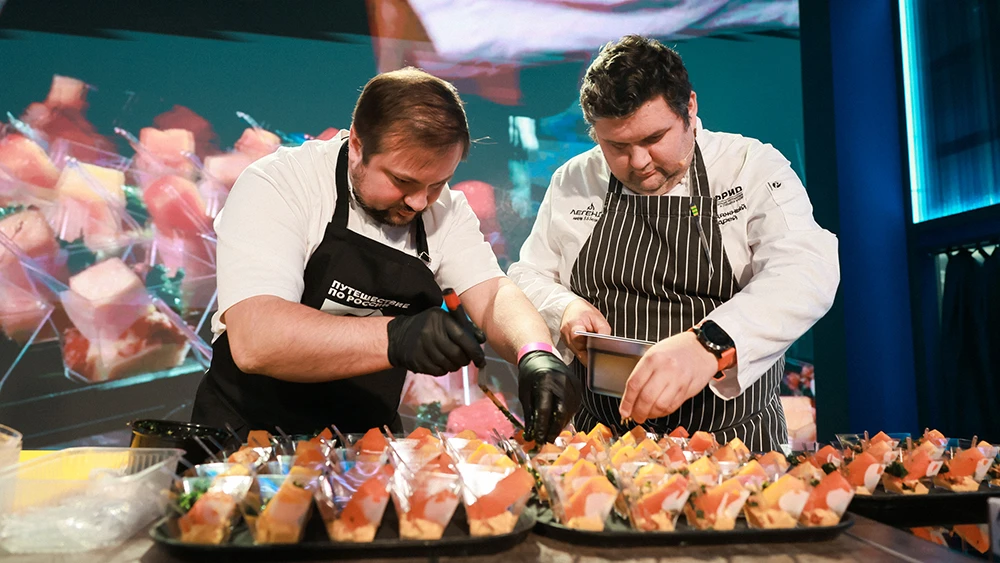
Pumpkin steak with orange, herb mousse with chanterelles, and crispy croquettes with crab and persimmon — pumpkin offers far more possibilities than the familiar soups and side dishes. Guests discovered how to bring out its flavour through different cooking techniques, which ingredients to pair it with and how to preserve its nutritional value at the workshop "Pumpkin 2.0: Biohacking and Superfoods", held on 21 October at the National Centre RUSSIA. Chef and gastrobotanist Andrei Kolodyazhny and integrative nutritionist Maria Pavitskaya demonstrated how to work with this seasonal vegetable in a professional kitchen and apply these techniques at home.
"Pumpkin is a superfood because, as well as plenty of fibre, it contains beta-carotene, which our bodies convert into vitamin A. It is very beneficial for vision, the immune system, the production of cells in our bodies, and our skin, hair and nails. Besides beta-carotene, pumpkin seeds are a treasure trove of nutrients too, including zinc, magnesium and vitamin E," said Maria Pavitskaya, a pharmacist, integrative nutritionist, co-founder of the 3K strategic communications agency and head of healthy eating at the Chefs Team Russia Association of Chefs and Pastry Chefs.
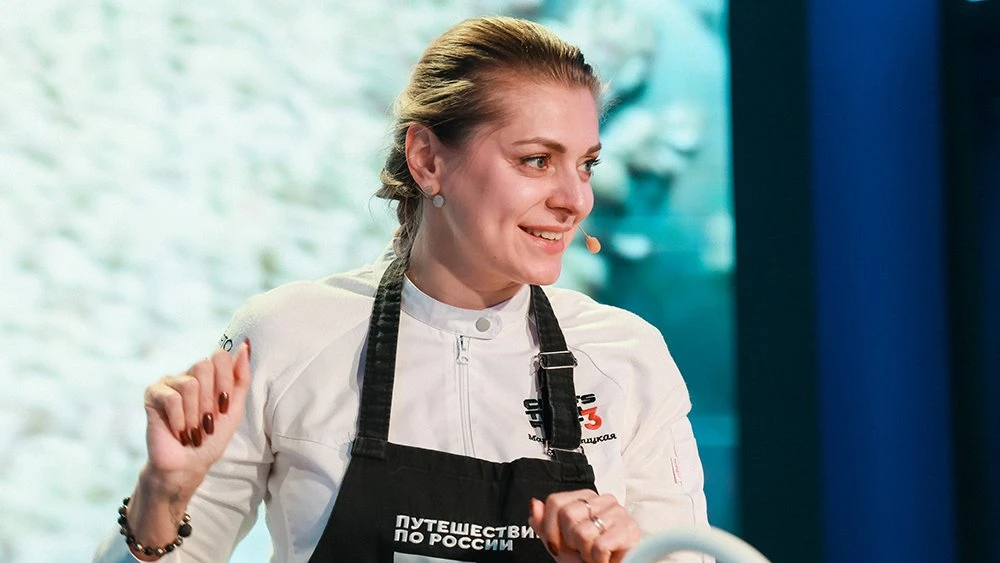
As the expert explained, beta-carotenoids in pumpkin and other vegetables, including carrots and sweet peppers, become more readily available for absorption after cooking. Pumpkin can therefore be roasted, stewed or cooked at low temperatures. Pairing it with fats also plays an important role: vitamin A is fat-soluble, so a little oil in the dish helps the body absorb it. For a more filling and balanced meal, the nutritionist suggested adding sources of protein, such as seafood or curd cheese. Spices can also change the character of a dish: cinnamon brings out the vegetable's sweetness in a dessert, while herbs and spices make it the basis of a savoury creation. Among the more unusual combinations, Maria Pavitskaya also mentioned pumpkin with dark chocolate, coconut oil, turmeric and pepper.
Andrei Kolodyazhny put these principles into practice in the kitchen. The chef demonstrated how a single ingredient can change character depending on the technique: becoming firm and full-flavoured as a steak, turning into a delicate cream or developing a crispy texture when fried. Contrasts matter too: pumpkin's sweetness can be highlighted with salty ingredients, balanced with the tartness of berries or complemented by aromatic herbs and mushrooms.
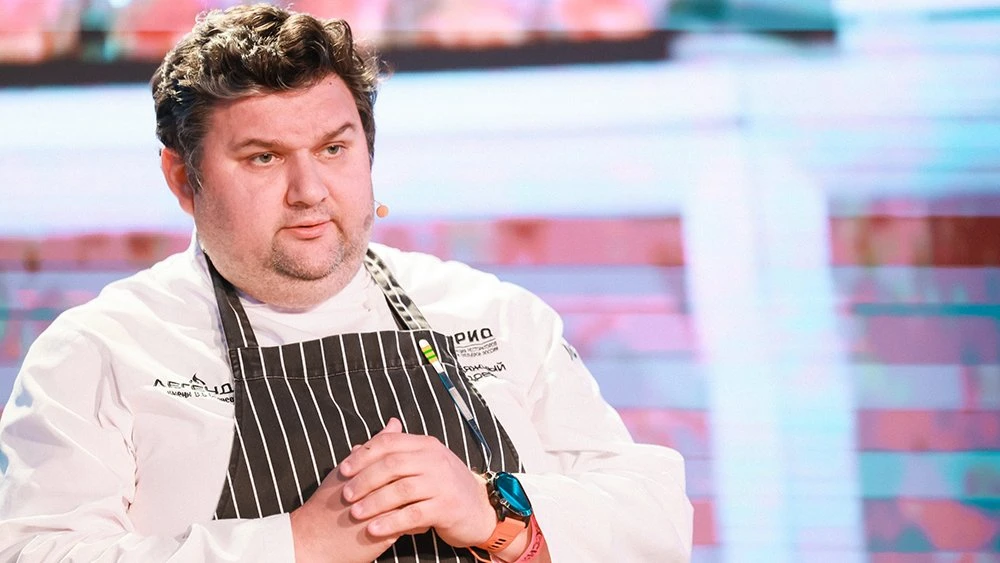
"You can make a sauce from pumpkin, or you can make crisps. When it comes to culinary experiments, no one has ever made pumpkin with sea buckthorn, marigolds and different flowers. So today we are experimenting both with our guests and on our own," said Andrei Kolodyazhny, a Russian chef and gastrobotanist who explores the culinary possibilities of seasonal produce and plants.
According to the chef, these experiments include pairing pumpkin with sea buckthorn and marigolds. Andrei Kolodyazhny suggested taking the natural characteristics of the ingredients as a starting point: pumpkin provides sweetness, sea buckthorn brings its distinctive tartness and slight bitterness, while herbs and flowers broaden the dish's range of flavours and aromas.
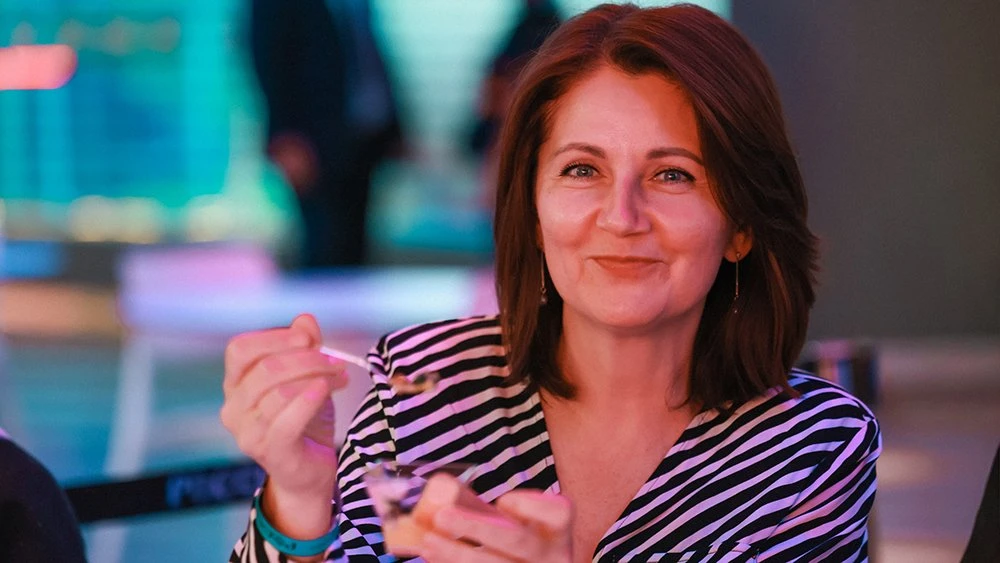
Guests experienced this approach through three signature dishes. The first was pumpkin steak with pumpkin hummus, orange, herb tartare and granola. The vegetable's firm flesh was paired with the smooth, creamy texture of hummus, the citrus freshness of orange and aromatic herbal notes. Granola with lightly caramelised, salted nuts completed the dish. Its crunch and subtle saltiness offset the pumpkin's natural sweetness, making the flavour more pronounced.
The second dish combined pumpkin with sea buckthorn, herb mousse and chanterelles. Contrasts were central to its balance of flavours: the pumpkin's gentle sweetness met the pronounced tartness and slight bitterness of sea buckthorn, while the mushrooms added rich woodland notes. The chanterelles were fried in a dry pan until crisp on the outside to emphasise their texture. A delicate parsley and green pea mousse brought freshness and tied the other components together. This combination demonstrated how a familiar vegetable can become part of a complex dish in which sweet, sour, herbal and mushroom flavours complement one another.
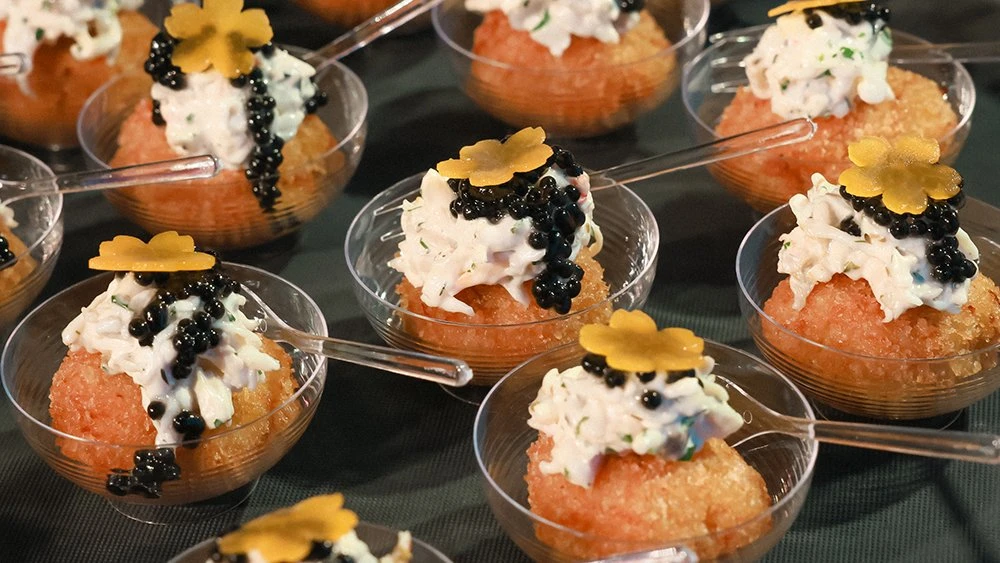
The third dish was pumpkin croquettes with turmeric, persimmon and Kamchatka king crab. The pumpkin base was combined with turmeric and processed cheese, shaped into croquettes and deep-fried. These were topped with crab mixed with homemade mayonnaise, chopped egg and herbs. Black seaweed caviar added a salty marine note, while pickled pumpkin shaped into a flower provided an edible garnish. The crispy coating, soft filling, delicate crab meat and firm pickled element created a variety of textures, while the persimmon echoed the pumpkin's sweetness.
The chef also shared tips for home cooking: cover pumpkin with foil when roasting and add butter. When making soup, avoid adding too much water at the start: pumpkin releases its own juices, helping to retain a rich flavour. Another recommendation was to try pairing it with coriander, which the chef believes brings out the vegetable's flavour particularly well.
"Pumpkin goes well with vegetables, almost any of them, as well as fish and meat. Autumn is game season, so you can experiment with those combinations too. Personally, I really love millet porridge with caramelised pumpkin and halva as a sweet breakfast option," added Andrei Kolodyazhny.
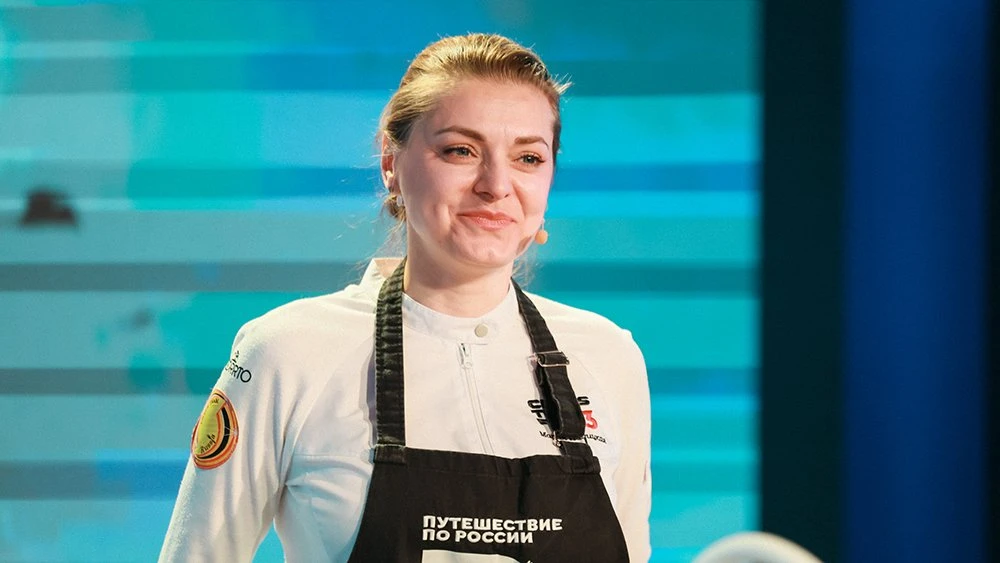
Maria Pavitskaya, in turn, emphasised that pumpkin combines nutritional value with a wide range of flavours: it can be cooked in different ways and complemented with spices, protein-rich foods and healthy fats. The workshop demonstrated how understanding an ingredient's properties and taking a creative approach to cooking can offer a fresh perspective on a familiar seasonal vegetable.
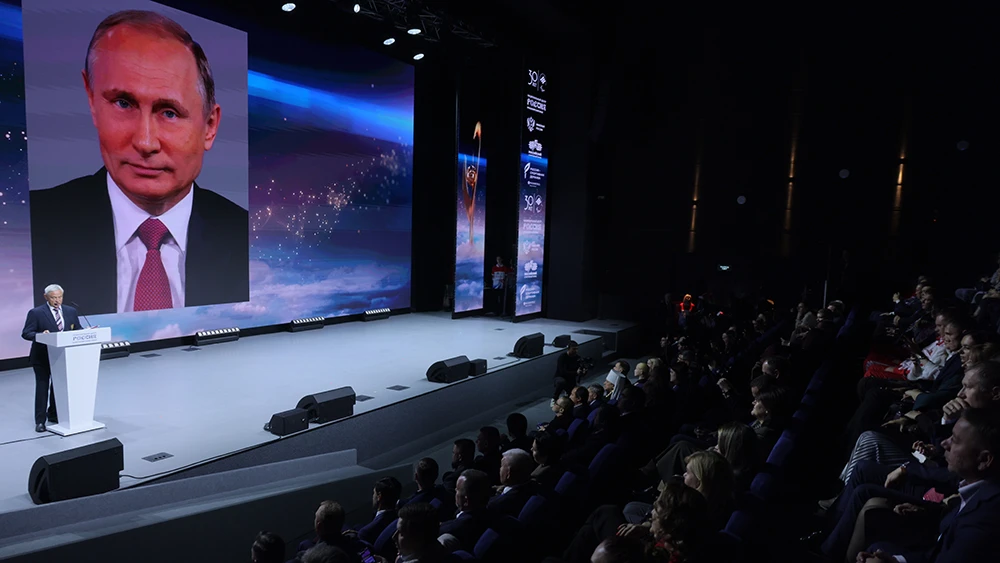

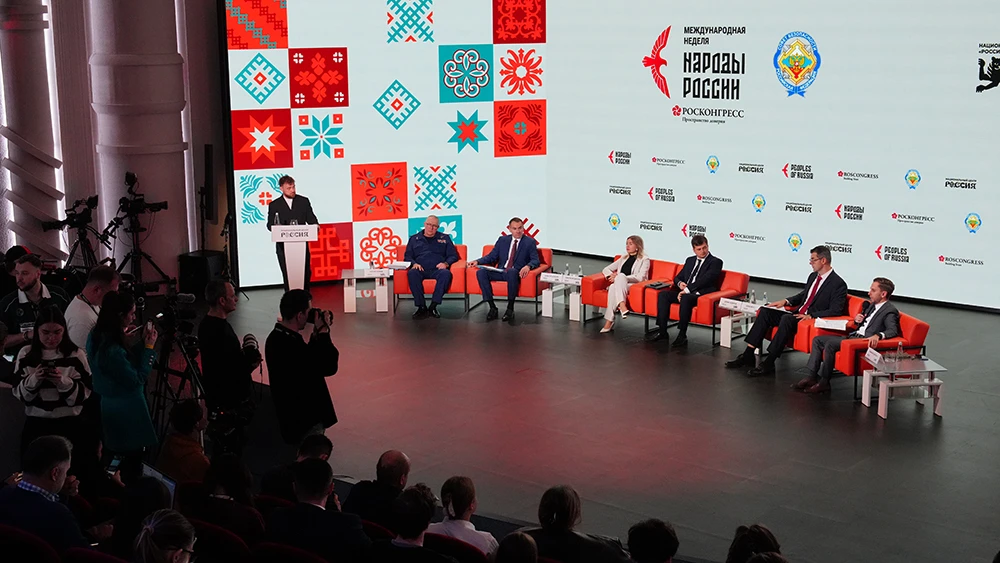
Cultural, educational and youth events of the International Week "Peoples of Russia" will run from 2 to 8 November.


