


Convenient AI, non-stop learning and online leisure: survey reveals how Russians imagine life in 20 years
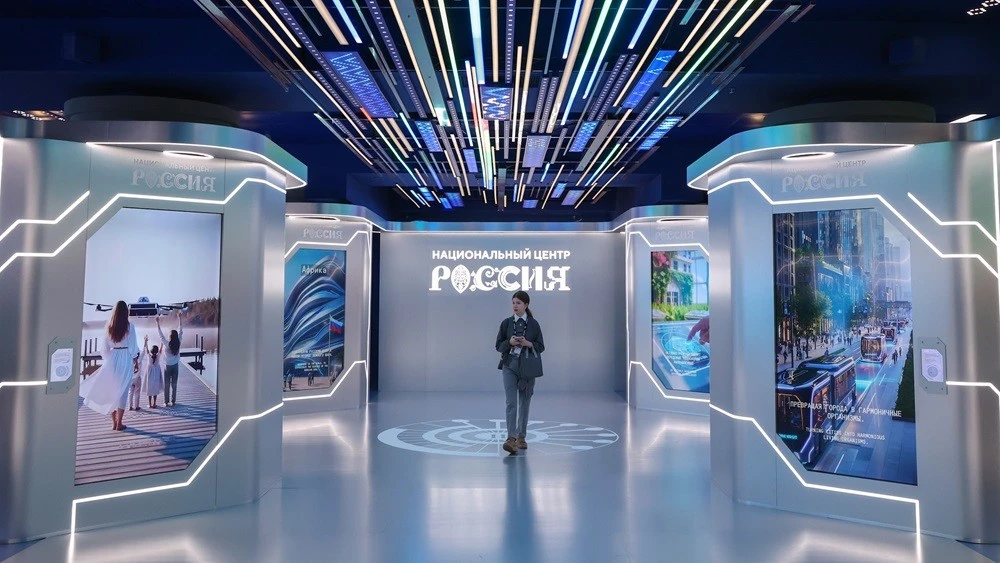
Ahead of the final of the II Video Essay Contest "Dreams of the Future" and the III International Symposium "Inventing the Future", which will be held at the National Centre RUSSIA, the editorial team of the Mail News project found out which technologies Russians see as the main drivers of change, what they expect from the labour market, medicine and the entertainment industry, and what causes them the greatest concern.
The study was conducted among readers of the Mail News project. The survey involved more than 8,000 people from over 50 regions of Russia.
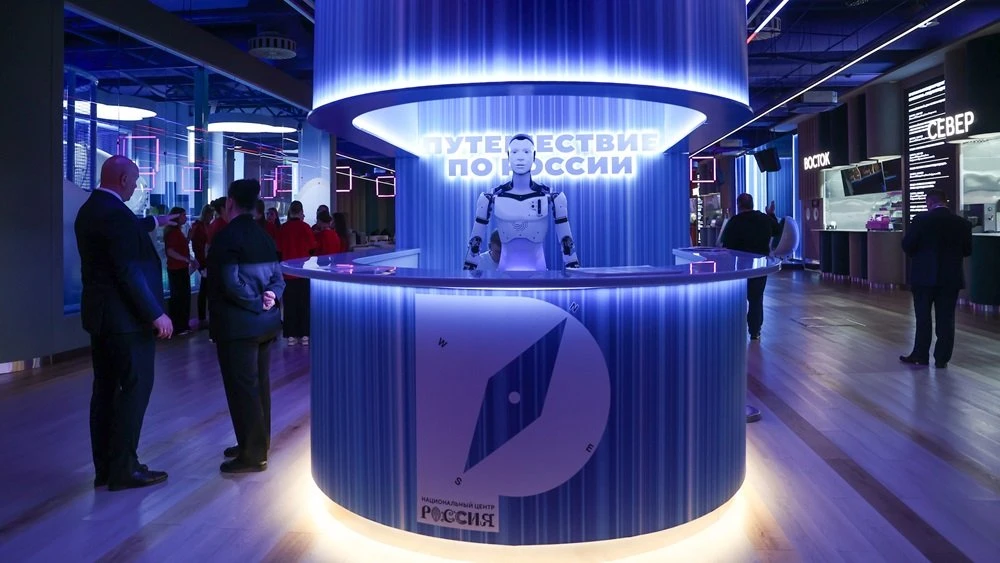
The future belongs to AI
Most survey participants, 75%, are confident that artificial intelligence will change life on the planet in the next 30 years. Only 10% associate future changes with the development of medicine and rising life expectancy, 9% with the preservation of culture and human values, 4% with solving environmental problems, and 2% with space exploration.
Although most respondents are confident that the role of AI will grow, attitudes towards this technology remain mixed. Thus, 45% are sure that the development of AI in the next 20 years will make life more convenient, but people will become more dependent on technology. A further 33% believe that the development of artificial intelligence will lead to the disappearance of many professions. Some 16% of respondents are sceptical: in their view, the impact of AI will not be that significant. Another 3% of optimists expect a noticeable improvement in quality of life thanks to the development of artificial intelligence.
Learning in order to work
The survey showed that Russians expect significant changes in the labour market over the coming decades. Some 35% of respondents believe that many professions will disappear because of automation. Another 30% are sure that workers will have to regularly master new technologies and constantly retrain. At the same time, 18% of survey participants expect demand for blue-collar jobs to increase, while 11%, on the contrary, believe that "smart" machines will do the main work at factories and enterprises, leaving people to act as operators and process controllers. Only 7% do not expect any major changes.
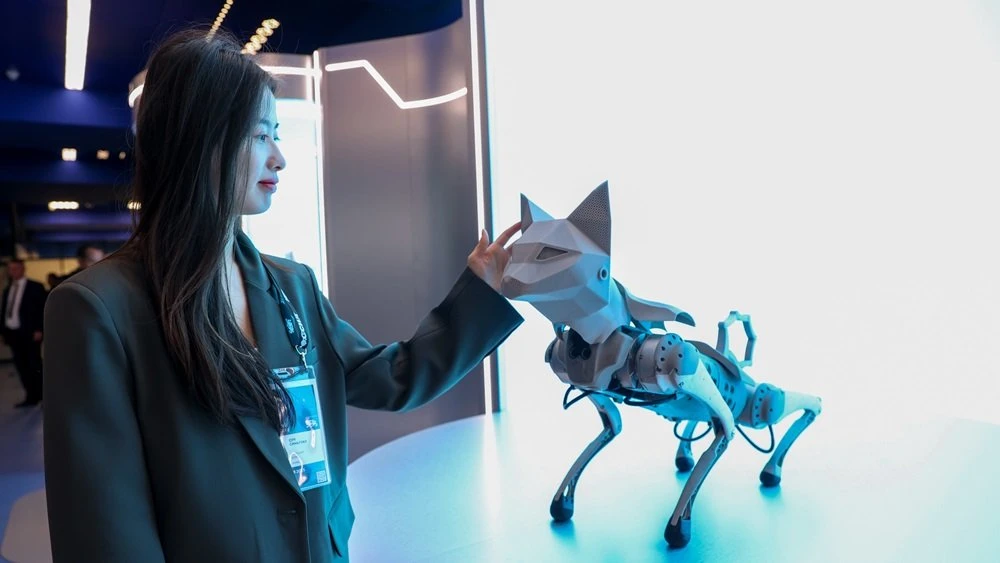
The labour market will become more flexible and fast-moving, which is why 33% of respondents named the ability to learn quickly and adapt to change as the main quality of a young specialist. A further 30% put critical thinking and the ability to verify information first, 16% named the ability to use AI at work, 12% cited creativity and the ability to generate unconventional ideas, and 10% pointed to emotional intelligence and the ability to communicate with people.
School as a synonym for stability
Respondents expect large-scale changes in technology and the labour market, but they perceive education as something unshakeable. Thus, 41% believe that the familiar education system will remain in place even in 20 years. Another 30% expect a significant part of the educational process to move online.
Practical training and work on real projects seem the most promising option to 17% of respondents. A further 13% assume that education will become more individual and will take into account each person’s abilities and interests.
The survey results resonate with the ideas of teenagers aged 12 to 18, who presented their vision of the future at the II Video Essay Contest "Dreams of the Future". In the children’s view, the school of the future is not a place for rote learning, but for development, where teachers should be replaced by wise and sensitive mentors.
Skis instead of nanotechnologies
Will people of the future live longer? Respondents were divided on this question. Most survey participants, 56%, are confident that human health will continue to depend solely on healthy habits and lifestyle in the future.
Only 20% believe that medical advances and technological development will increase life expectancy. Another 21% believe that technology will not be able to significantly affect this indicator.
Leisure in the digital sphere
The most popular leisure formats of the future, according to respondents, will be virtual and augmented reality. This option was chosen by 46% of respondents. A further 18% expect to visit interactive museums and technology expositions in the future. Smart fitness with AI trainers and digital assistants was named the main form of leisure by 15% of survey participants, while esports and interactive online contests were chosen by 13%.
At the same time, 7% believe that, against the backdrop of technological development, people will more often choose outdoor recreation and travel as a way to disconnect from the digital environment.
Human for human
The impact of technology on relations between people in general and between different generations in particular is one of the most acute topics in the survey. More than half of Russians, 52%, believe that the gap between generations is determined not by technology, but by completely different factors. However, a significant proportion of respondents, 39%, expressed the view that the spread of technology may make mutual understanding between people of different ages more difficult.
Only 7% are sure of the opposite: that new technologies will help generations become closer. Here, it is appropriate to draw a parallel with the youth contest "Dreams of the Future". In the teenagers’ view, technologies do not divide people, but bring them together: gadgets make it possible to stay in touch with relatives and friends in different cities and even create the effect of presence. In the future, "smart" machines will also take over all routine work so that people can spend more time with their families.
It is important to note that, in the context of the future, respondents are most concerned about a shortage of live communication and a growing sense of loneliness. This option was chosen by 31% of survey participants. Another 24% fear that it will become harder for people to find stability and confidence in the future. For 21%, the main risk is society’s excessive dependence on technology, while 14% are worried by overly rapid changes in the world.
Only 10% admitted that they look to the future with interest and inspiration. Interestingly, there are far more such respondents among the participants of the II Video Essay Contest "Dreams of the Future": the overwhelming majority of children aged 12 to 18 believe that life in the future will become more harmonious. At the same time, young people are convinced that the future is not something that will come tomorrow, but something we create today. That is why it is so important to invest in science, develop environmental initiatives, explore space and remember that no neural networks can replace family and true friends.
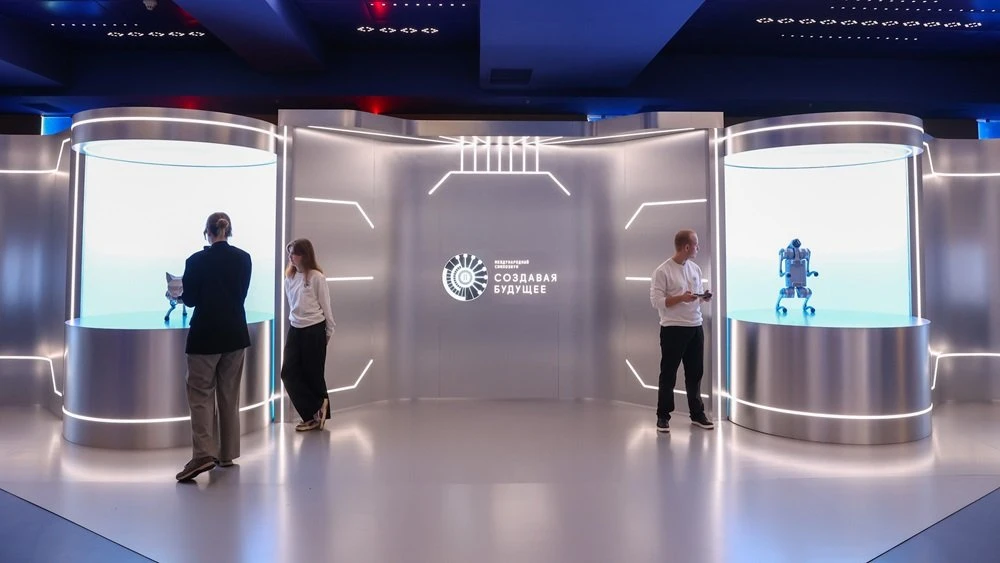
Visitors will be able to learn how the world around us will change and which trends will shape the development of science, technology and society at the III International Symposium "Inventing the Future", which will be held in autumn 2026 at the National Centre RUSSIA.
The educational video project "8 Steps Across the Map of Russia" continues its journey through the pages of history.
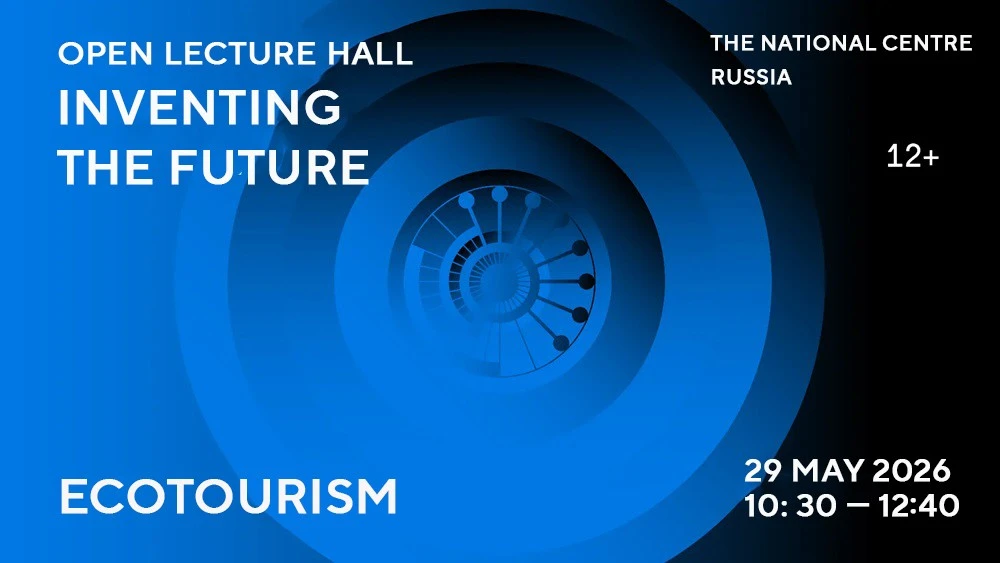
The Open Lecture Hall "Inventing the Future: Ecotourism", an original project of the National Centre RUSSIA, will be held for the first time at the National Centre RUSSIA in Primorye on Friday, 29 May.
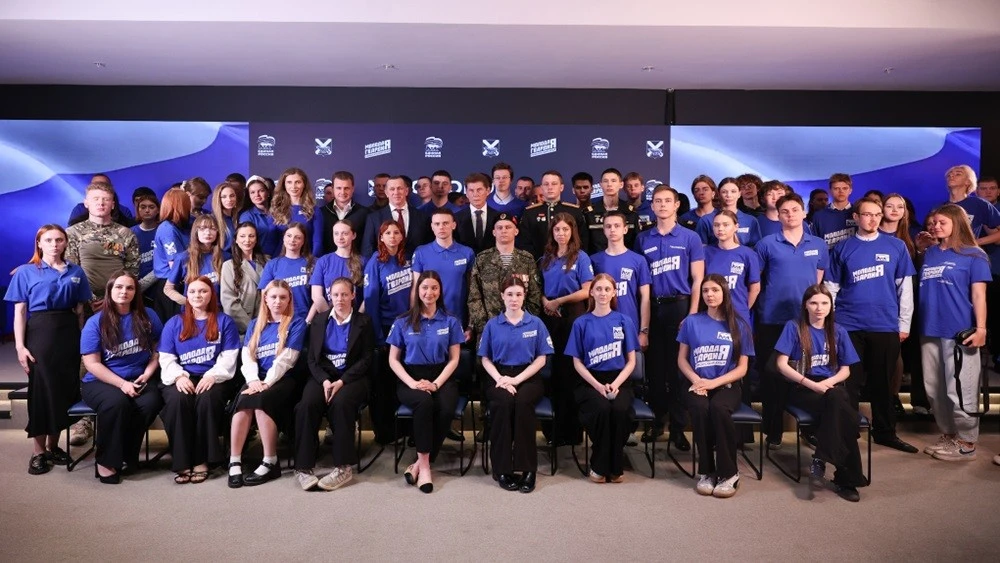
The event brought together 80 people, including veterans of the special military operation, volunteers and Young Guard activists.


