


Discussion at the National Centre RUSSIA explored how to become a sought-after professional and have the confidence to show what you can do
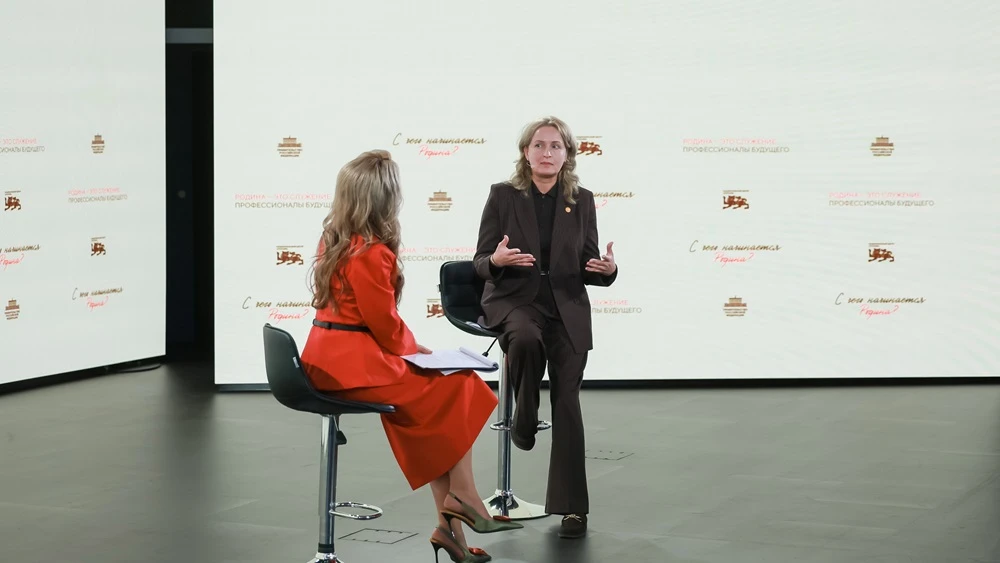
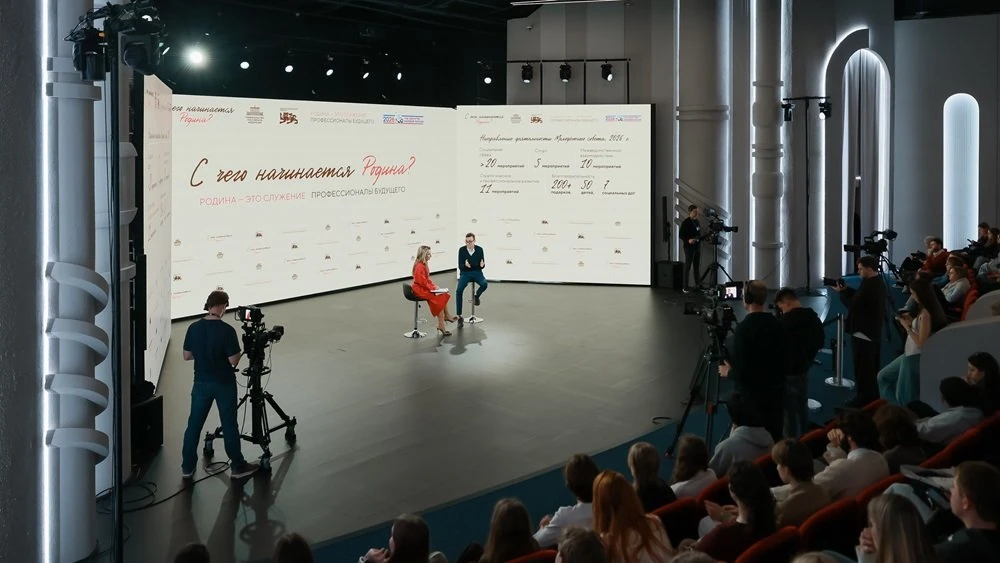
Personal initiative and a willingness to take responsibility are what make someone a sought-after professional, while education, connections and government support provide the conditions for this to happen. This was the focus of the meeting "Professionals of the Future", held on 14 October at the National Centre RUSSIA as part of the "Motherland Is Service" series. The event was part of the All-Russian project "What Does the Motherland Begin With" and brought together representatives of academia, public administration and youth leadership — people who are shaping the educational and career paths of the next generation. The audience heard four stories about how personal initiative and responsibility help early-career professionals become sought after and contribute to society.
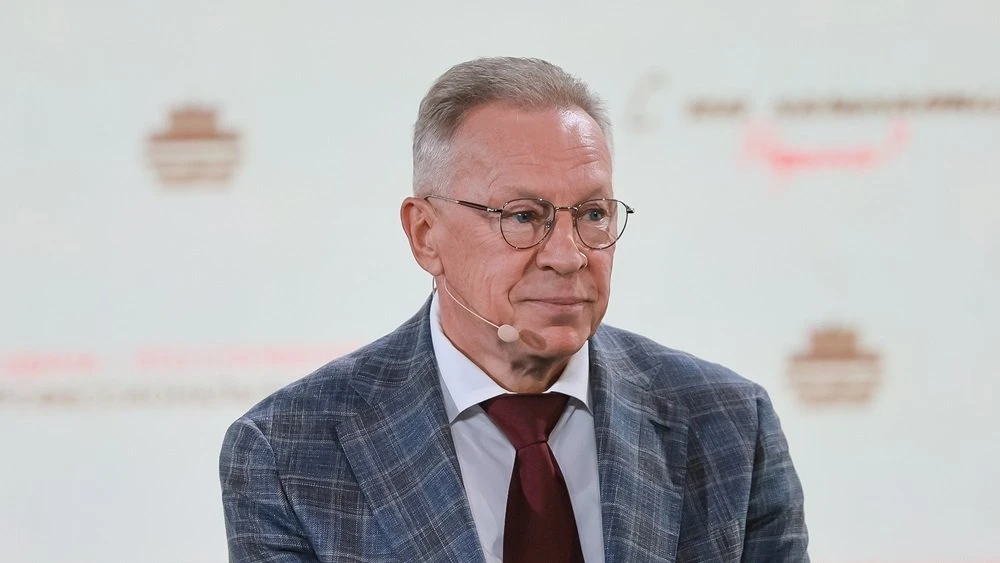
The Rector of the Russian State University for the Humanities, Doctor of Political Science, Professor Andrei Loginov, discussed how the academic community works and what helps young professionals develop. He noted that the first steps towards a career begin with student projects, mentoring and new technologies at universities, and for many people, in childhood. He also advised young people on how to demonstrate their abilities effectively during their student years to achieve professional success in the future.
"A professional of the future is, above all, a human being. You are different from us and our great-grandfathers, yet at the same time you remain the same. If you want to show what you can do, do not be afraid: it is in difficult, challenging situations that you can truly fulfil your potential, and this will give you a sound approach to solving problems in the future. Draw on your personality and individuality to demonstrate your abilities effectively in student and other projects. And do not forget that you are human beings, not artificial intelligence agents. AI will never catch up with humans," said Andrei Loginov, offering words of encouragement.
The Director of the Department of Economic Policy at the Ministry of Science and Higher Education of Russia, Aslan Kanukoyev, shared his personal experience of establishing himself in his profession, explained how government policy on workforce training supports young professionals and offered several valuable pieces of advice. The meeting became an open conversation about career paths, personal challenges and the opportunities available to those willing to learn, act and take responsibility.
Aslan Kanukoyev shared his experience of working in academia, government and the corporate sector, discussing how his career had developed and the role that people and circumstances had played in it. Particular attention was paid to developing a modern educational environment and tools to support students. The discussion covered the creation of comfortable university campuses, student loan opportunities and the role of endowment funds in university development.
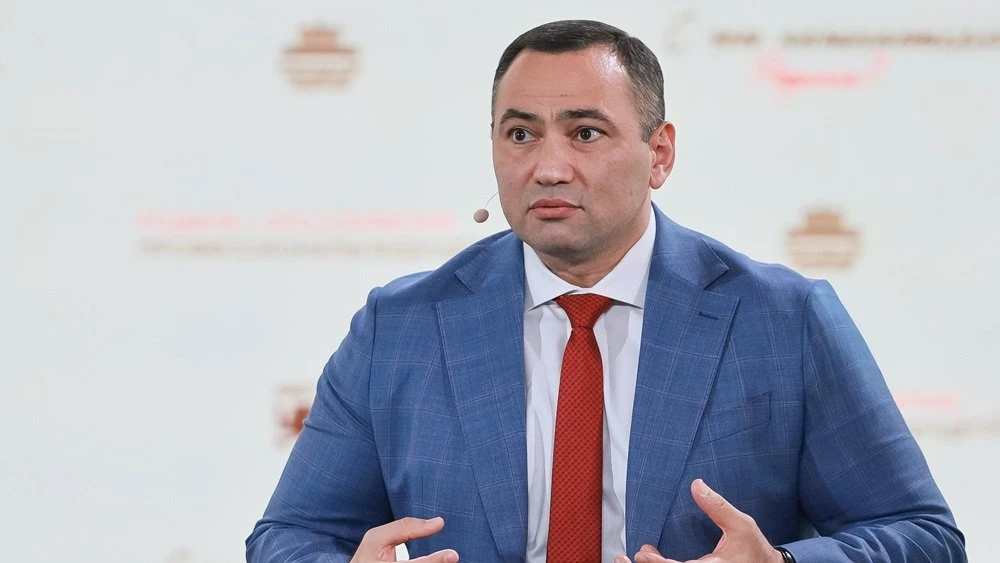
Aslan Kanukoyev emphasised that a person's choice of career should be guided primarily by their interests, goals and desire to contribute in a field where they see their future. The meeting's central message was to make use of opportunities for development.
"For students today, it is important not only to acquire knowledge but also to show initiative, think critically, find like-minded people and put ideas into practice. It is the willingness to act and keep learning that provides the foundation for personal and professional growth," he explained.
The Head of the Congress and Exposition Events Division at the Ministry of Science and Higher Education of Russia and Chair of the Ministry's Youth Council, Kirill Ordak, discussed youth leadership and initiative. He stressed that the youth council's overall role is to support the professional and personal development of the Ministry's staff. He advised young people to avoid focusing solely on the end goal and instead seek happiness and harmony in the present, and to persevere and show what they can do even if their ideas initially meet with a lack of support or understanding.
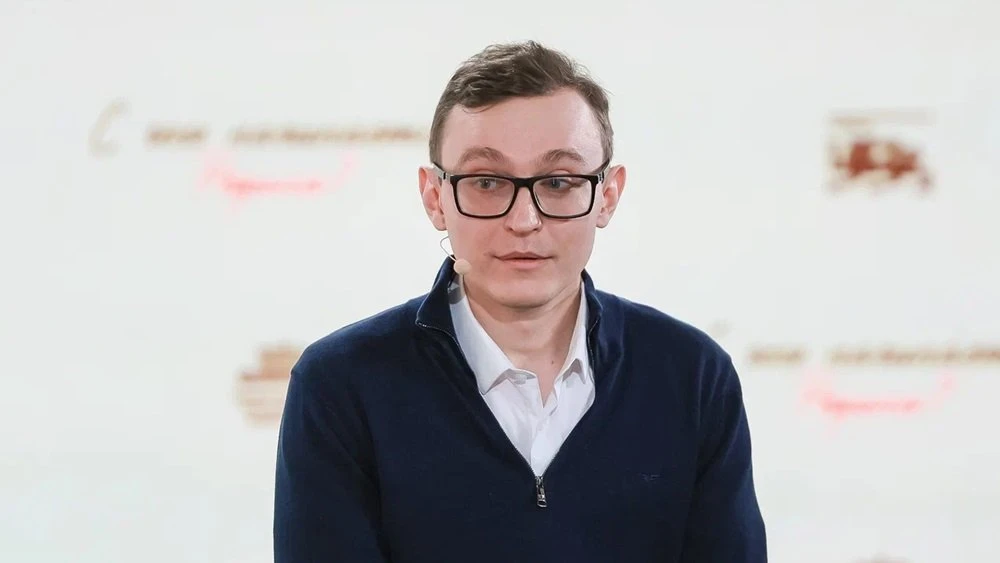
"It is easy to succeed when everyone approves of your idea. It is much harder when you feel it is being dismissed and people say, 'Not now, there is no time, it is too complicated.' That is when it is important not to give up or lose your enthusiasm, because each time you think your idea through, it takes clearer shape and becomes better. Until I was about 28, I lived by the principle, 'If you are afraid, do not do it; if you do it, do not be afraid.' Now I live by the belief, 'If I am afraid, I am afraid, but I keep doing it.' Because denying your emotions is, in my view, wrong. It means being in conflict with yourself," noted Kirill Ordak.
An Adviser to the Director of the Russian Children and Youth Centre (Rosdetcentr), Khristina Sergeyeva, discussed what a modern mentor should be like and how children's upbringing relates to their future careers. She noted that children can only be brought up through personal example and identified three key qualities that Rosdetcentr prioritises in developing its mentoring system.
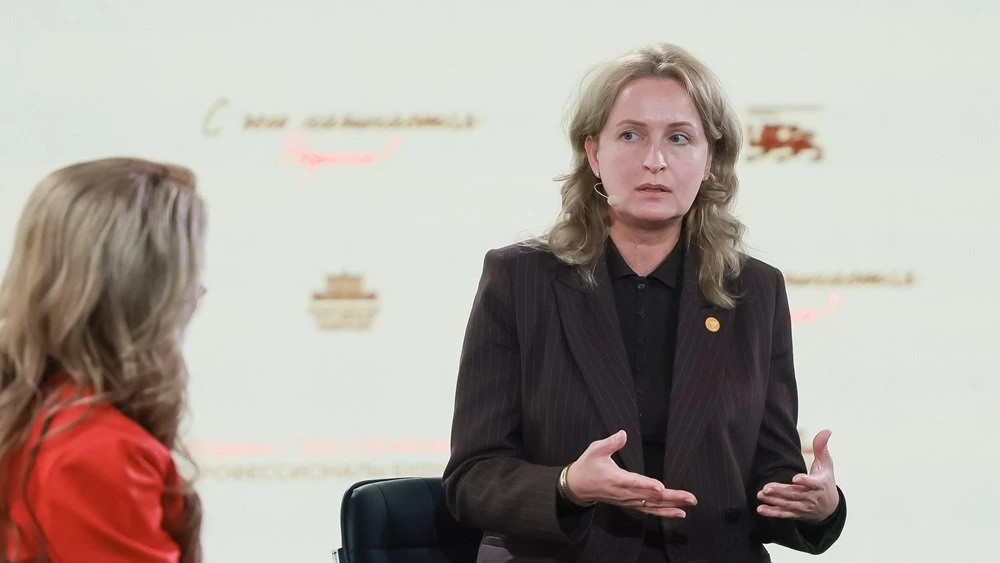
"First and foremost, a mentor must be a patriot of our country. Secondly, mentoring must be their calling; otherwise, they will simply never become an important adult in a child's life. And thirdly, they must be a moral and ethical role model for the children in their care. Because if you do not share the values you communicate, you will never be able to instil them in those around you," concluded Khristina Sergeyeva.
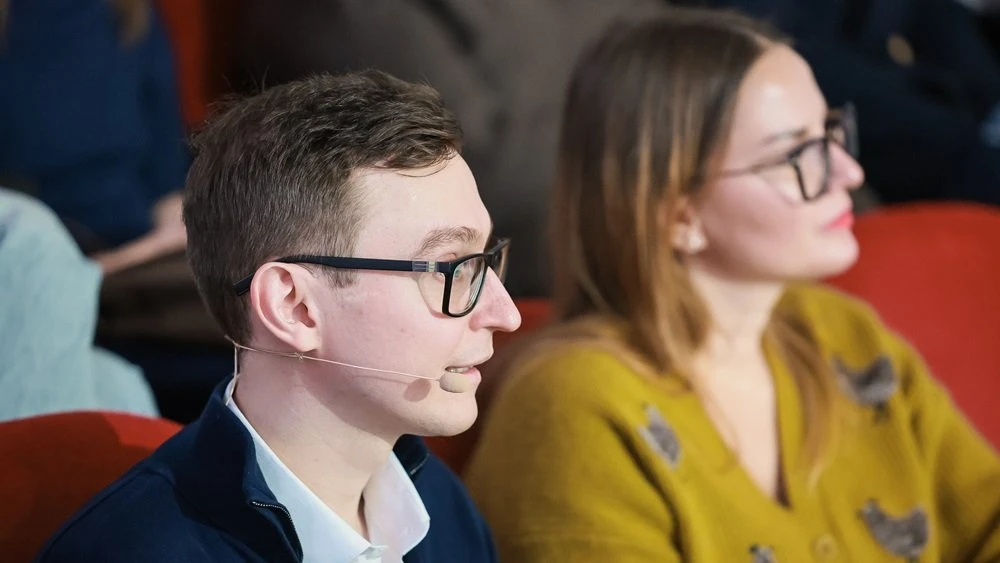
The "Motherland Is Service" series of meetings is dedicated to people who have established themselves in their professions and made a significant contribution to the development of both their sectors and the country as a whole. For young participants, it is an opportunity to gain an inside view of different professions, learn from the experience of accomplished professionals and understand the prospects their chosen career offers. The series is part of the National Centre RUSSIA's original project "What Does the Motherland Begin With", which is being implemented during the Year of Unity of the Peoples of Russia with support from the Government of the Russian Federation.

Applications are open until 29 October.
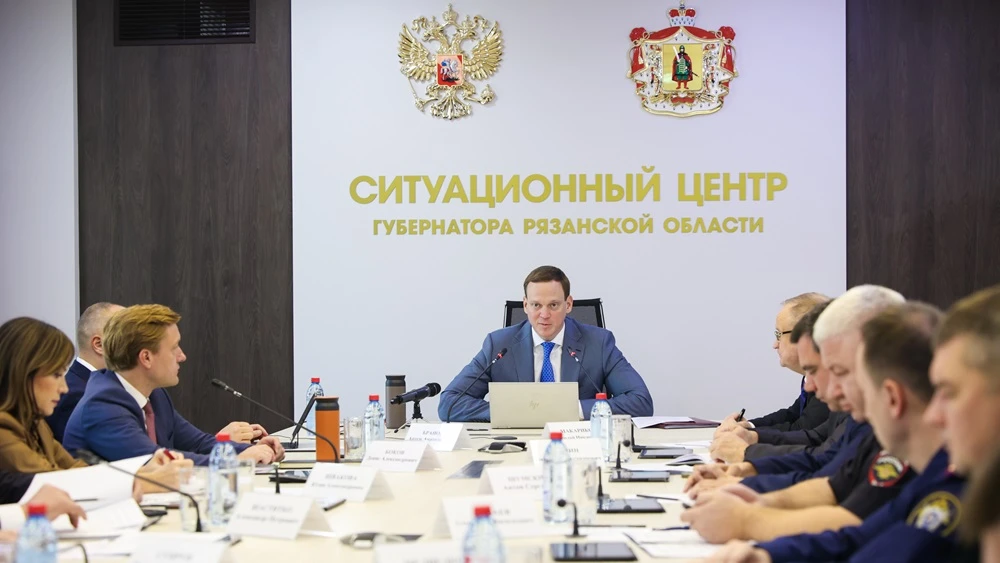
The National Centre RUSSIA in the Ryazan Region will become a venue for major cultural, educational and business events.
Guests participating in the international intensive programme "Serbia.Russia.Yugra" visited the National Centre RUSSIA in Yugra.


