


The National Centre RUSSIA to explore the legacy of World Expos
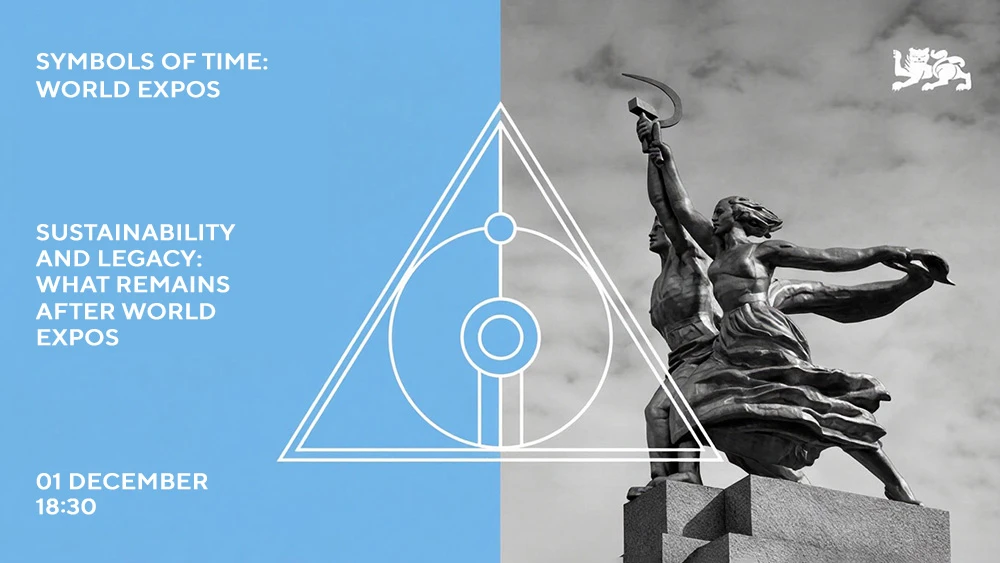
What happens to pavilions once major international
expositions close, why do some expo sites become thriving public spaces while
others become a burden on their host cities, and what might the expo pavilion
of the future look like? These questions will be explored on 1 December at the
National Centre RUSSIA in the lecture "Sustainability and Legacy: What
Remains After World Expos", part of the original "Symbols of Time"
series.
The event will focus on expo architecture and its role in urban development.
The moderator, architectural historian, head of the educational company
"Through the Eyes of an Engineer" and chair of the Interregional
Union of Tour Guides, Airat Bagautdinov, will be joined by Sergei Kuznetsov,
Architect of the Future at VEB.RF, winner of the 2026 European Prize for
Architecture and one of the designers of the Russian pavilion at Expo 2015 in
Milan, to explore how the concept for a national pavilion takes shape, what challenges
architects face and how they find distinctive design solutions that make a
pavilion memorable.
The discussion will move from individual buildings to expo sites as a whole:
how to plan for their future use at the masterplanning stage, which structures
are worth keeping and how to integrate them into the surrounding city. Drawing
on the experience of Milan, Astana and Dubai, the experts will discuss what
worked and what can be learnt from the redevelopment of those Expo sites. The
event will conclude with a look at the upcoming Expos in Belgrade and Riyadh:
what opportunities they offer architects and what ideas could make the Russian
expositions engaging and recognisable.
"Symbols of Time" is an original educational project of the National
Centre RUSSIA devoted to culture and the arts. Upcoming events are free to
attend, with advance registration required at russia.ru. See the
"Events" section for the schedule.
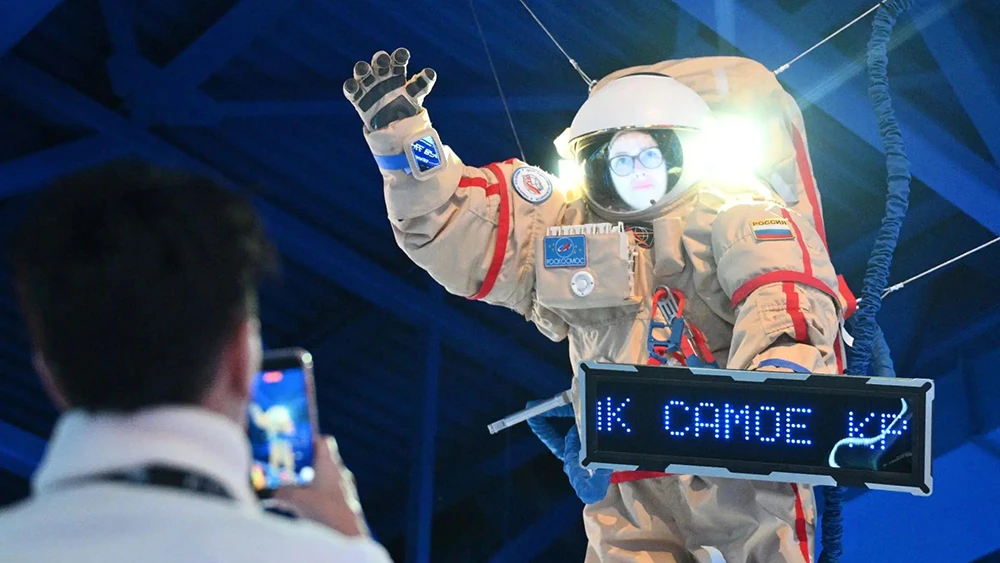
The National Centre RUSSIA has launched an app that will bring together everyone involved in projects across the "Inventing the Future" ecosystem.
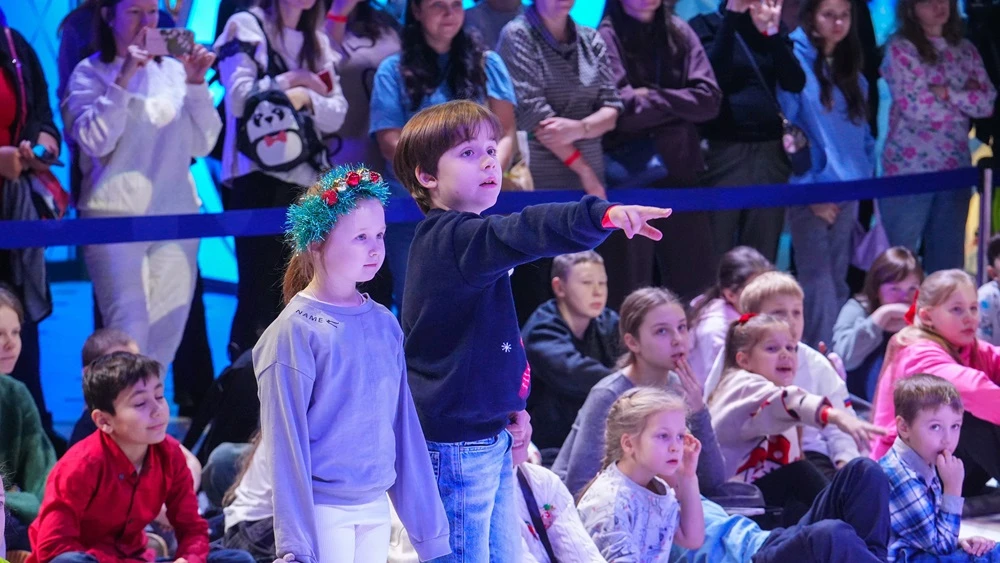
One of the aims in establishing the National Centre RUSSIA was to help children and young people develop professional skills and a sense of patriotism.
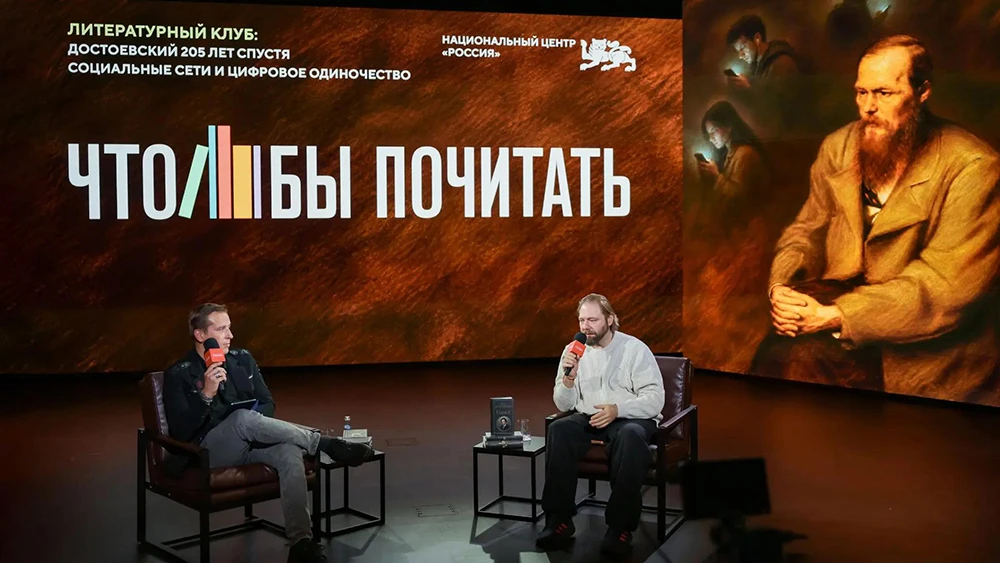
Participants at a meeting of the Literary Club "What to Read?!" discussed digital loneliness, freedom and faith through the work of Fyodor Dostoevsky November at the National Centre RUSSIA.


