


The National Centre RUSSIA hosts discussion on the educational and cultural value of children’s toys
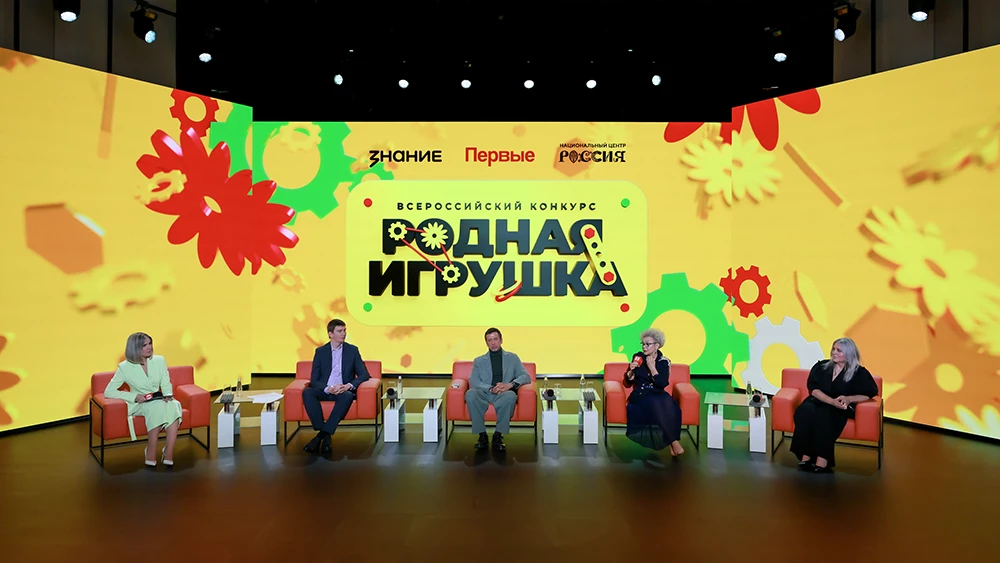
The panel discussion "More Than Just a Toy: The Educational Potential and Teaching Practices in Early Childhood Education" took place on 19 October at the National Centre RUSSIA. Experts discussed how modern toys help children explore the world, develop values and prepare for school, and why this seemingly simple object involves substantial educational work. The discussion was held as part of the business programme marking the final of the second season of the All-Russian Contest "Native Toy".
Alexander Reut, Director of the Department for State General Education Policy
and Early Childhood Education Development at the Russian Ministry of Education,
explained how a unified standard for equipping kindergartens with toys would
work. He said it would establish a minimum set to ensure equal opportunities
for children's development without restricting educational institutions'
freedom to choose items, manufacturers and materials.
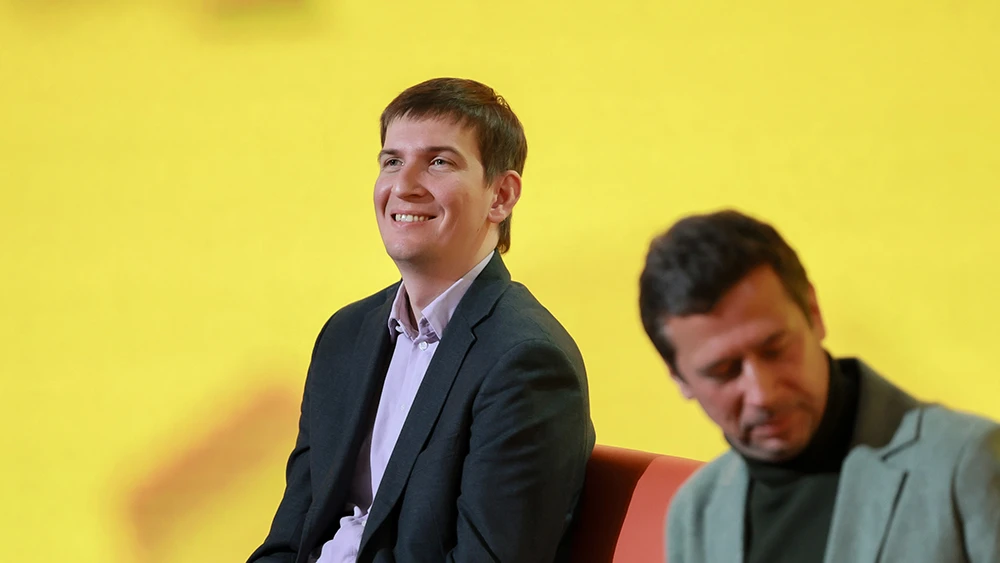
"The basic standard establishes the mandatory minimum that every kindergarten must have. At the same time, educational institutions will remain free to purchase additional teaching and educational resources, including games and toys," Alexander Reut promised.
Andrei Merzlikin, a theatre and film actor, Honoured Artist of the Russian Federation and father of four, noted that toys play an important role in socialisation, the development of a child's personal space and the formation of values. Through play, he explained, adults not only get to know children but also pass on a cultural code that stays with them throughout their lives.
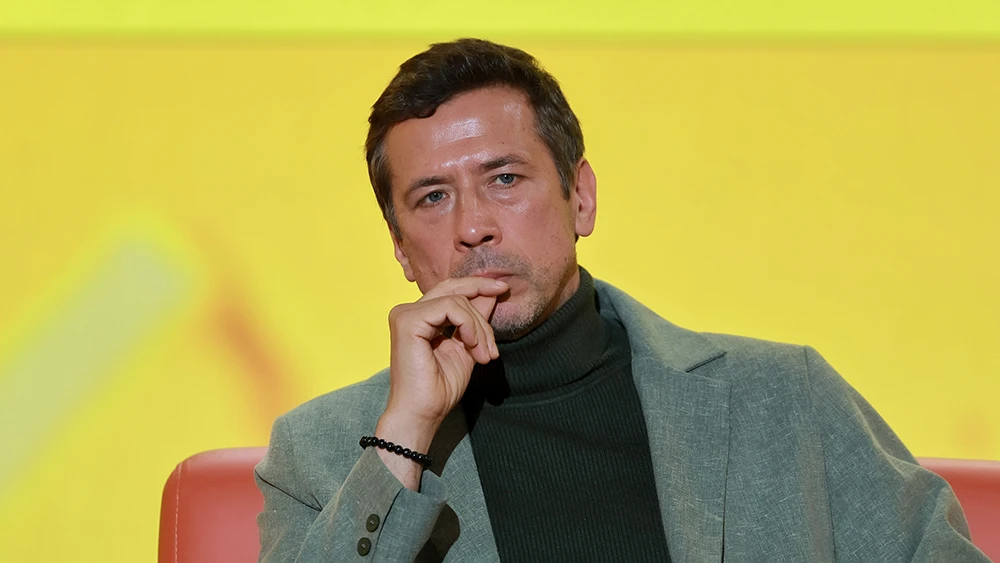
"For example, when we were preschoolers, we were asked to decorate a
wooden kitchen board with paints as a gift for our mothers on 8 March. We had
to choose one of three traditional Russian painting styles: Gorodets, Khokhloma
or Gzhel. It might seem that you are simply painting a blank board as a
present, but it also becomes a way of passing on our national cultural legacy.
You copy the pattern, choose the right colours, and once you have done it with
your own hands, you carry the skills of a traditional painter within you for
life. I still have that board at home. It is almost 50 years old, and I am
still proud to say that I can paint in the Gorodets style. It turns out that
you managed to remember the names of traditional Russian painting styles, try
one of these paintings yourself, enjoy the result and see that your mother
treasures your gift. Through this experience, you discover important aspects of
your culture," Andrei Merzlikin shared.
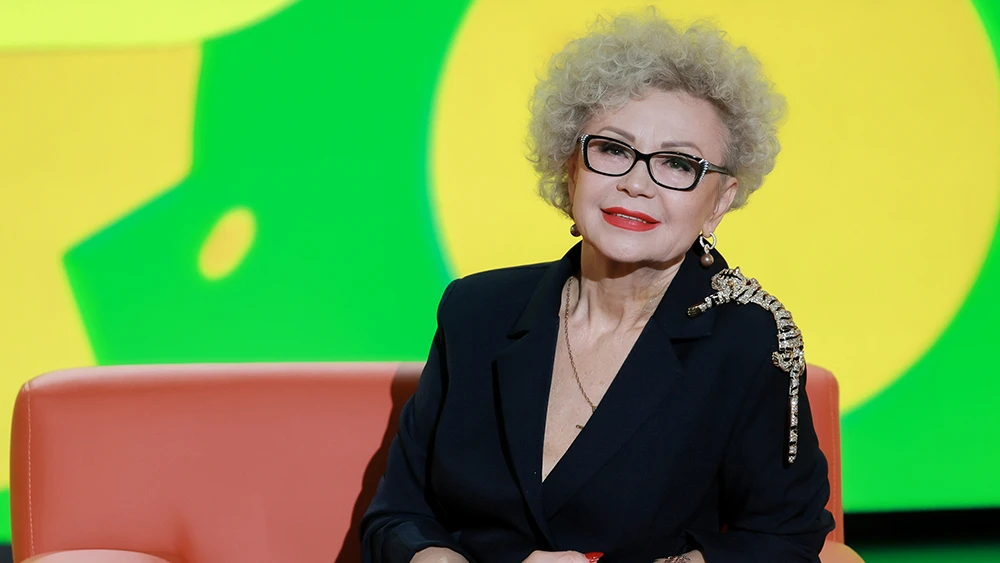
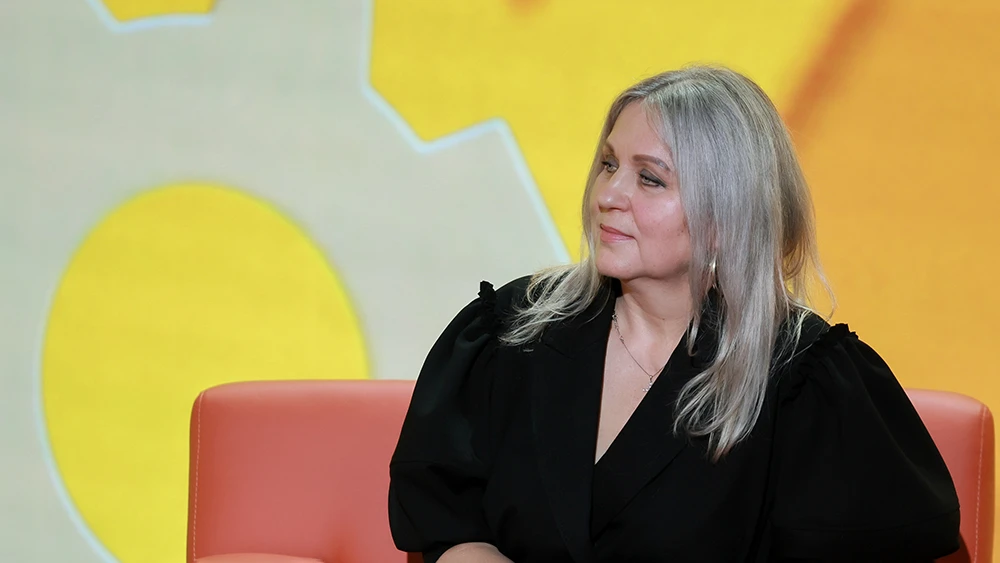
Lyubov Rozenberg, a psychologist and Gestalt therapist, invited the audience to look at play from a child's perspective and explained how play can convey important ideas while taking children's psychological development into account. She described toys as a unique intermediary between children and adults.
"Child-rearing happens naturally, through what a child sees, touches and has around them. There is a growing emphasis on educational toys designed solely to develop specific skills. But I believe a toy's unique purpose lies above all in allowing children to express and experience feelings. Children absorb the behaviour of their parents, other children and people in society. And how can parents find out what their children have picked up along the way if not through their play? That is why it is important to take part in children's games from the very beginning — not simply by saying, 'Let's feed the doll or put the kitten to bed', but by getting genuinely involved. Children bring their toys to life, giving them qualities, words and behaviours. By entering their imaginary world, adults can build a connection with them and discover what they like, what upsets them and what they find difficult. This helps foster kindness, love, care and social responsibility," Lyubov Rozenberg said.
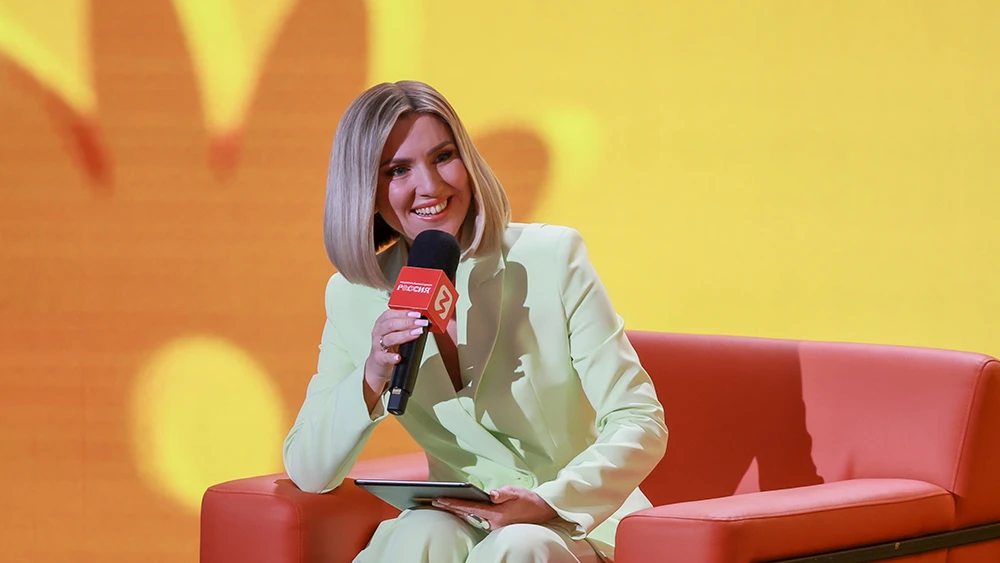
Tatyana Panikhidkina, head of Kindergarten No. 162 "Rosinka" in Bryansk, explained how preschools approach the selection of toys, drawing on her institution's experience.
"Our kindergarten is relatively new — it was built in 2019 — but toys inevitably wear out, so we are constantly replenishing our supplies. We purchase toys in line with our educational programme and federal requirements, monitoring which toys we already have and which need replacing or adding. Of course, we also take into account the views of our teachers, preschool specialists and parents," Tatyana Panikhidkina said.
The discussion reaffirmed that toys are an important tool for education, socialisation and passing on cultural legacy. How thoughtfully adults choose toys and engage in children's play can have a significant influence on the people children grow up to be and the values they carry throughout their lives.
The All-Russian Contest "Native Toy" was established on the instructions of President of the Russian Federation Vladimir Putin to promote the development and production of Russian-made games and toys grounded in traditional Russian spiritual and moral values. In 2026, the project's final event brought together more than 1,500 people at the National Centre RUSSIA, including members of the expert and children's juries, parents with children, school pupils, students, business representatives and leaders from the games and toys industry. The contest is organised by the Russian society Znanie, with the Movement of the First as co-organiser.
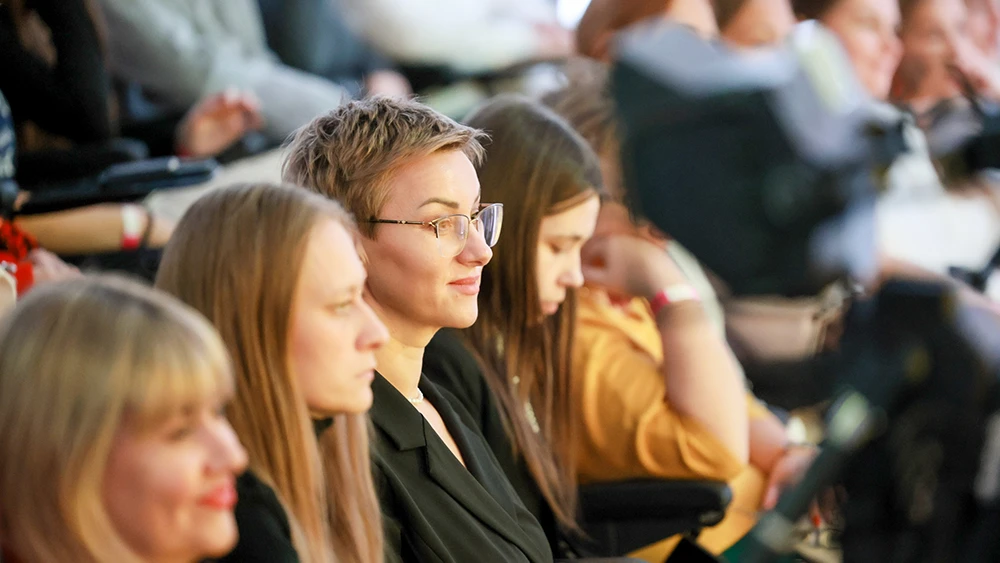
The centrepiece of the programme was an exposition featuring 15 winners in the "Game and Toy Ideas" category, 80 finalists in the "Game and Toy Prototypes" and "Finished Games and Toys" categories, more than 300 products awarded the "Native Toy" quality mark, and 50 outstanding drawings submitted to a special category organised in partnership with the Solntse ("the Sun") TV channel. The projects were assessed by expert and children's juries, as well as 30 families representing the "Rodnye-Lyubimye" ("Dear Ones — Loved Ones") family community.
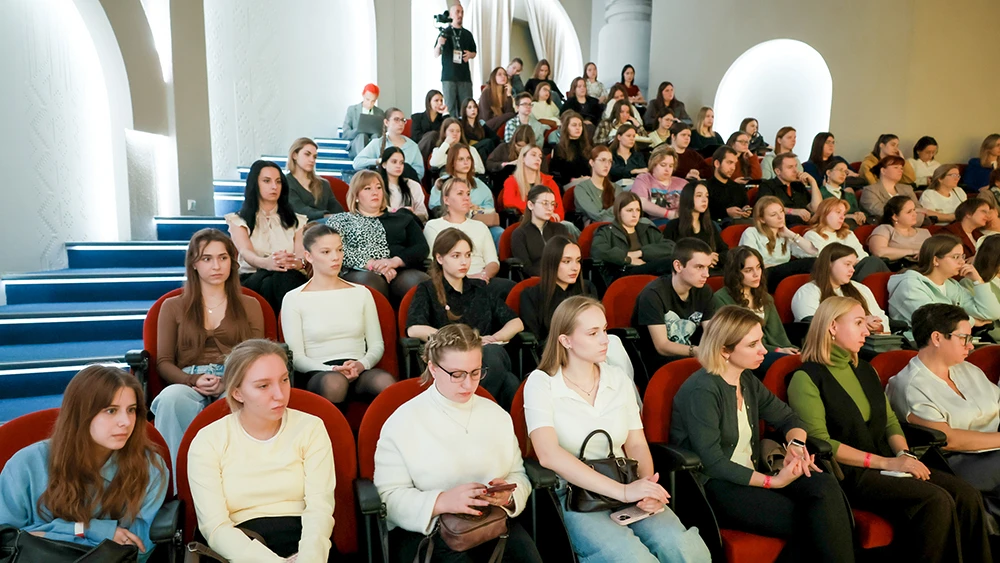
The business programme accompanying the final included panel discussions and a
masterclass featuring government officials, experts, business representatives
and industry leaders.
Event photobank
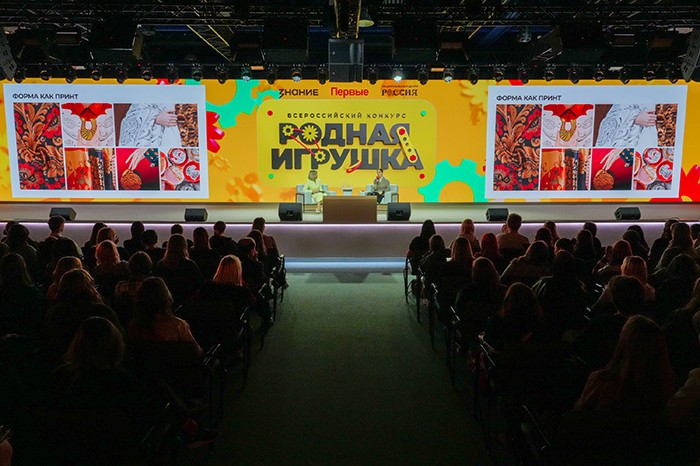

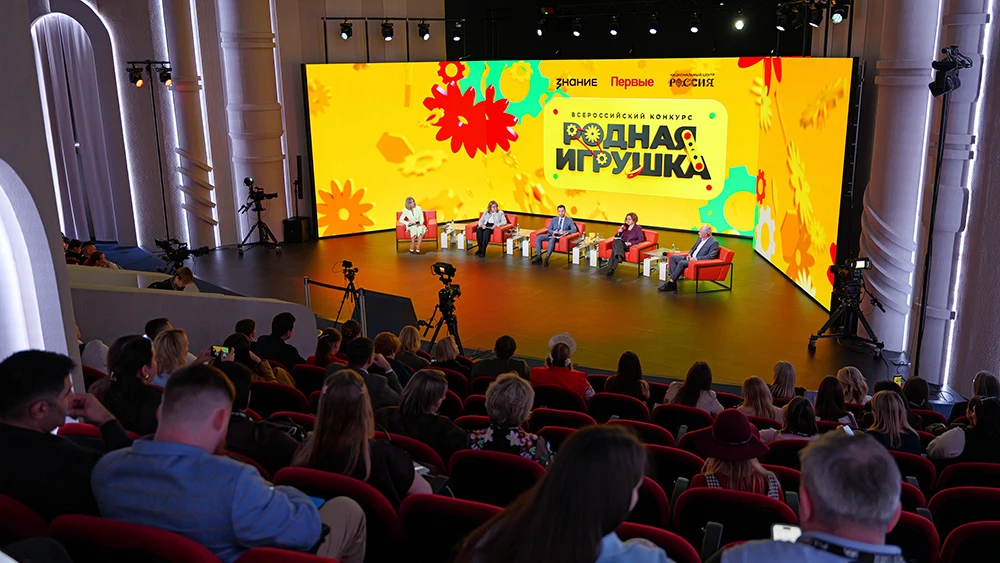
The final of the second season of the All-Russian Contest "Native Toy" is being held as an exposition of games and toys.
How has the Russian metro evolved over the decades? Why are its stations often called underground palaces, and what secrets and legends lie behind the history of the metro.
On 19 October, a festival marking the second season of the contest and celebrating its results opened at the National Centre RUSSIA.


