


A true picture of Russian gamers emerges ahead of the III International Symposium "Inventing the Future"
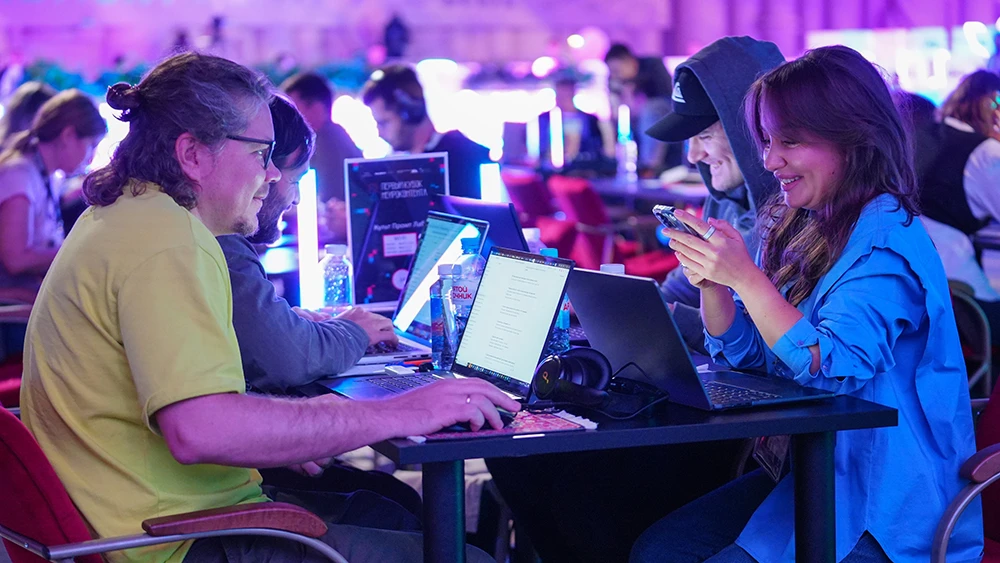
Who is today's Russian gamer, how old are they, what
interests do they have outside gaming, and what do they dream of? A survey of
visitors to the international esports club network COLIZEUM and a comprehensive
study by the company have provided answers to these questions. The findings
have been published ahead of the III International Symposium "Inventing
the Future", which will be held on 12–13 November at the National Centre
RUSSIA. Its special project, the Gaming Lobby "Gaming Session of the
Future", will bring together developers, experts and gaming enthusiasts.
The survey involved 5,175 people from different Russian regions — visitors to
COLIZEUM gaming clubs of various ages, interests and professions. The study
found that the typical gamer is an educated, ambitious and socially active
young person who makes bold yet considered decisions, shows empathy and seeks
friendship and communication.
According to the survey, the overwhelming majority of players are men,
accounting for 92–95% of respondents. Most are young: 30% are aged 18–20, and
29% are aged 21–24. Respondents have varying levels of education: 40% have a
higher education qualification, 31% have a secondary vocational qualification,
and 13% have completed general secondary education. A further 7% have two
higher education qualifications or an academic degree. Common occupations
include office workers (19%), students at technical and vocational colleges
(16%), managers and department heads (13%), and school pupils and university
students (12% each).
Russian gamers are strong-willed people with a tendency towards analytical
thinking, empathy and bold action. To develop their psychological profile, the
researchers used the Process Communication Model, developed in the 1970s by
American clinical psychologist Taibi Kahler. The model identifies six
personality types: Thinker, Persister, Harmoniser, Promoter, Rebel and
Imaginer. A Rebel, for example, is creative, spontaneous and charismatic,
enjoys breaking rules and values freedom and authenticity. A Persister is
conscientious and observant, with a particular strength in critical thinking. A
Thinker takes an analytical, structured approach and values facts and data. A
Harmoniser is empathetic, caring and seeks harmony. According to the study,
visitors to gaming clubs in Russia are predominantly Thinkers (25%),
Harmonisers and Persisters (24% each). The profile of COLIZEUM club gamers is
somewhat different: Rebels account for 25%, Thinkers for 17%, Harmonisers for
16% and Promoters for 13%.
The researchers identify five patterns reflecting Russian gamers' underlying
motivations. Social motivation ranks first (52%): people value friendship,
face-to-face interaction and playing side by side. For many, computer games
bring people together: 67.7% of respondents usually visit clubs with friends to
share experiences, exchange opinions, discuss trends and try new releases
together. Relaxation is another important motivation (43%): gamers value the
opportunity to relieve stress through play and switch off from routine tasks
and external distractions. Other motivations include the desire to compete
(43%), access to technology (32%) and innovation (20%).
Contrary to the stereotype of gamers leading sedentary and isolated lives, the
study confirmed that gaming enthusiasts are active people who enjoy sport,
travel and large public events. For example, 56.6% of respondents exercise
regularly, while 57.4% travel every six months or once a year. Besides gaming
clubs, many visit cinemas (54%), cafés and restaurants (46.2%), sporting events
(25.7%) and concerts (23.3%). However, alongside club gamers, there are also
those who play at home: 58% of respondents said they needed the comfort of
home, 40% their own gaming peripherals, and 36% peace and privacy.
The survey
and study also showed that gamers are ambitious. High gaming rankings matter to
64.7% of respondents. Many dream of or want to become streamers (28%), while a
further 39.5% are already considering it. Almost half of respondents dream of
or are considering a career in esports — 42.5%, or 2,198 people.
As for gaming preferences, the top five games are CS2 (45.9%), Dota 2 (14.6%),
Fortnite (4.7%), PUBG (4.1%) and VALORANT (3.4%). The personal computer is
overwhelmingly the preferred device (88.3%). Popular food and drinks consumed
while gaming include ready-to-eat meat snacks (38.8%), sandwich wraps (31.3%),
crisps and crunchy bread snacks (28.3%), energy drinks (52.1%), coffee made
from beans (25.1%) and tea (22.2%).
These and other aspects of Russian gamers' profiles, motivations, preferences
and aspirations, along with the wider world of computer games, will be a focus
of the III International Symposium "Inventing the Future". A special
project, the Gaming Lobby "Gaming Session of the Future", awaits
young people, developers and experts. Online registration is required to take
part in this programme.
Visitors to the Lobby will discuss video games as an important cultural
phenomenon and a medium for traditional values, explore trends in the Russian
gaming industry, assess new releases and try them out. Audiences will see, for
example, the latest games inspired by Slavic mythology, literature, traditions
and the cultures of Russia's regions.
The Lobby's main stage will host dialogue with bloggers and leading figures in
entertainment, content creation and gaming blogging. Open discussions will
explore the psychology of gaming and the impact of gamification on humanity's
future, the competitiveness of Russian developers, Russian studios' expansion
into international markets and the industry's development prospects. Another
key event will be the recording of the podcast "Our Game. The Russian
Industry and Its Place in the Global Context" in front of a live audience.
At the technological heart of the Lobby will be an open area where everyone can
try the latest games. The final gaming event will be a team tournament in
"World of Tanks", with participants battling for victory and cash
prizes. Everyone will be able to watch the action on a large screen.
The III International Symposium "Inventing the Future" will be held
on 12–13 November 2026 at the National Centre RUSSIA. Organised on the
instructions of the President of the Russian Federation, Vladimir Putin, the
event will bring together government officials, scientists and researchers, heads
of corporations and business alliances, representatives of the creative
industries and civic organisations, and young professionals from around the
world. This year's programme emphasises networking and an expanded range of
creative and youth-focused formats.
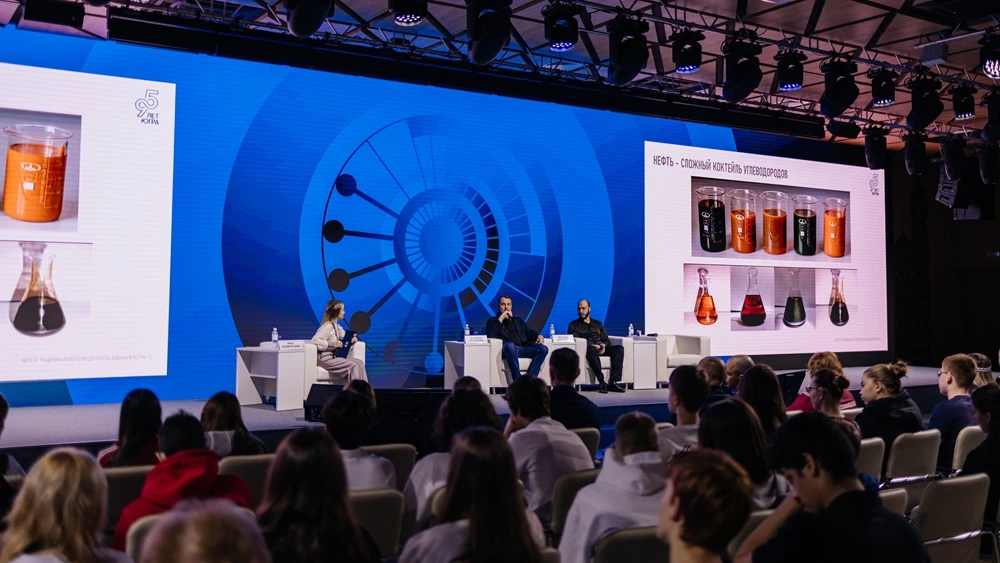
"Yugra: Energy of the Future — From Natural Resources to Meaning" was the theme of Yugra's first "Inventing the Future" Open Lecture Hall, held at the National Centre RUSSIA.
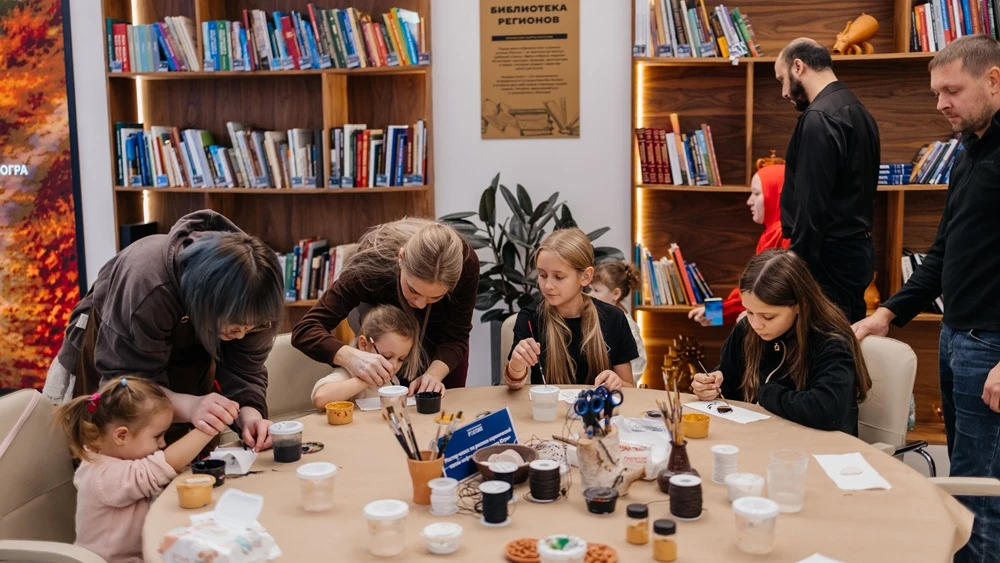
Creative workshops and a multimedia exposition about the region's future opened the "Inventing the Future" Open Lecture Hall at the National Centre RUSSIA in Yugra.
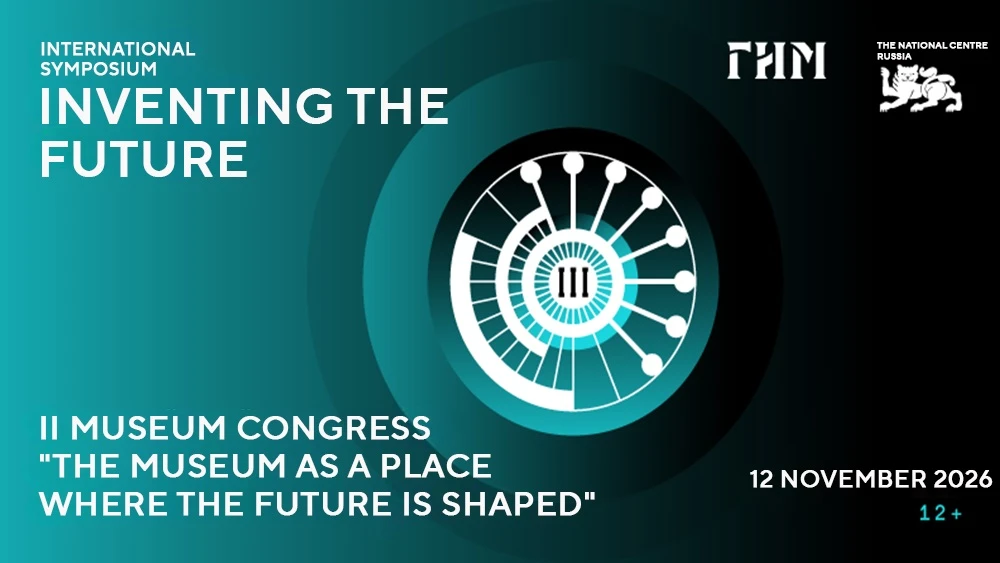
The event will take place on 12 November 2026 as part of the III International Symposium "Inventing the Future" at the National Centre RUSSIA.


