


"Valenki" on the steps of the Reichstag: how "Soldiers’ Dreams" begins at the National Centre RUSSIA
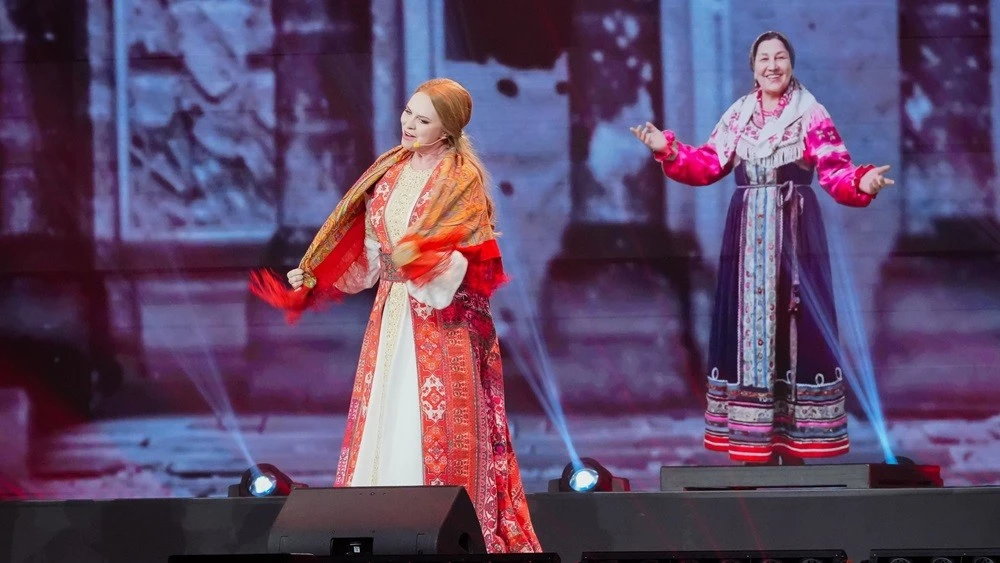
At the National Centre RUSSIA, the story of Victory is told not only through documents and chronicles, but also through the voices of frontline artists who supported the heroes of the Great Patriotic War in the most difficult times. The performance "Soldiers’ Dreams" opened with a symbolic scene: 2 May 1945, fighting is still under way, but Soviet troops have already taken the Reichstag. At the front, Lidia Ruslanova gives a concert for the fighters, performing the legendary song "Valenki". In the production, her voice is heard in a duet with Honoured Artist of Russia Varvara — connecting eras and passing tradition from generation to generation. The song itself appeared in the early 20th century and became a symbol of support for fighters during the war.
"For me, this is a special responsibility. In our family, my grandfather went through the entire war, from Moscow to Konigsberg, and his favourite artists were Lidia Ruslanova and Mark Bernes. These songs were sung at our family table. Now, standing on the stage of the National Centre RUSSIA and performing 'Valenki', I feel the connection with that generation and with the great singer who stood with the soldiers under fire very keenly," the singer admits.
In the production, the song "Valenki" becomes a duet between generations: the voice of 1945 and a modern performance intertwine, creating a sense of a single musical space. Lidia Ruslanova and Varvara share the same message — the memory of Victory is alive as long as their songs continue to sound and resonate.
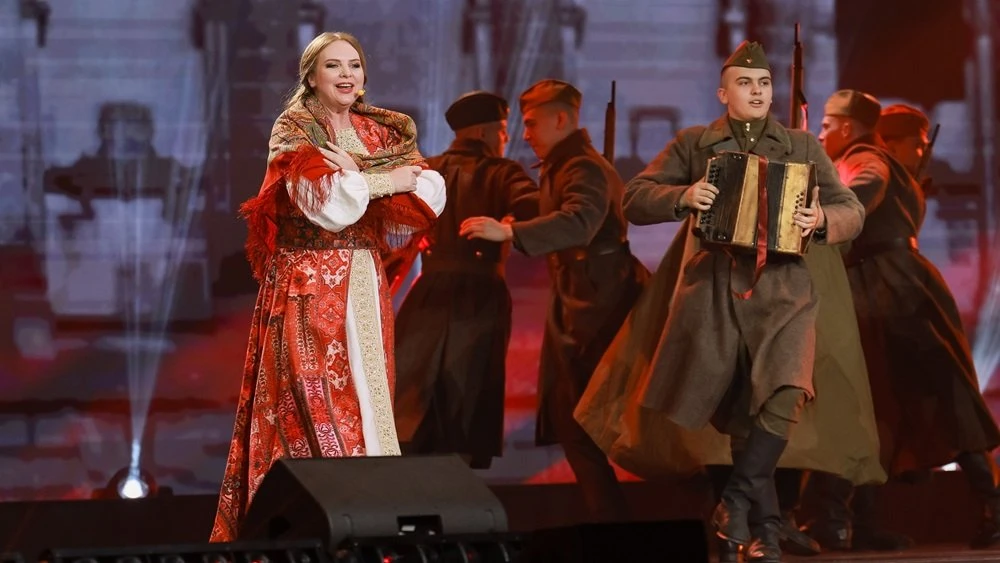
"It seems to me that the task of an artist today is to create warmth, mood and a sense of unity, and not to let go of this memory for a single second. I am grateful to the National Centre RUSSIA and the whole team for the opportunity to take part in such a powerful and honest project," Varvara says.
The fate of Lidia Ruslanova and one of her most famous songs are closely intertwined with the history of our country. Born into a poor family in the Saratov Governorate and orphaned at an early age, she went from a children’s church choir to nationwide fame. During the First World War, she volunteered for the front as a nurse, and in the 1920s and 1930s became one of the Soviet Union’s best-loved performers. Her powerful, truly folk voice was heard at the construction sites of the first five-year plans, in clubs and in squares across the country.
With the beginning of the Great Patriotic War, Lidia Ruslanova once again went to those on the front line. Over the war years, she gave more than a thousand concerts: she performed in the open air, in trenches, dugouts and hospitals, often under shelling. For soldiers, her arrival became an event comparable to receiving an award: for the duration of a few songs, the feeling of home, peaceful life, cheerful laughter and warmth returned.
It was during these years that "Valenki" took a special place in her repertoire. Originally a Gypsy dance song, it gained a new sound in the singer’s performance — with an altered melody and lyrics that preserved its mischief, humour and energy. According to memoirs, the idea of performing "Valenki" at the front emerged when the singer saw before her a crowd of thousands of fighters all wearing identical valenki. Simple in its intonation, the song became a kind of inoculation of love of life during the harsh months of war: it was taken up in chorus both in the rear and on the front line, sung with an accordion and without accompaniment as something of their own.
On 2 May 1945, Lidia Ruslanova performed "Valenki" by the walls of the Reichstag — in liberated Berlin, together with a Cossack ensemble. This concert, which became part of the wider chronicle of Victory, cemented her image as a folk singer who came to the soldiers at the moment of triumph. She would later leave her autograph on the wall of the Reichstag and receive the Order of the Patriotic War, 1st Class, for her courage and work at the front.
On the stage of the National Centre RUSSIA, the performance "Soldiers’ Dreams" brings together artists of different generations: People’s Artists of Russia Lev Leshchenko, Ilya Reznik, Sergei Shakurov and Valeria, Honoured Artists of Russia Yelena Vaenga and Varvara, and popular performers of the new era, including Klava Koka, Khabib and others. The legendary songs of the war years are performed both in their authentic sound and in modern arrangements, allowing young viewers to hear them in a new way without losing their meaning or respect for the original.
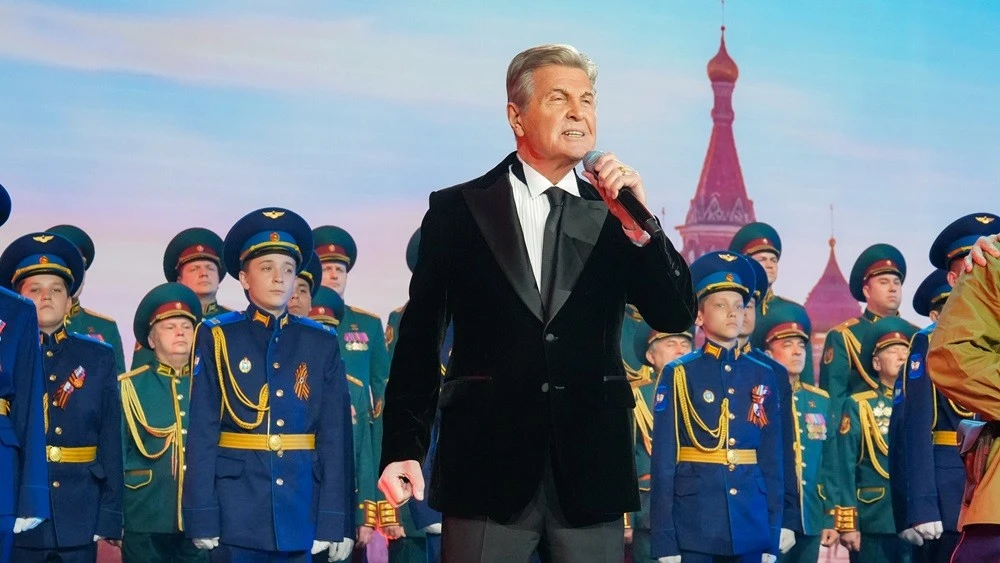
Lev Leshchenko, the enduring performer of the song "Victory Day", highly praised the work of the National Centre RUSSIA to preserve historical memory.
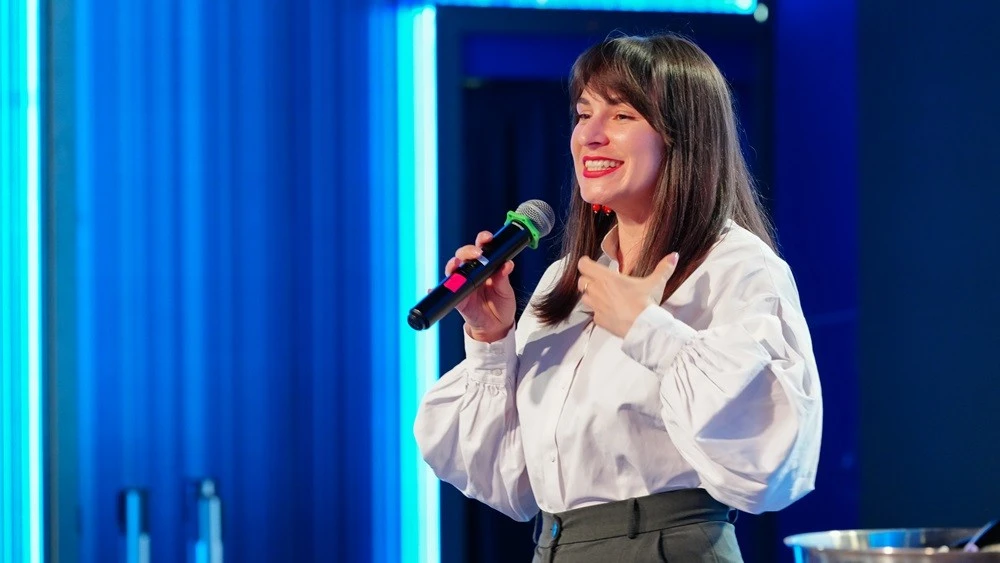
During the lecture, participants followed a route from Anapa towards Novorossiysk and then on to Gelendzhik and Krymsk.
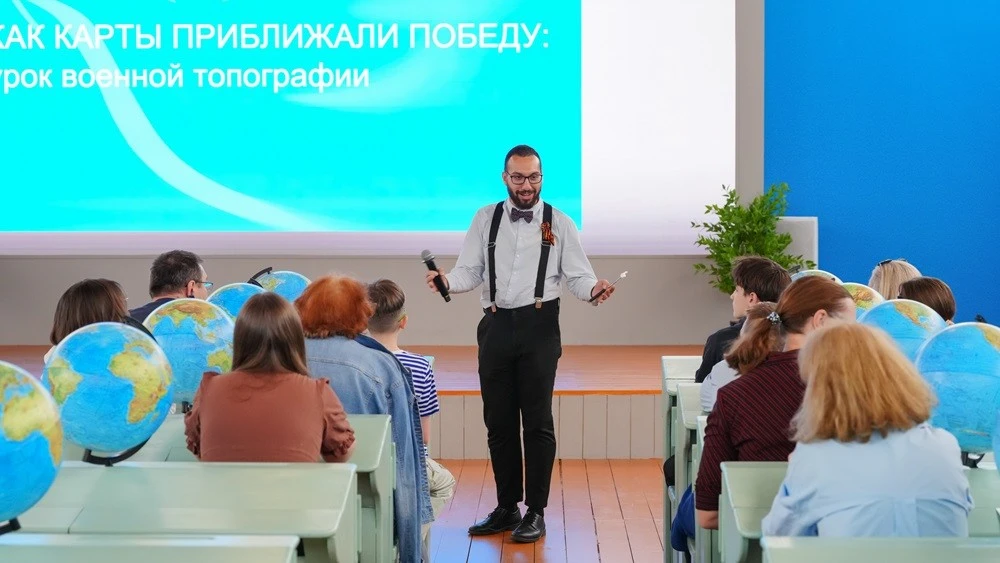
Geographical maps shaped the outcome of military battles no less than bullets and shells.


