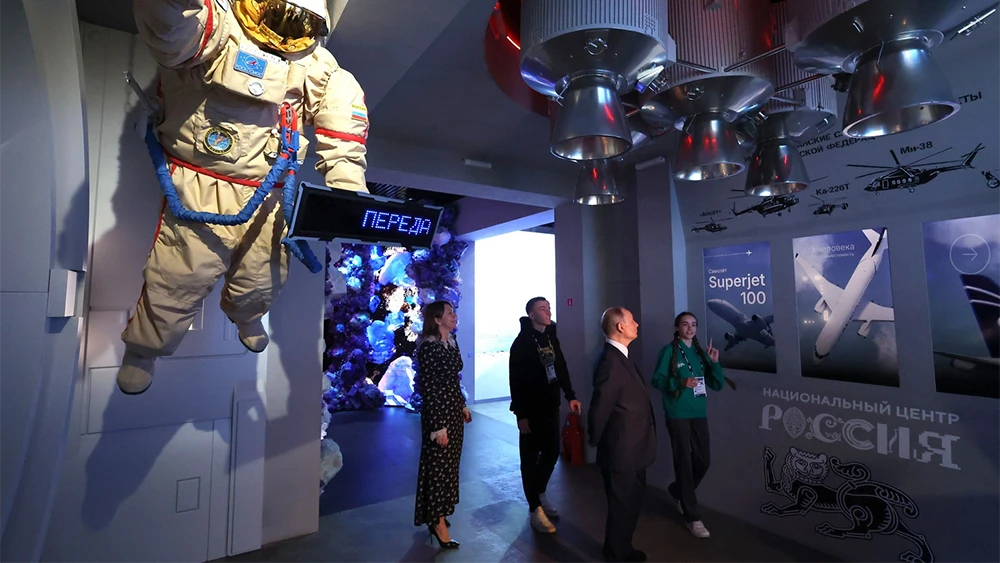
Flavours as a tool for learning: the role of gastronomy in exploring space discussed at the National Centre RUSSIA
What do a cookbook and a world map have in common? This question was explored on 11 April by participants of the masterclass "Gastronomic Geography: Taste as a Tool for Exploring Space" at the National Centre RUSSIA. Using the Russian Far East as an example, brand chef Pavel Vasilyev demonstrated how culinary traditions and taste preferences of different peoples can help us understand geography, nature, and the cultural identity of regions. The event was part of the Open Lecture Hall "Inventing the Future: Geography".
"I have visited almost every region of our country, and in each one I discover new products. Every region is unique, and that applies to every part of the Far East as well," said Pavel Vasilyev.
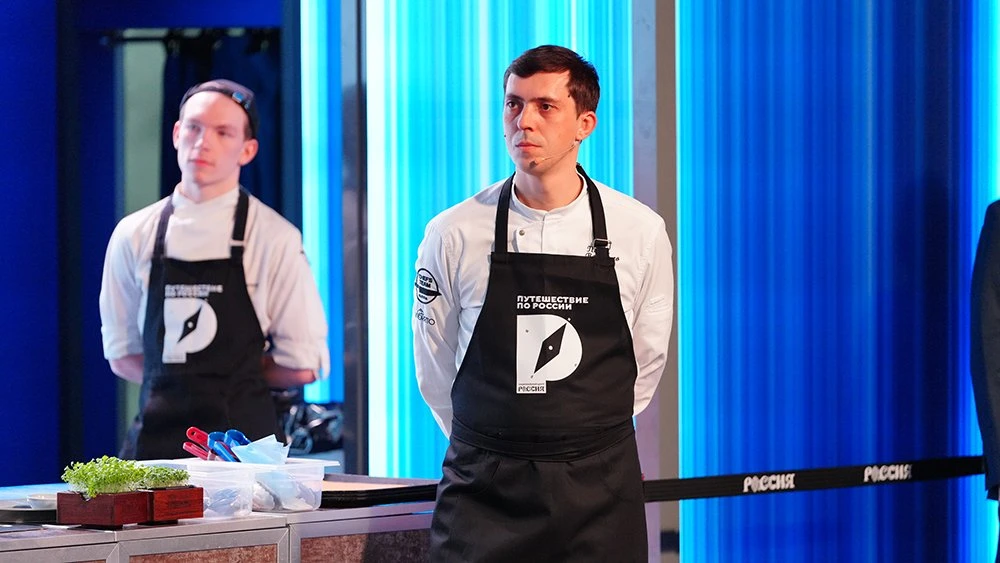
Like an experienced traveller returning from a long expedition, the chef introduced the audience to contemporary Pacific cuisine, closely connected to the Russian Far East. It is built on deep-sea seafood, wild plants and berries, and a blend of traditional knowledge with modern techniques. He emphasised the importance of a careful approach to natural resources and highlighted the role of the chef as a researcher — someone who discovers new flavours, reinterprets familiar ingredients, and shapes the region’s modern gastronomic identity.
The discussion of the connection between geography and cuisine was continued by Yekaterina Kravchenko, editor-in-chief at the communications agency Pressi Fas, producer of the "Pacific Cuisine" project, and editor of the book "Pacific Cuisine: The Beginning". In her view, gastronomy is both a way of exploring space and a result of it — the environment itself shapes new culinary traditions.
"The Pacific is the largest ocean on the planet, spanning several continents, countless islands, countries, peoples, and culinary traditions. At first glance, it may seem impossible to unite such diversity under one concept. But the idea is simple: Pacific cuisine is always based on fish, seafood, and wild plants found along the Pacific coastline. Our world is ancient, and we are constantly searching for something new, but that search must be rooted in traditions of interaction, reinterpretation, and creativity. This is the essence of our project. And the broader the questions we ask at the beginning, the deeper the answers we find — and the more interesting the results become," explained Yekaterina Kravchenko.

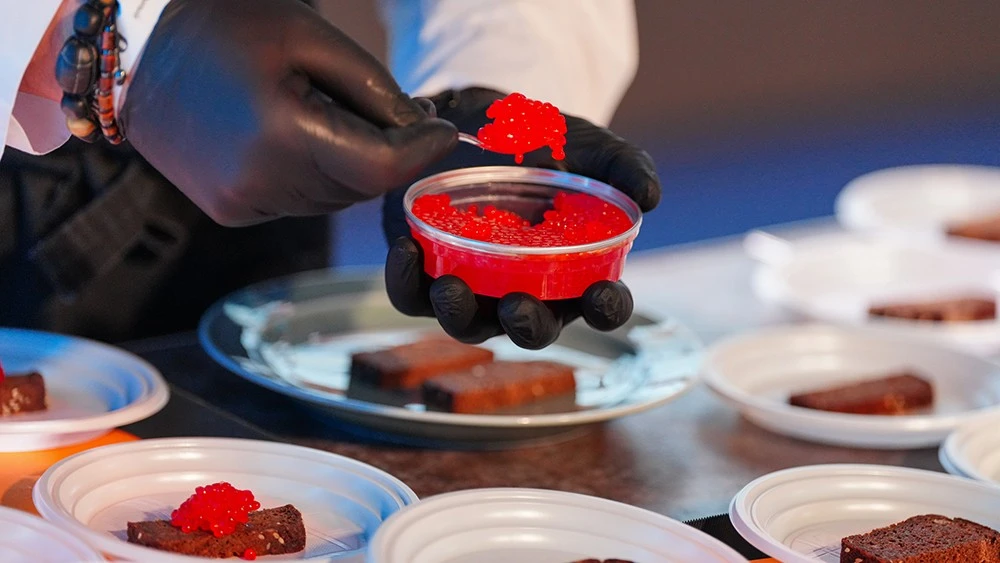
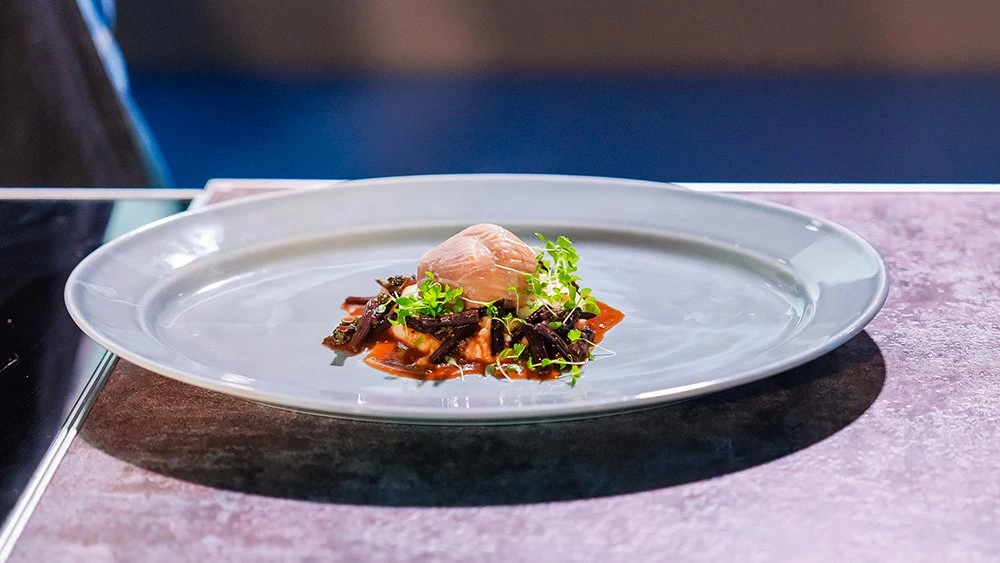
Guests of the masterclass not only listened but also sampled the dishes. The tasting menu included a sandwich with Kamchatka sockeye salmon roe on wild garlic bread and a skate wing fillet stuffed with scallop meat, fern, and celery. For dessert, guests were served a mousse made from Sakhalin berry, an endemic species found in Sakhalin and southern Kamchatka.
The Open Lecture Hall "Inventing the Future" is an original project of the National Centre RUSSIA, launched following the II International Symposium "Inventing the Future". It is held quarterly and brings together experts from different countries to develop positive scenarios for the future of humanity. Audiences can also become co-authors of these ideas by evaluating neural videos based on the speakers’ concepts.
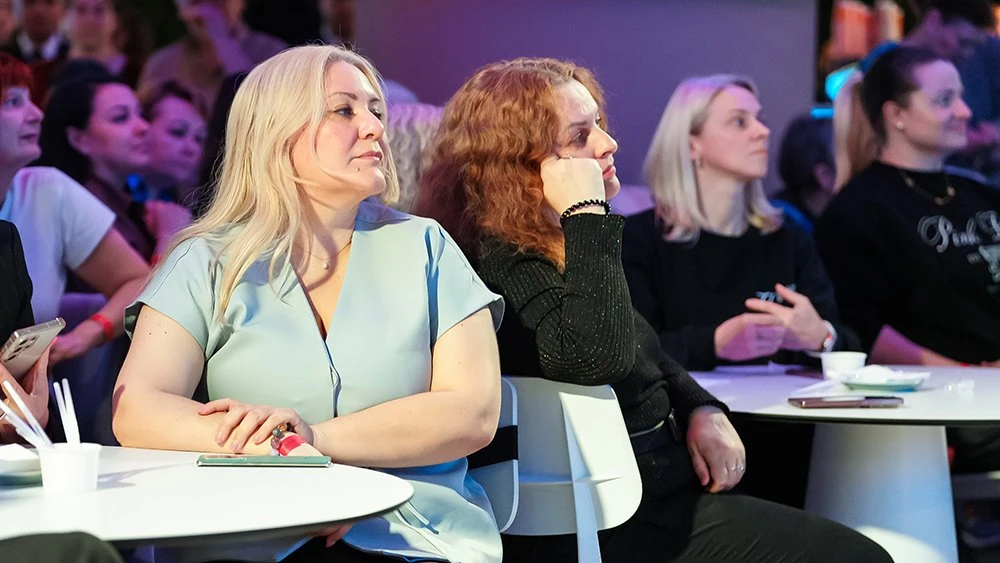
The Open Lecture Hall "Inventing the Future: Geography" builds on the ideas of the exposition "Geography Lessons" at the National Centre RUSSIA. Experts discussed how the global resource map is changing under the influence of climate shifts and how the relationship between humans and space is evolving with technological progress. A key part of the event was the collective installation "Map of 100 Years", where visitors could leave their own predictions about what will change on Earth, in space, underwater, and in the digital environment over the coming century.
Recordings of the lecture sessions are available on russia.ru in the "Livestreams and Videos" section.
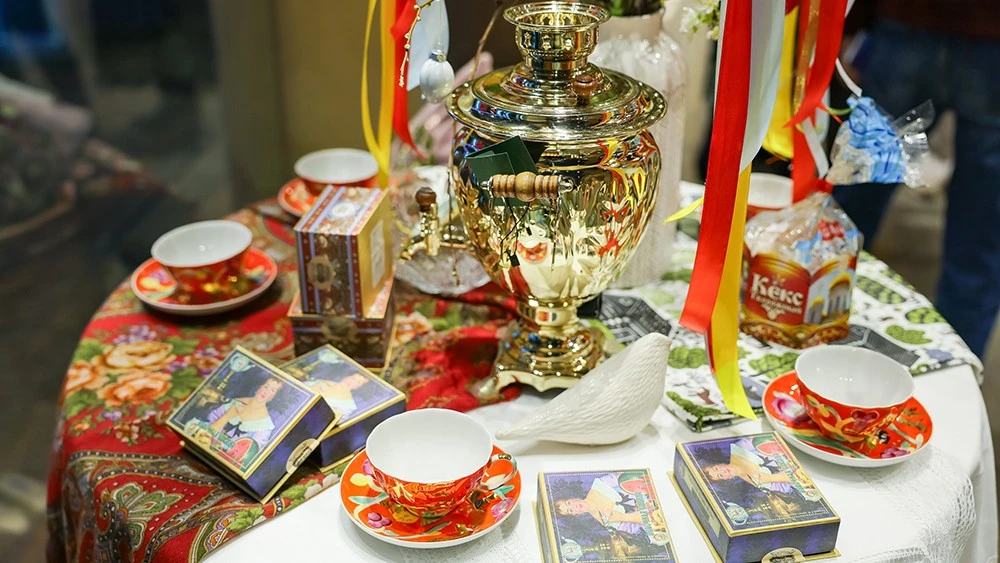
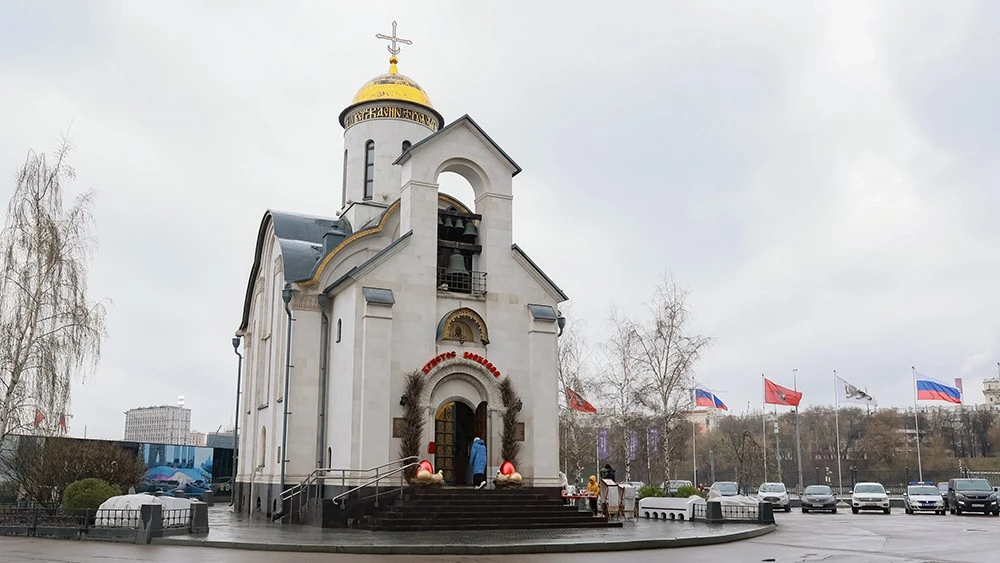
On 12 April 2026, Orthodox Christians in Russia celebrate one of the most important and joyful holidays — Easter.