

Artists from South Africa, Saudi Arabia and other countries discover Russian science art in the science town of Chernogolovka
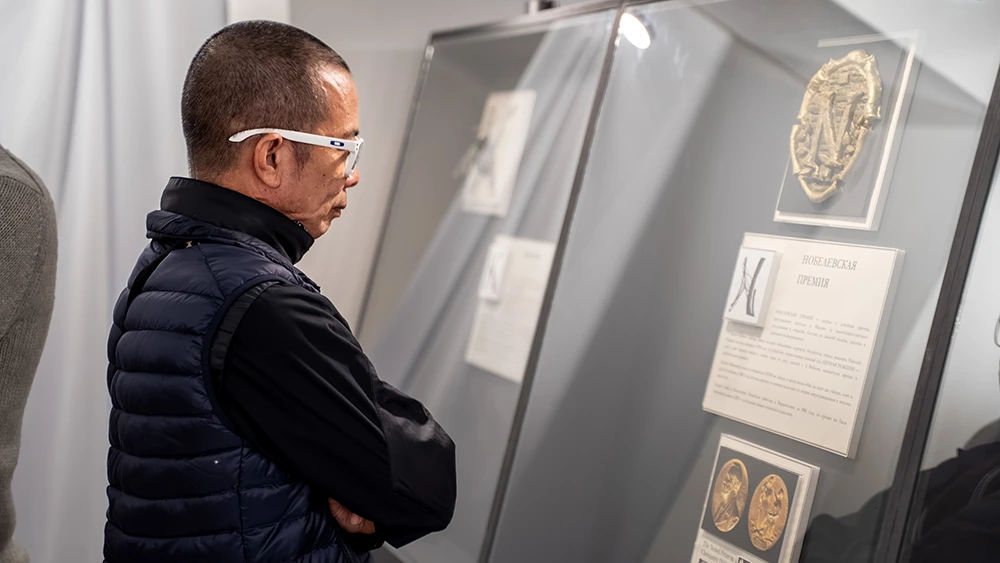
On 10 November, international participants in a creative laboratory arrived in Chernogolovka in the Moscow Region. The laboratory was organised by the National Centre RUSSIA with support from the ATOM Museum as part of the III International Symposium "Inventing the Future".
Multimedia artist Ofentse Letebele from South Africa, 3D projection mapping specialist Maryam Tariq from Saudi Arabia, conceptual artist UuDam Tran Nguyen from Vietnam, media artist Som Supaparinya from Thailand and XXLab co-founder Irene Agrivina from Indonesia travelled to Chernogolovka, the capital of science art, to see cutting-edge Russian work in the field at the final exposition of the "Halo" art residency.
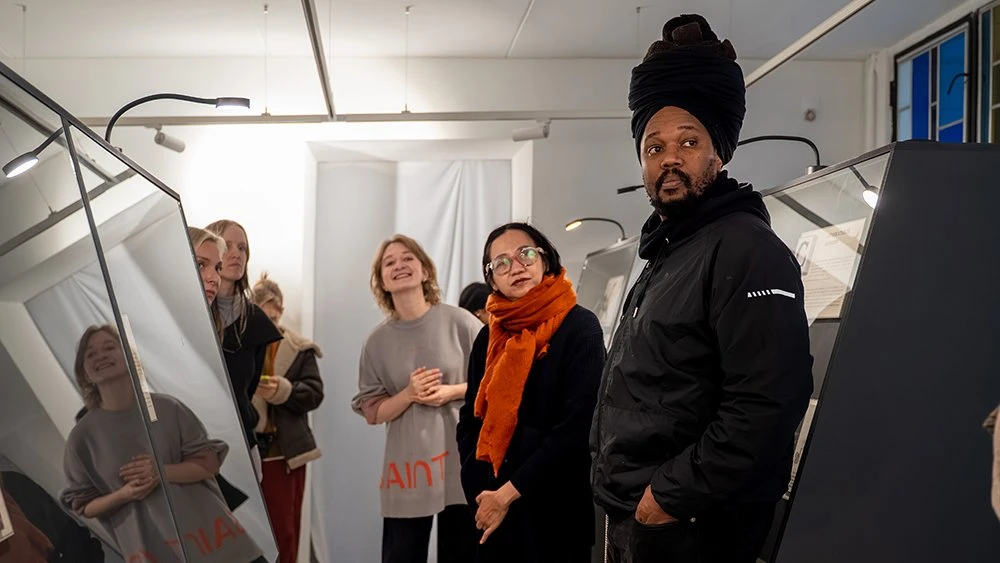
"Memory Capsule", the exposition of the "Halo" art residency organised by the autonomous non-profit organisation "Centre for Urban Development", features work by three artists — Valery Grikovsky, Sergei Poteryaev and Katya Isaeva — who spent the summer exploring Chernogolovka's cultural and scientific landscape. Their works are integrated into the townscape and are on display in the municipal administration building, the former register office and the orangery. "Memory Capsule" also includes two public artworks in a wooded area and three interdisciplinary projects (mini-expositions) by artists selected through an open call who worked at the residency under the curatorship of Alexander Dashevsky.
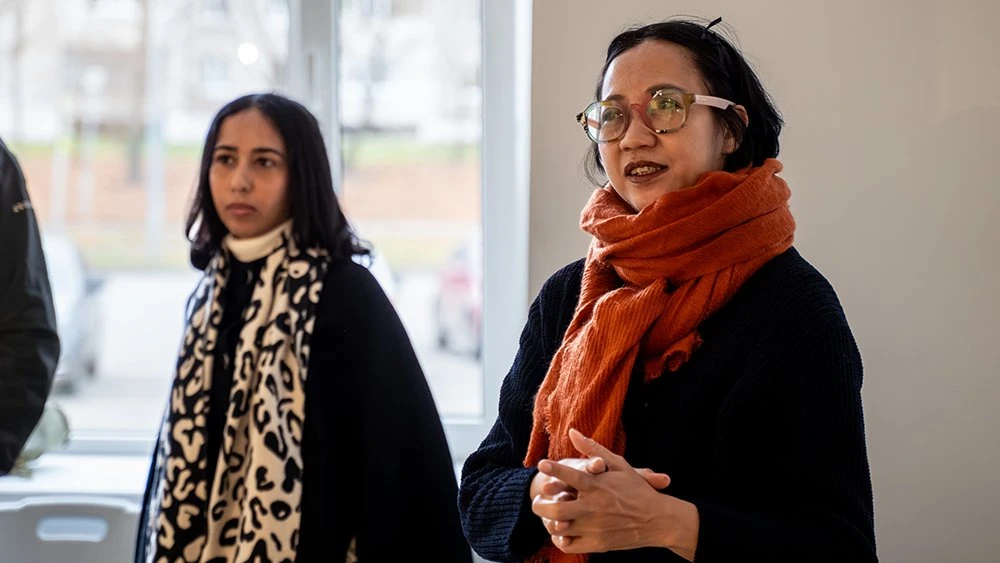
The international visitors viewed all the works and asked whether artists and scientists worked together. Such collaboration is an important part of the residency. As part of the "Art and Science" strand curated by Khristina Ots, for example, artist Anastasia Alekhina studied extreme states of matter and neurodegenerative diseases in laboratories at Chernogolovka's research institutes.
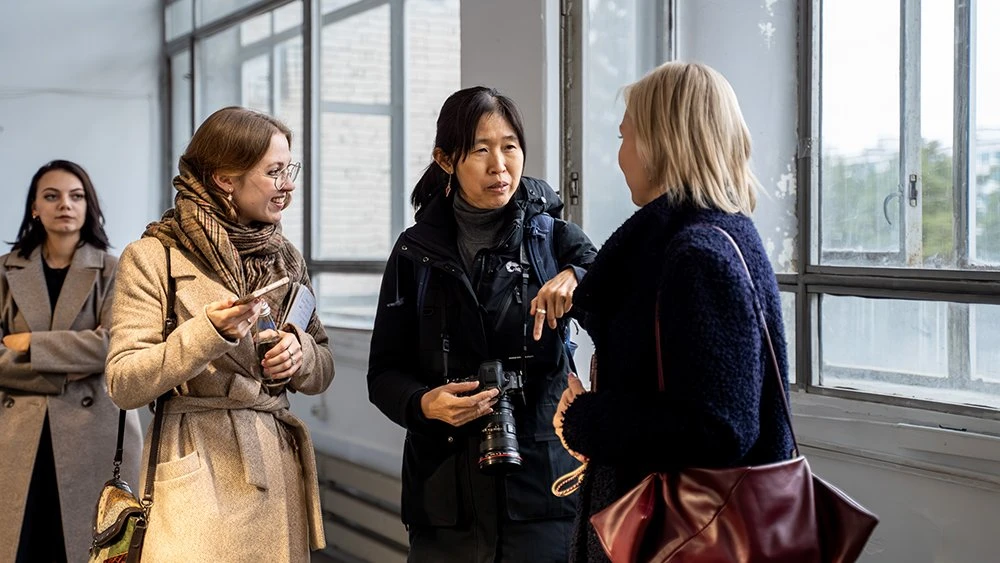
The international artists were particularly interested in "The Chernogolovka Alphabet", a project by Valery Grikovsky and Ivan Sapogov housed in the former register office. They praised the way the project brought language and place together: each letter of the invented alphabet became a starting point for exploring local legends, landmarks and even fictional stories.
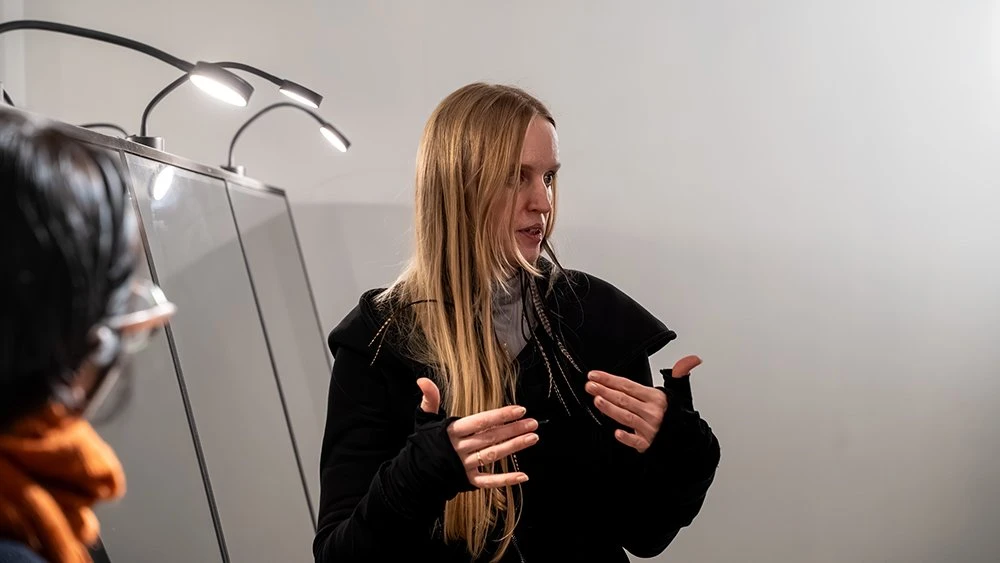
The visit concluded with a walk to the public artworks in the woods. The international artists saw "Chernogolovka Substance", a futuristic installation by Dmitry and Elena Kavarga — a metal skeleton made from real instruments, coated in places with polymers and polyurea on the outside, with recesses inside for birds. They also had a chance to see "Germination" by Dmitry Gretsky and Evgenia Katz — a dense field of dark synthetic grass through which living grass is gradually sprouting, with synthetic clouds suspended overhead.
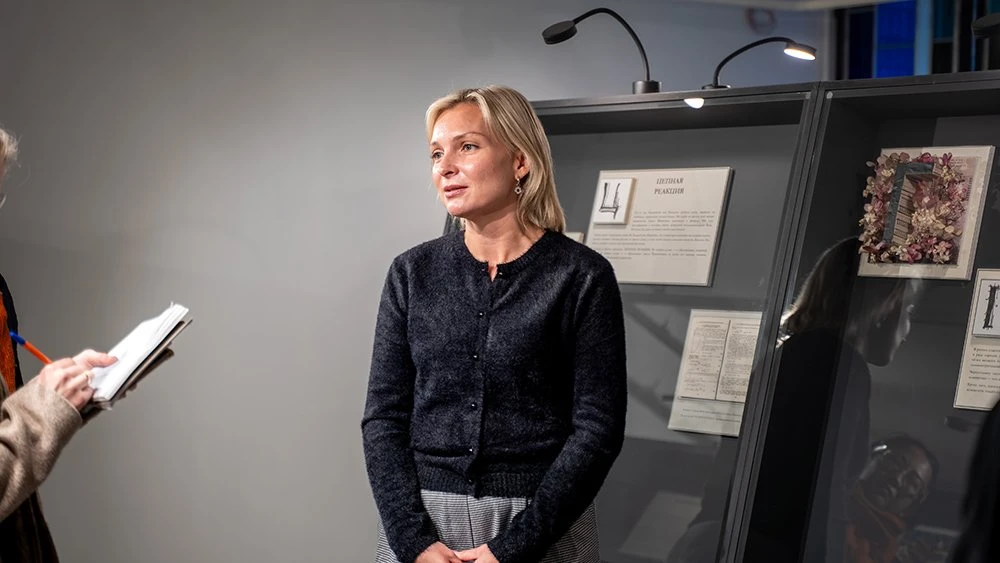
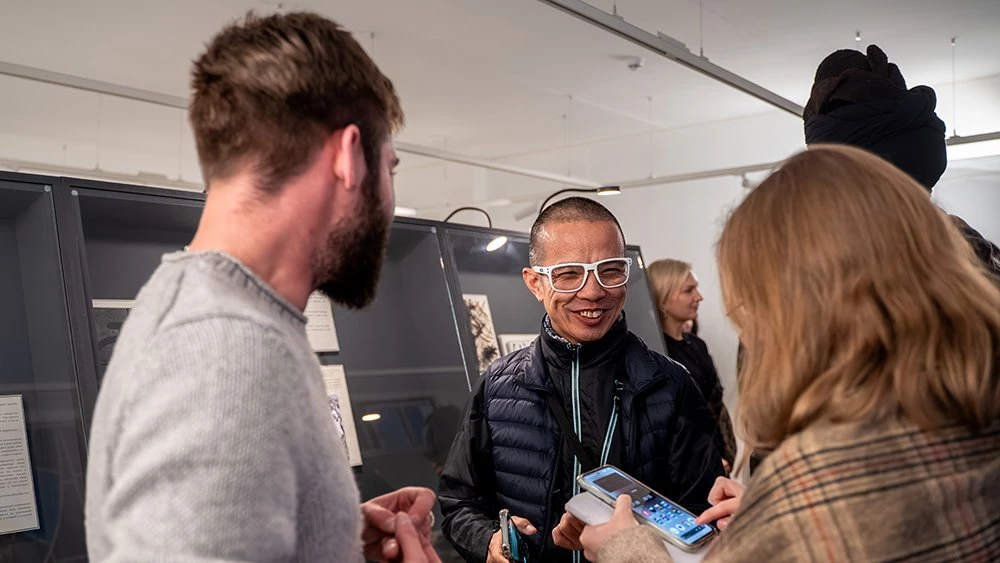
During their visit, the guests discovered Chernogolovka, a garden city envisaged by its founders as an ideal place to live, create and pursue science. The international artists also saw modern research laboratories, the results of collaboration between scientists and artists, ways of integrating artworks into the urban environment, and innovative technologies and materials used to create installations. The experience is inspiring them to create science art of their own and helping to develop international collaboration among artists, scientists and cultural institutions.
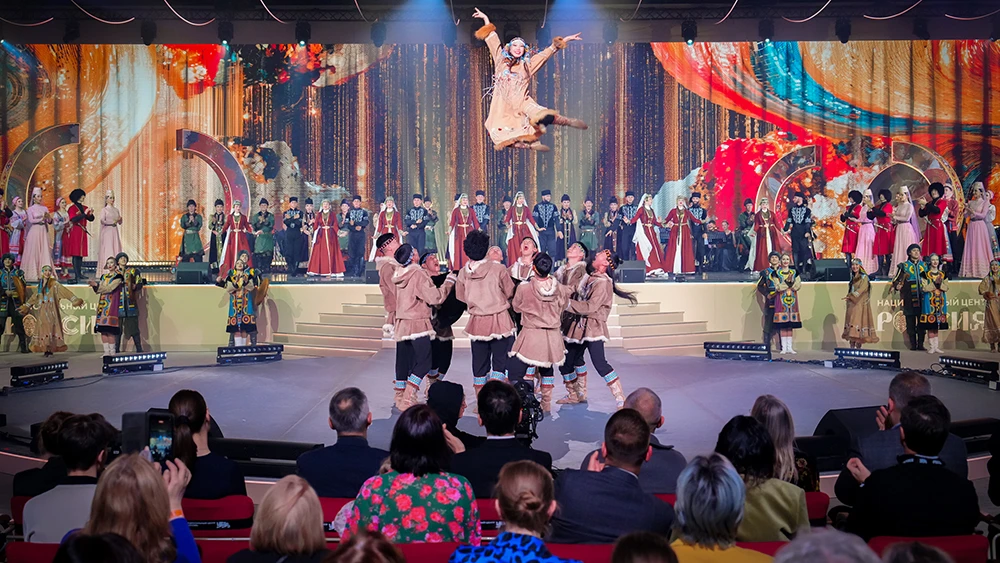
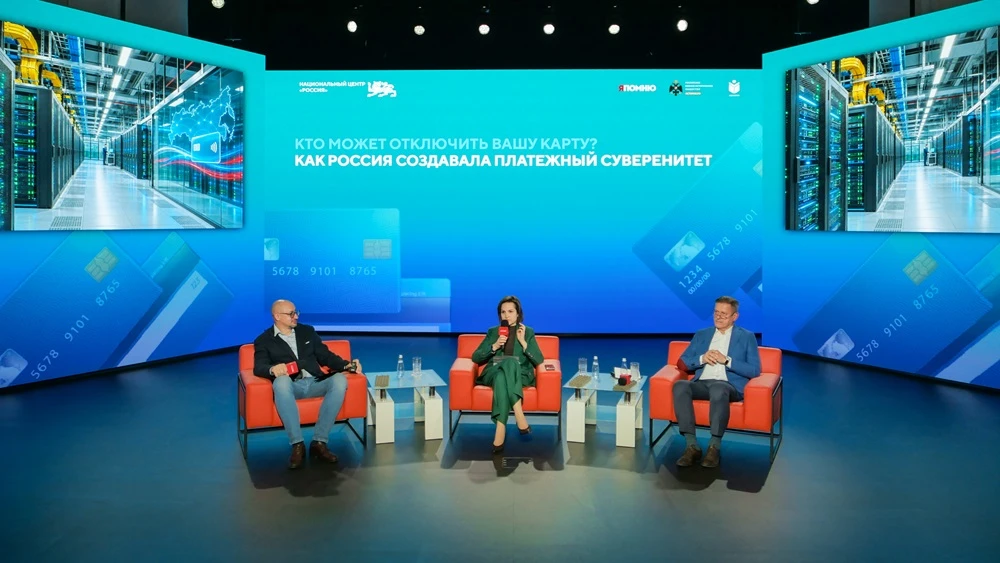
On 10 November at the National Centre RUSSIA at the Lecture Hall "Who Can Deactivate Your Bank Card? How Russia Built Its Payment Sovereignty".
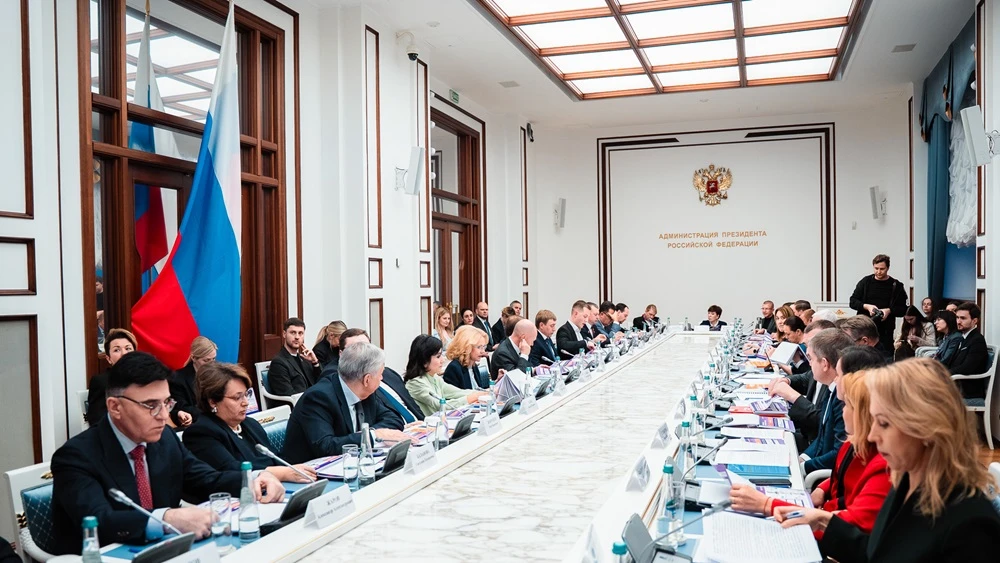
The award ceremony will take place from 2 to 5 December at the National Centre RUSSIA under the motto "Everyone can change the world around them".


