


The Victory Banner was strictly regulated: myths about raising the flag over the Reichstag debunked at the National Centre RUSSIA
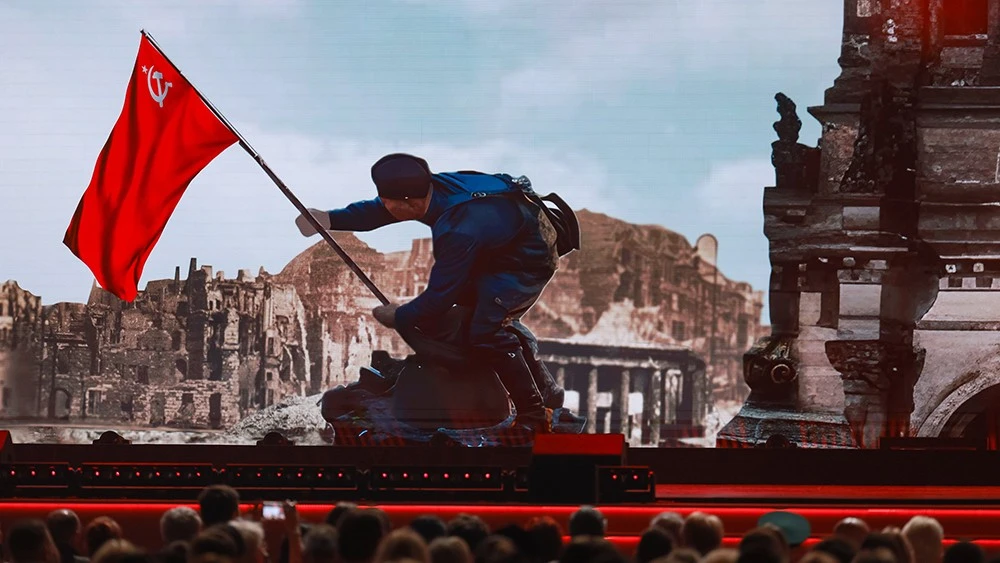
Many versions of the story of the Victory Banner being
raised over the Reichstag have become entrenched in public consciousness: from
a spontaneous feat by lone heroes to staged footage shot after the building had
already been taken. However, the important historical event did not happen
spontaneously, but in strict accordance with army documents, military historian
and member of the Academic Council of the Russian Military Historical Society
Alexei Isayev explained at the National Centre RUSSIA.
"The Victory Banner is an entity clearly regulated in
documents. Orders specified what it looked like. Each of the banners that our
fighters and commanders were to raise was assigned a number. In the specific
case of the Victory Banner, it was the banner of the Military Council of the
3rd Shock Army, number five. So this matter was approached very seriously at
the documentary level, and any speculation on this topic is pointless. There
was no amateur improvisation involving flags made at the last moment from some
pieces of red cloth at hand," Alexei Isayev assured.
The famous photograph by war correspondent Yevgeny Khaldei,
showing the red flag being raised over the Reichstag, deserves separate
attention. Many believe that it is a documentary photograph taken at the height
of the assault. In fact, according to Alexei Isayev, everything was completely
different.
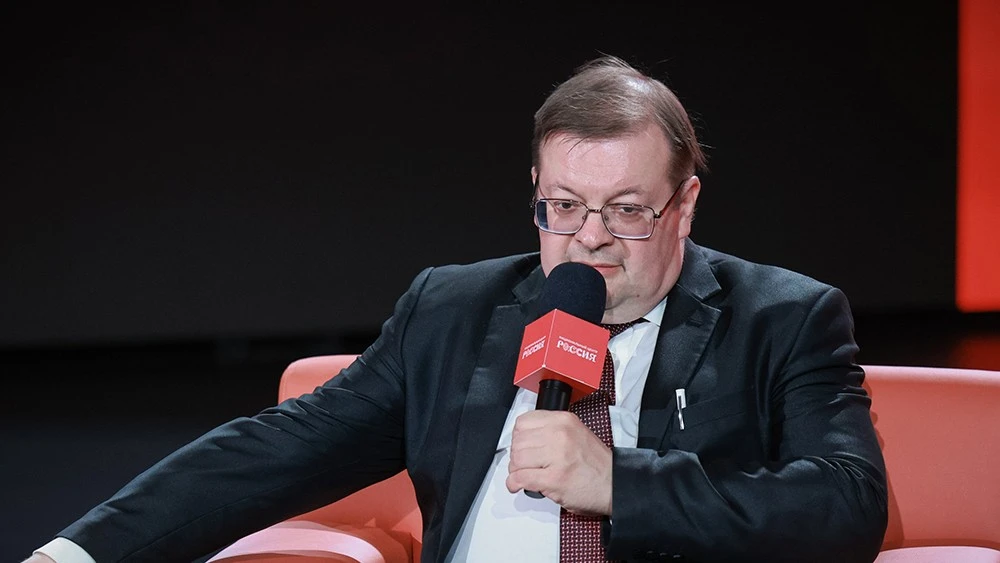
"Any action on the roof of the Reichstag immediately came under fire. Climbing onto the dome in the heat of battle was unrealistic. Everyone would have been killed straight away. Those very photographs were taken later. The real Victory Banner was raised on the so-called 'Germany in the Saddle' — a sculptural group on the roof. Later, when the fighting subsided, it was moved to the dome and replaced with a larger piece of cloth," the expert explained.
The historian stressed that the success of the operation was
made possible not by random lone individuals, but by clear organisation and the
personal qualities of specific people.
"In real life, in order to raise the Victory Banner,
organised will was needed, and Colonel Zinchenko had it, as well as a
super-professional — Sergeant Syanov, who cleared the way for the
standard-bearers. He was a very powerful man, a head taller than everyone else.
These are the people who went down in history, having found themselves in the
right place at the right time and used every chance. As for all the stories
about lone individuals who supposedly sneaked somewhere and ran somewhere
alone, that is all unscientific fantasy. War does not work like that,"
Alexei Isayev concluded.
A new cycle of historical meetings and lectures dedicated to
great events of our past began on 22 May at the National Centre RUSSIA with the
support of the Russian Military Historical Society, the "I Remember"
Foundation and the Presidential Foundation for Cultural Initiatives. Its main
goal is to speak about the country’s history in an accurate and engaging way,
awakening in listeners a sense of pride and belonging. Events in the cycle will
be held monthly.
The next meeting in the cycle will take place on 23 June. The
Open Lecture Hall "Myths and Truths of 22 June 1941" will debunk the
main myths about the first day of the Great Patriotic War using figures and
facts. The event can be visited free of charge with advance registration on the
russia.ru website in the "Events" section.

The All-Russian survey "What Does the Motherland Begin With?" shows how multifaceted, diverse and boundless the understanding of this word is.
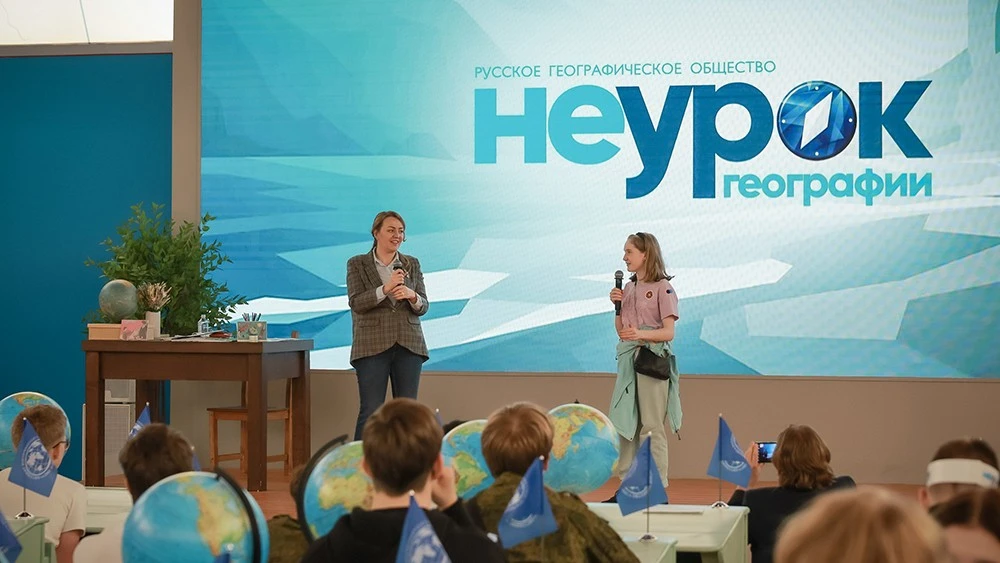
Young guests of the "Geography Lessons" exposition at the National Centre RUSSIA took part in the "Geography Not-Lesson" project by the Russian Geographical Society.
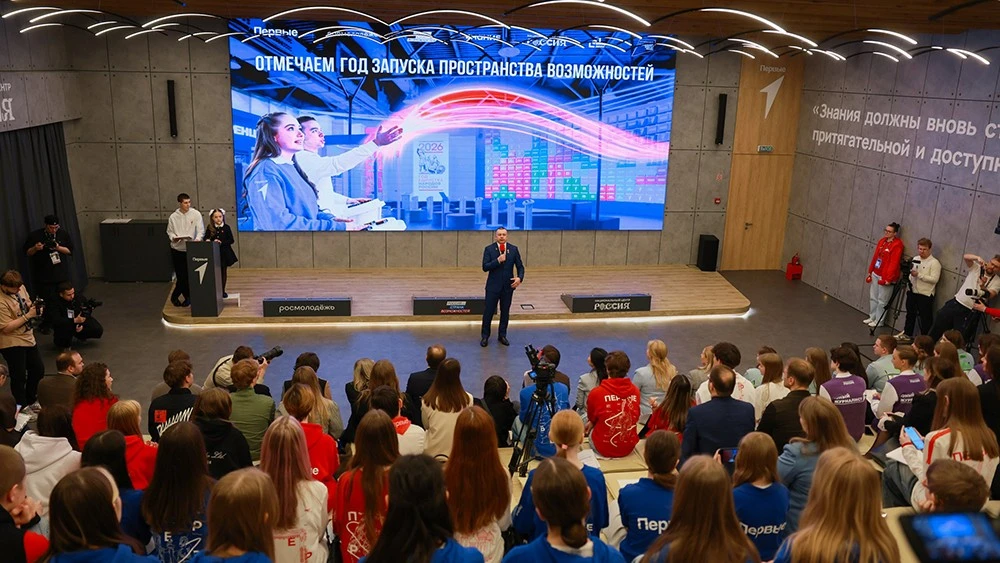
The Movement of the First has summed up a year of work by the "Space of Opportunities" cultural and educational platform at the National Centre RUSSIA.


