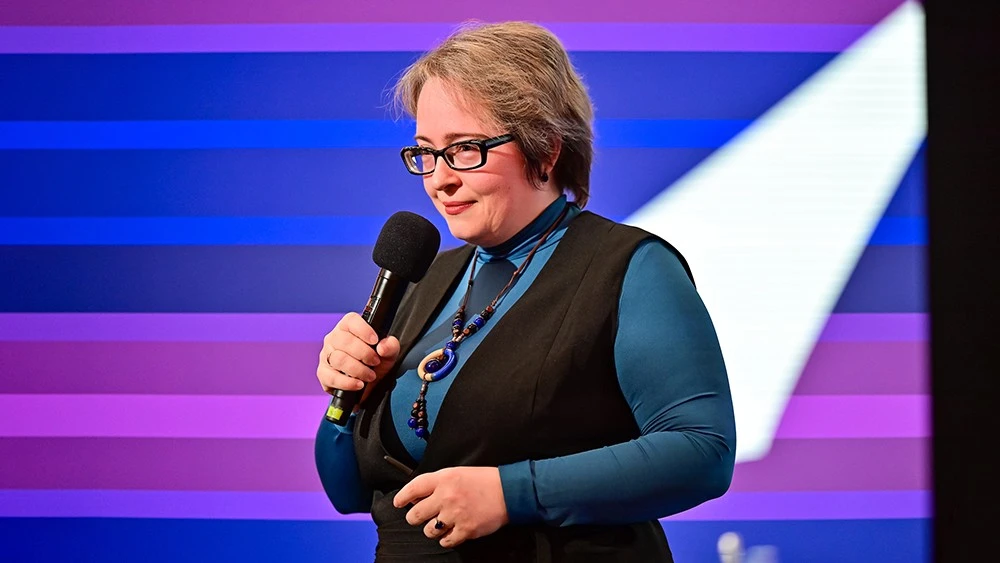
The richness of Lenten cuisine showcased at a culinary masterclass at the National Centre RUSSIA
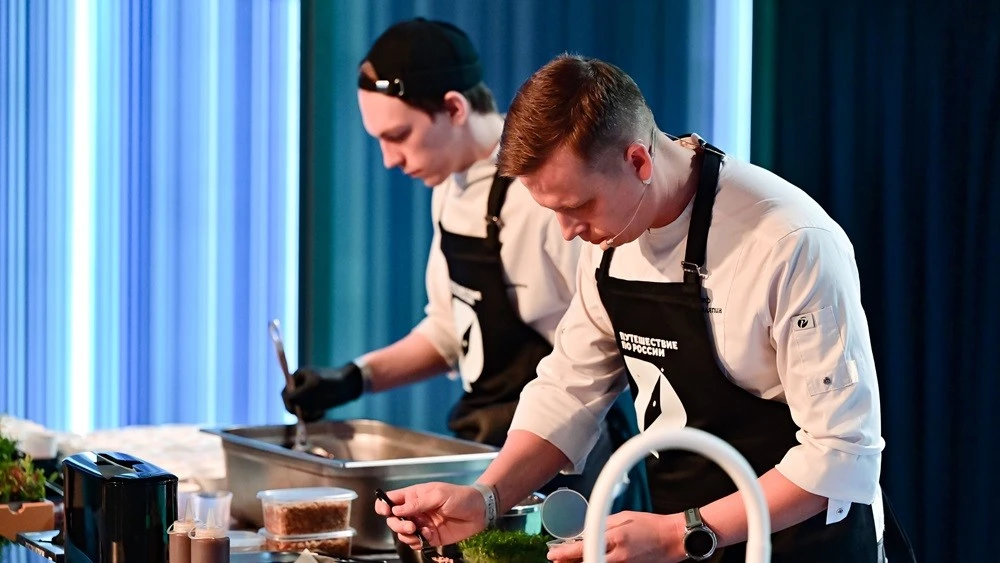
Fermentation is not a passing trend but a part of Russian tradition. Beetroot and turnip deserve "superfood" status no less than trendy chia seeds. And a Lenten dish can be prepared in such a way that no one will even think about meat. These ideas were shared with guests of the National Centre RUSSIA on 21 March during the masterclass "Code of the Land: Lenten Tradition as the Gastronomic Identity of the Region" held in the Gastronomic Rows.
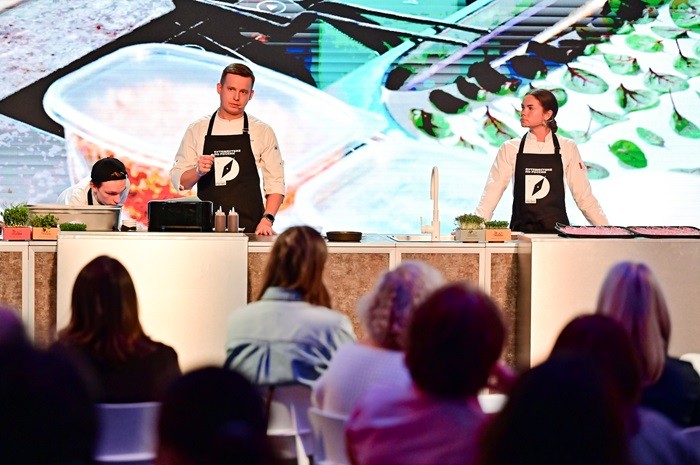
Head baker and brand chef of RIBS 48 Anna Shalyapina and chef-nutritionist and brand chef of RIBS 48 Dmitry Shalyapin demonstrated how traditional Russian techniques — fermenting, soaking, baking and slow cooking — form the foundation of modern plant-based cuisine. Participants saw that fasting can be viewed not as a strict limitation, but as an opportunity to rethink familiar ingredients and unlock their full flavour.
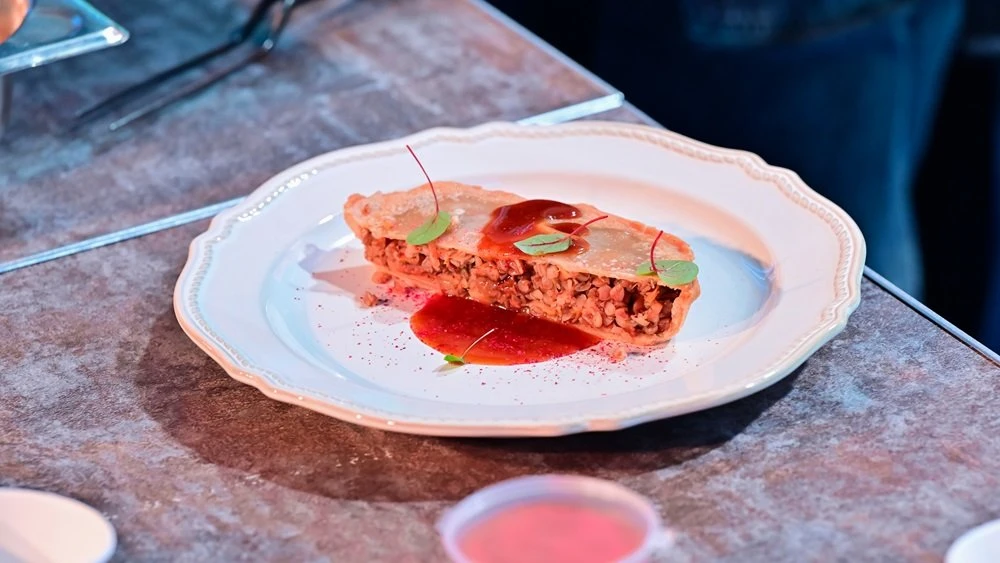
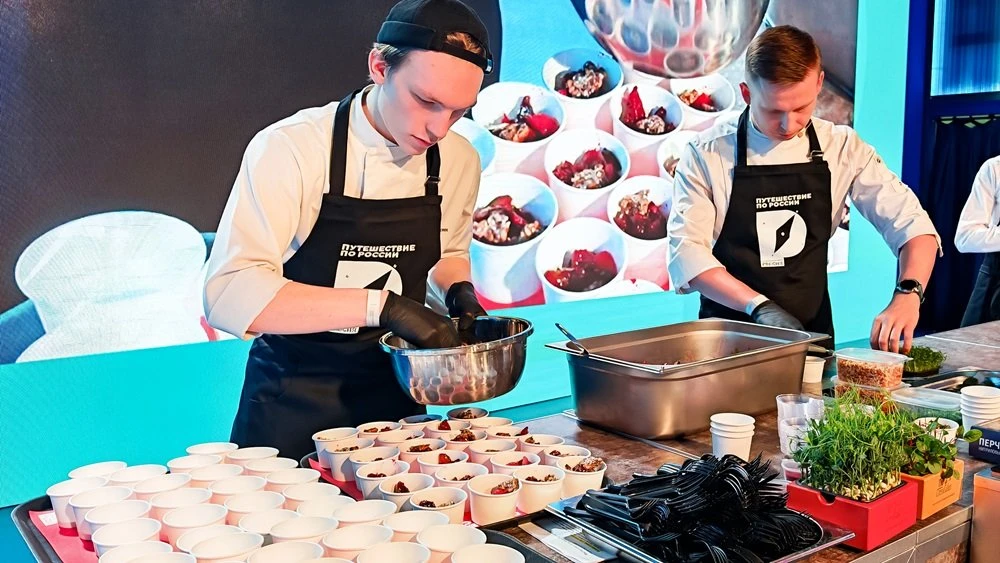
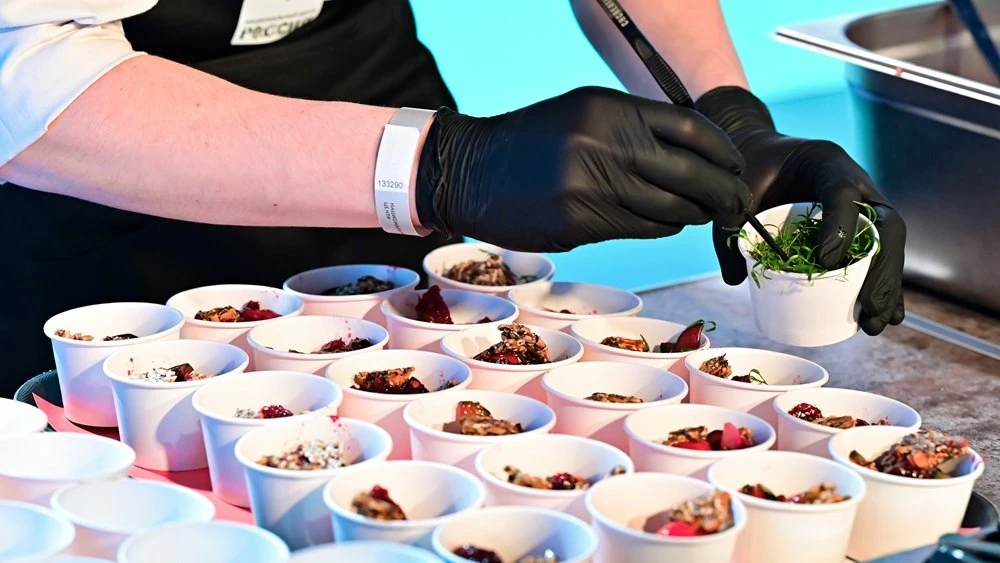
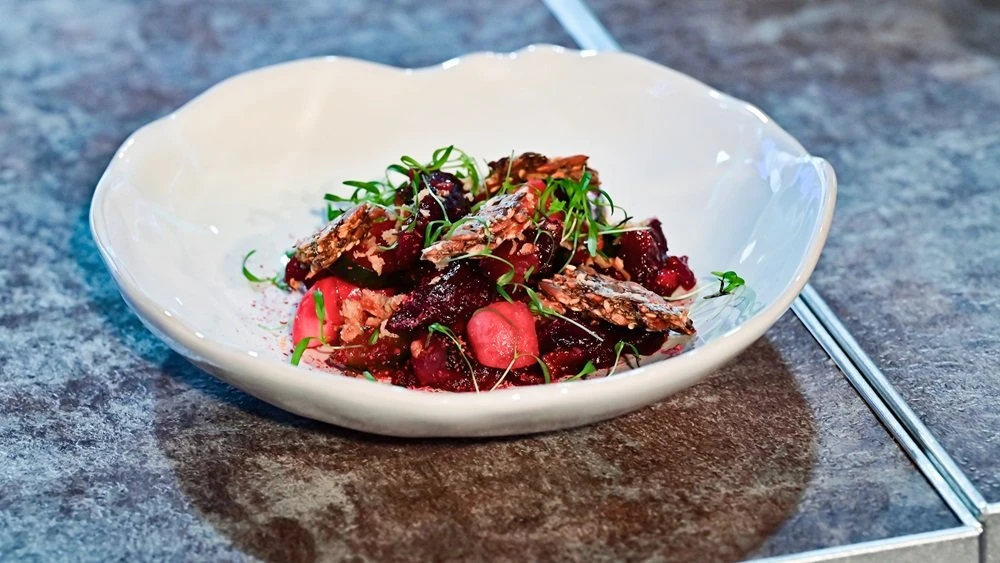
Four dishes were prepared for the participants: a salad of roasted beetroot with compressed cucumber and radish, buckwheat with porcini mushrooms, slow-cooked turnip with root vegetables, and carrot gingerbread with nuts.
Anna Shalyapina spoke in detail about fermentation and the benefits of root vegetables. She explained that many "new" techniques are in fact well known in Russian cuisine. Guests learned the difference between fermenting and soaking, why artisanal sourdough bread can be considered a fermented product, and the role such foods play in maintaining a healthy microbiome.
"Today fermentation is often presented as something new and associated with haute cuisine, but in reality these are our oldest, traditional methods widely used by our grandparents. Fermenting, soaking, natural sourdough starters for bread — all of these are forms of fermentation. We are used to thinking of them as ordinary sauerkraut or soaked apples, but in terms of their benefits, fermented foods offer far more than fresh ones," Anna Shalyapina explained.
Among the vegetables on the menu, the experts highlighted beetroot and turnip, showing how roasting and proper marinating transform their flavour and texture. Familiar ingredients become the foundation of a modern Lenten menu. Dmitry Shalyapin also emphasised the important role of mushrooms and buckwheat in Lenten cooking. Guests learned how buckwheat differs from other grains, why it is considered one of the most protein-rich plant-based products, and how it can be used to create dishes that are both hearty and light.
"Buckwheat and mushrooms are an example of how simple Russian products can function as modern superfoods. Buckwheat provides protein and sustained energy, while mushrooms deliver a rich umami flavour and a ‘meaty’ texture, all while remaining within a Lenten diet," Dmitry Shalyapin noted.
In an interactive format, participants asked questions about fermentation techniques, roasting root vegetables, and selecting Lenten dishes for both children and adults. The chefs explained in detail how to recreate restaurant techniques at home — for example, how to roast beetroot to preserve its colour and sweetness, and how to use turnip not only in hot dishes but also in salads and marinades.
Participant Eva Karbysheva said she had come специально to the masterclass to find culinary inspiration during the fasting period: "An interesting masterclass with many good recipes. I especially liked the pie, and I also appreciated the thick mushroom sauce — I will definitely try to cook it at home."
The masterclass "Code of the Land: Lenten Tradition as the Gastronomic Identity of the Region" became part of the programme of the National Centre RUSSIA dedicated to the development of modern Russian gastronomy. The chefs demonstrated that the richness of Lenten cuisine is not a compromise, but an opportunity to reveal the character of a region through flavour and respect for ingredients.
Event photobank

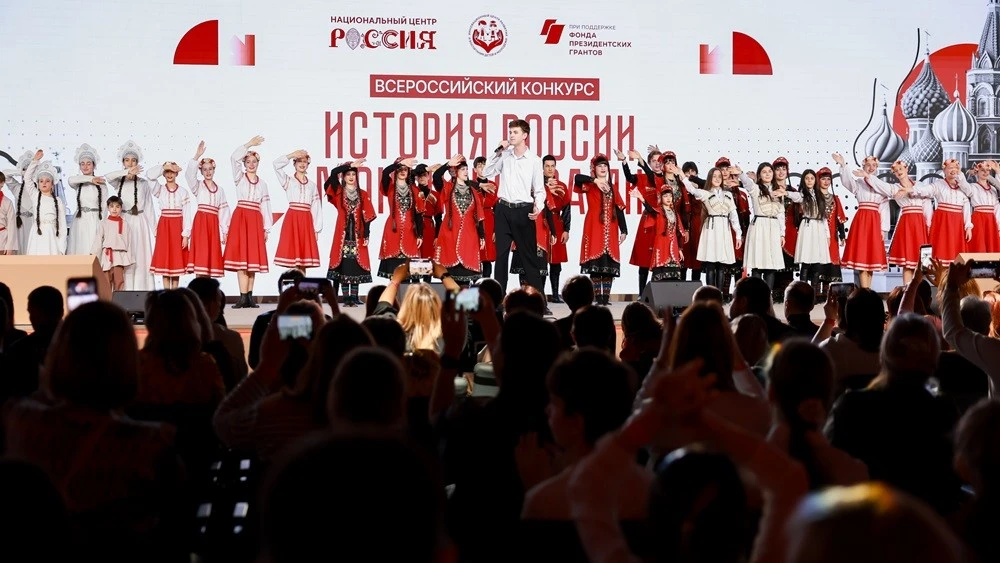
The award ceremony for the winners of the All-Russian contest "History of Russia Through My Eyes" was held on 21 March at the National Centre RUSSIA.