


"The future is our shared endeavour": Konstantin Ernst speaks at the III International Symposium "Inventing the Future"
How is society
changing in the 21st century, how are audiences and creators changing in the
age of AI, and why is it important for people to stay courageous and take the
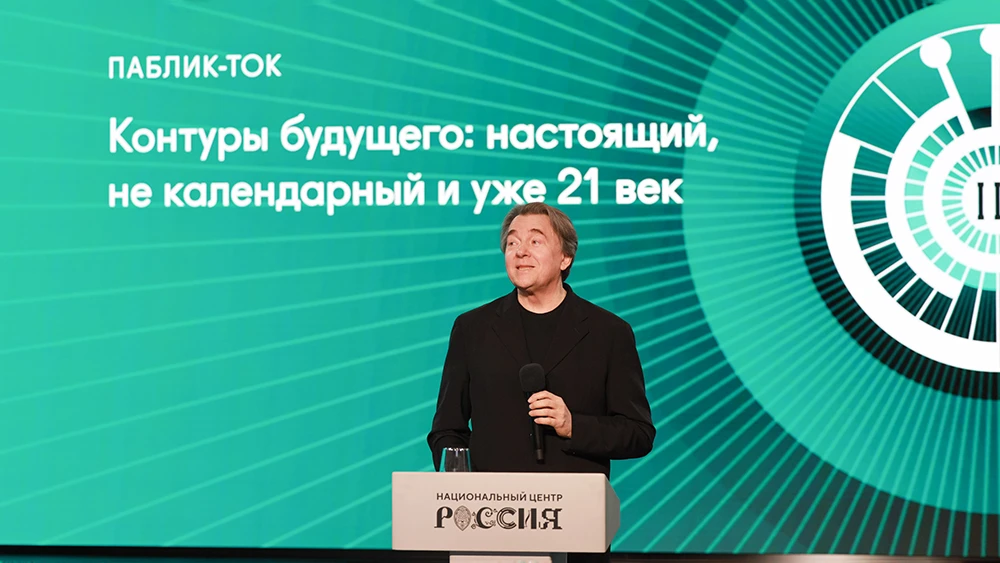
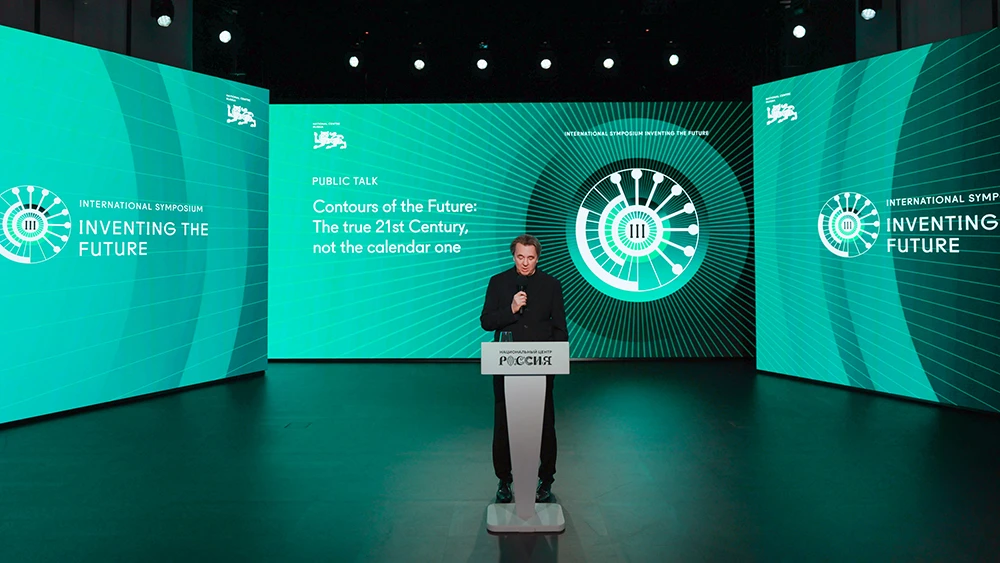
initiative? The Director General of Channel One JSC, Konstantin Ernst, explored these and other questions at the III International Symposium "Inventing the Future". The talk was held on 13 November as part of the "Human
and Values" track. The Symposium is being held on 12–13 November at the
National Centre RUSSIA with the support of the Russian Ministry of Foreign
Affairs, the Ministry of Science and Higher Education and the Ministry of
Culture.
The talk with the Director General of Channel One JSC was titled "
Contours of the Future: The True 21st Century, Not the Calendar One". At
the start of his talk, Konstantin Ernst pointed out that it is often artists
and writers who predict the future most accurately. Science fiction writers
have a particularly keen intuition. It is no coincidence that telephone calls
and aeroplane flights already feature in the works of Jules Verne.
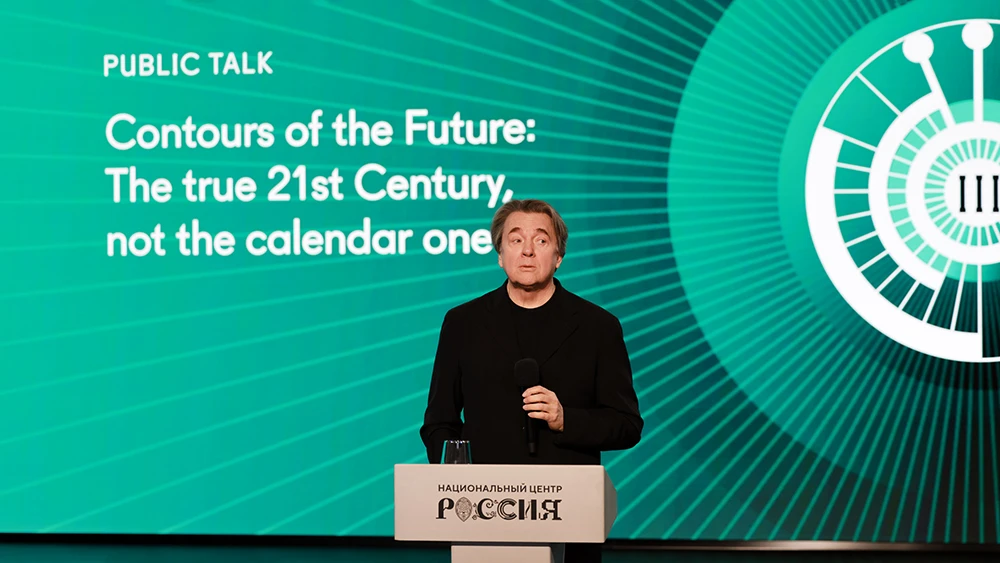
"We're seeing a surge of interest in the Strugatsky brothers' books. But I'd like to point out what makes them unique as science fiction writers. Their novels are about our relationship with the future, not the future itself. Take 'Roadside Picnic', for example. What's the book about? It's about the tragic difference between what we consciously want and what we want deep down. A man goes into the Zone to ask for his sick child to get well and comes away with a lot of money and a promotion. What's that got to do with the future? It's quite simple. The future is our true desires made real. That's precisely why we're so eager to know what the future holds. We want to find out who we really are," said Konstantin Ernst.
Konstantin Ernst went on to discuss artificial intelligence, in which humanity
places its greatest hopes for the 21st century. He stressed that AI, by
definition, can know nothing about the future, since everything neural networks
draw on for their analysis comes from the past.
"By the end of this year, one in five people on the planet will be using
artificial intelligence. Imagine older people talking to a pleasant, soothing
AI voice instead of their grandchildren and friends. Young people prefer it
too. Living with another person can be painful and difficult, whereas this is
all pleasure and comfort. This is the religion of the modern West: avoid trauma
at all costs, both as individuals and as a society. But the refusal to take
risks or speak to anyone but oneself is destroying the West's illusory
greatness before our very eyes," emphasised Konstantin Ernst.
He said the most important thing as the future draws closer is to avoid the
trap of comfort and hold on to our ability to tell the truth about ourselves.
"So what should we do? Be different. We mustn't give in to laziness or be
afraid of pain. We must keep trying to understand ourselves, however hard and
painful that may be. Above all, we must remember that the future is our shared
endeavour, and no one will do it for us," concluded Konstantin Ernst.
The III International Symposium "Inventing the Future" is being held
on 12–13 November at the National Centre RUSSIA and brings together more than
8,000 participants from 109 countries. The event is organised at the direction
of the President of the Russian Federation, Vladimir Putin, under the auspices
of the Decade of Science and Technology, with the support of the Russian
Ministry of Foreign Affairs and the Ministry of Science and Higher Education.
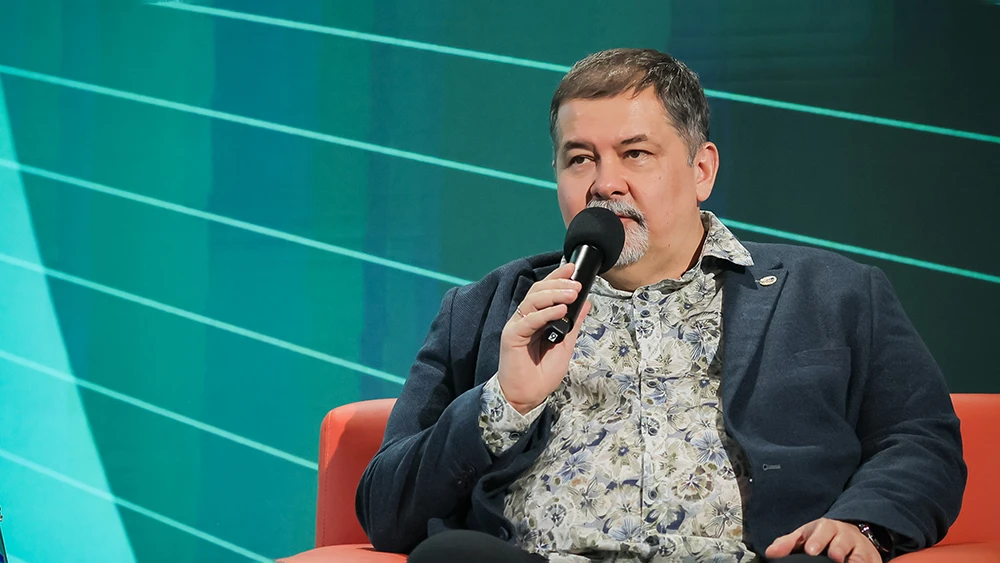
The ceremony for the II All-Russian Science Fiction Literary Award will take place on 13 November at the National Centre RUSSIA as part of the III International Symposium "Inventing the Future".
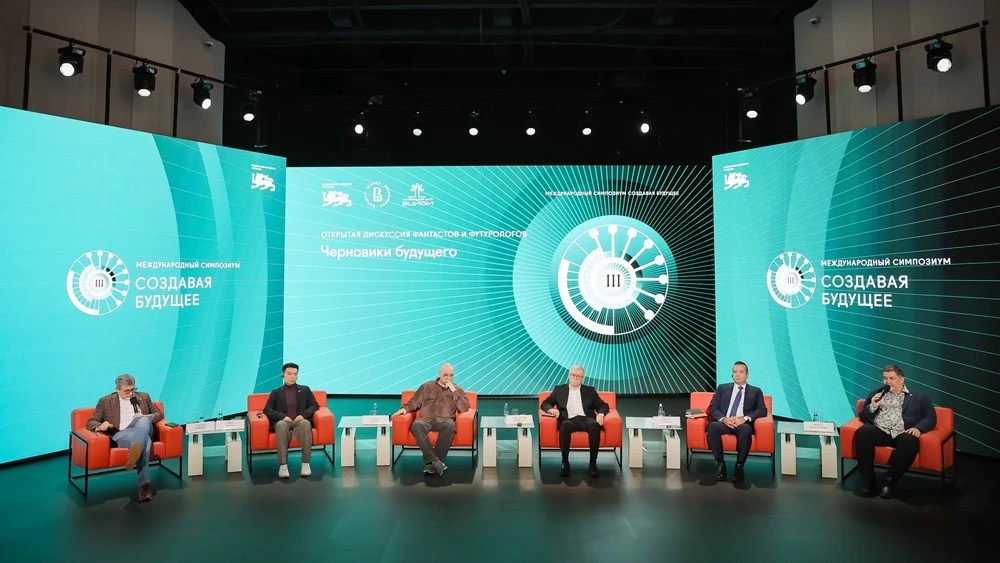
The event was held on 13 November as part of the "Human and Values" track of the III International Symposium "Inventing the Future".
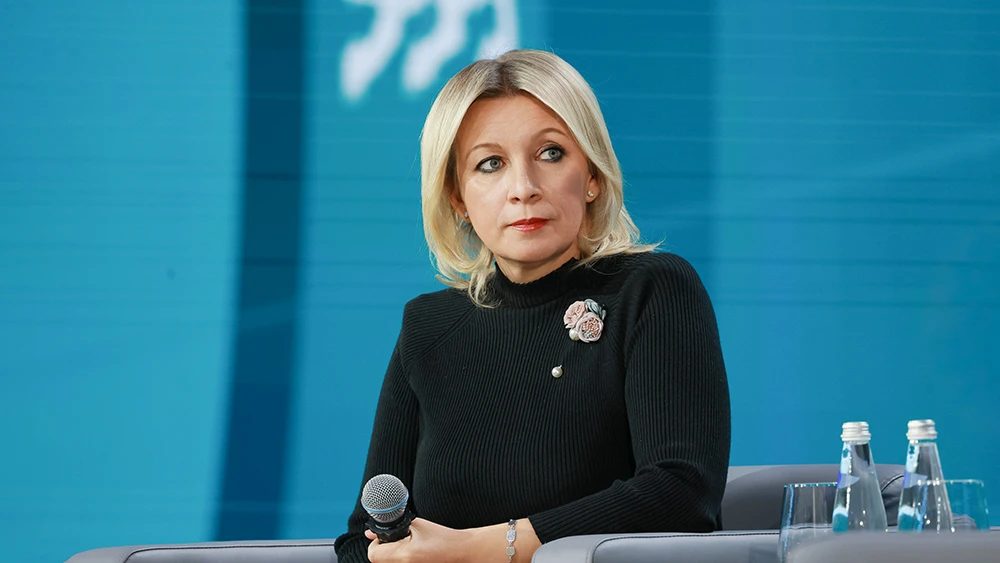
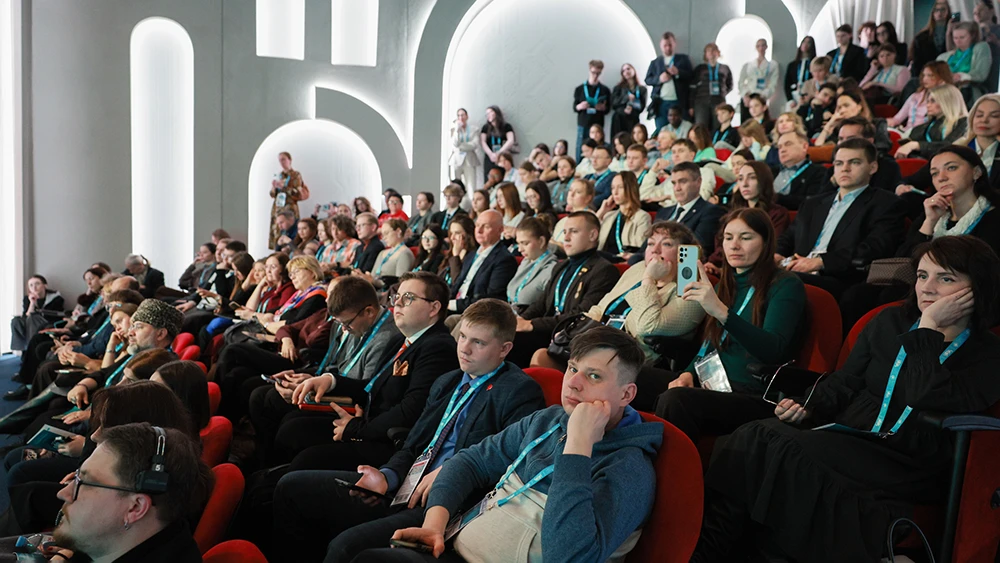
School pupils, university students and young professionals learnt what knowledge and personal qualities help people cope with rapid change and received practical advice.


