


Four people on an ice floe and a dog named Vesely: inside the "polar camp" at the exposition "Geography Lessons"
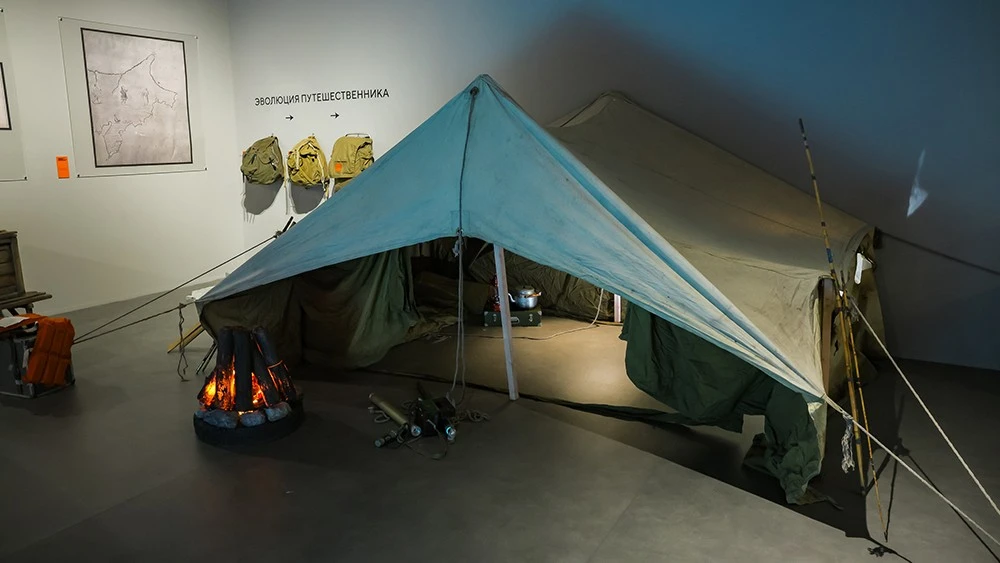
Imagine yourself on an ice floe in the middle of the ocean,
at a temperature of –30°C. At the exposition "Geography Lessons" at
the National Centre RUSSIA, visitors can step into the camp of the world’s
first drifting station, "North Pole-1". You can enter a tent,
"warm up" by a campfire, examine expedition gear, and imagine
yourself as part of one of the boldest expeditions of the 20th century.
The section dedicated to the journey of Soviet Arctic
explorer Ivan Papanin is located in the second hall of the exposition
"Geography Lessons" — "Courage. Expeditions, Discoveries".
Here, the routes of Russian pioneers and navigators come to life. Visitors can
trace the paths of famous explorers who ventured where no human had set foot
before.
The idea of creating a drifting scientific station was
presented at the Kremlin by Soviet polar explorer and Hero of the Soviet Union
Otto Schmidt. He chose to rely on the survival experience of the crew of the
sunken steamship "Chelyuskin". At that time, the people — including
Schmidt himself — spent three months on an ice floe, but were eventually
rescued and returned home safely.
The station "North Pole-1" became the world’s
first drifting research station. Expedition leader Ivan Papanin, meteorologist
and geophysicist Yevgeny Fedorov, radio operator Ernst Krenkel, and
hydrobiologist and oceanographer Pyotr Shirshov spent almost nine months on the
ice floe at temperatures as low as –30°C.
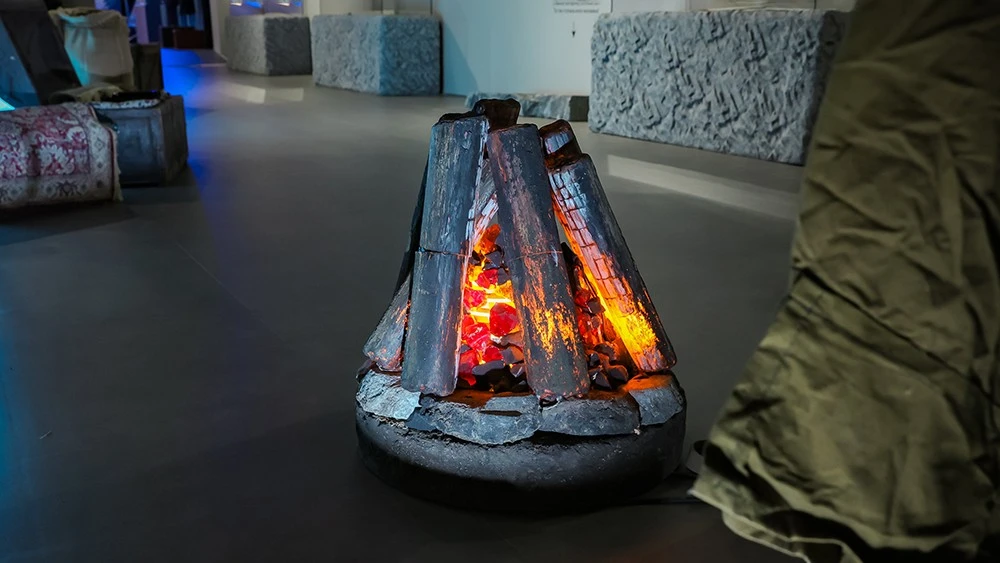
Initially, the drift was expected to last one and a half
years, but reality proved harsher than the calculations. The ice floe carrying
the station drifted from the pole towards Greenland. In the Greenland Sea, it
began to melt rapidly, then was caught in a storm and broke apart — according
to recollections, at one point the stable ice area shrank to about 200 metres.
Despite this, every six hours the polar explorers continued to conduct
observations and transmit data: for oceanography and cartography, these were
unique insights into ice movement, currents, and the climatic conditions of the
Arctic.
To avoid freezing and losing communication, the winterers
used a dynamo machine — one of the exhibits near the tent recreates this "manual
power station". It had to be operated at around 47 revolutions per minute:
this is how they charged batteries and ensured the radio station kept working.
In fact, as guides note, life on the ice floe was closer to a space expedition.
It meant a strict routine, constant observations, limited resources, and
complete isolation. It is no coincidence that later it was said polar explorers
were trained almost the same way future cosmonauts would be.
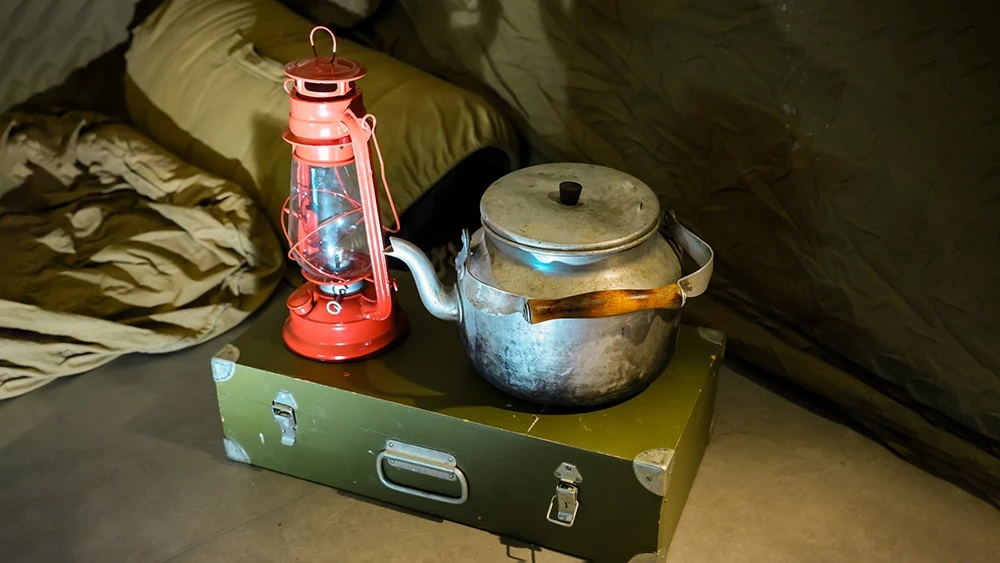
A special figure in this story is the fifth member of the
expedition — a dog named Vesely (Funny), given to the team by the winterers of
Rudolf Island so that life on the ice floe would not be too monotonous. Ivan
Papanin wrote that the dog served faithfully: it alerted them to approaching
polar bears, kept night watch, and woke people with loud barking in case of
danger. But it could also get into mischief. In their memoirs, the polar
explorers recalled how Vesely would pull out a piglet and large pieces of meat
from the expedition’s "refrigerator", for which it was put on a leash
and a "diet".
The "North Pole-1" expedition was not about
setting records. It produced scientific data that made it possible to look at
the Arctic in a new way, continue the development of the Northern Sea Route,
better understand the planet’s "climate system", and reinforce the
USSR’s leadership in exploring this region. At the same time, it became an
example of human courage: four scientists and one dog spent 274 days on an ice
floe, drifting from the pole to the shores of Greenland, until in February 1938
they were rescued by the icebreaking steamships "Taymyr" and
"Murman". In memory of this and subsequent polar expeditions, Russia
established a professional holiday — Polar Explorer’s Day.
The exposition "Geography Lessons" is an educational
project of the National Centre RUSSIA, created for children and their parents.
It features maps from different eras, expedition finds, multimedia
installations, and objects such as a polar tent — all of which help visitors
see geography in a new light, as the story of people who dared to step into the
unknown.

As part of the latest stage of the expert selection, 18 new companies from various sectors received the status of national champions.
The educational video project "8 Steps Across the Map of Russia" continues its journey through the pages of history.
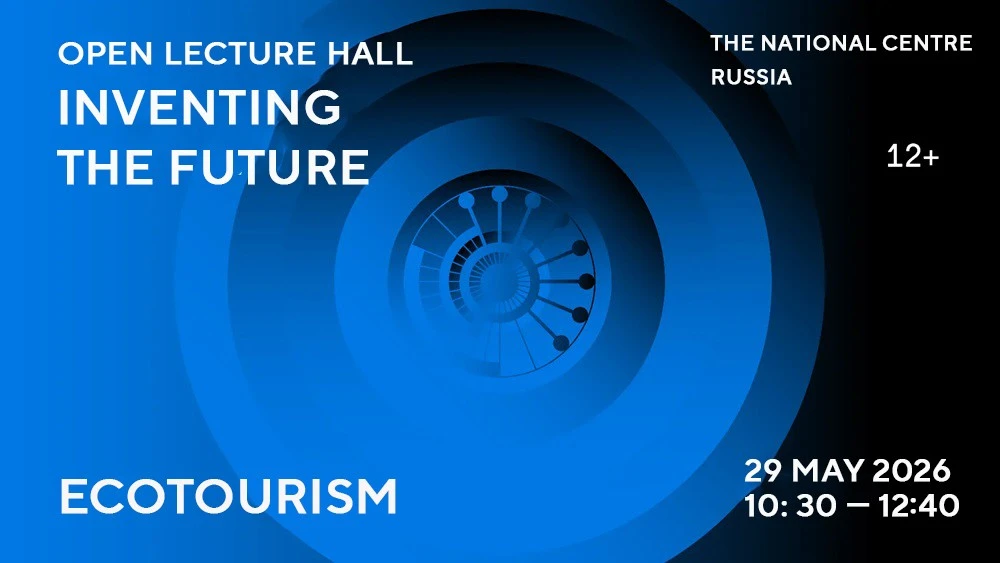
The Open Lecture Hall "Inventing the Future: Ecotourism", an original project of the National Centre RUSSIA, will be held for the first time at the National Centre RUSSIA in Primorye on Friday, 29 May.


