


What statistics tell us about our beliefs: a new episode of "The Nature of Values" podcast is out
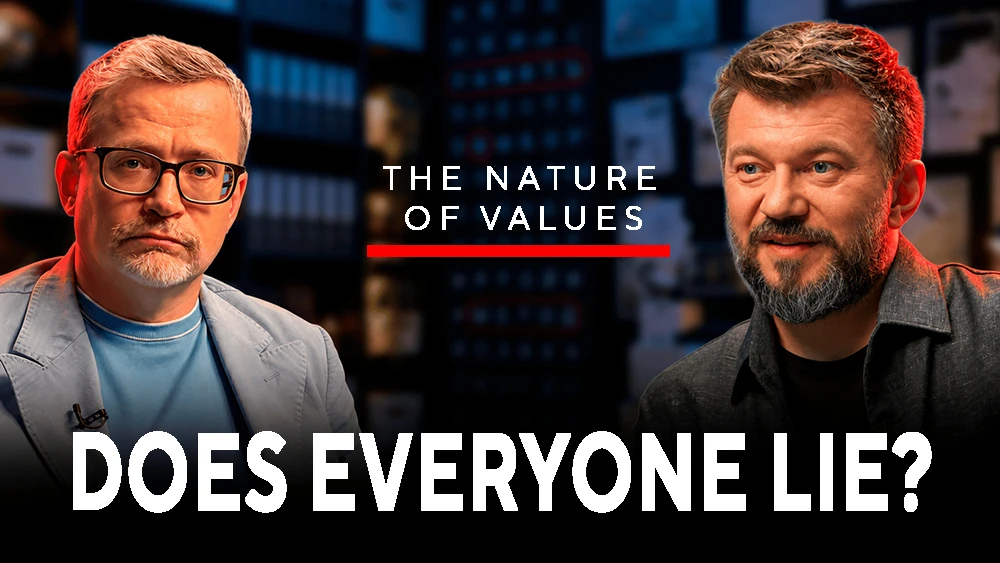
Can a person's worldview be measured through statistics? Why do we call family our most important value, yet sometimes act differently in everyday life? And what really lies behind people's responses to sociological surveys? The host, Alexei Slushchev, and the Director General of the VCIOM Analytical Centre, Valery Fedorov, discuss these and other questions in the new episode of the research podcast project "The Nature of Values".
The conversation focuses on people's values today and how they change as society changes. The host and guest explore what statistics can tell us about Russians' views on family, freedom, justice, success and responsibility, and where the numbers end and the nuances of human behaviour begin.
Particular attention is paid to differences between generations. Are young people really losing their values, or do they simply understand them differently? Which attitudes unite people of different ages, and which change over time and in response to social change? And can research findings reveal what a person really thinks, rather than what they are willing to tell a sociologist?
"The Nature of Values" is a series of podcast interviews about how human and cultural values are formed, changed and defended. The project combines expert discussion with first-person stand-up storytelling. The host asks uncomfortable and naive questions, inviting viewers to join the search for answers.The project aims to encourage independent critical thinking rather than offer ready-made moral lessons.
Watch the new episode of the podcast on the MAX, Telegram and VK channels of the National Centre RUSSIA.
"The Nature of Values" podcast is produced with support from the National Centre RUSSIA and the Internet Development Institute (IRI).
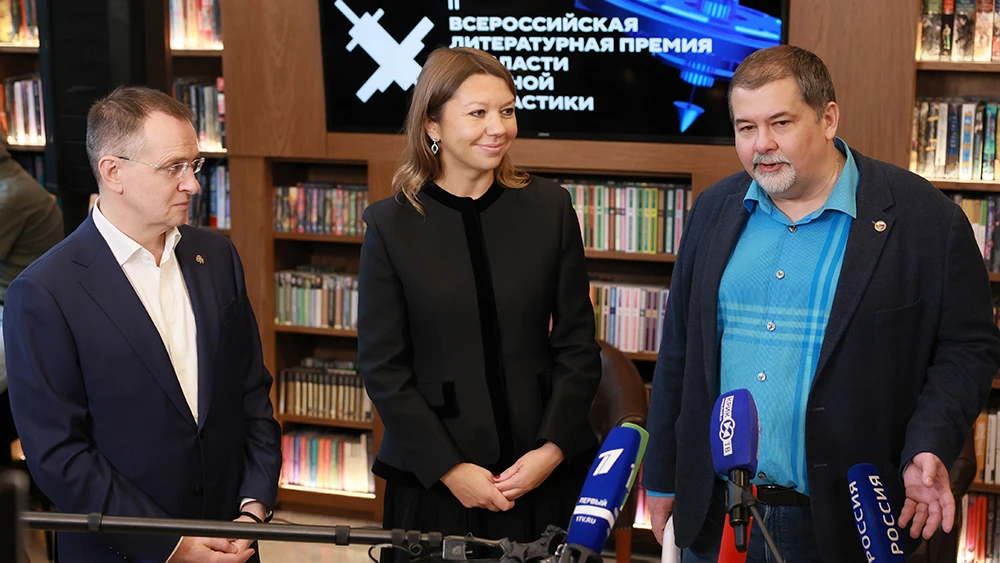
Thirty-nine literary works published in 2025 have been included in the longlist for "Fiction", the main category of the II All-Russian Science Fiction Literary Award.
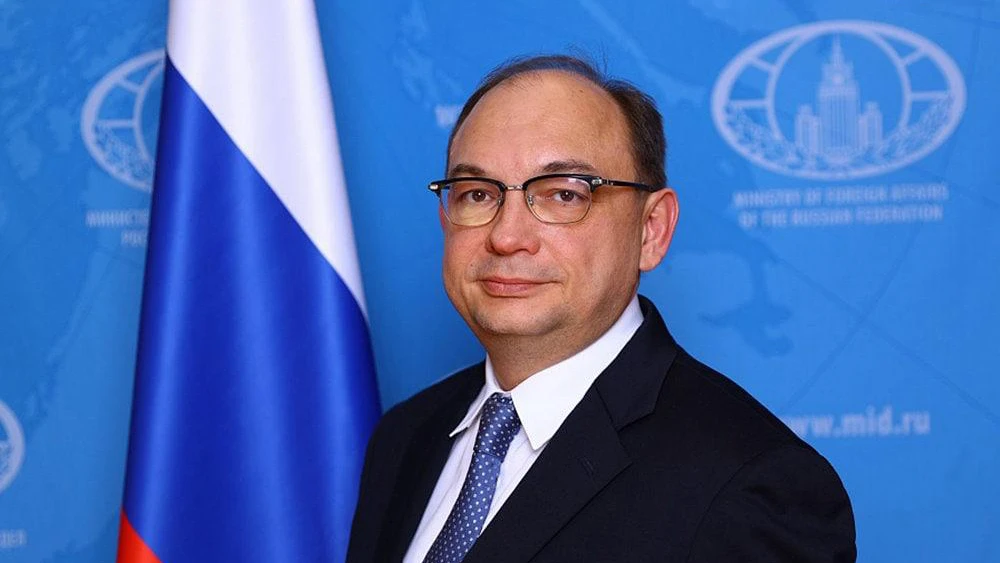
The Director of the Department of Economic Cooperation at the Ministry of Foreign Affairs of the Russian Federation, Dmitry Birichevsky, shared his impressions.


