


Russia’s heritage: the Bolshoi Theatre marks its 250th anniversary
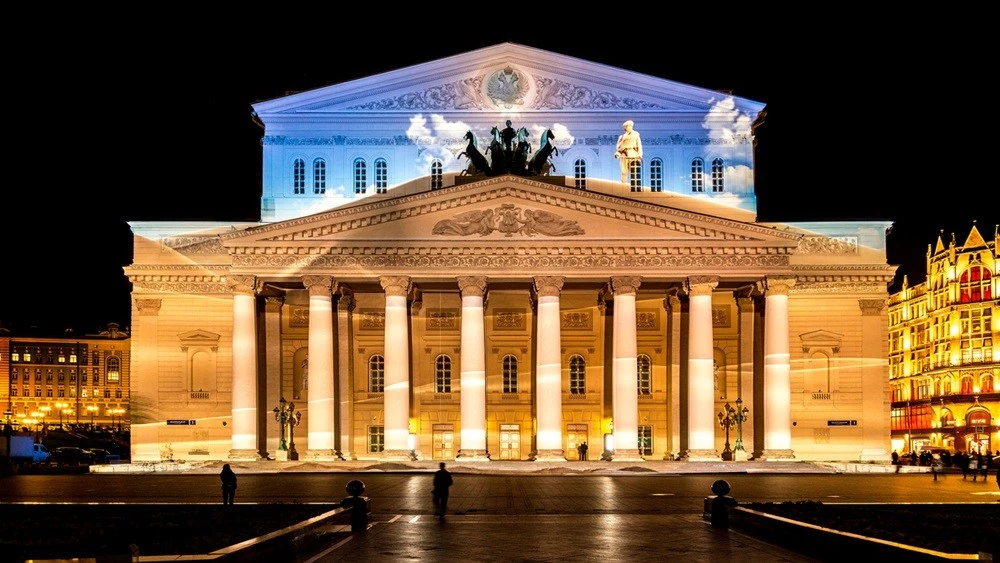
The Bolshoi Theatre embodies the history of Russia — its pride, a spiritual reference point, and an integral part of its cultural code. Its stage has hosted premieres of works by Tchaikovsky, Rachmaninoff, and Prokofiev, and has been home to great performers, ballerinas, and conductors whose names are forever inscribed in the golden fund of world culture. But how did the Bolshoi Theatre begin its remarkable journey, and why has it continued to captivate audiences around the world for more than two centuries?
Petrovsky. Imperial. Bolshoi
The history of the Bolshoi Theatre is linked to Prince Pyotr Urusov, the Moscow provincial prosecutor, who on 28 March 1776 was granted by Empress Catherine the Great the privilege to stage all theatrical performances in Moscow for a period of ten years. This date is considered the founding day of the Bolshoi Theatre. In fact, it officially opened on 10 January 1781. It was then named Petrovsky after the street where it was located. For more than two decades, the theatre served as a centre of Moscow’s cultural and social life, but in 1805 it was destroyed by fire. In 1808, a new building was constructed — the only one in Moscow designed by architect Carlo Rossi. Although it stood on a solid stone foundation, the structure itself was made of wood. During the Moscow fire of 1812, it was among the first buildings to burn down.
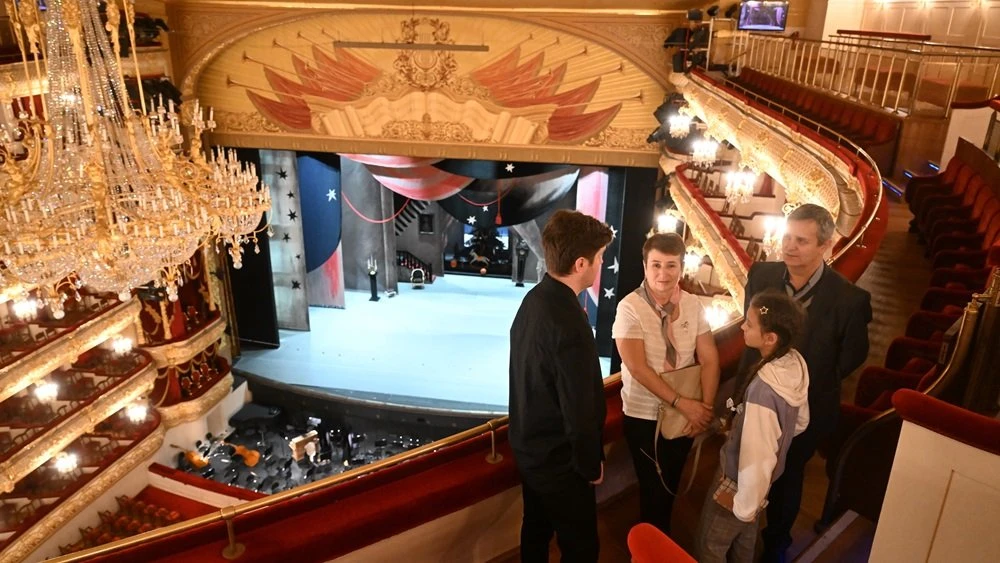
In 1820, construction of a new theatre began based on designs by Professor of the Academy of Arts Andrei Mikhailov and architect Osip Bove. It was built on its current site — Theatre Square. The Bolshoi Petrovsky Theatre, named for its grand scale, opened in January 1825. It stood out for its monumentality, grandeur, harmonious architectural forms, and rich interior decoration. However, in March 1853, another fire broke out and raged for several days. As a result, only charred walls and the portico colonnade remained. The fire destroyed costumes, sets, the company archive, part of the music library, and rare instruments.
The restoration of the building was led by the chief architect of the Imperial Theatres, Albert Cavos. Work began in May 1855, and a year and a half later the Bolshoi Theatre reopened to the public. In the second half of the 19th century, it was considered one of the best in the world for its acoustics. The rapid pace of reconstruction was due to the need to complete the work in time for the coronation of Emperor Alexander II.
The last performance of the Imperial Bolshoi Theatre on 28 February 1917 was the opera "Eugene Onegin". Two weeks later, it was staged by the State Bolshoi Theatre. After the October Revolution, the theatre’s very existence was under threat. There were plans to close it, and only a few years later was this idea finally abandoned. The theatre hosted All-Russian Congresses of Soviets, sessions of the All-Russian Central Executive Committee, and Comintern congresses. The formation of the USSR was also proclaimed from the stage of the Bolshoi Theatre.

Legends of the Bolshoi Theatre
Over the years, the theatre’s stage has featured singers such as Feodor Chaliapin and Ivan Kozlovsky, Galina Vishnevskaya and Yelena Obraztsova, and dancers including Galina Ulanova and Maya Plisetskaya, among many other outstanding artists. Feodor Chaliapin played a key role in turning the theatre towards national Russian opera. Thanks to him, productions such as "Boris Godunov", "The Maid of Pskov", and "Mozart and Salieri" entered the repertoire, standing alongside the best European works of the time and remaining on the Bolshoi stage for many years.
Ivan Kozlovsky performed at the Bolshoi Theatre from 1926 to 1954. He gained fame for his role as the Holy Fool in Modest Mussorgsky’s opera "Boris Godunov". He later became one of the theatre’s leading tenors, alongside Leonid Sobinov and Sergei Lemeshev. At the same time, ballerina Marina Semyonova shone on the Bolshoi stage. She later became a teacher to Maya Plisetskaya, Natalia Bessmertnova, Nina Sorokina, and Nikolai Tsiskaridze. Her repertoire included Tchaikovsky’s ballets, such as "Swan Lake", originally composed for the theatre. Later, premieres of "The Nutcracker" and "The Sleeping Beauty" were also staged there.
Performing the leading role in "Swan Lake" has been a dream for generations of dancers, including Maya Plisetskaya, who later performed her famous "The Dying Swan" more than 800 times. Another legendary ballerina of the Bolshoi was Galina Ulanova — the only ballerina to have two monuments erected in her honour during her lifetime, one in Stockholm and another in her native Saint Petersburg.
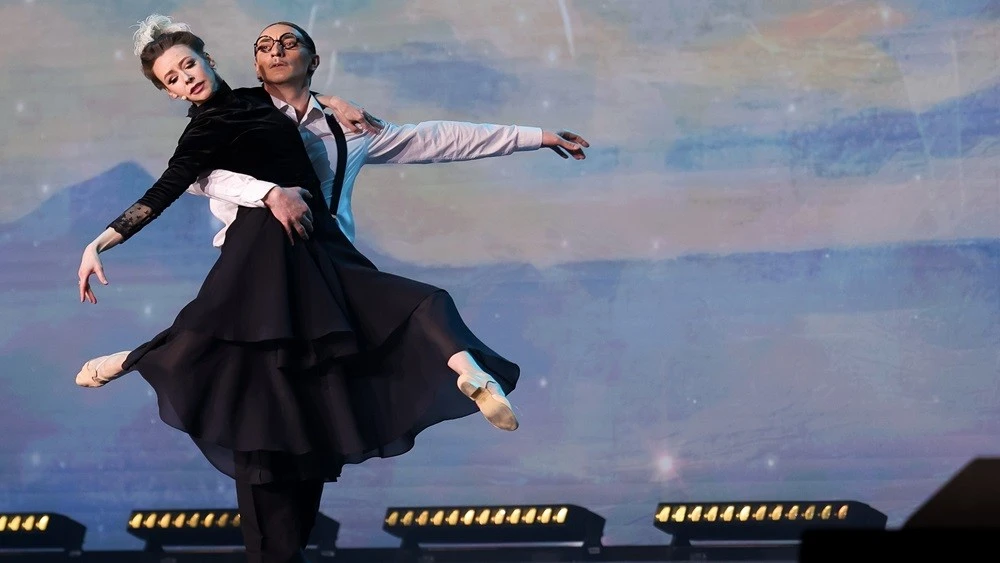
In the 1960s–1980s, choreographer Yuri Grigorovich worked at the Bolshoi Theatre. Under his leadership, the ballet company undertook around one hundred international tours, securing the global prominence of the Russian classical school. Grigorovich brought his successful Leningrad productions to Moscow and created five original ballets, including "The Nutcracker" by Pyotr Tchaikovsky.
Today, the theatre’s repertoire includes dozens of new productions, the number of symphonic and choral concerts has increased, and the touring geography of all Bolshoi ensembles continues to expand both within Russia and internationally. A tradition of monographic festivals dedicated to great composers is also gradually taking shape.
In 2026, the Year of the 150th Anniversary of the Union of Theatre Workers of Russia was launched. The opening ceremony took place on 17 January at the National Centre RUSSIA. Large-scale events will be held in various cities, bringing together thousands of theatre professionals — from Kaliningrad to Vladivostok.
15 June is a maintenance day at the National Centre RUSSIA. The space will be closed to guests so that staff can carry out scheduled work.
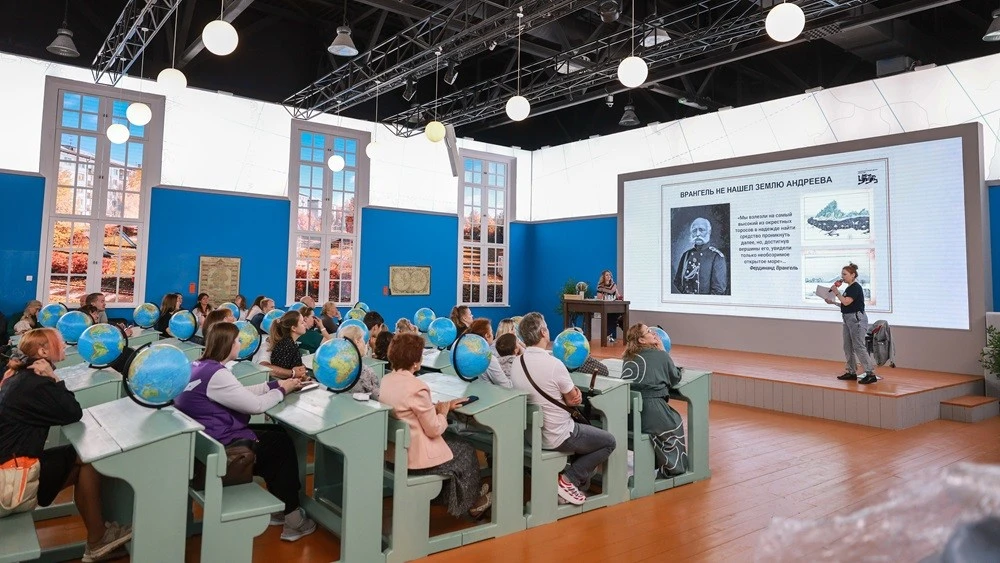
The original cultural and educational project "Exploring Russia" started at the National Centre RUSSIA in April.
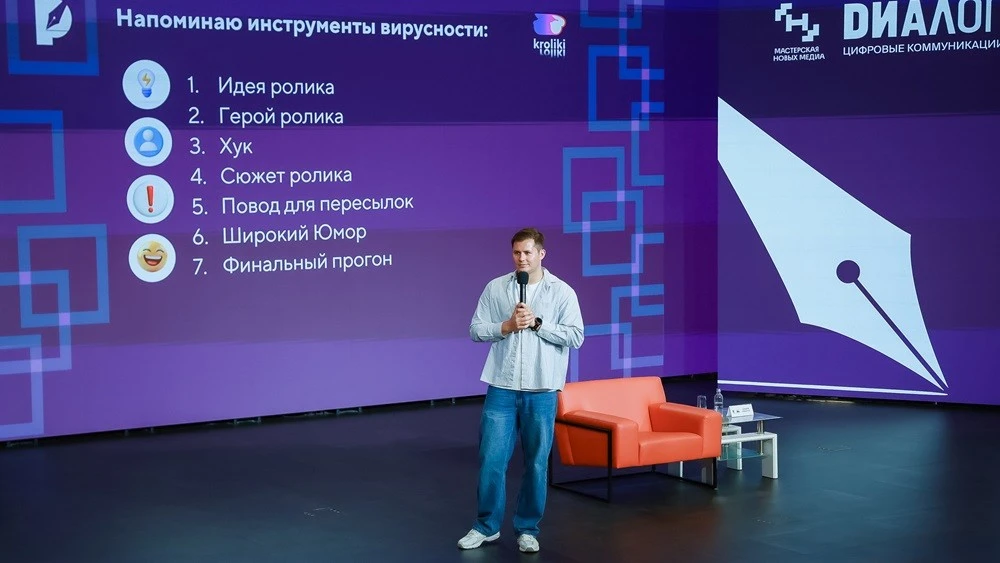
Nikita Kushchenko, Founder and Head of the Kroliki Content Centre, spoke about journalism of the future.


