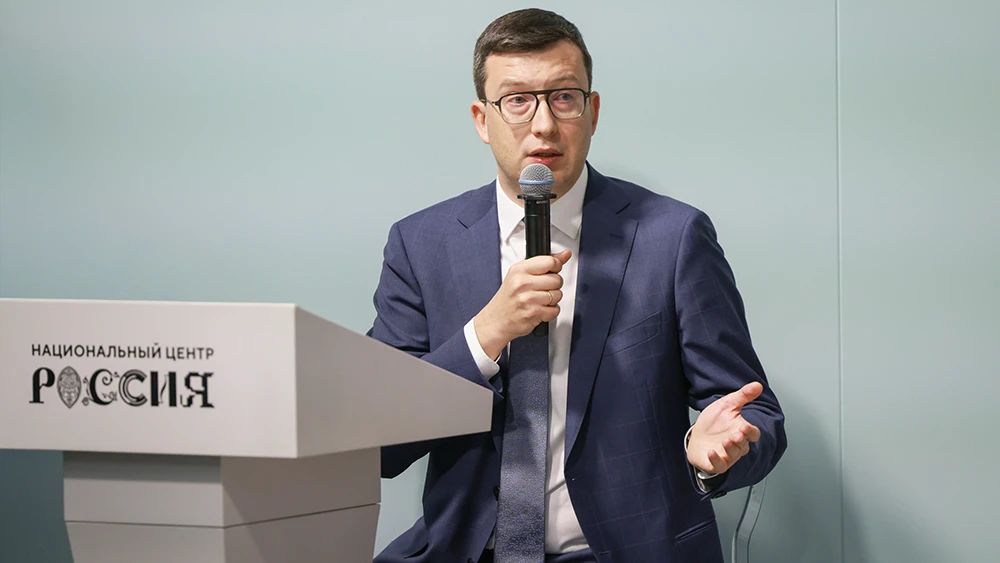


"Transport and Logistics" expert group presents its vision for freight transport future in 2036
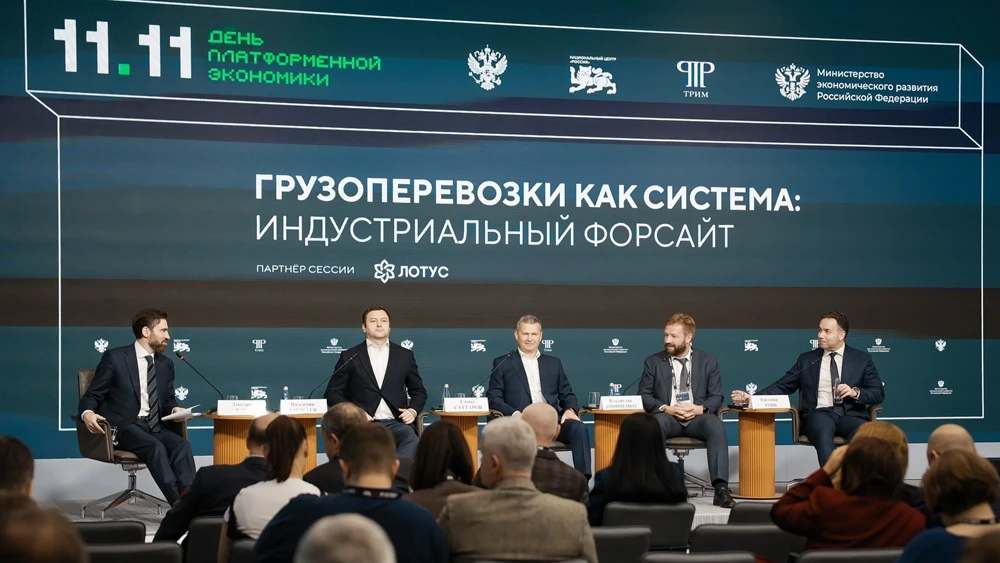
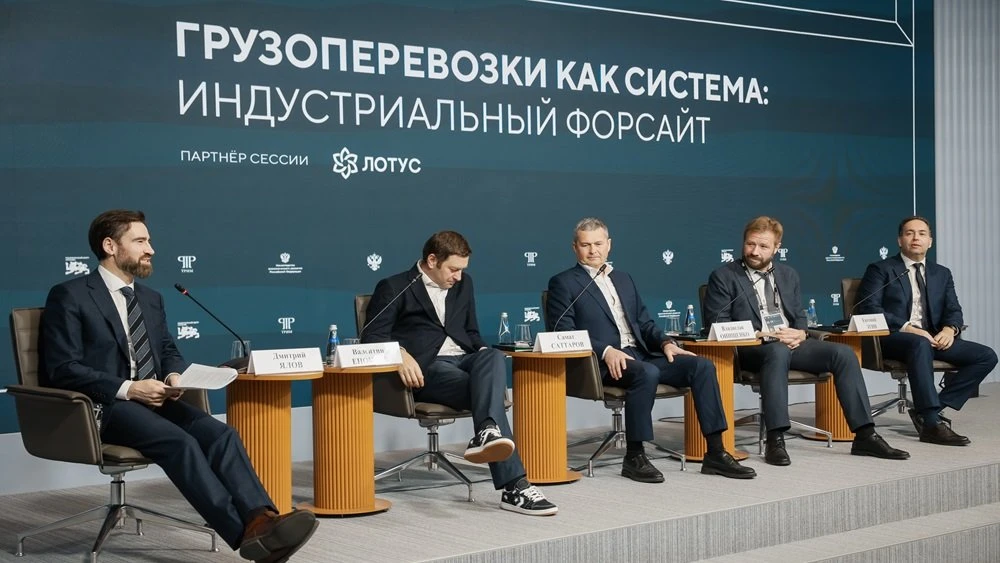
The foresight session "Freight Transport as a System: Industry Foresight" was held on 11 November at the National Centre RUSSIA. Participants discussed how the transport and logistics sector might change by 2036, which technologies and solutions will shape its development, and what steps need to be taken now. The discussion drew on the work of the "Transport and Logistics" expert group within the Interdepartmental Working Group on the Development of the Digital Economy and Platforms, led by Maxim Oreshkin. The experts set out a vision for the sector, identified priorities for its transformation and outlined the conditions needed to move to a platform-based model for freight transport.
The discussion brought together Samat Sattarov, Director General of National Carrier JSC; Vladislav Onishchenko, Director General of ATRE LLC; Valentin Yenokayev, Vice President for Strategy in Transport and Industrial Services at Yandex; and Yevgeny Etin, Director of Innovation and Ecosystem Development at RWB LLC. The session was moderated by Dmitry Yalov, Director General of CTLP LOTUS LLC.
Participants considered how driverless vehicles and artificial intelligence could be used in logistics, as well as new business models and the impact of platform-based solutions on regional development. They paid particular attention to how freight operations need to change so that digital technologies benefit the entire sector as well as individual companies.
By 2036, transport and logistics could move from disconnected digital solutions to an interconnected model in which data travels with each shipment throughout its journey, and the parties involved, information systems and infrastructure all operate under common rules. This would improve coordination across logistics operations, make shipments more predictable and allow more efficient use of transport and infrastructure resources.
The LOTUS National Digital Transport and Logistics Platform is expected to play an important role in shaping this model, said Dmitry Yalov, Director General of CTLP LOTUS LLC.
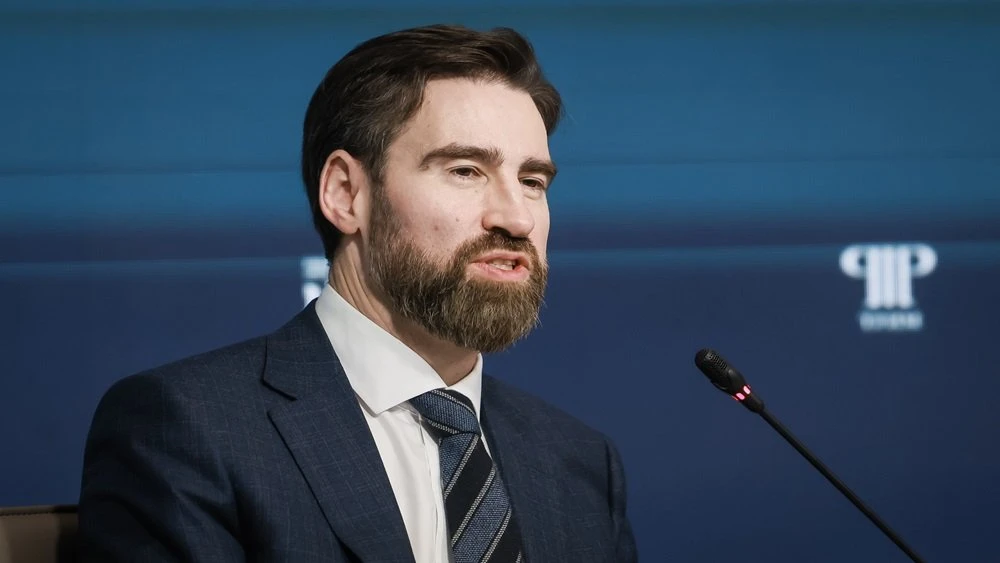
"What matters to businesses is that platforms make a tangible difference to their day-to-day operations. They will help carriers find jobs more quickly and make better use of vehicle capacity, and help cargo owners find the best delivery options. In the future, AI agents will be able to select service providers, compare terms and coordinate individual stages of a shipment on their own. A single point of access will allow users to submit the necessary documents and information in one place, while information systems will be able to exchange them without constant human involvement. As a result, businesses will spend less time organising shipments, and the shipments themselves will be easier to manage, more predictable and more efficient," he said.
The "Freight Transport as a System: Industry Foresight" session also explored where platforms add value in freight transport and what currently limits their impact.
"The value of a freight platform lies in making better use of vehicles. The more cargo owners and carriers use the same platform, the fewer empty journeys vehicles make, the less time they spend idle and the more efficiently they operate. One factor limiting that impact today is the lack of agreed rules for scaling up autonomous freight operations," said Valentin Yenokayev, Vice President for Strategy in Transport and Industrial Services at Yandex.
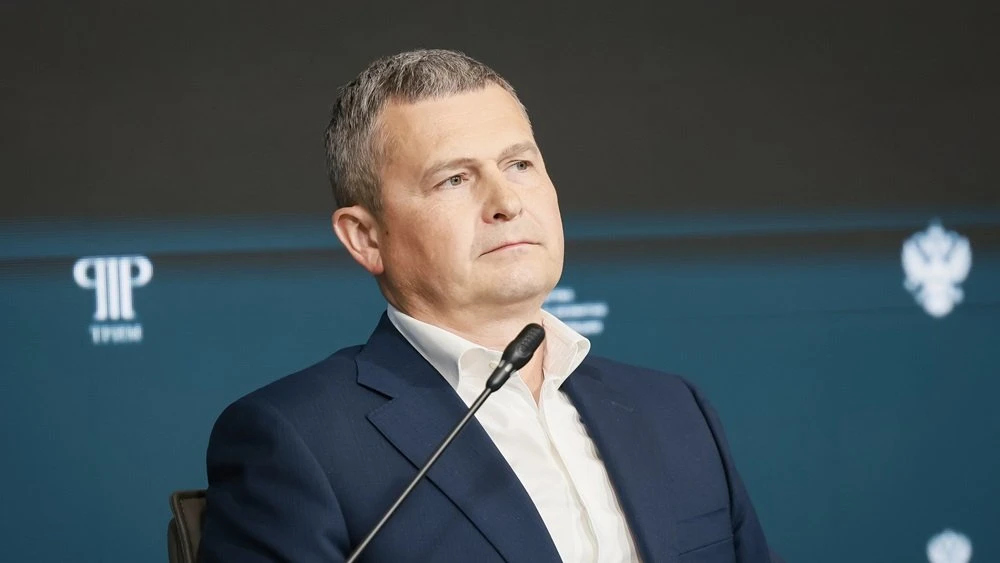
He also noted that taxation differs across transport segments: "In passenger transport and deliveries to individuals, the end consumer bears the cost of VAT. Drivers and couriers currently provide these services without charging VAT, but a driverless service operator, as a company under the standard tax regime operating without a driver, is subject to VAT at 22%. That immediately makes the service more expensive. It therefore makes sense to consider reducing the tax burden to help scale up these services."
Platform Economy Day is being held on 11 November at the National Centre RUSSIA. Representatives of government, business and the expert community will discuss the main areas in which Russia is adopting platform-based models, from solutions for individual sectors to broader approaches to developing digital markets.
The National Centre RUSSIA will host thematic sessions across three areas: "Platforms for People", "Platforms for Business" and "The Architecture of the Platform Economy". Participants will discuss how platforms are changing trade, the urban environment, finance, employment, healthcare, tourism and education; how sector-specific platforms will develop in industry, energy and agriculture; and what roles artificial intelligence, data and market competition will play. The main event will be the plenary session "Platforms-2036: The Economy of the Next Decade", with the participation of Maxim Oreshkin, Deputy Chief of Staff of the Presidential Executive Office of Russia. The session will examine the main approaches to the national strategy for the development of digital platforms through to 2036, which is being drafted on the instructions of Vladimir Putin, President of the Russian Federation.
The signing of the Memorandum on Fair Practices for Digital Platforms was the centrepiece of the first Platform Economy Day in 2025. The document formalised commitments by several of the largest platforms to implement certain provisions of the law on the platform economy ahead of schedule. In 2026, the main focus will be on the national strategy for the development of digital platforms through to 2036, which is now being drafted. Platform Economy Day 2026 is an important milestone ahead of the Future Technologies Forum 2027, which will showcase the progress made by Russian platforms and set development goals through to 2036.