


Platform Economy Day opens at the National Centre RUSSIA
Designing for the way people live rather than designing homes, building robots that fit into urban infrastructure and making property transactions as easy as booking a taxi. Experts from government, business and think tanks discussed how targeted digital solutions are turning the "smart city" into a "city as a platform" at the "City as a Platform" session, held on 11 November at the National Centre RUSSIA as part of Platform Economy Day.
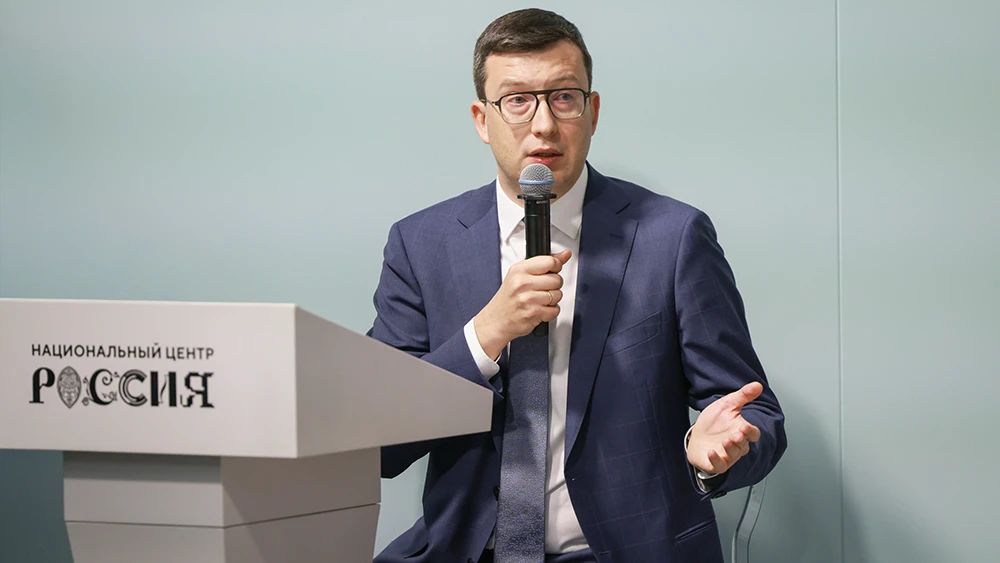
The session was moderated by Anton Finogenov, Director of Urban Environment Development at DOM.RF: "Digital platforms really are changing people's lives and everyday habits. I remember that 10 to 15 years ago, many people were sceptical about the 'smart city'. Then, almost without noticing, they found they were already living in one."
He added that the expert groups on real estate and the urban environment agreed on the key point: the next step for the "smart city" is to move from automated, often stand-alone services to integrated intelligent systems that help residents plan their lives in the city and authorities manage it more effectively.

Anton Finogenov said planning requirements had changed substantially. In the past, people could speculate about the future without taking much responsibility for what they imagined. Now, decisions are backed by a vast body of evidence drawn from data analysis. Comprehensive Development of Territories is becoming more complex: yesterday's standards can no longer serve as the basis for designing tomorrow's projects.
Maria Sinichich, Director of the Department of Comprehensive Development of Territories at the Russian Ministry of Construction, agreed that approaches to design had changed. The urban environment is now designed with the next 10 to 15 years in mind, or up to 30 years for some projects. That means planning both the infrastructure and how people will live there.
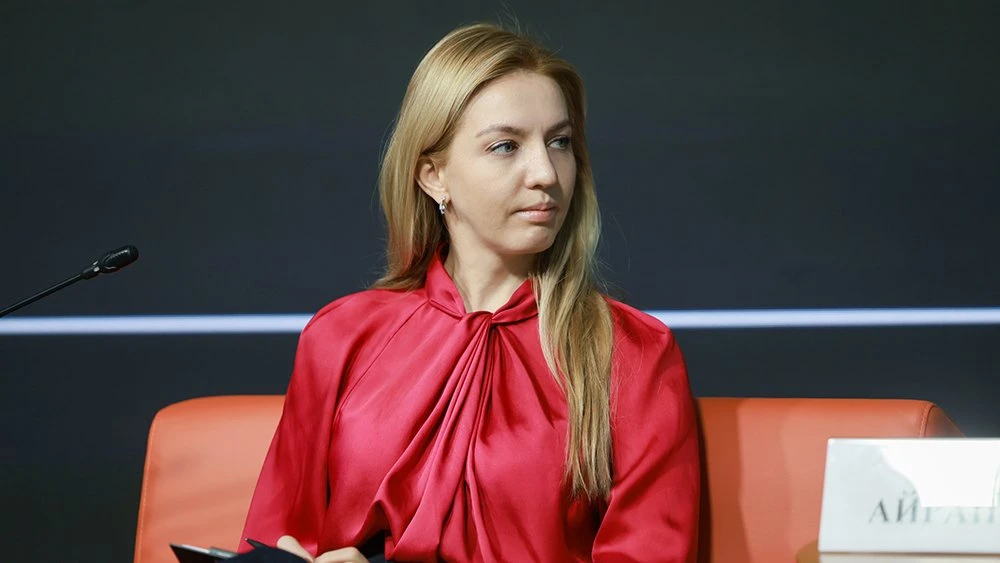
"The shift from designing individual buildings to designing for the way people will live is probably where we need to focus today. We need to consider the data we already use as a starting point, but we also need information about how people live, what they need to do and the roles they play. That adds another layer of complexity. The data urban planners collect today covers land, technical requirements and geology. Understanding how people live and how they will use these spaces takes additional work," Maria Sinichich emphasised.
She added that flexibility was already being built into urban planning, with multipurpose ground-floor spaces, provision for fibre-optic cables in transport infrastructure, and camera systems and networks incorporated into the overall design. She identified managing the entire life cycle of a development, from planning the site to renovating it, as a separate challenge. One of the main problems, she said, was that systems remained fragmented: land survey data and information on property management companies were not linked, and information lost along the way made projects harder to deliver.
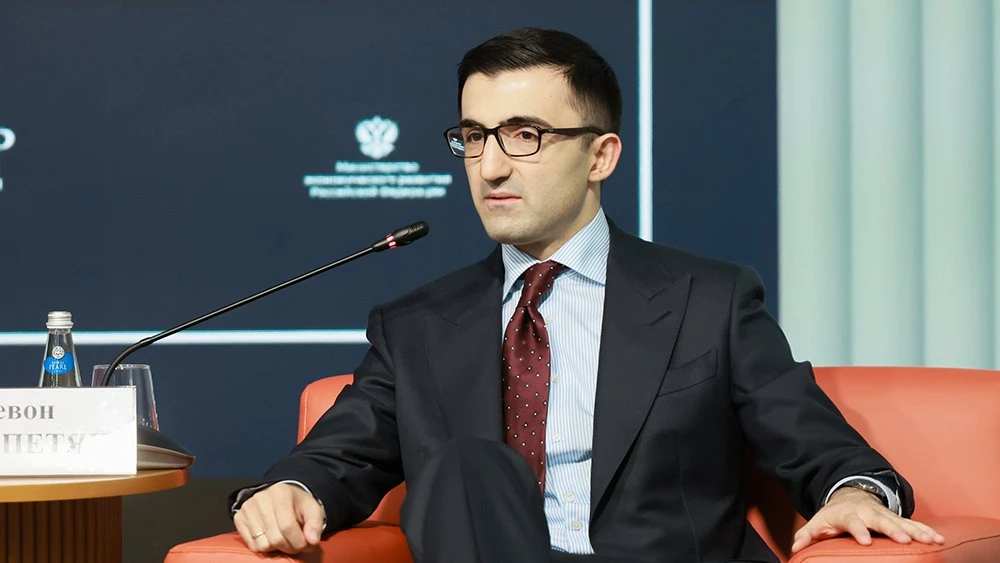
Levon Airapetyan, Deputy Managing Director of Avito, distinguished between two segments of the rental market: long-term lets, where people still use classified listings to search but conclude deals elsewhere, and short-term lets by the night, where platforms already offer end-to-end booking services. He said one of the main aims of the strategy for bringing long-term rentals onto digital platforms was to give landlords and tenants an incentive to return to the platform after viewing a flat and complete the transaction there.
"The question isn't how to eliminate the offline part of the transaction. That's unlikely to be possible. The question is how to give both sides enough reason to return to the platform after viewing the flat and complete a transparent transaction online," Levon Airapetyan emphasised.
He identified two barriers: property owners do not yet see a clear benefit in completing the entire transaction online, and excessive bureaucracy, should the government introduce compulsory registers and identifiers, could put landlords off moving online. He said the model should bring government and platforms together: platforms would provide easy-to-use interfaces, access to users and convenient tools for completing transactions, while the government would offer tax and social incentives to landlords and tenants who complete transparent transactions online.
Valentin Yenokayev, Yandex's Vice President for Strategy in Transport and Industrial Services, explained how robotaxis and driverless vehicles would fit into the urban transport system. He noted that robots were being adapted to environments built for people, rather than the other way round.

"When we design robotic systems for public roads, we run up against the fact that urban infrastructure is virtually impossible to change in any substantial way. Large-scale changes aren't feasible, and targeted adjustments only cover new developments, which is nowhere near enough. So robots will have to operate in infrastructure built for people. That's why the next step will focus on humanoid robots: it's easier to build a robot that can open doors and press buttons than to redesign the infrastructure," Valentin Yenokayev explained.
He also stressed that automation would initially act as a "buffer against unemployment". The market would see a mix of automated and human-delivered services, with the balance between them depending on whether there was a shortage or a surplus of labour. He said the current growth in driverless taxi services was driven by an acute labour shortage and that economic cycles would shift the balance.
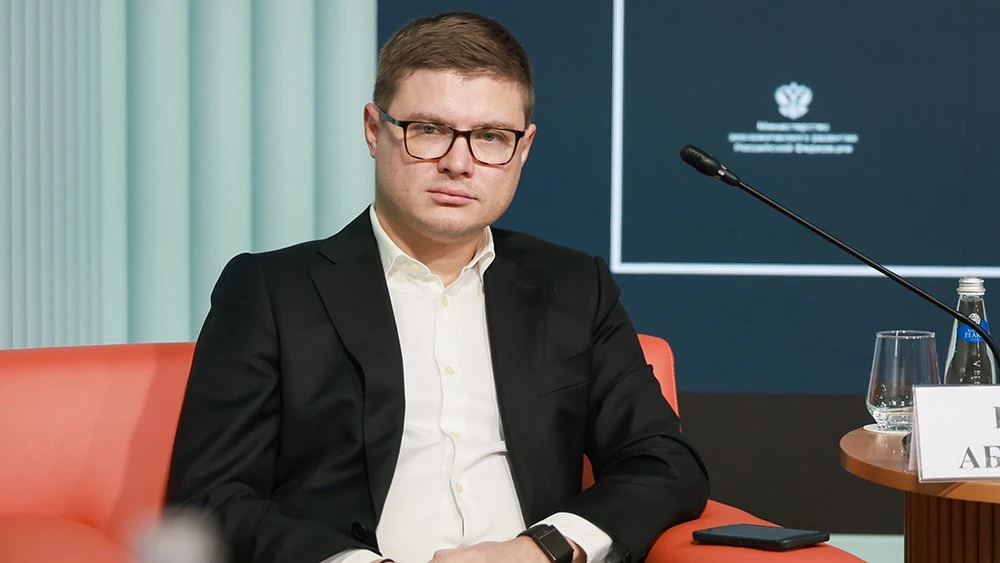
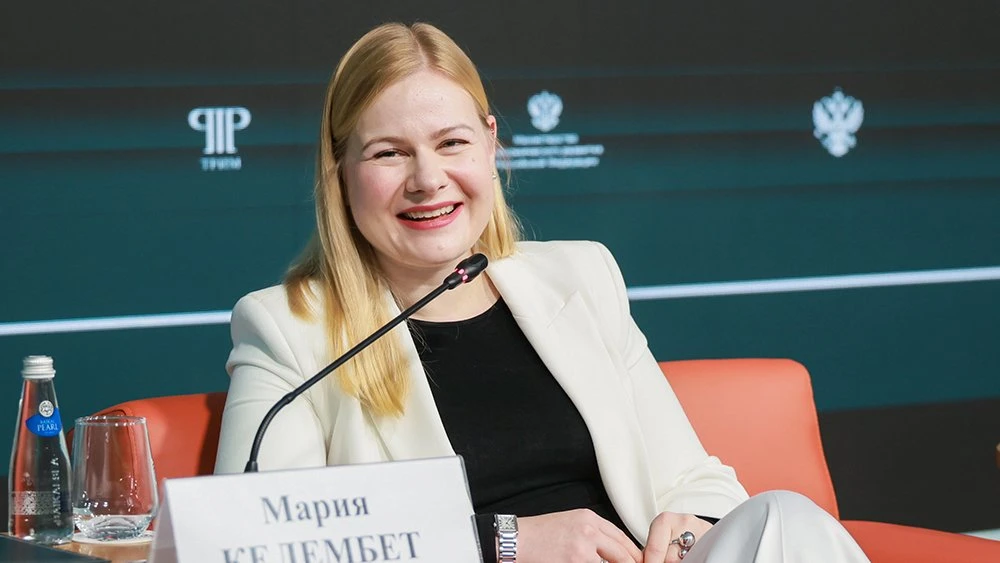
Nikita Abanitov, Senior Engagement Manager at the consultancy Yakov and Partners, and Maria Kelembet, Executive Director of Cian, also joined the discussion.
Platform Economy Day is being held on 11 November at the National Centre RUSSIA. Representatives of government, business and the expert community will discuss the main areas in which Russia is adopting platform-based models, from solutions for individual sectors to broader approaches to developing digital markets.
The National Centre RUSSIA will host thematic sessions across three areas: "Platforms for People", "Platforms for Business" and "The Architecture of the Platform Economy". Participants will discuss how platforms are changing trade, the urban environment, finance, employment, healthcare, tourism and education; how sector-specific platforms will develop in industry, energy and agriculture; and what roles artificial intelligence, data and market competition will play. The main event will be the plenary session "Platforms 2036: The Economy of the Next Decade", with the participation of Maxim Oreshkin, Deputy Chief of Staff of the Presidential Executive Office of Russia. The session will examine the main approaches to the national strategy for the development of digital platforms through to 2036, which is being drafted on the instructions of Vladimir Putin, President of the Russian Federation.
The signing of the Memorandum on Fair Practices for Digital Platforms was the centrepiece of the first Platform Economy Day in 2025. The document formalised commitments by several of the largest platforms to implement certain provisions of the law on the platform economy ahead of schedule. In 2026, the main focus will be on the national strategy for the development of digital platforms through to 2036, which is now being drafted. Platform Economy Day 2026 is an important milestone ahead of the Future Technologies Forum 2027, which will showcase the progress made by Russian platforms and set development goals through to 2036.

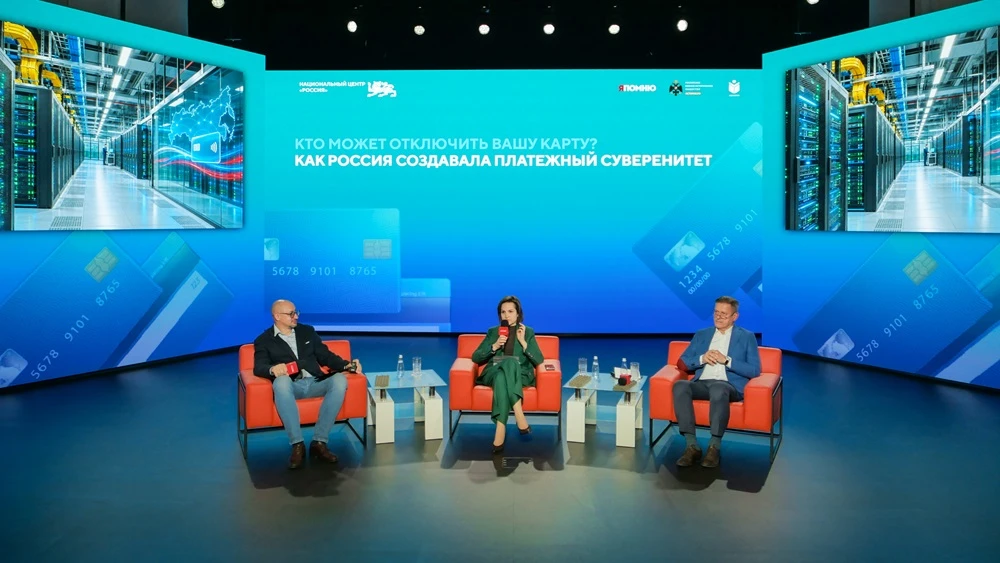
On 10 November at the National Centre RUSSIA at the Lecture Hall "Who Can Deactivate Your Bank Card? How Russia Built Its Payment Sovereignty".


