


Expert Council under the National Centre RUSSIA approved areas of work to create a national architectural code
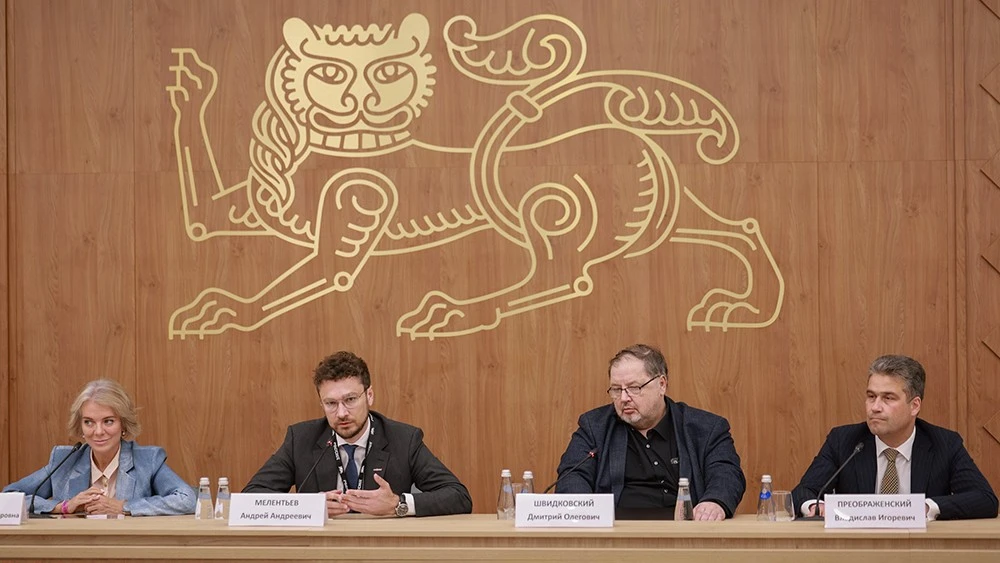
The formation of the country’s sovereign architectural and
visual code, ensuring the preservation of architectural legacy and national
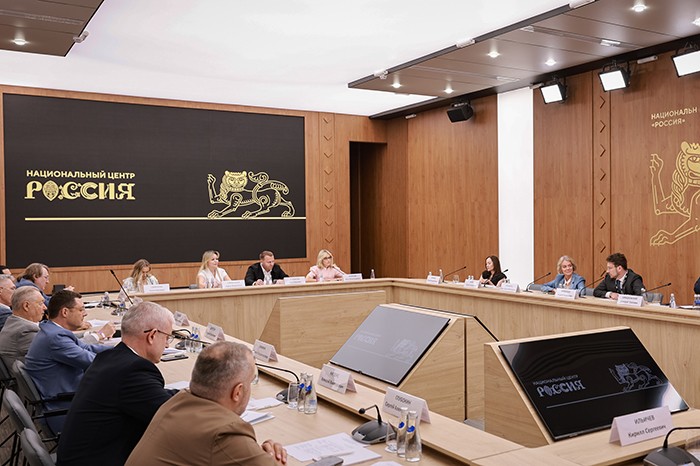
identity, as well as shaping the image of the modern era, was discussed by
participants in a meeting of the Board of the Expert Council for Architecture
and Urban Planning. The event was held on 21 May at the National Centre RUSSIA.
Four specialised working groups have been formed within the
Expert Council: "Rulemaking", "Methodology of National Meanings
and Themes", "Architecture and Education", and "Methodology
of Regional Features, Meanings and Themes". This was announced by the
Chairman of the Expert Council, President of the Russian Academy of
Architecture and Construction Sciences, Vice-President of the Russian Academy
of Arts, Professor and Rector of the Moscow Architectural Institute, Dmitry
Shvidkovsky. Each of the working groups presented specific projects and areas
of work.
"Today, the identity of Russian architecture in the
global context is defined by the architectural memory of our era, the national
distinctiveness of Russian architecture and urban planning as a historical
process of accumulating artistic values and meanings, and the image of the
Russian city as a synthesis of the modern understanding of legacy and the
traits of the entire national history of the 11th to 21st centuries that are
significant in our genetic code, including, of course, the Soviet period.
Together, this will create bright, unique content in the architecture and urban
planning of Russia’s future that is significant for all humanity," Dmitry
Shvidkovsky said.
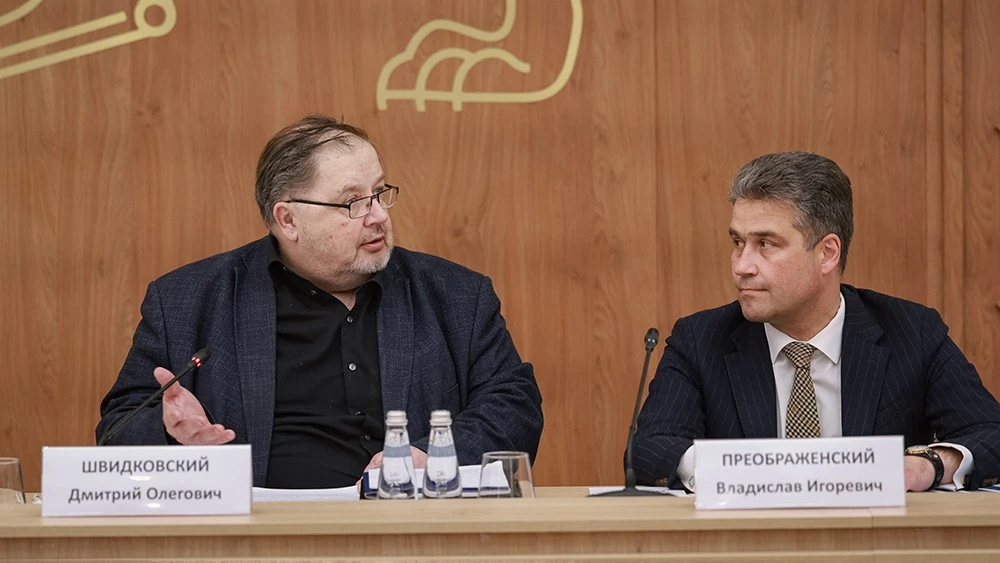
The Secretary of the Expert Council and Head of the
Directorate for Control over State Visual Communications at the National Centre
RUSSIA, Andrei Melentyev, noted that the working groups cover a wide range of
issues and tasks, from developing the regulatory framework to specific
initiatives that will help both to formulate global meanings and, in practical
terms, assist developers and architects.
"We ask that proposals from specialised experts that
may help the Expert Council and its activities be sent by email to
gradsovet@ano-dea.ru," Andrei Melentyev emphasised.
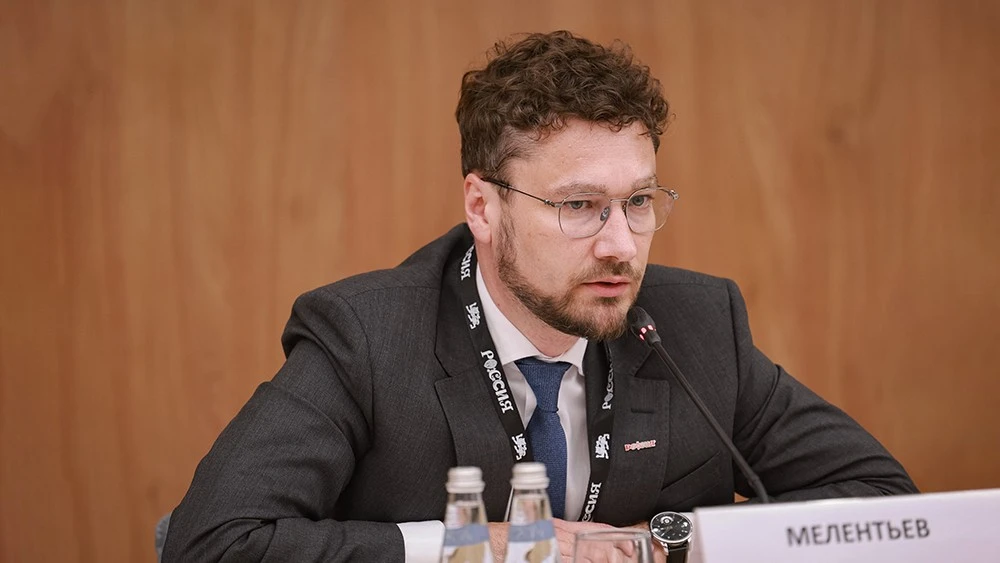
A process is now needed to form a national doctrine of urban
planning and architectural development that will be based on our cultural
traditions and responsibility to future generations, stressed the Head of the
"Rulemaking" working group and Chairman of the State Duma Committee
on Construction, Housing and Utilities, Sergei Pakhomov.
"Architecture must return to the system of urban
planning decision-making as an essential professional link, from territorial
planning and the preliminary concept to implementation on site. If we want to
create a full-fledged urban environment with its own face, it is necessary to
strengthen the role of chief architects, architectural councils, professional
expertise and responsibility for the final result," he said.
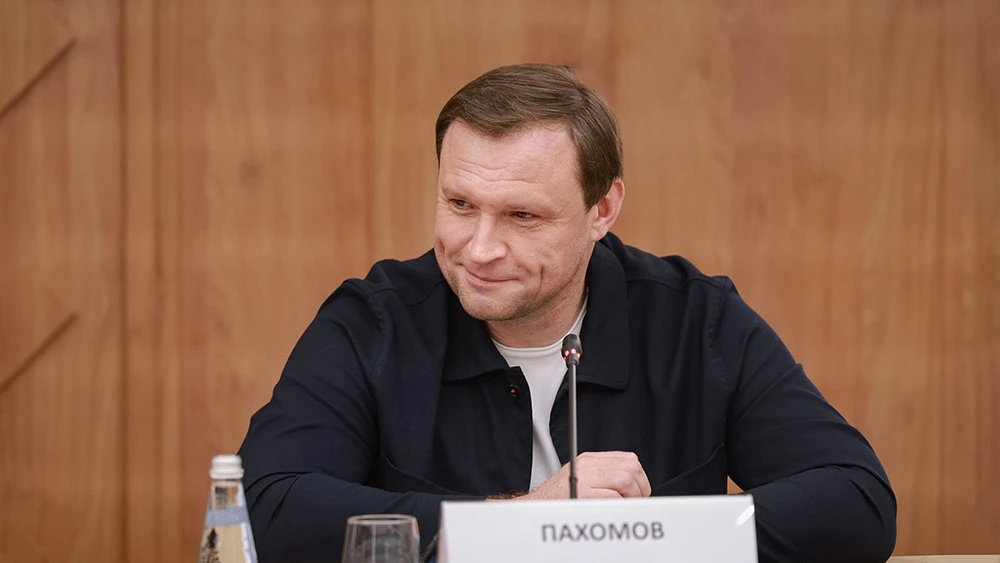
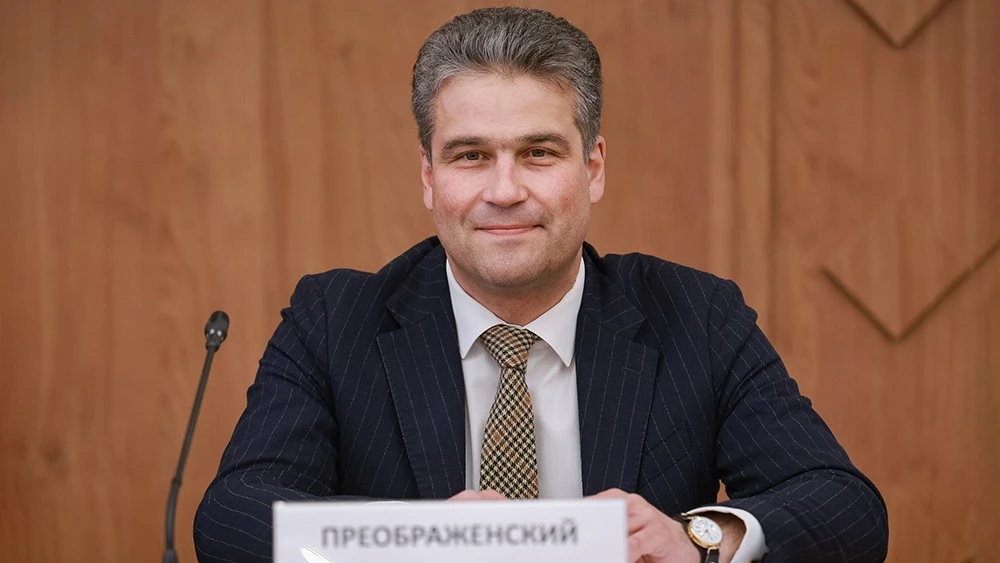
According to the Chairman of the Board of the Expert
Council, Head of the "Methodology of National Meanings and Themes"
working group and Executive Director of the Moscow Investors’ Club Foundation,
Vladislav Preobrazhensky, it is time to move away from the meanings and symbols
of the "Western world" in real estate, including in the names and
images used in the branding and promotion logic of residential complexes.
"It is necessary to creatively rethink where, how and in what combination national meanings and symbols that are organic to real estate and infrastructure can be introduced. The key condition for implementation will be not abstract ornaments, but meaningful details and national images that are clear to the majority and organically integrated into real estate and infrastructure. This concerns practical solutions: murals, sculptural compositions, bas-reliefs, navigation elements and architectural accents that connect history and the present day, strengthen the identity of urban spaces and can become the basis for joint projects," Vladislav Preobrazhensky said.
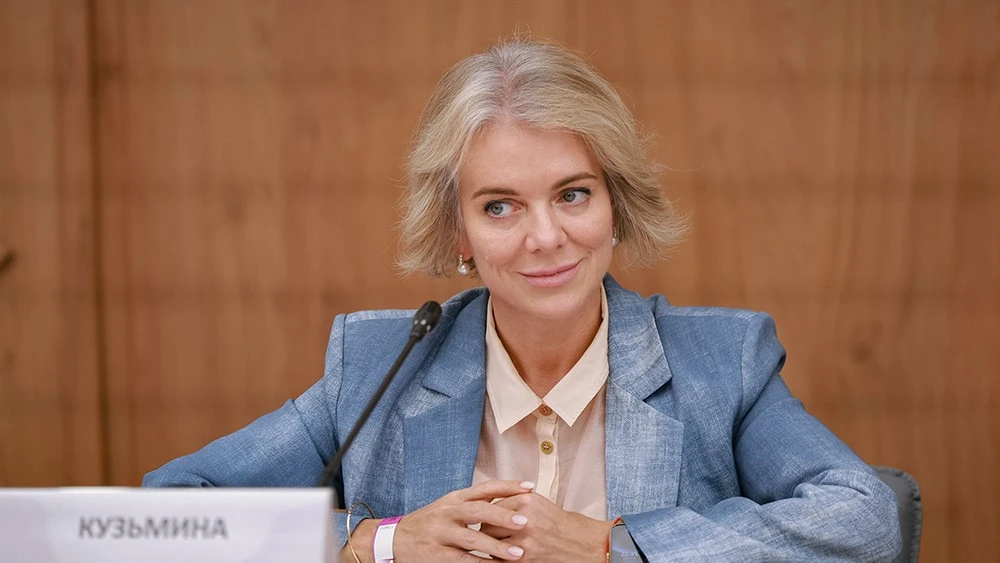
Deputy Chair of the Expert Council, Head of the
"Architecture and Education" working group, First Deputy Head of the
Committee for Architecture and Urban Planning of the Moscow Region and Chief
Architect of the Moscow Region, Alexandra Kuzmina, spoke about the return of
monumental and applied art to the urban environment.
"We must restore the tradition of placing works of
monumental and applied art in interiors and on facades, including mosaics,
bas-reliefs, paintings and sculptures. Monumental art is a chronicle of
achievement, a way to convey information about outstanding figures, true
values, the greatness of the state and its contribution to world culture. Art
helps foster a sense of pride through involvement in shared victories and
shared meanings carved in stone," the speaker added.
The Head of the "Methodology of Regional Features,
Meanings and Themes" working group and Executive Director of the
Association of Developers of the Republic of Bashkortostan, Adel Saifullina,
reported that work had begun to create a regional level of visual representation
of Russia’s architectural and urban planning code: "One of the tasks is to
form catalogues of regional symbols and ornaments, as well as a colour palette
for meaningful combination with federal symbols. To achieve this task, we have
formed a request matrix for working with each region."
The topic of the city’s memory as a key condition for a
living urban environment was addressed by Professor of the International
Academy of Architecture, Head of Architecture at HSE University and President
of the Yakov Chernikhov Foundation, Andrei Chernikhov: "The modern city is
increasingly losing what the Romans called Genius Loci, the memory of place,
which has a negative effect on people and culture. We are witnessing a
conceptual transformation of the triad of design, construction and operation:
the management of buildings and the urban environment is increasingly being
united on a single digital platform. Education in urban planning, architecture,
urban environment design, ecology and a number of related disciplines requires
revision and fundamental renewal. It must educate a new architect: a specialist
capable of perceiving architecture not only as a professional activity, but
also as a special form of knowledge that has absorbed the fundamental humanitarian
principles developed over millennia of world culture, architecture and urban
planning."
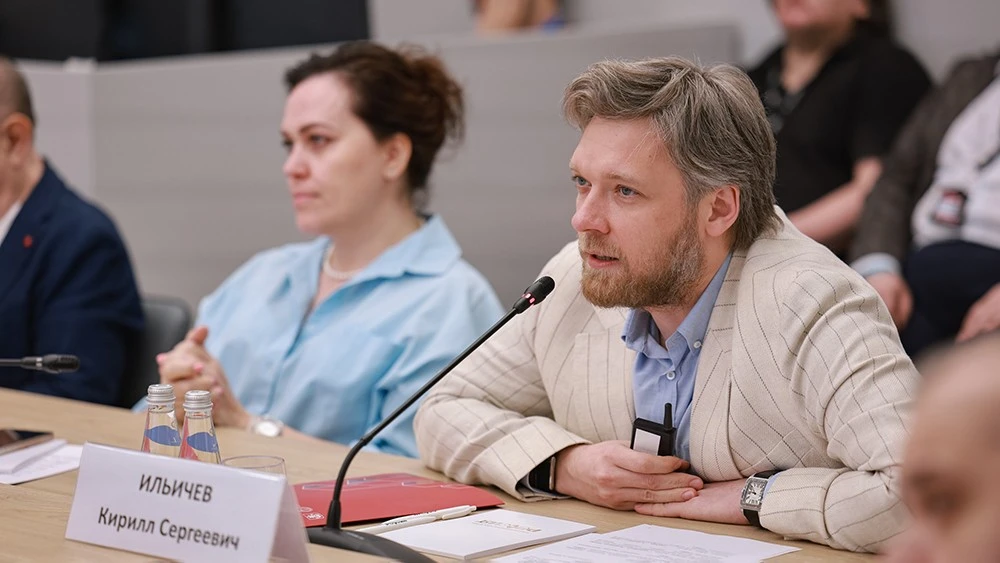
Chairman of the Ivan Betskoy Foundation for Historical,
Cultural and Educational Initiatives, member of the Union of Architects and the
Russian Historical Society, Kirill Ilyichev, drew attention to the cultural
dimension of architecture as a historical phenomenon: "The architect’s
task is to reveal the hidden structures of the historical, architectural,
cultural and social layers of a place. Their reinterpretation gives a creative
impulse, when a building not only fulfils its function, but also bears the
imprint of historical memory. This is the essence of human coexistence: to
integrate the past into the present, the personal into the shared, and legacy
into everyday life."
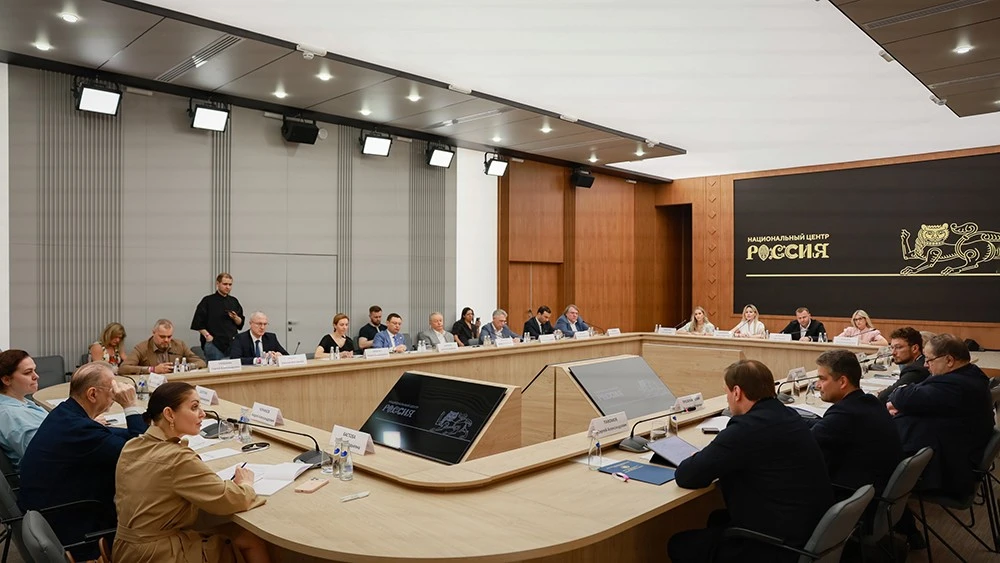
Following the meeting, the priority areas of activity of
each of the four working groups for the coming year were approved as part of
the creation of the country’s architectural and urban planning code.
The discussion was attended by representatives of the
Presidential Executive Office of Russia, the National Centre RUSSIA, the State
Duma, the Government of the Russian Federation, federal and regional executive
bodies, DOM.RF, leading architectural universities, the Russian Academy of
Arts, the General Plan Institute of Moscow, development companies and
specialised associations.
Event photobank

Architecture is an art form that people interact with constantly: it is impossible to distance yourself from it or simply ignore it.
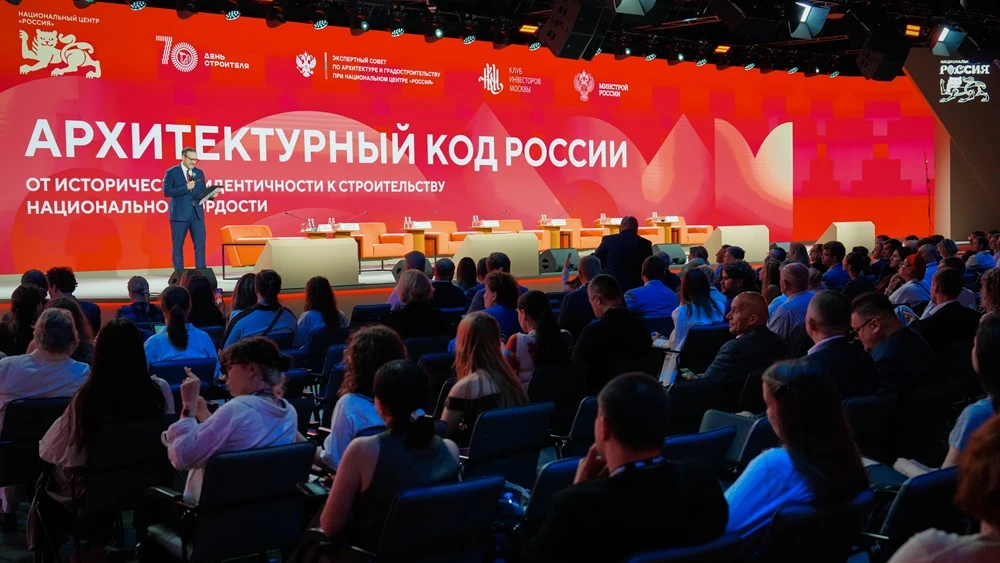
The forum "Architecture Code of Russia: From Historical Identity to Building National Pride" has opened at the National Centre RUSSIA.


